Compton runs on grocery distribution today, home to corporate headquarters for major Southern California grocery retailers that route packaged food and consumer goods across the region. The city sits directly on the Alameda Corridor, the rail freight line that carries roughly a quarter of all U.S. waterborne international trade, and it sits under 20 minutes from the Ports of Los Angeles and Long Beach. That mix of grocery headquarters and port-adjacent rail puts Compton at the center of import, repack, and redistribution work for food and CPG shipments moving through Southern California. Packaging automation matters here because product often gets re-cased, re-palletized, or inspected again before it reaches a store shelf, and that work needs equipment built for volume and consistency rather than one-off runs.
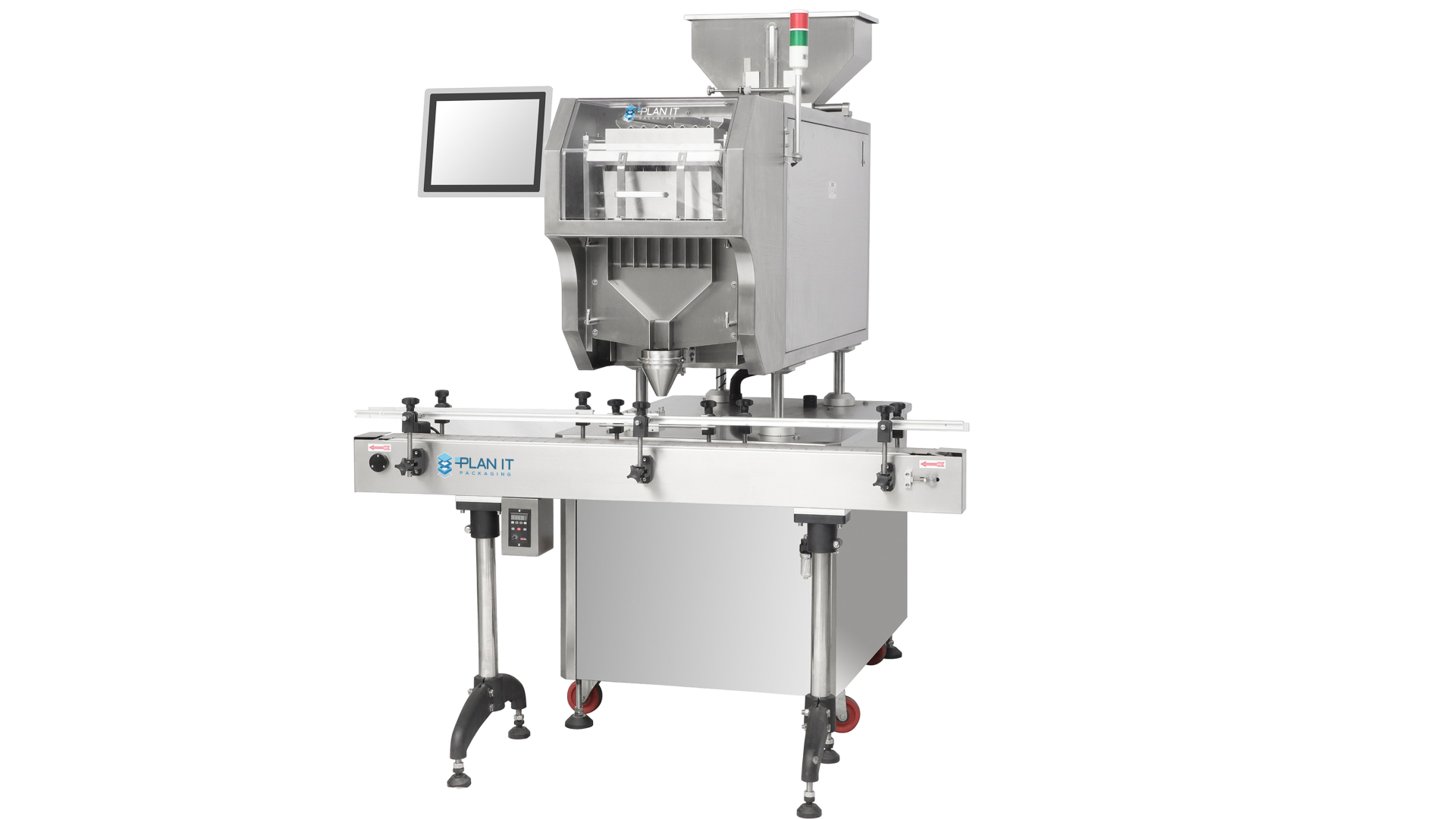
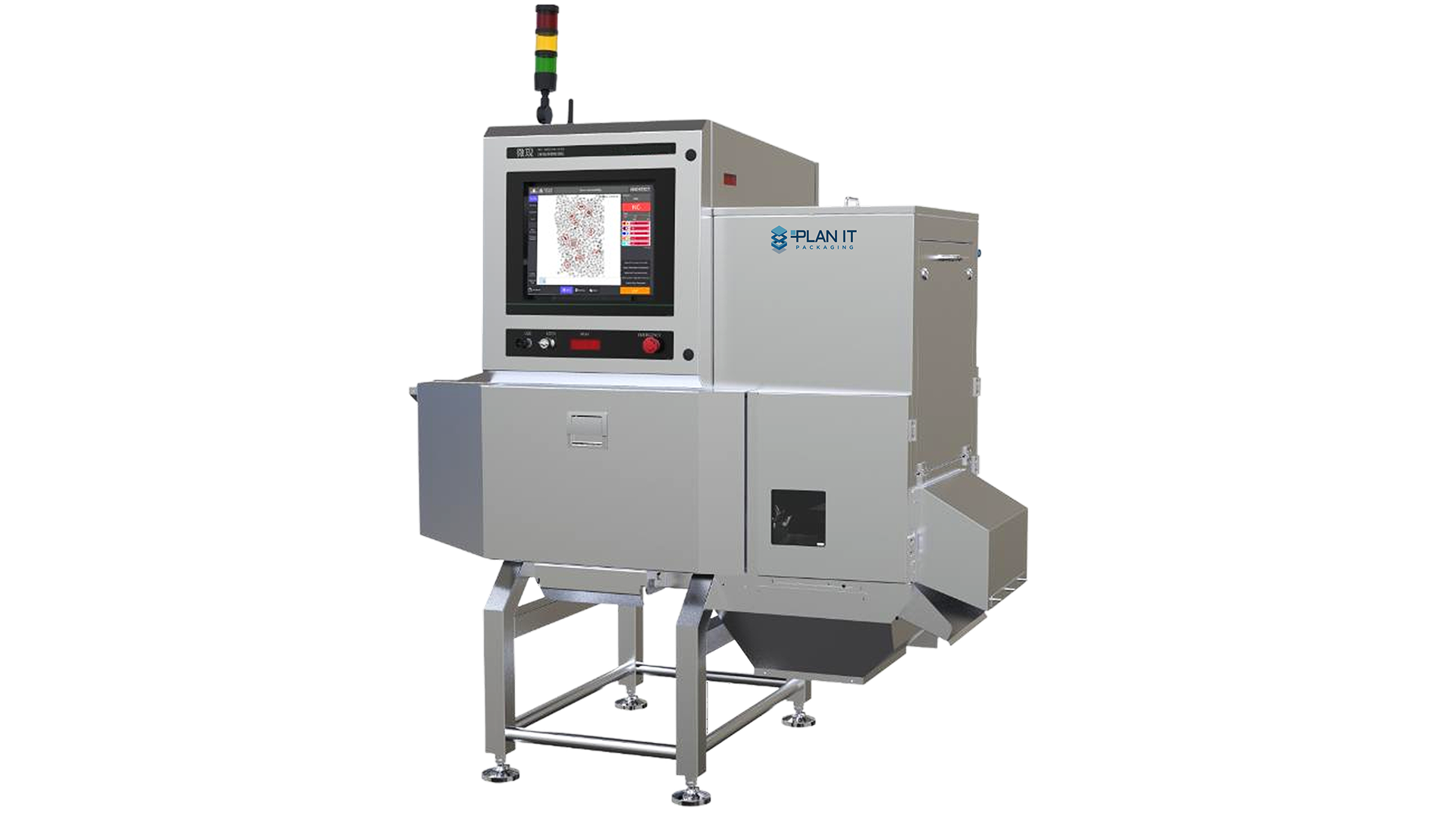
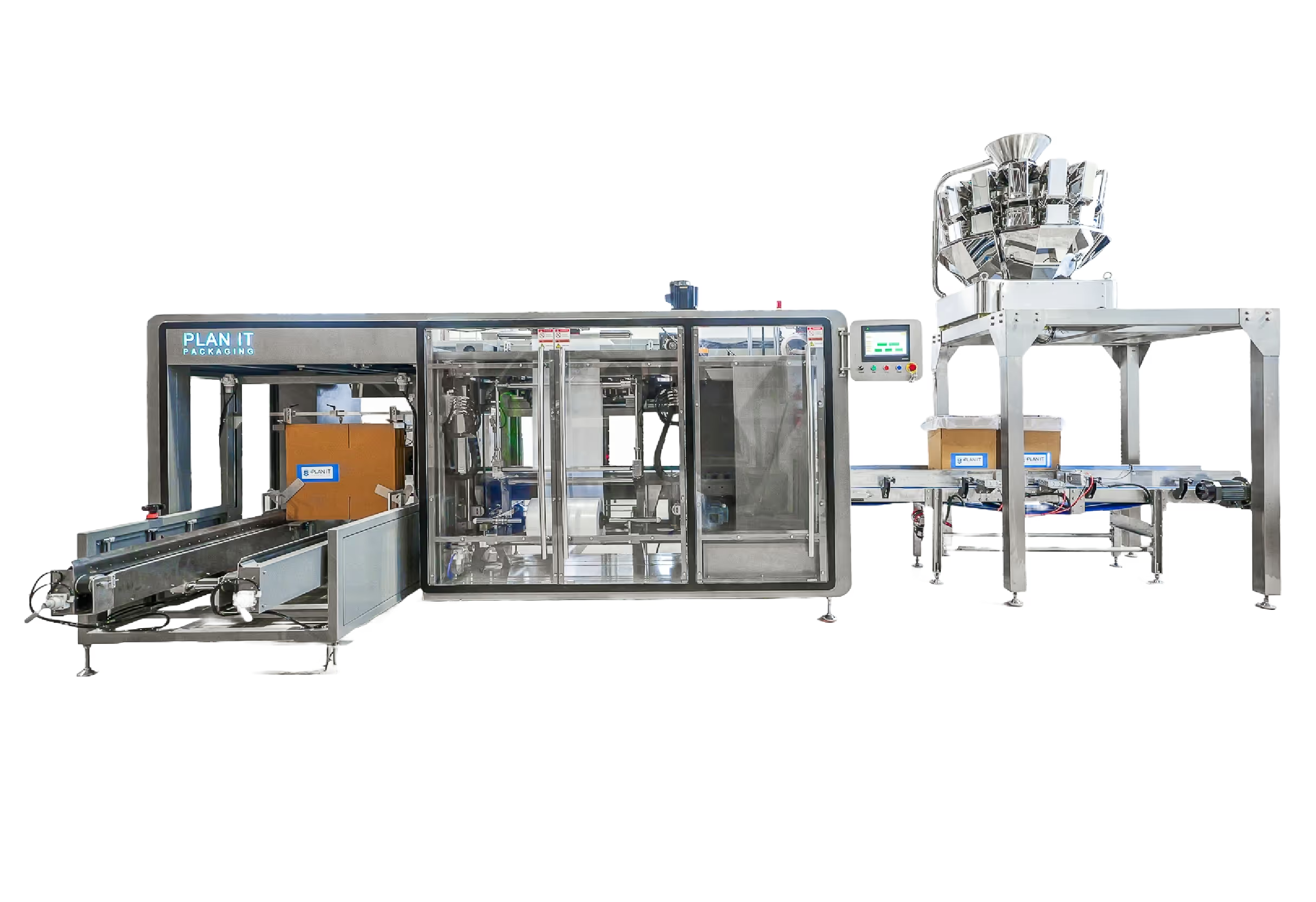
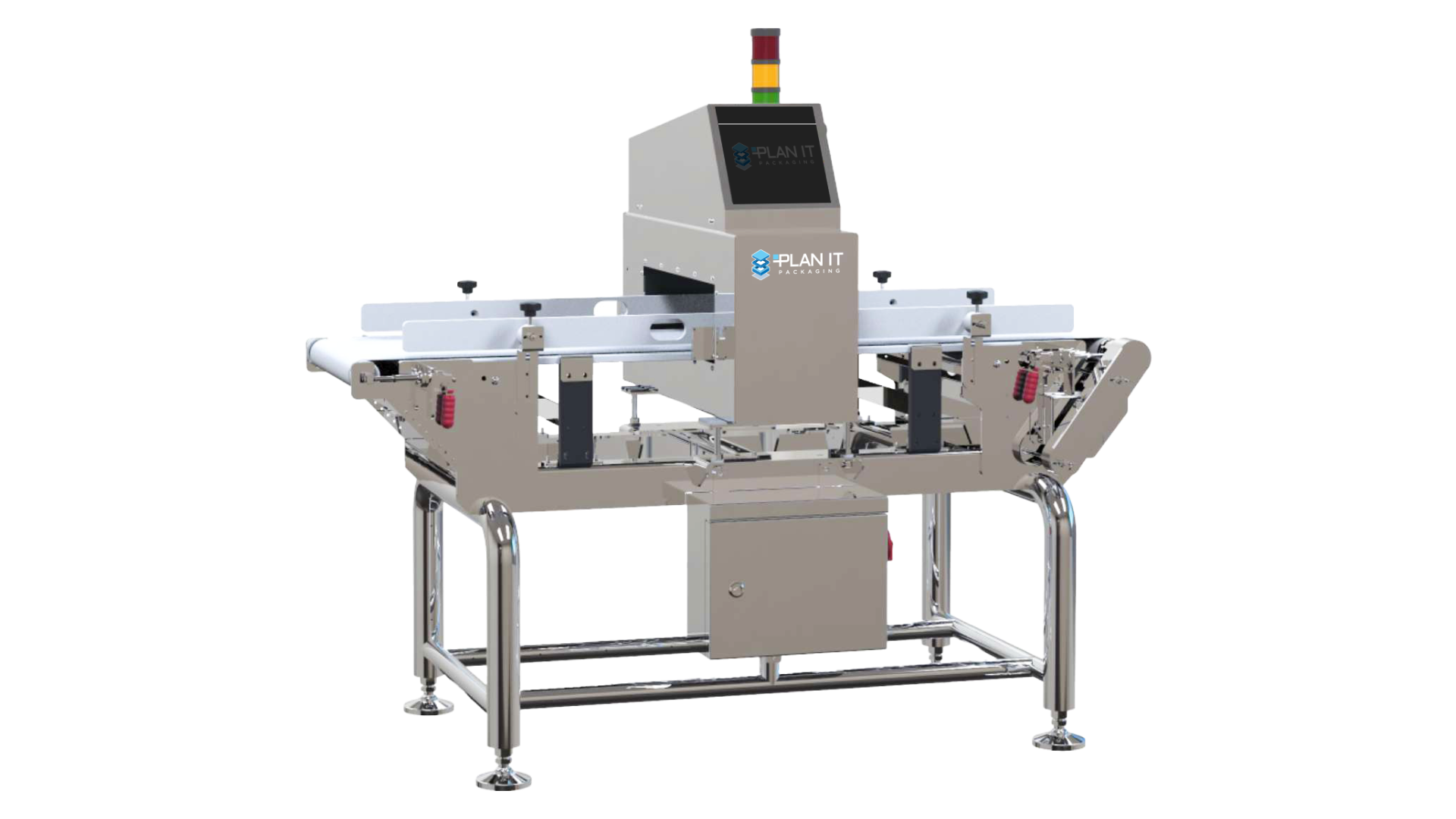
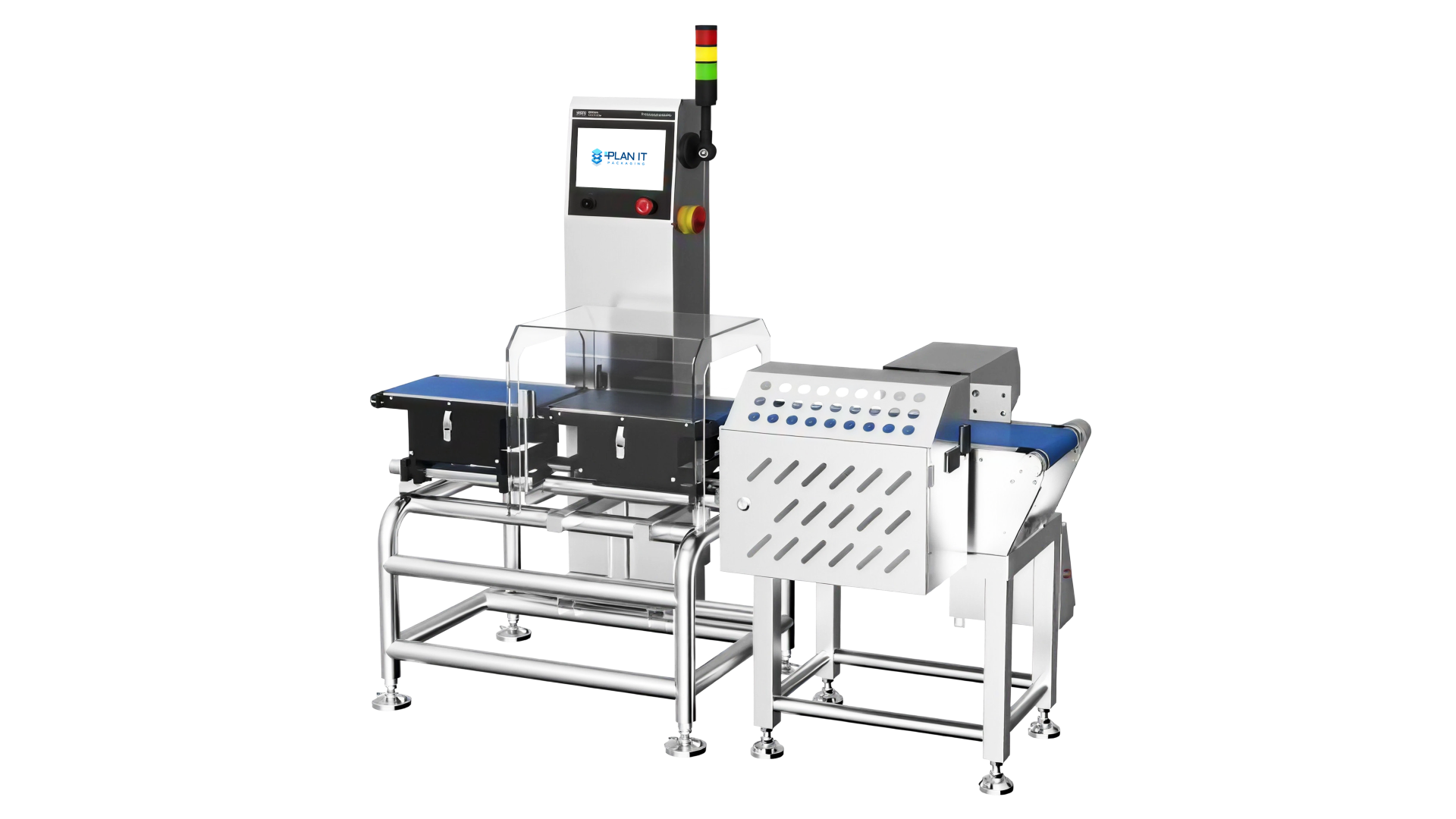
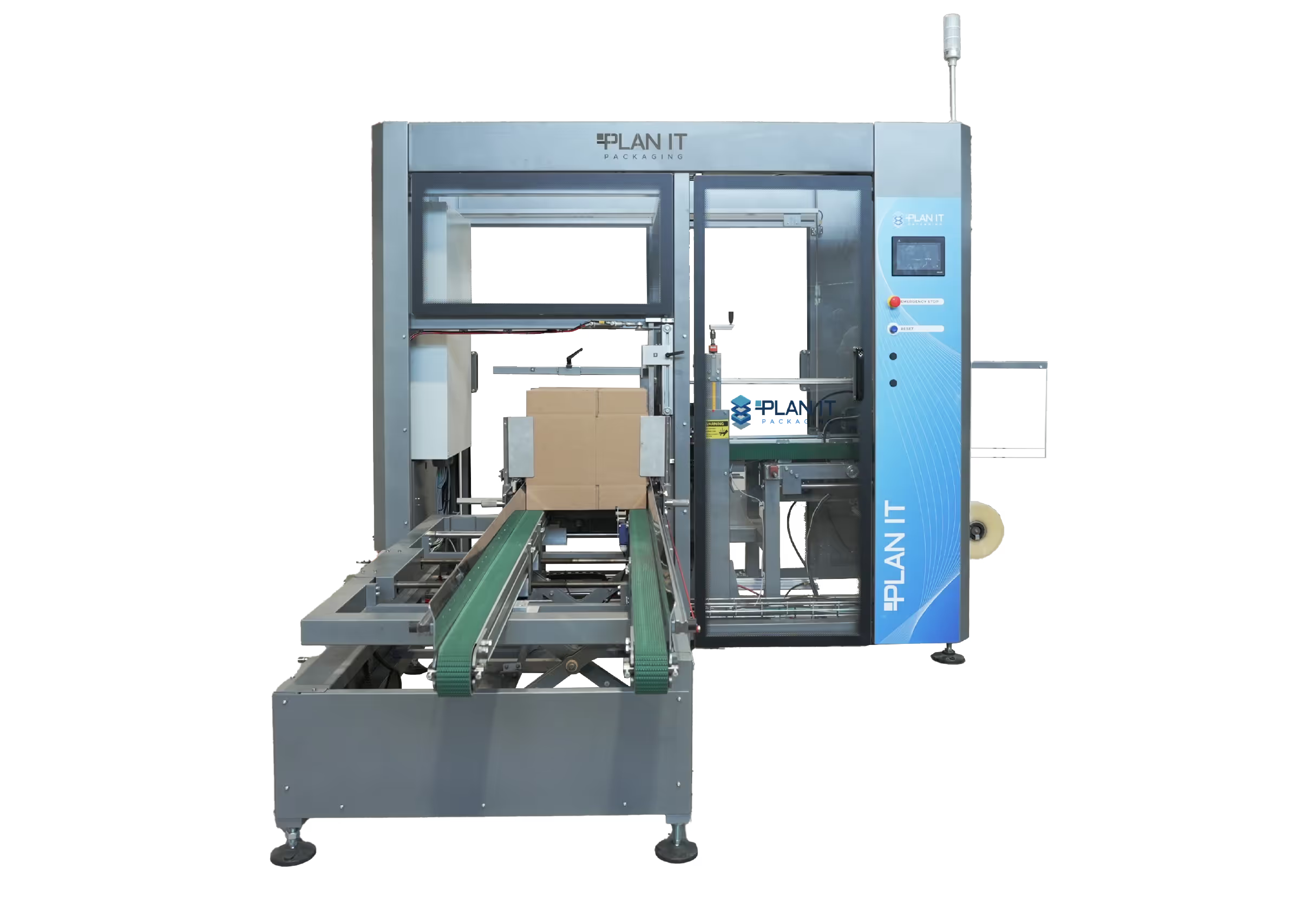
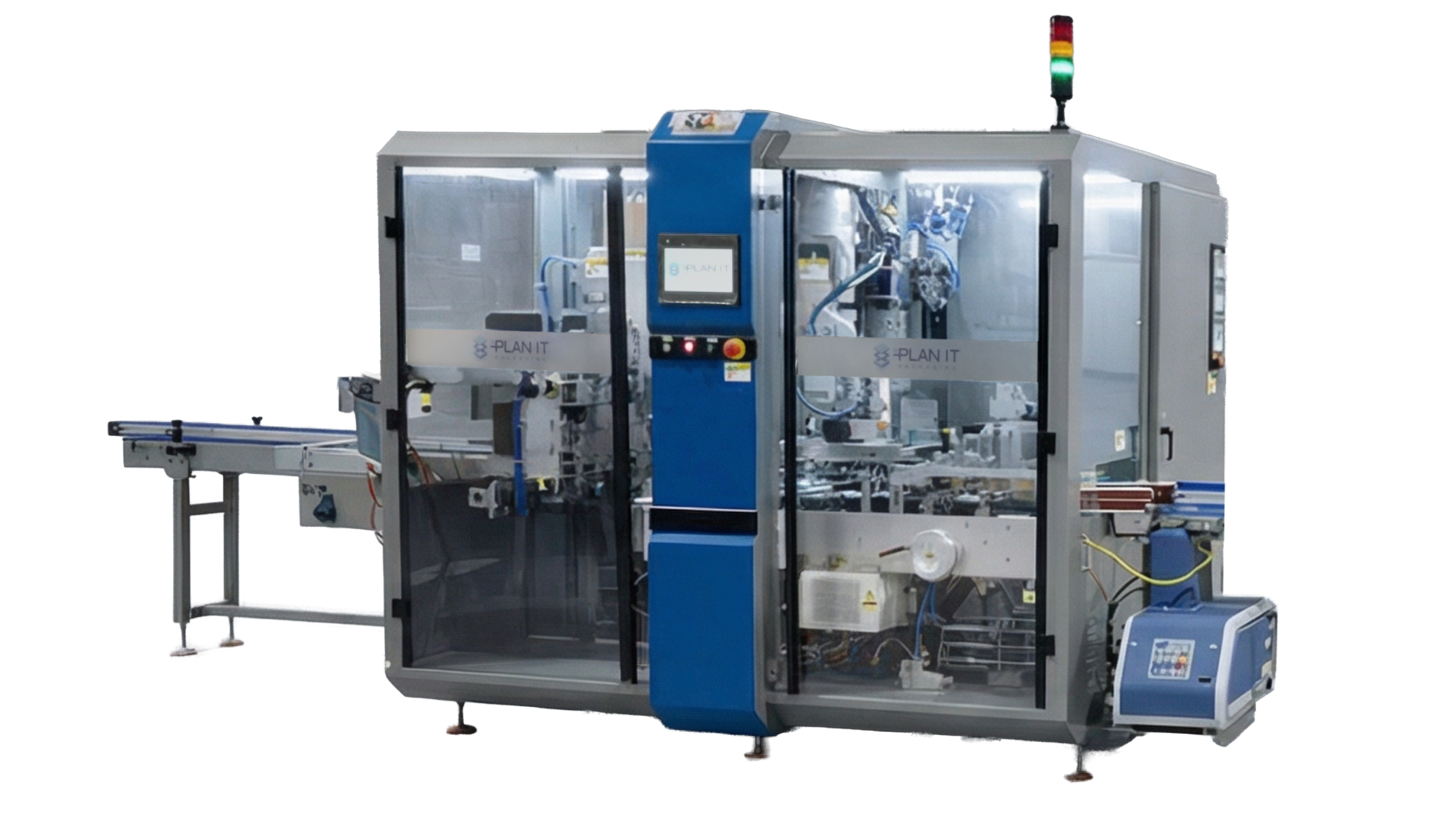
Repack and co-pack lines near the ports don't get downtime. We build Mars Series VFFS baggers to form and seal flexible pouches for grocery and snack items at that pace, and our automatic case packers handle the cartoning and casing before palletizing and outbound freight. Grocery distributors here know their SKU counts cold; what they need from us is every case moving to the dock on schedule. A recent case study on scaling food-production packaging capacity outlines the kind of throughput gains this corridor's shippers are chasing. Our broader solutions lineup adds checkweighing and inspection at the case level, so a grocery distributor can verify count and weight before goods leave a Compton warehouse for retail shelves across the region.


.avif)




%203.avif)


.svg)
.svg)
