The country's second-busiest container port sits at Long Beach, and its export volume is why packaging automation matters here: product has to be boxed, palletized, and container-ready in time for each sailing, on the shipping line's schedule rather than the plant's own. That scale grew out of a manufacturing base most people don't associate with this part of California today. An auto assembly plant ran here from 1929 until 1960, and an aircraft manufacturer built its largest plant in Long Beach during the same era, more than 1.4 million square feet turning out transport planes and bombers in World War Two and commercial aircraft afterward. Oil production, a Navy shipyard, and wartime manufacturing pulled workers into the city for decades, and that industrial base never really left; it just moved into shipping containers instead of factory floors.
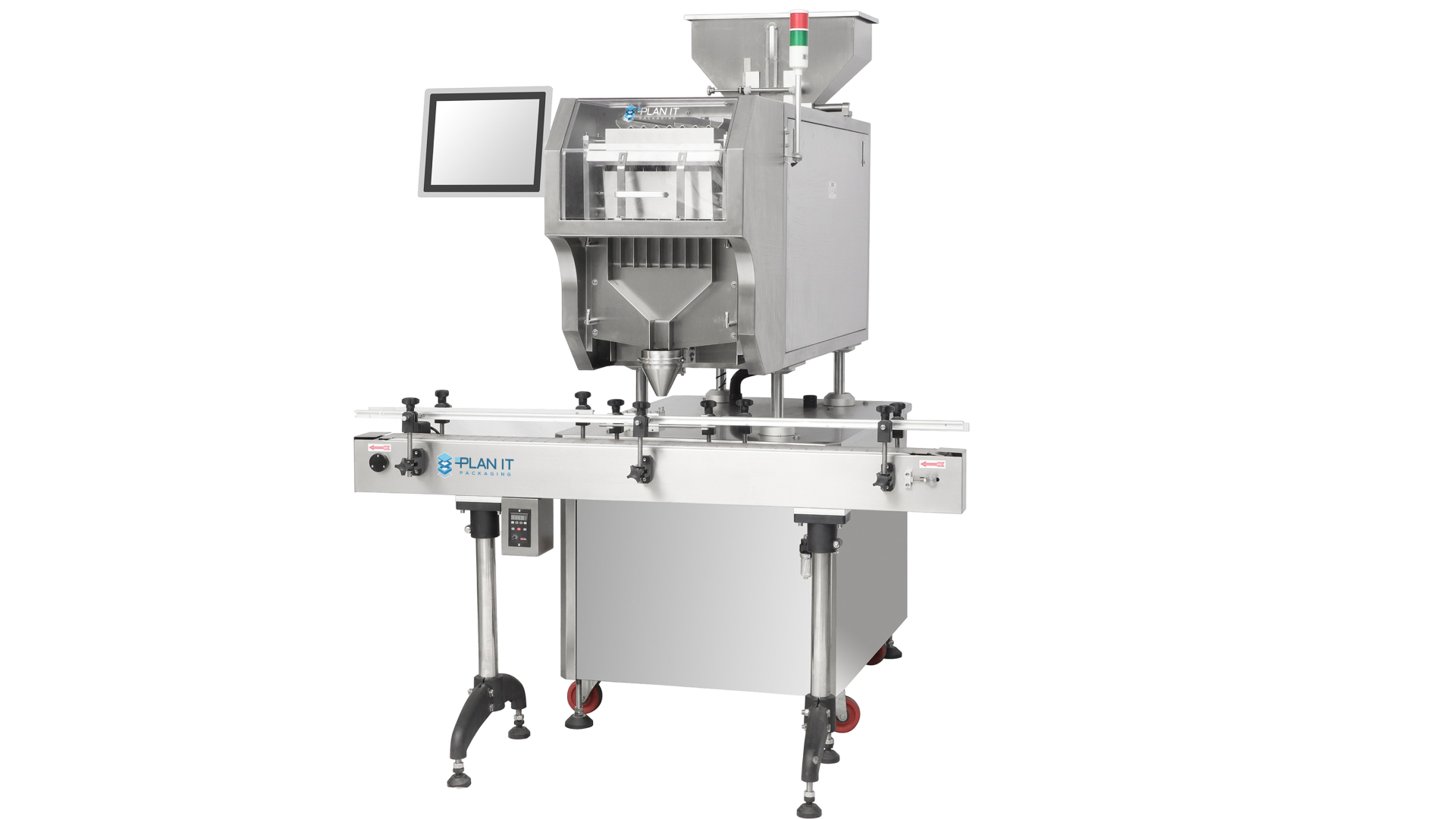
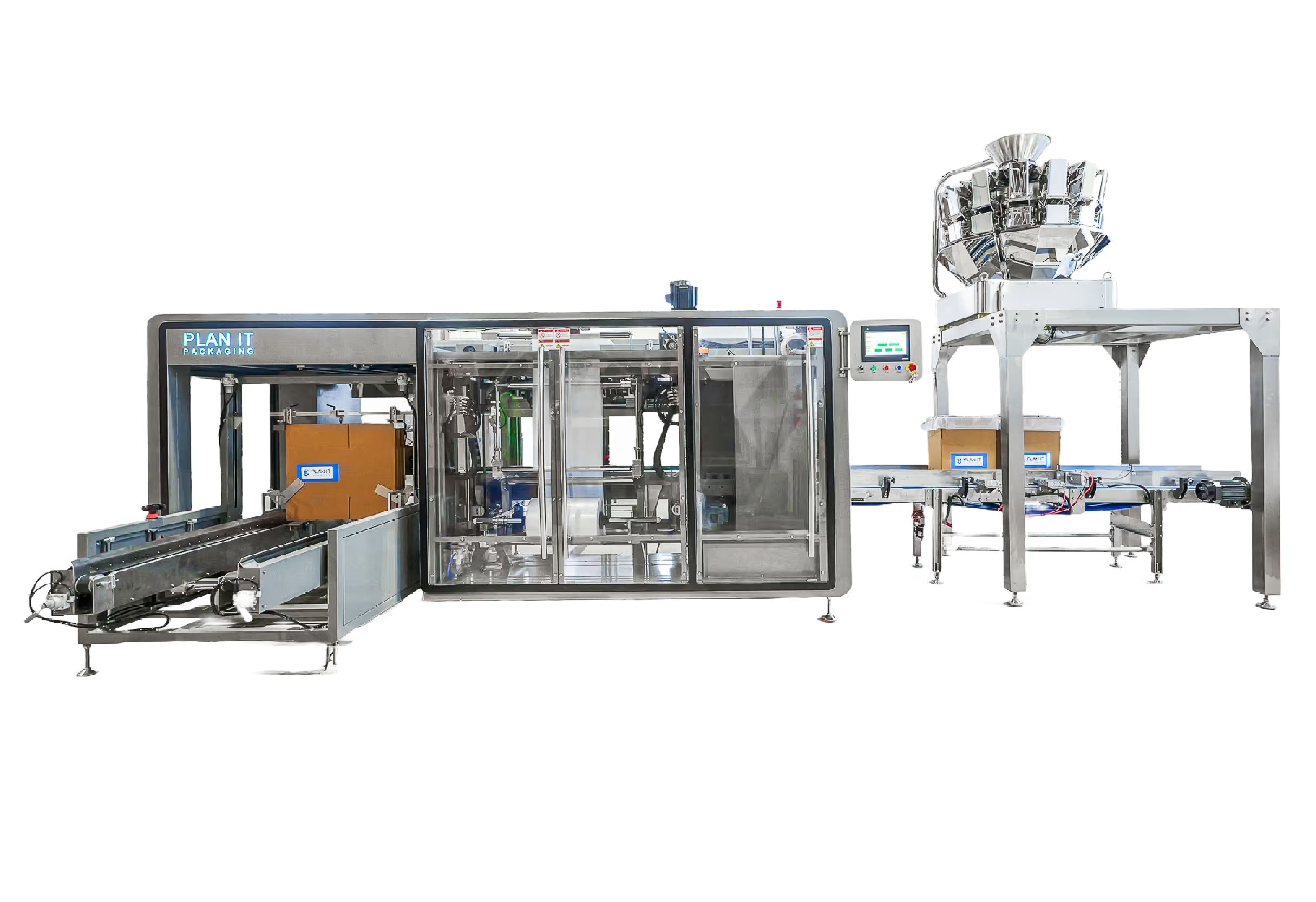
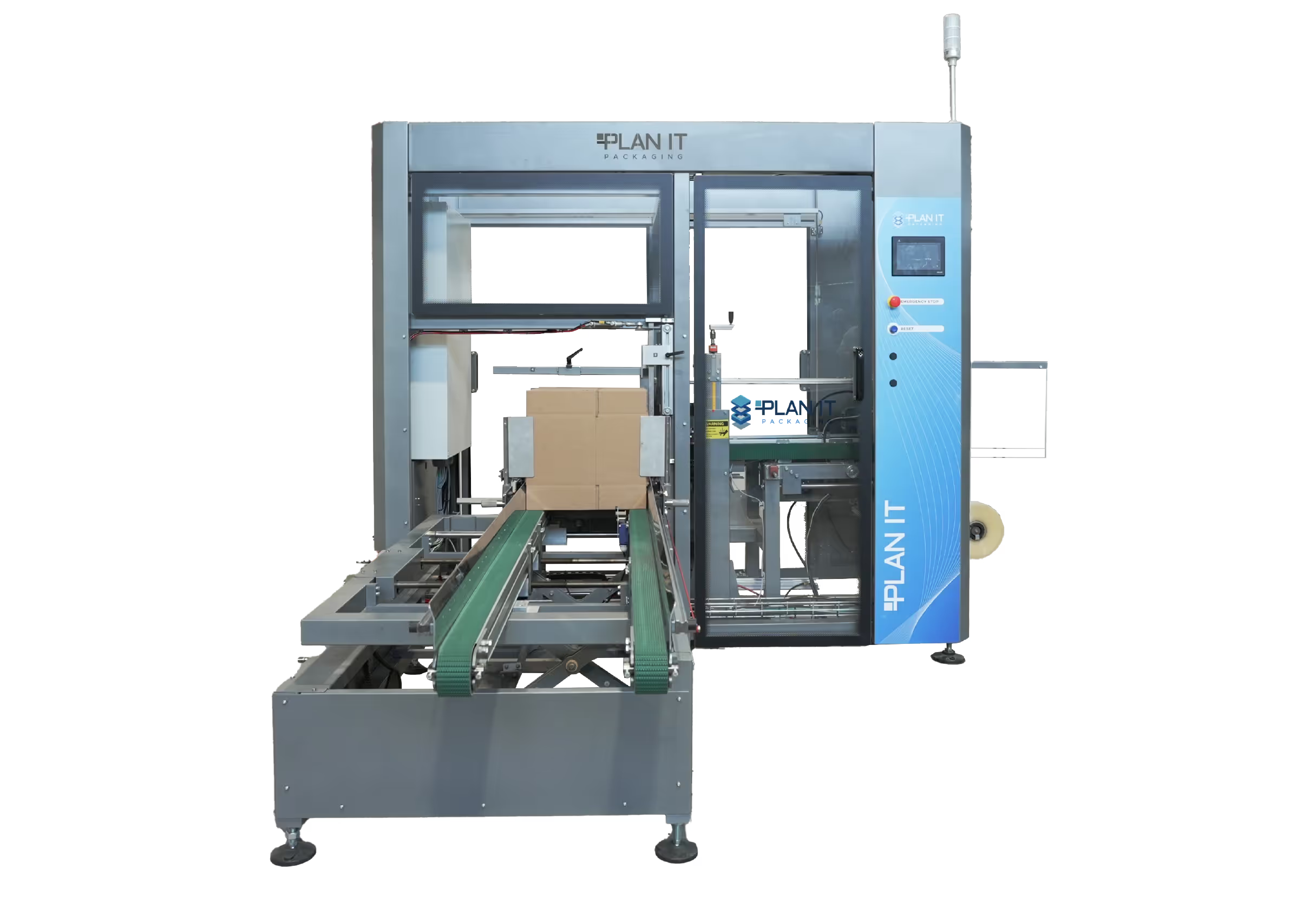
A Mars Series VFFS machine covers the fill-and-seal side for bagged product moving through the port, while an automatic case packer and a PackMaster cobot palletizer take over from there, building cases and pallets to the dimensions an ocean carrier needs without adding shift labor. If your product ships out of Long Beach in volume, palletizing is usually the bottleneck long before the port itself ever becomes one. PLAN IT has done exactly that kind of rebuild for a co-packer, turning a manual pack line into cases and pallets sized to container dimensions instead of guesswork, the same shift a Long Beach exporter needs to make to keep its own line ready for the shipping schedule. Container schedules don't wait. We size these lines to your actual export volume, so manufacturers and co-packers near the port get one that grows with container volume instead of becoming the bottleneck behind it.


.avif)




%203.avif)


.svg)
.svg)
