A former Air Force base closed in 1992, and Victorville redeveloped its runways into the Southern California Logistics Airport, SCLA for short, rather than leaving them empty. Packaging automation fits naturally into a site built deliberately around distribution and robotics. SCLA is now Victorville's largest single employer, running 2,073 jobs on-site as a logistics and aviation-maintenance complex. The connection to automation goes back further than the warehouses: in 2007, those same runways hosted a $2 million autonomous-vehicle robotics competition, run through the streets of the redeveloped base and won by a university engineering team driving a car with no one behind the wheel. Victorville itself began in 1885 as a railroad siding named Victor, and the city has spent more than a century layering one transportation and logistics upgrade on top of the last.
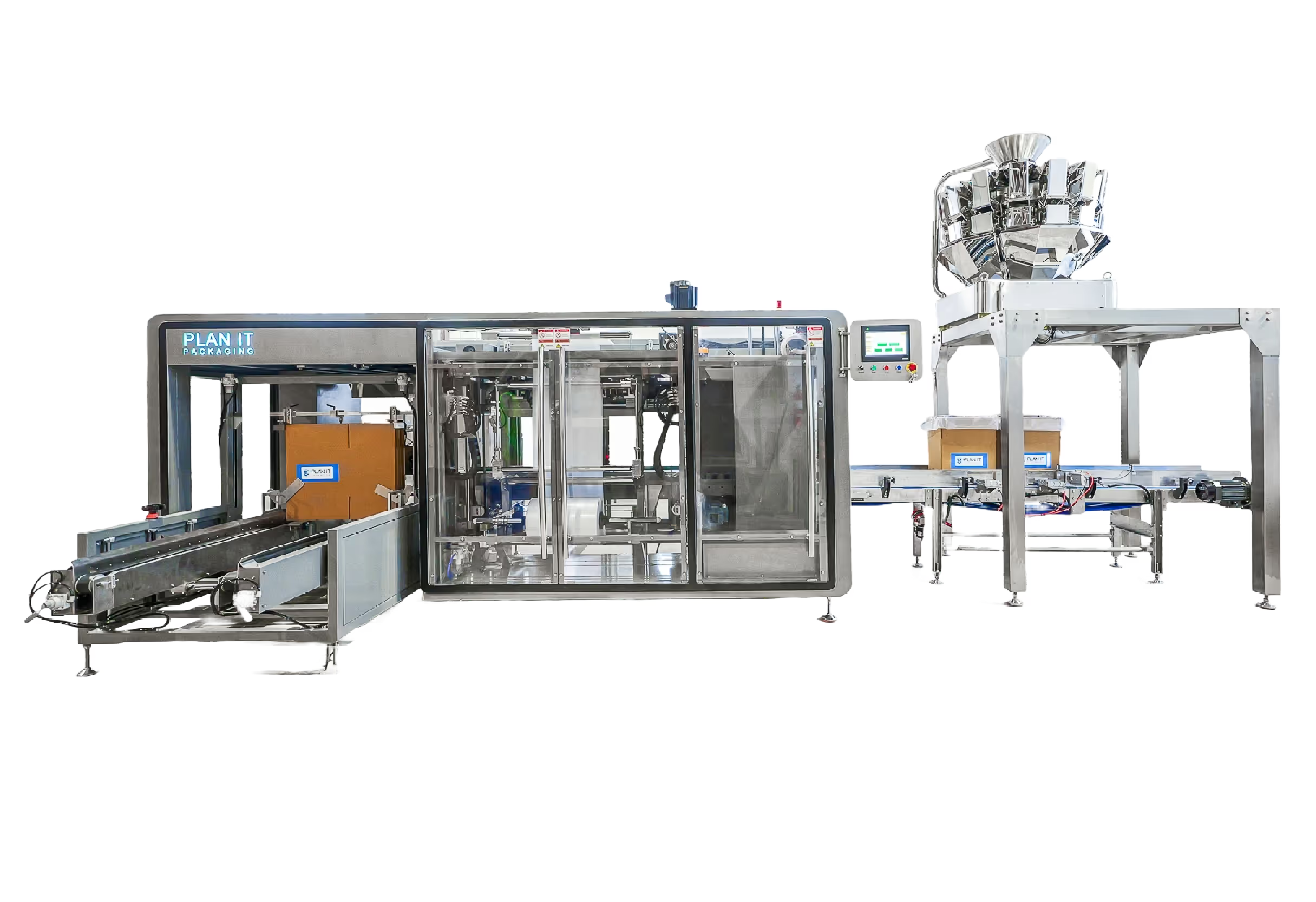
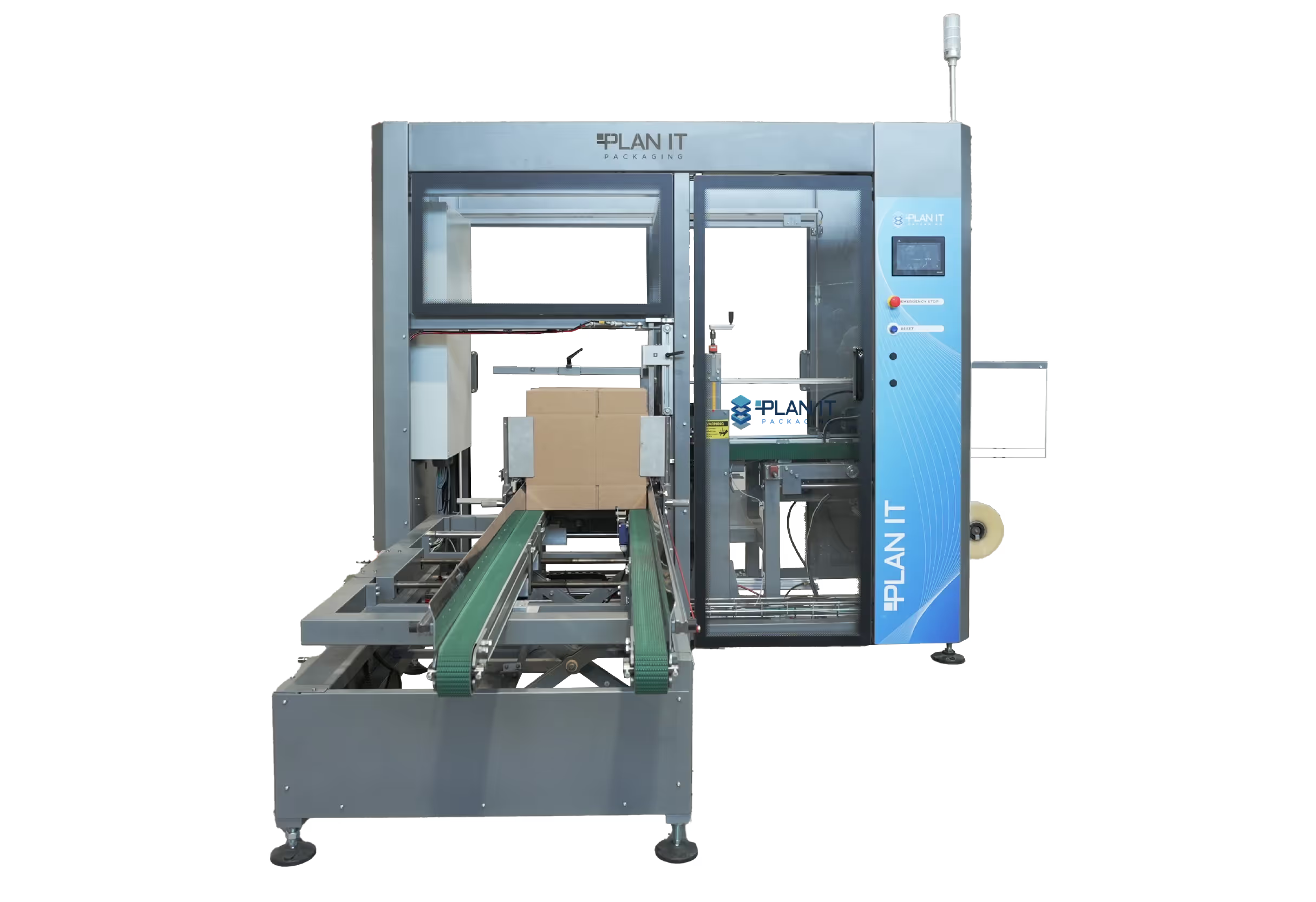
We don't have a plant of our own in Victorville, but SCLA's logistics and industrial-redevelopment footprint makes it a logical stop for manufacturers and distributors moving product through the High Desert toward Southern California destinations. SCLA doesn't slow down for hand-packed cases, so we build the case-forming, case-packing and palletizing line that matches its pace. A PackMaster cobot palletizer fits the end of a line handling that volume, stacking cases faster and more consistently than a manual crew working a dock shift, and a case former sets up the cartons that an automatic case packer then fills and seals before product ships. We equip California operators at every stage of the line, from case erecting to final palletizing, matched to whatever you're trying to automate next. Given how much of Victorville's identity already runs on automated systems, from the old Air Force runways on down, packaging automation is a familiar idea here, not a hard sell.


.avif)




%203.avif)


.svg)
.svg)
