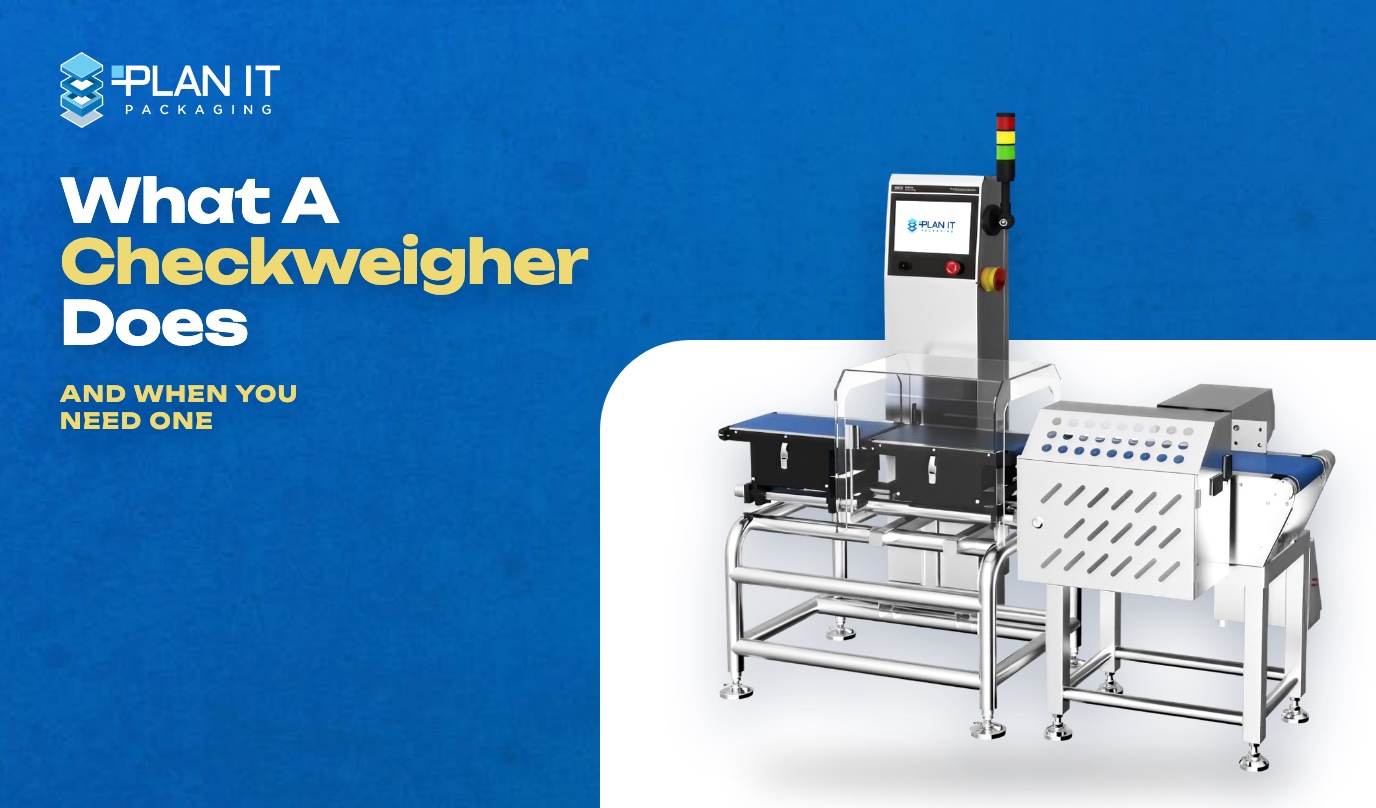
Every package that leaves your line carries a promise: the weight on the label. A checkweigher is the machine that measures the weight of each package as it moves and flags any pack that falls outside the limit you set. It is a quiet safeguard that works on every single unit.
Checkweighing means weighing a finished package and comparing that weight against a target. The package passes if it sits inside an accepted window. It fails if it is too light or too heavy.
A checkweigher is the machine that does this automatically. In plain terms, it is a machine that measures the weight of each package on the line and sorts the result into pass or fail. Some references describe it as a device that measures the weight of commodities in motion. The idea is the same either way.
The job sounds simple. The value is not.
An underweight pack can mean a short-filled product, a missing component, or a customer who feels cheated. An overweight pack means you gave away product you could have sold. A checkweigher catches both, on every unit, without an operator lifting a scale. Used well, a checkweigher system helps a plant protect weight compliance and improve line efficiency at the same time.
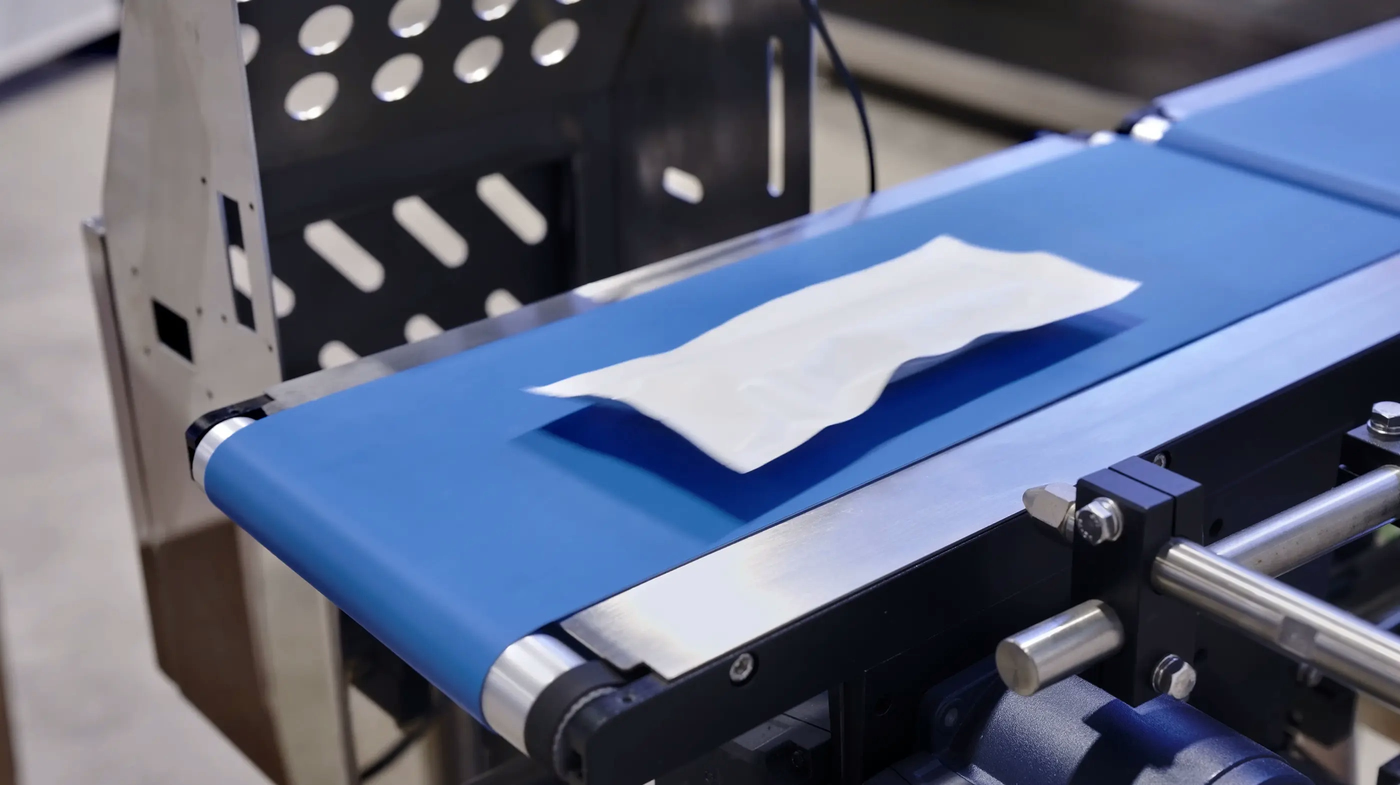
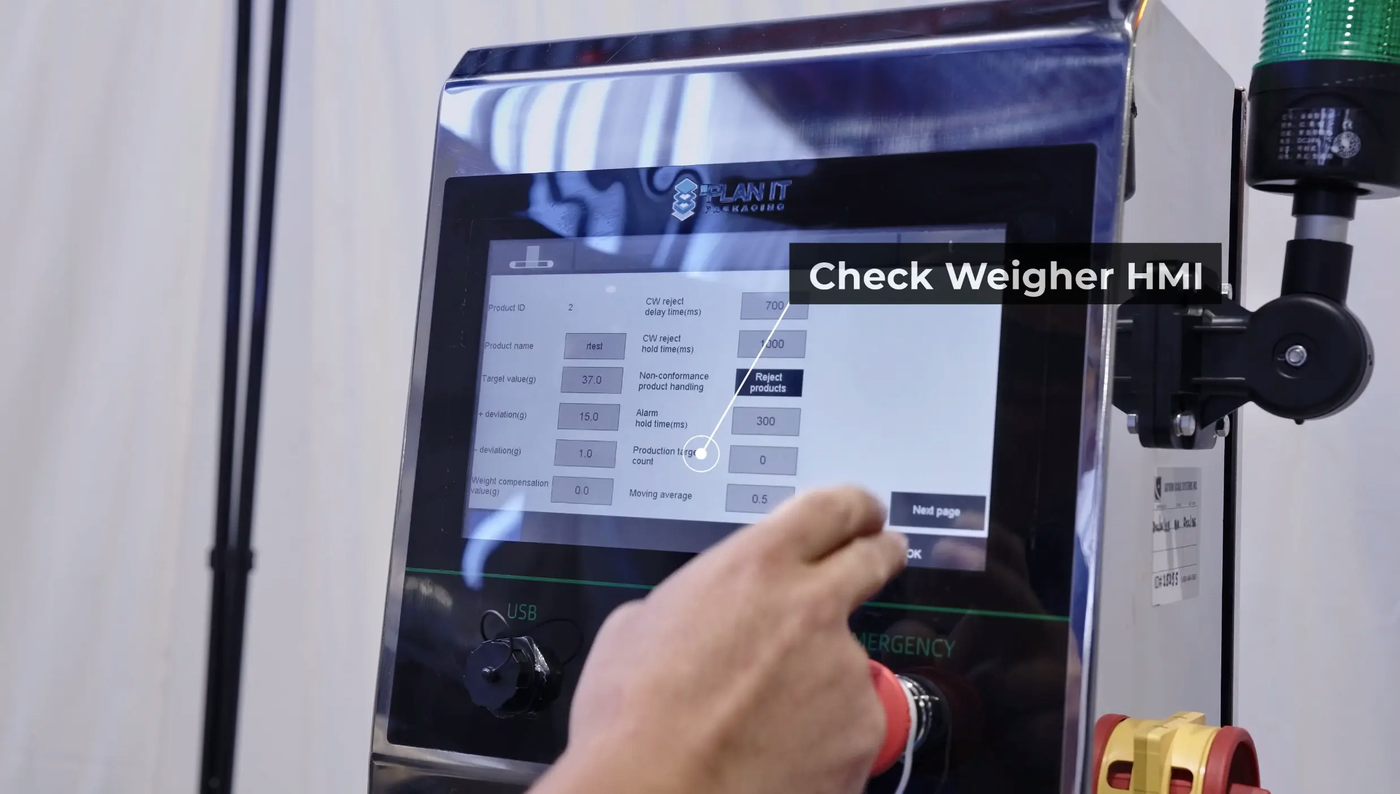
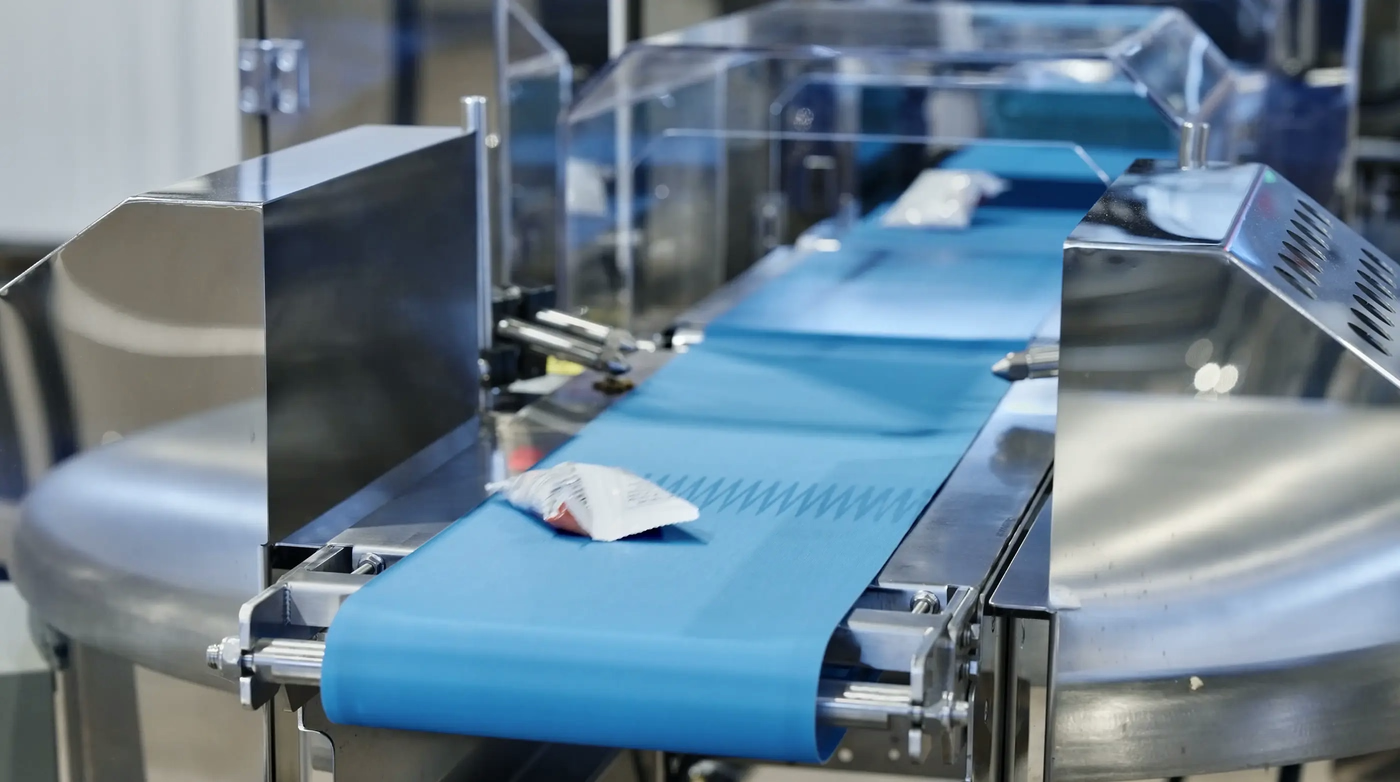
A dynamic checkweigher weighs product while it is moving, so the line never has to stop. A typical checkweigher system has three parts working together:
When a pack reads outside the window, the control signals a reject device. The failed pack is pushed into a bin or diverted to a separate lane. The passing packs continue down the line. This helps ensure every shipped package meets its labeled weight. The result is weight verification on packaging machinery that runs at line speed, not a manual spot check on a sample.
PLAN IT Inspection Systems' CheqWeigh check weigher, for example, runs at speeds up to 60 meters per minute, which keeps weight checking in step with fast packaging lines.
There are two broad families, and the difference matters when you choose one.
Within the dynamic family, machines are usually sized by the product they handle: small bags and pouches, rigid containers and jars, or large cases and bundles at the end of the line. The right type depends on pack size, weight range, line speed, and whether the environment needs a washdown rating for wet or cold areas.
This is the point most buyers get wrong. A checkweigher checks weight. It does not check what is inside the package.
If a metal fragment and a missing chunk of product happen to cancel out on the scale, the weight can still read fine. That is why weight checking and contamination detection are separate jobs, handled by separate machines. Each one covers a gap the others cannot.
Many food plants run a checkweigher alongside a metal detector and an x-ray inspection system. The three integrate into one end-of-line inspection zone, and together they cover weight, metal, and other foreign material.
In the United States, the weight on your label is not a suggestion. It is a legal declaration.
The Fair Packaging and Labeling Act requires consumer products to carry a clear, accurate declaration of the net quantity of contents. For foods, the Food and Drug Administration sets the detail in 21 CFR Part 101, including section 101.105.
How that declaration is checked follows NIST Handbook 133, which covers how packaged goods are inspected for net contents. Two ideas drive it:
A checkweigher helps you meet both. It records the weight of every pack, which supports the lot average, and it catches the individual short pack before it ships. That is the difference between hoping a sample was representative and knowing what every package weighed.
Giveaway is saleable product filled above the target. A little extra on one bag seems harmless. Across a year, it is real money.
Consider a snack plant running a 250 gram labeled bag. To stay safely clear of underweight packs, the filler drifts high and averages 258 grams. That is 8 grams of giveaway on every bag.
The line runs at 120 bags per minute, 16 hours a day, 5 days a week.
At a product cost of 2 dollars per kilogram, that is about 9,216 dollars of product given away every week.
Now add an automated checkweigher with feedback control to the filler. When the running average drifts high, the checkweigher signals the filler to pull the fill back toward target. Suppose that tightens the average from 258 grams to 253 grams, still a safe 3 gram cushion above the label.
The numbers here are an example, not a quote. Your product cost, line speed, and fill variation will differ. The point stands: feedback control corrects drift and trims giveaway, while still protecting you against underfilled packs. It does not remove normal variation in the filler, and it does not replace your legal weight-control duties.
Not every operation needs an automated check weigher on day one. These signs usually mean it is time to look:
If two or more of these describe your plant, a checkweigher usually pays for itself through recovered giveaway and fewer rejected shipments. In almost any high-volume packaging industry, from snacks to pet food, that payback comes from the product you stop giving away and the efficiency you gain from fewer line stops. Choosing the right weigher comes down to pack size and weight range, line speed, accuracy needs, the plant environment, and how the data should feed the rest of your packaging machinery.
Weight control and food safety overlap, but they are not the same.
Under FDA 21 CFR Part 117, a covered food facility runs a hazard analysis and puts preventive controls in place where they are needed. FDA guidance describes metal detectors and x-ray systems as detection controls for physical hazards. Whether such a control is a formal critical control point depends on the facility's own food safety plan, not on the machine alone.
The Food Safety Modernization Act, passed in 2011, shifted US food safety toward preventing problems rather than reacting to them. Its Food Traceability Rule, issued under FSMA Section 204 and codified at 21 CFR Part 1 Subpart S, requires covered firms to keep detailed records tied to key tracking events so a food can be traced quickly during a recall.
Here is how a checkweigher fits. The checkweigher owns the weight and completeness layer. The metal detector and x-ray system own the contamination layer. The records they generate support the traceability and quality layer. An integrated inspection zone gives you weight verification and foreign-object detection in one pass, with data you can show an auditor.
A checkweigher is only useful if you trust its reading. Accuracy drifts over time from belt wear, temperature, vibration, and buildup, so a simple routine keeps it honest.
Follow the manufacturer's stated calibration method and interval for your specific machine and environment. A washdown line in a cold, wet area will need more attention than a dry one. If you are not sure what your line needs, our team can help you build a check routine that fits, through service and support.
A checkweigher is used to verify the weight of every package on a production line and to reject any pack that is too light or too heavy. It helps a plant meet net content rules, catch missing components, and reduce product giveaway, all at line speed without manual weighing.
The price of a checkweigher machine varies widely, because it depends on line speed, weight range, accuracy needs, reject type, and whether the machine needs a washdown build for wet or cold areas. A compact unit for a slow line costs far less than a high-speed system with feedback control to the filler. The honest answer is that a quote needs your line details, so the best step is a short conversation about your product and throughput.
You calibrate a checkweigher by running certified test weights across the moving belt and confirming the machine reads them correctly, then adjusting if it does not. Clean the weigh conveyor first so buildup does not skew the reading, verify the reject device fires on a failing pack, and log each check. Always follow the calibration method and interval your manufacturer states for that specific machine.
Checkweighing means weighing a finished package and comparing that weight to a target so you can pass acceptable packs and reject out-of-limit ones. Done automatically by a checkweigher, it turns weight control from an occasional sample check into a measurement on every unit that leaves the line.
A checkweigher is not just a scale on a conveyor. It is a weight record on every package, a brake on giveaway, and one layer of an inspection program that protects both your customers and your margin.
At PLAN IT Packaging, we believe weight checking belongs on every line that sells by net content. Because when every package is verified as it moves, your team can stop guessing about weight and focus on keeping production moving.
Let's PLAN IT Together! Tell us about your product, your line speed, and your weight range, and we will help you find the right checkweigher. Explore our check weigher systems or get in touch.