Arlington sits directly across the Potomac River from Washington, D.C., inside the Beltway corridor that carries federal commuters and freight into the district every day. The county is not a manufacturing address: its 2020 population of 236,434, up 14.9% from 2010, grew almost entirely around Pentagon and federal-agency jobs, and neighborhoods like Rosslyn are dense high-rise urban villages built for D.C. office work, not production floors. But the corridor runs both ways, and a few miles across the river, D.C.'s own food and beverage producers need packaging equipment built for real, daily volume, not a hobbyist's kitchen setup.
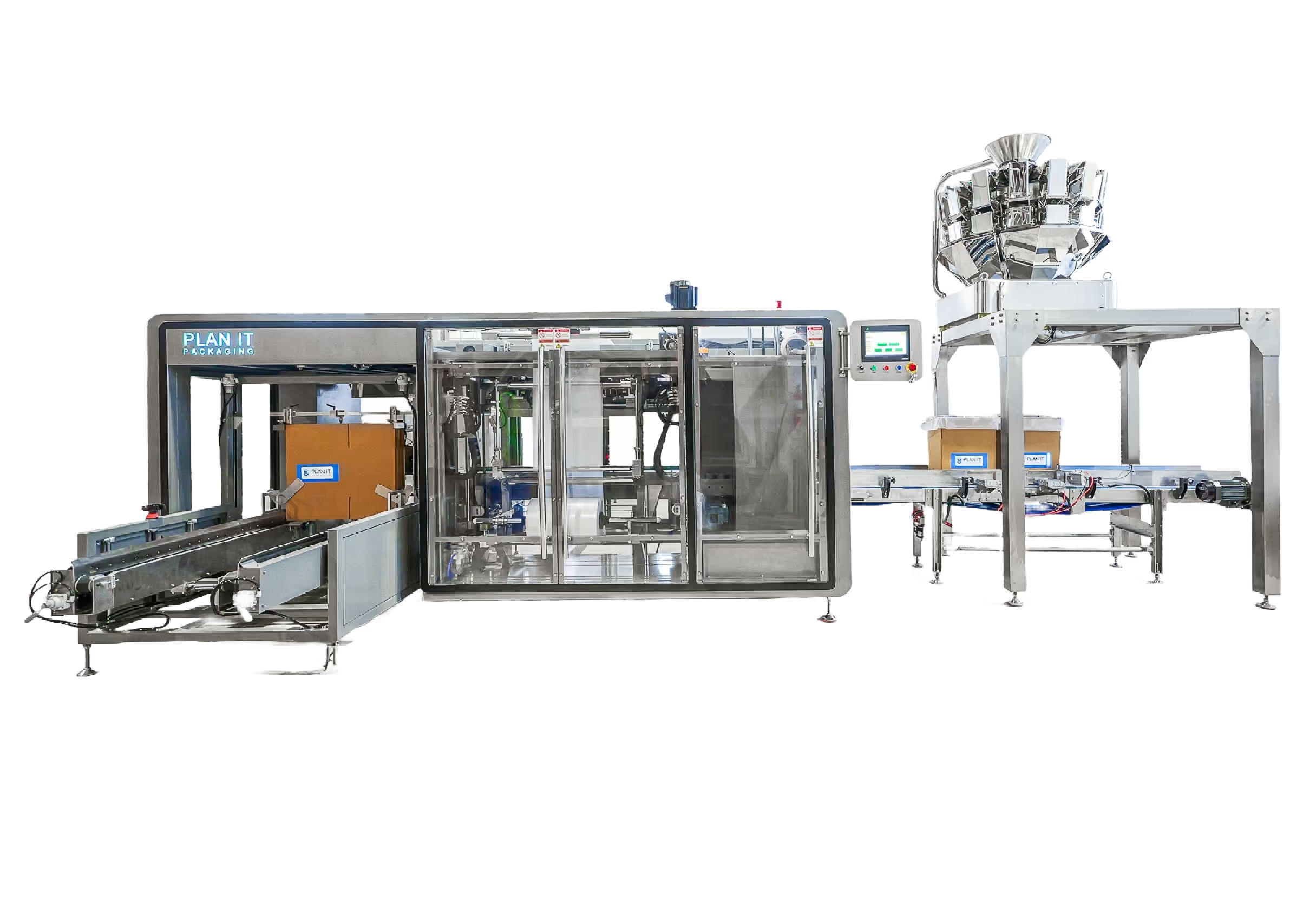
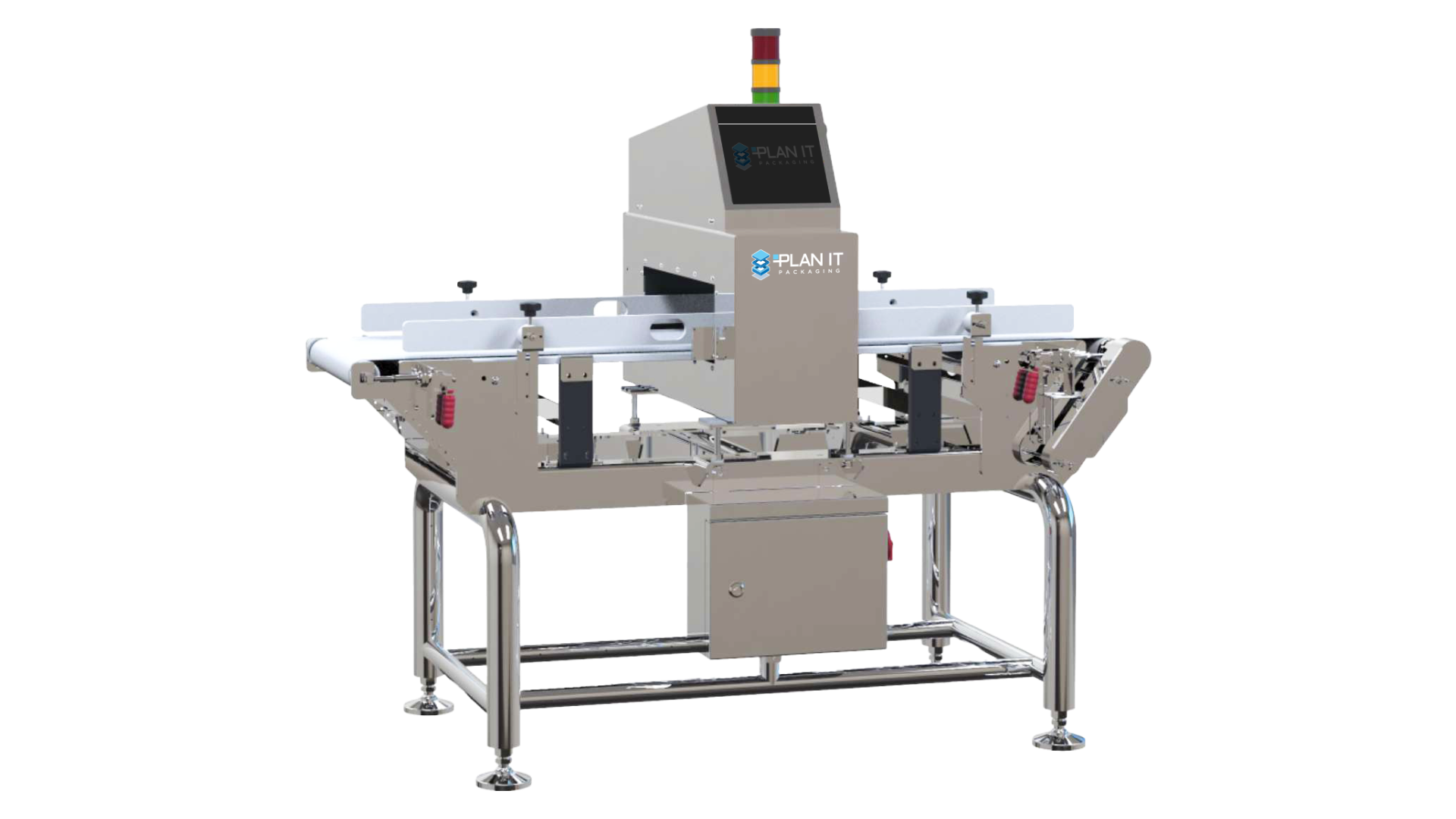
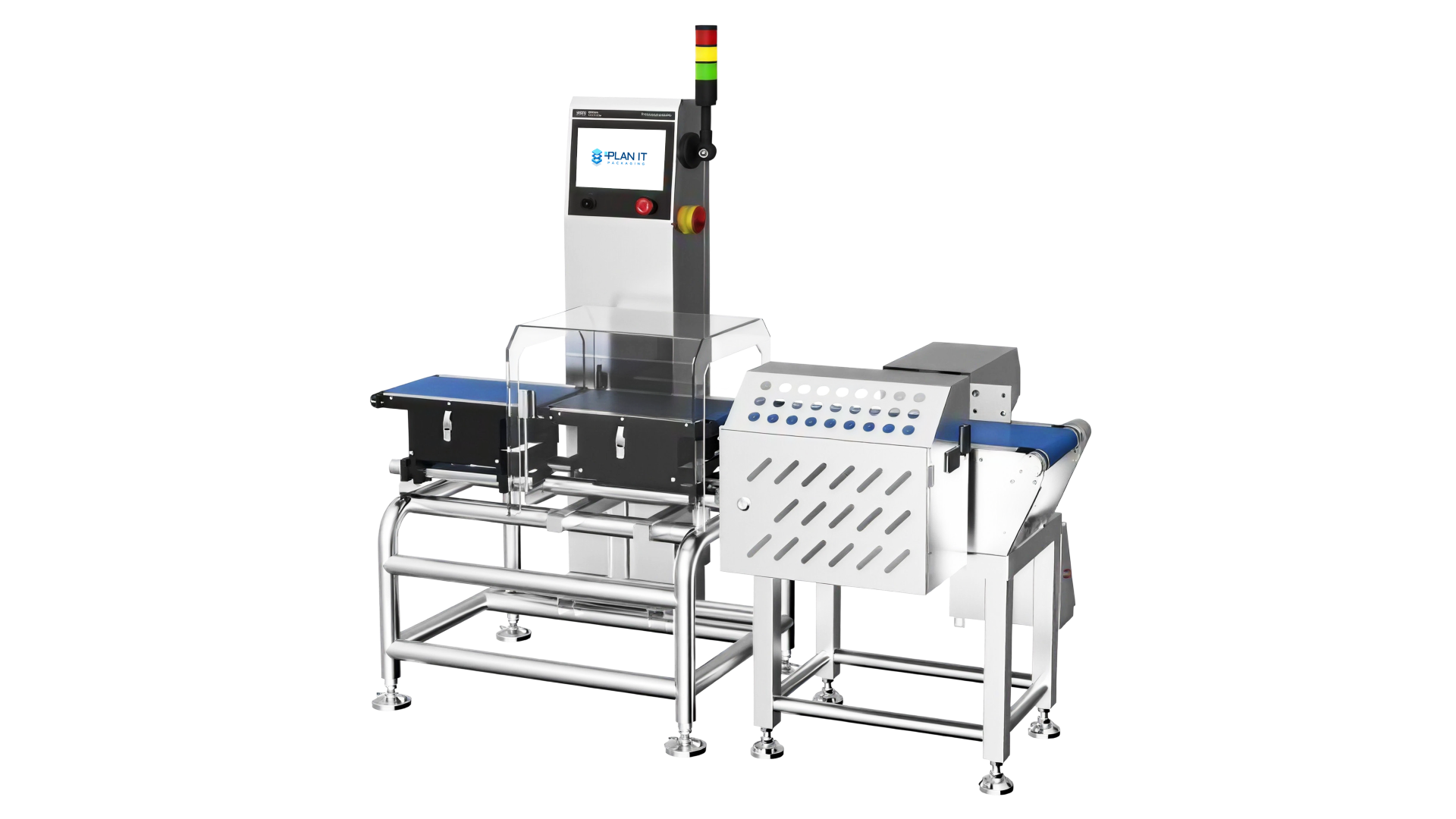
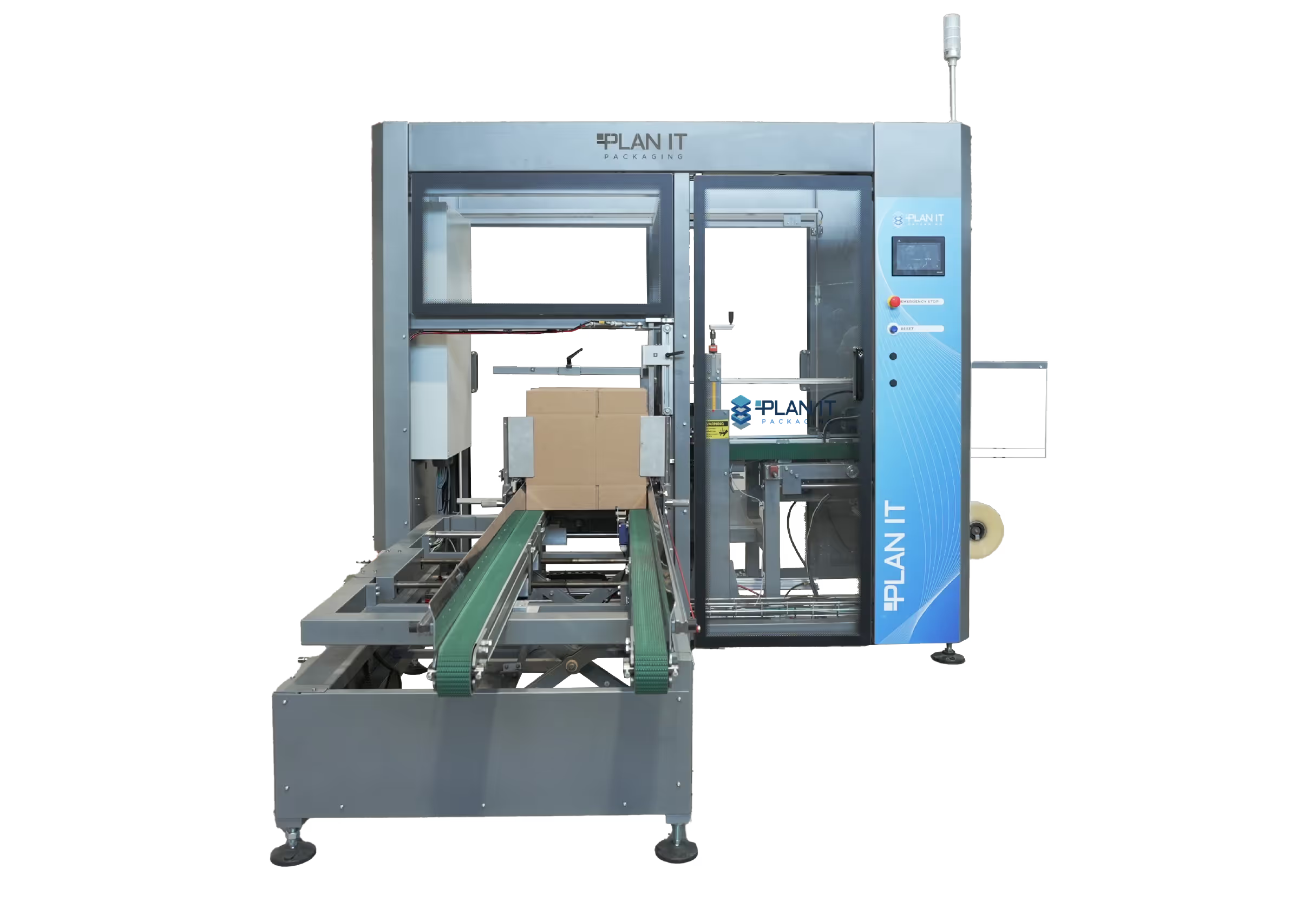
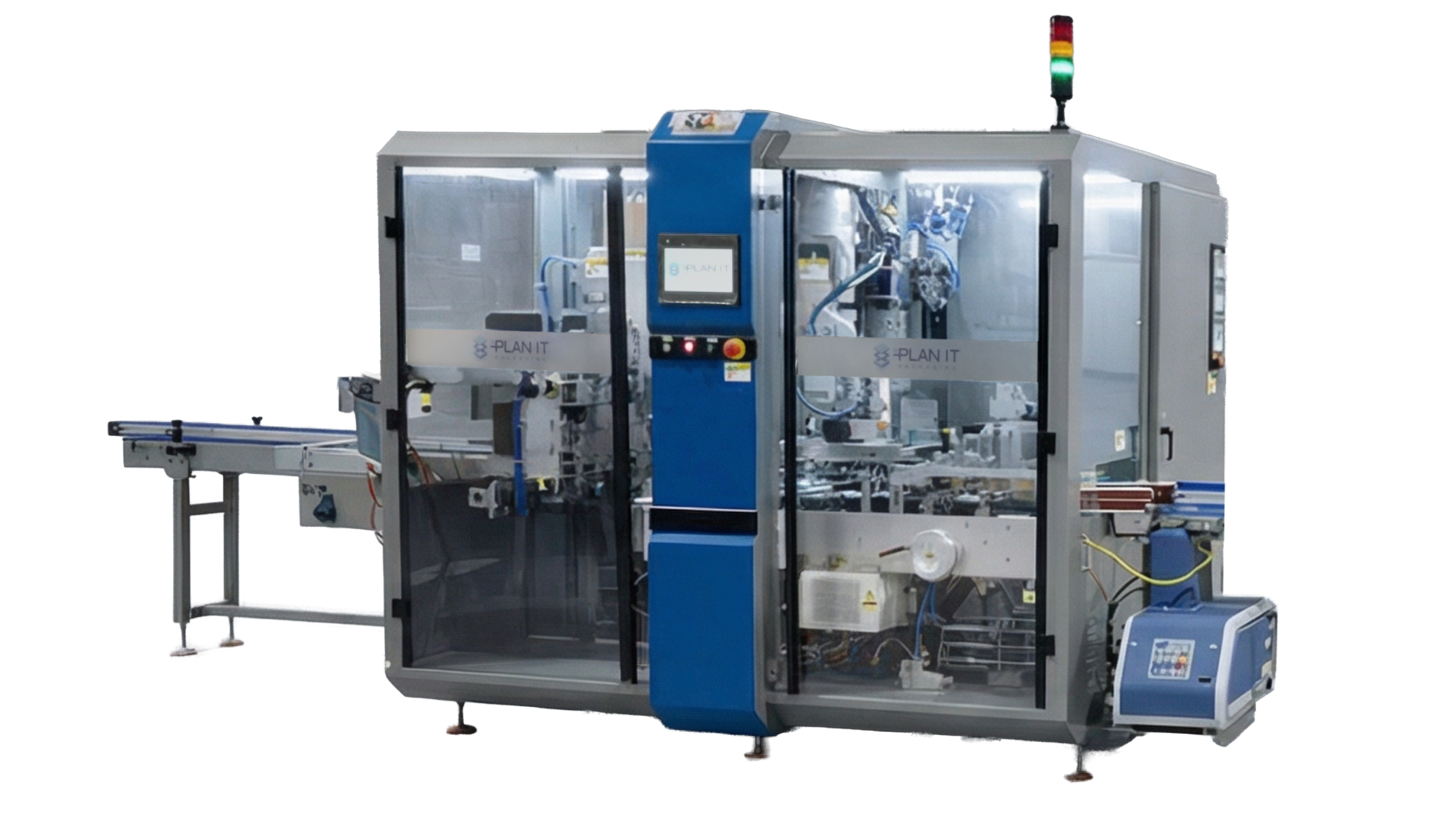
Bagging is the first problem across the river: a D.C. roaster runs a 50,000-square-foot facility in the Ivy City neighborhood, and a Mars Series VFFS bagger handles that ground-and-whole-bean volume at a scale a hand-fill line cannot match. Baked goods move faster still. A bakery known for its cupcakes runs a storefront in Georgetown plus a shipping and production annex in Sterling, Virginia, and a Pack Series flow wrapper wraps each fresh-baked, short-shelf-life item before a case packer builds the retail carton. Canning is its own discipline. D.C.'s first packaging brewery since 1956 has canned beer on its Northeast D.C. line since 2011, work that pairs a checkweigher with case-erecting equipment to keep can counts accurate at speed. Format decides the machine, not distance. If your D.C.-area roastery, bakery, or brewery runs one of those daily lines, we size the bagger, wrapper, or canning line around the volume that line is actually moving. A Georgetown cupcake baked this morning goes stale before a case ships from Sterling; that shelf-life math is what PLAN IT's wrapper solves, not the baker's. The case study on our site covers a comparable upgrade, and the VFFS, case packer, and solutions pages fill in specifics; our Virginia location and food and beverage industry pages cover the fuller range for producers serving Arlington and the D.C. corridor.


.avif)



%203.avif)


.svg)
.svg)
