Aurora built its economy on rail-shop discipline starting in 1855, and manufacturers moving into the city's industrial parks need that same discipline from their packaging equipment today, whatever they produce. A major railroad reorganized its roundhouse and locomotive shops in the city that year, and for generations those shops employed waves of European immigrant workers, eventually making Aurora the economic center of the entire Fox Valley region by the mid-twentieth century. The city had already made its mark decades earlier, too, installing one of the country's first all-electric street-lighting systems in 1881 and earning the nickname 'City of Lights' by 1908. None of that industrial base survived intact: when the railroad shops closed in the early 1970s, unemployment in Aurora reached sixteen percent by 1980 as factories relocated or shut down for good. The rail shops are gone. The turnaround came in the late 1980s, when business and industrial parks began filling in on the city's outskirts, the same sites where manufacturers now run their packaging lines. If you're one of them, your line needs to match the volume those parks were built for.
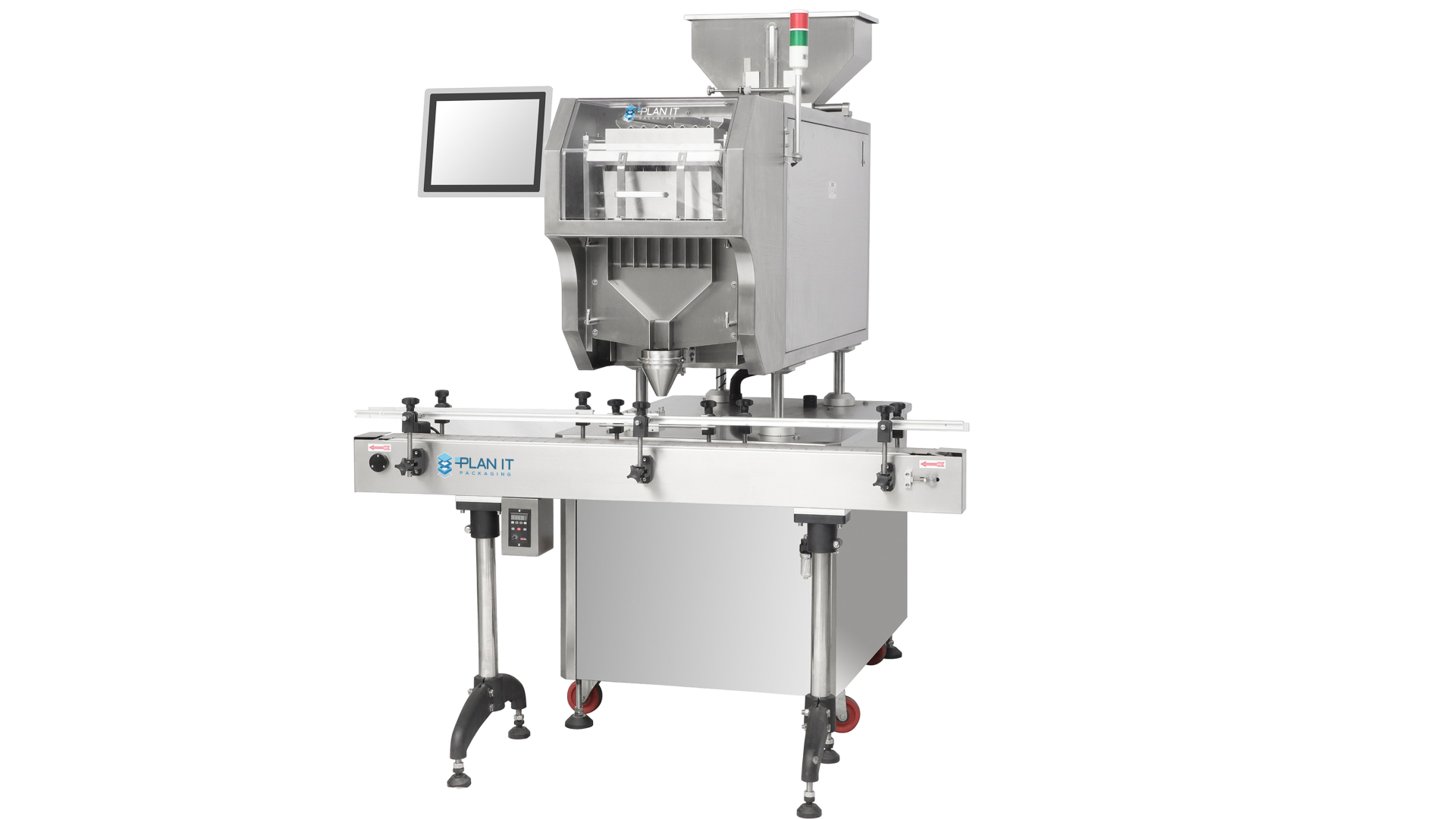
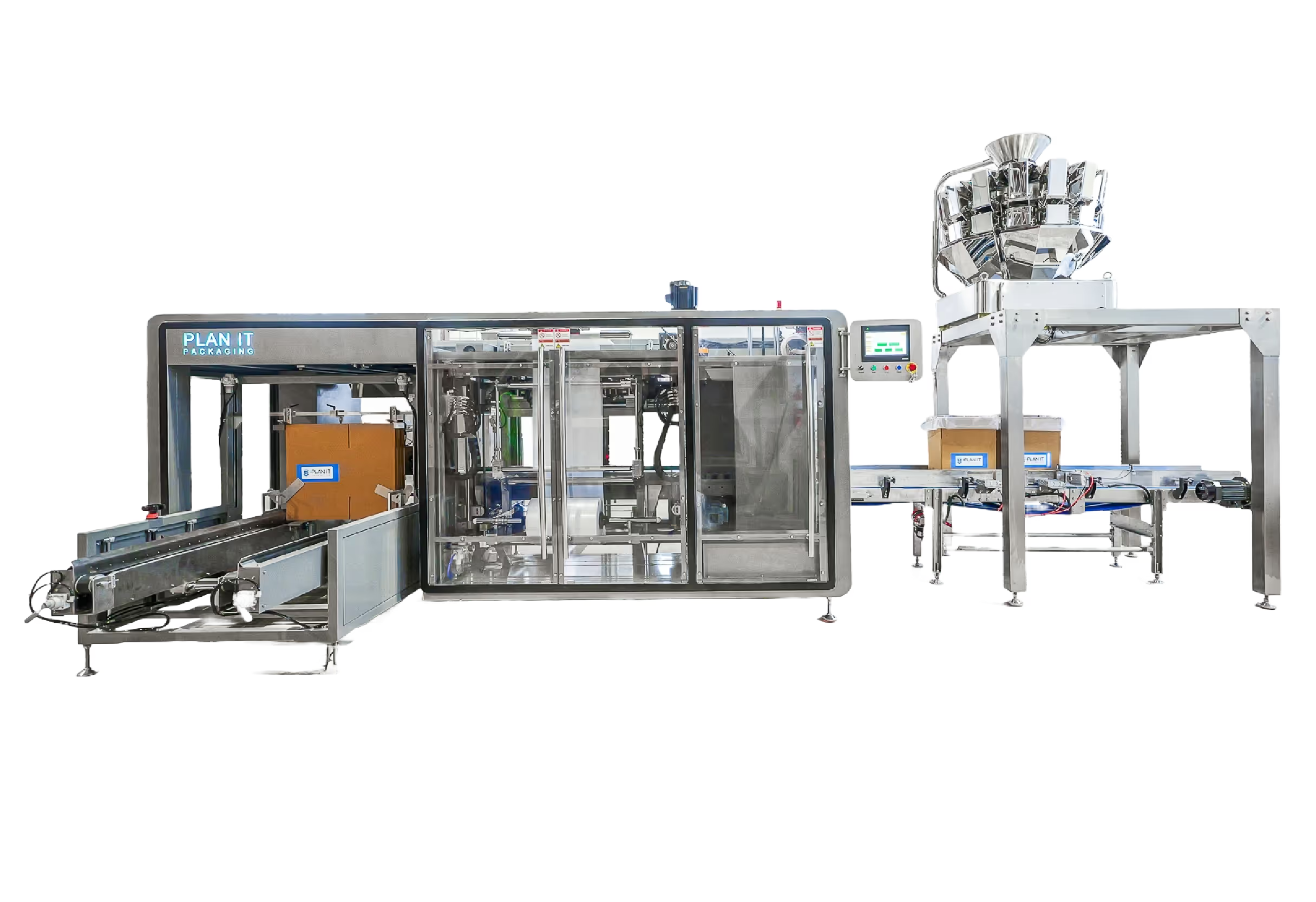
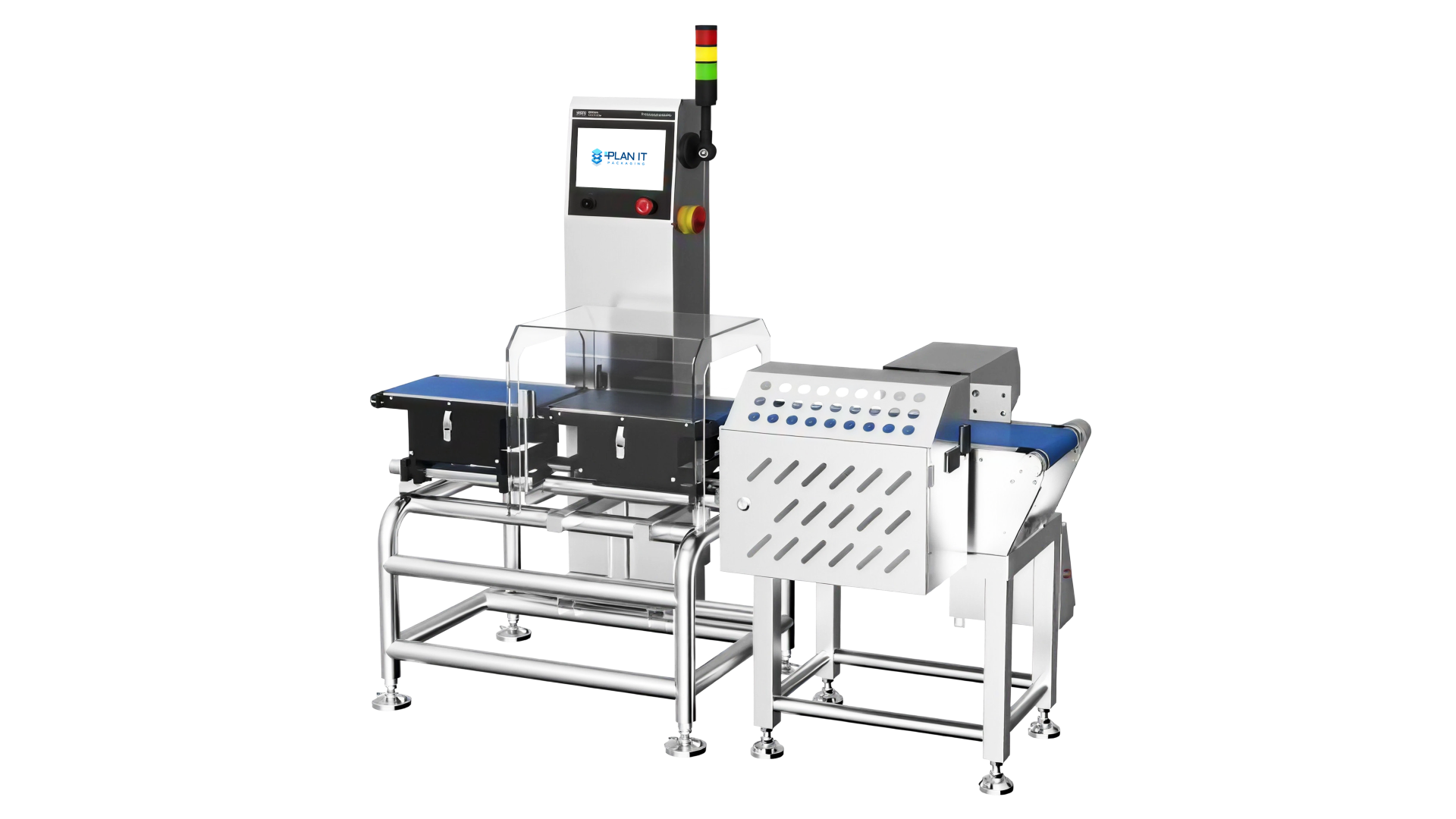
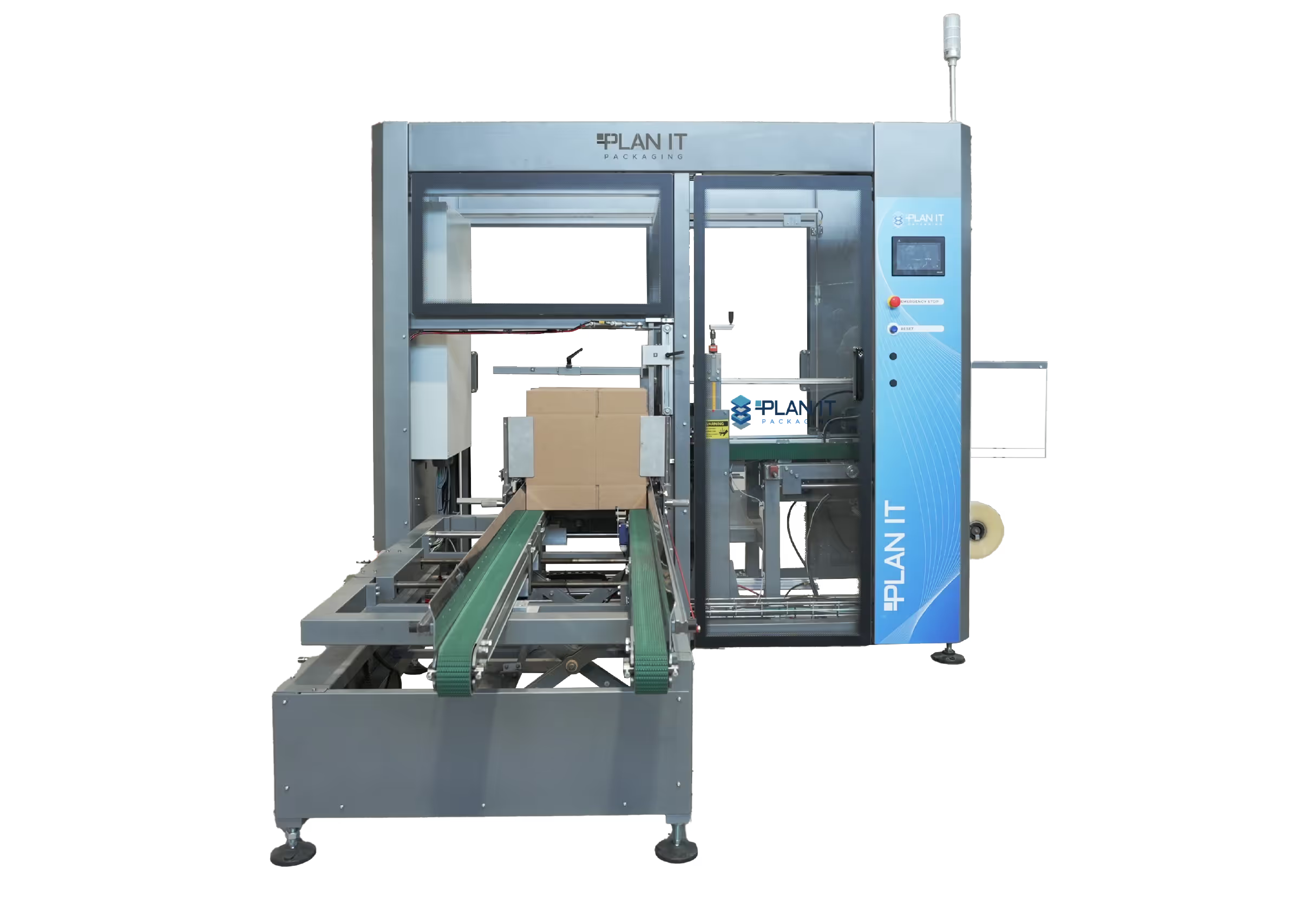
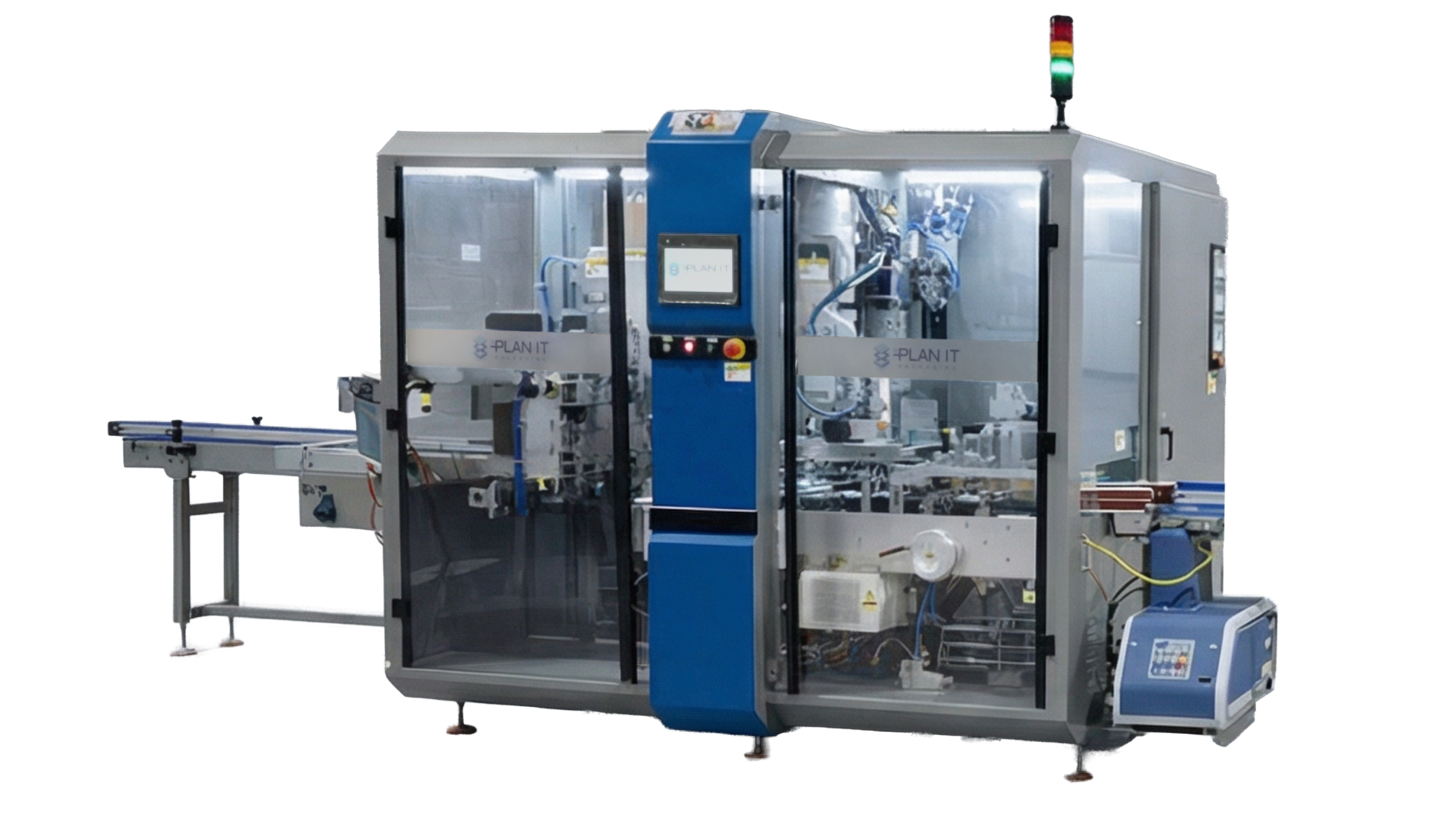
We build machines suited to exactly that kind of rebuilt industrial base: Mars Series VFFS machines that bag product at volume, automatic case packers that load and seal cases behind them, and PackMaster cobot palletizers that stack and wrap pallets at the end of the line. You know what your production line needs to hit volume; we know the case packer and palletizer that keep it there. Equipment specifics live on the vertical form fill seal, automatic case packers, and palletizing category pages, and the solutions page lays out how we sequence a packaging build for an industrial-park manufacturer. For the regional picture, the Illinois location page fills in the rest. We don't run an office inside Aurora's industrial parks, yet the manufacturers filling them are squarely inside our Fox Valley service area.


.avif)




%203.avif)


.svg)
.svg)
