A Bridgeport bakery once turned out pies in tins that its own workers, tossing the empties around for fun, turned into the flying disc still tossed today, and that knack for high-volume baked-goods production is why Bridgeport's food producers still need packaging equipment: flow-wrap and case-packing lines that keep pace with real volume. By 1905, Bridgeport was the largest industrial center in Connecticut, with more than $49 million invested in manufacturing and a population that had quadrupled from 25,000 to over 100,000 between 1870 and 1910. A munitions plant built in 1915 employed more than 16,000 workers and turned out roughly half of America's cartridge supply during World War I, while two sewing-machine makers and an early automaker ran production lines in the city. An electrical-products manufacturer founded in 1888 and a brake-lining and friction-materials maker added depth, and by the mid-1980s Bridgeport had shifted enough toward finance to become New England's fifth-largest banking center.
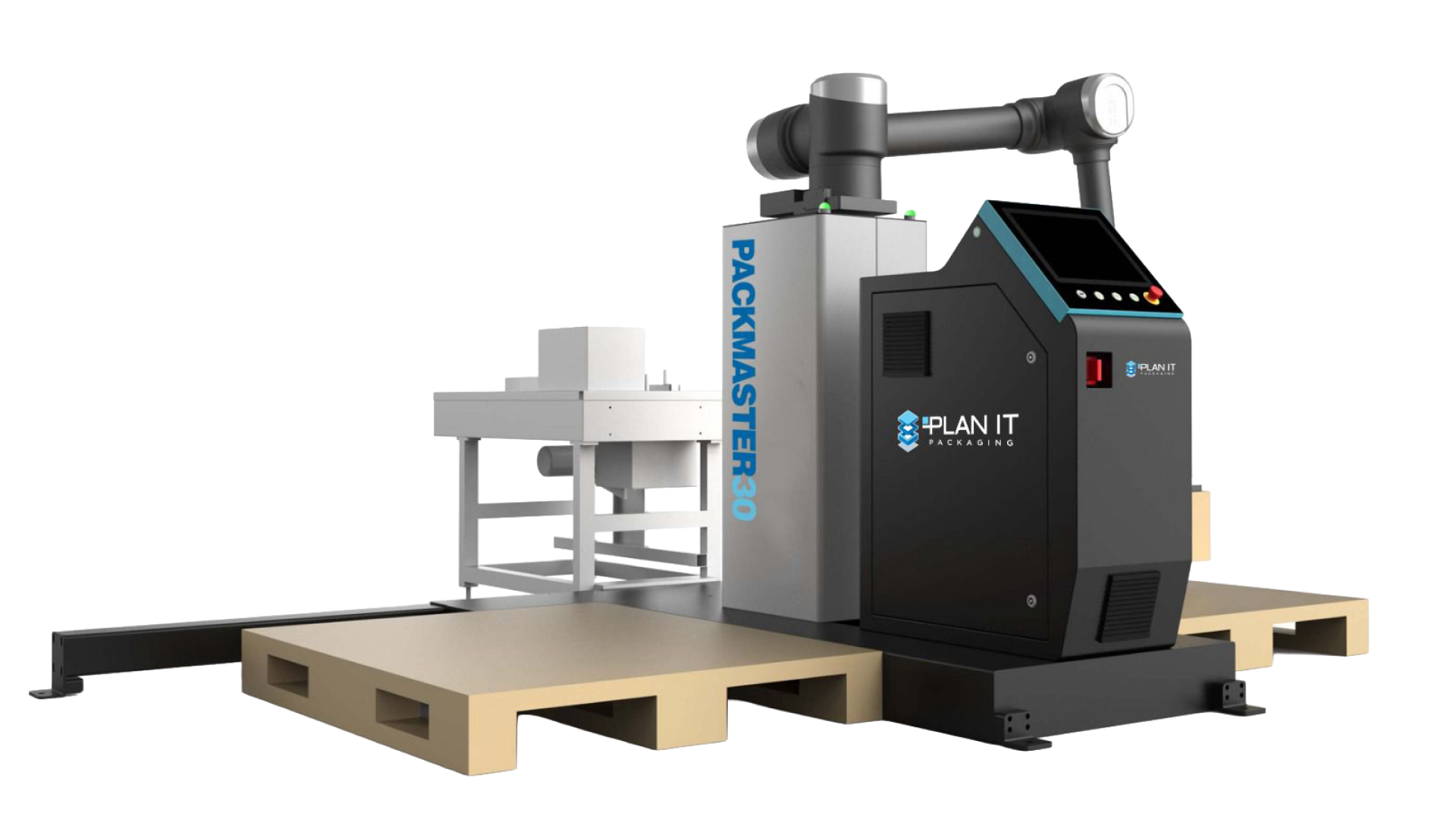
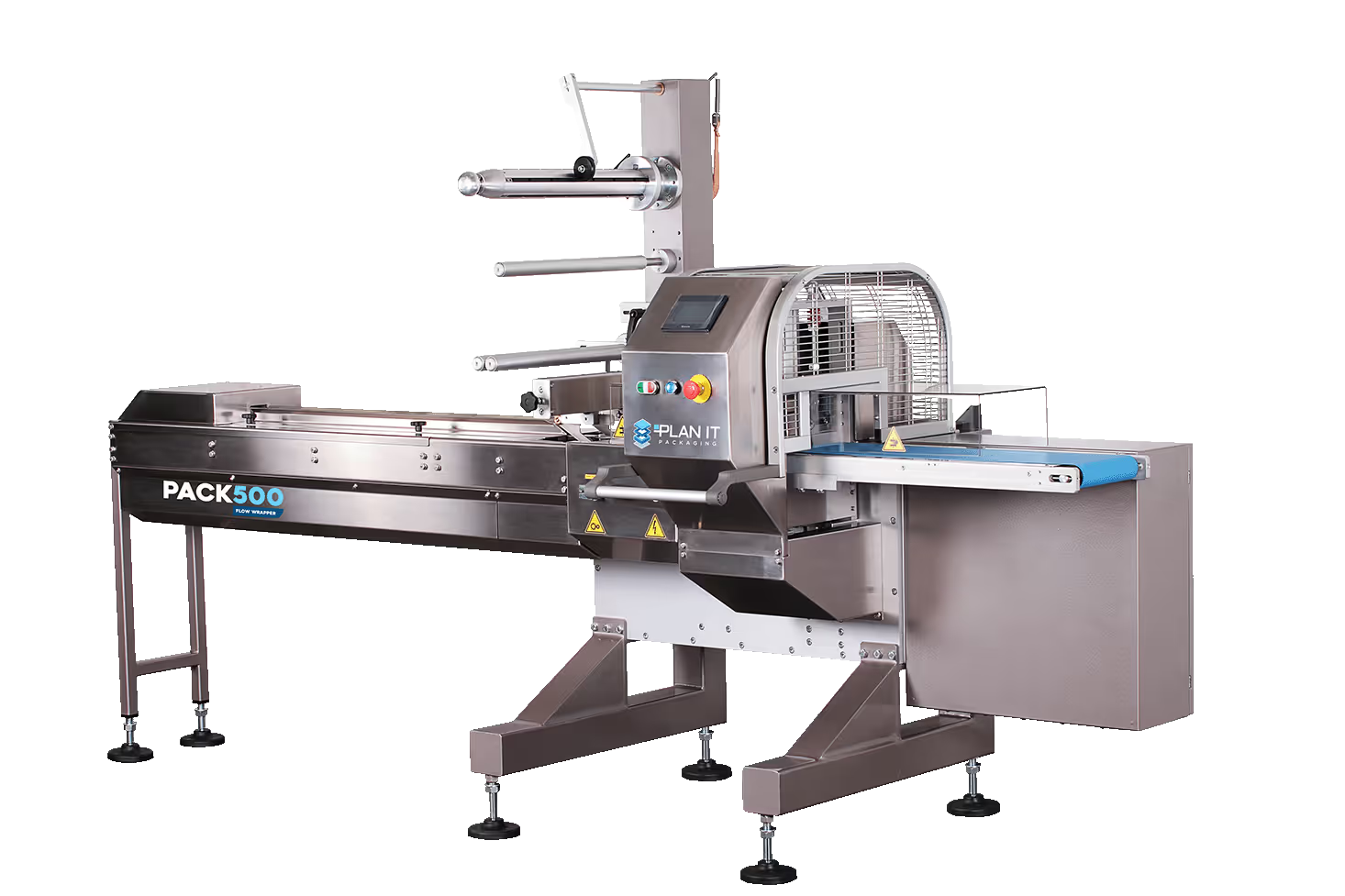
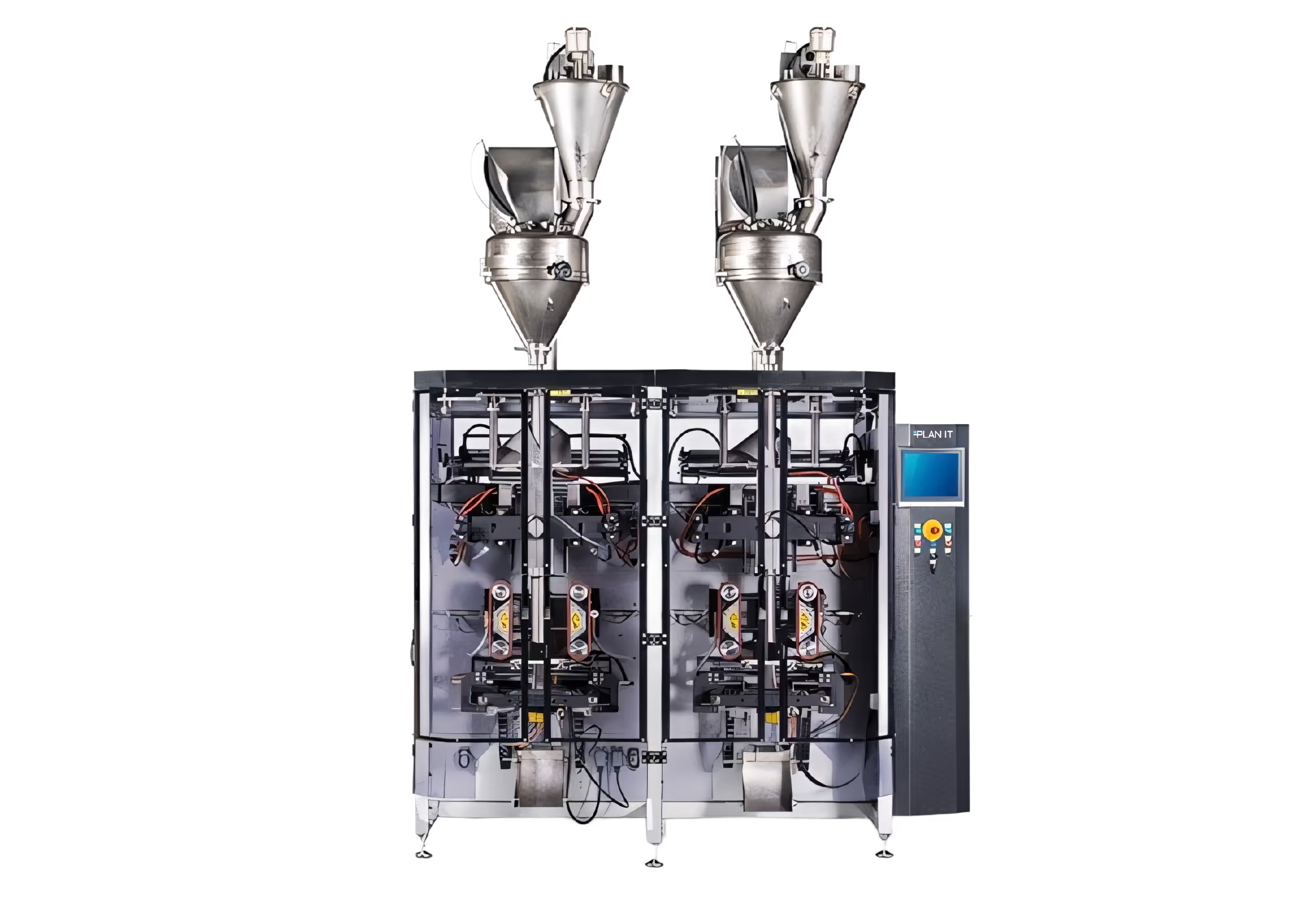
You bake at volume; we build the Pack Series flow wrappers that keep up with it, wrapping and sealing pastries and snacks at speed. Automatic case packers load the shipping cases behind them, and PackMaster cobot palletizers stack the finished pallets. Precision has a history here. Our case study on how a food producer scaled production shows one version of that upgrade. Our Connecticut location page and food and beverage industry page cover the wider region we serve, and our palletizing and automatic case packer categories detail each machine; our solutions page covers the quoting and install steps for a flow-wrap line like this one. Bridgeport built sewing machines and cartridges to exacting tolerances a century ago; those standards carry over to food and beverage lines today. We don't keep an office in Bridgeport itself, working out of the wider Greater Bridgeport region instead to spec, install, and support the equipment.


.avif)



%203.avif)


.svg)
.svg)
