Brockton functions today mainly as a service and retail center inside Greater Boston, a long way from the industrial city that earned the nickname Shoe City during the Civil War, when it became the country's largest producer of footwear. North Bridgewater renamed itself Brockton in 1874 specifically to reflect the town's growing industrial importance, and the last shoe factory in the city closed in the years leading up to the mid-2010s, ending a shoe and leather-products industry that had lasted into the late 20th century. But demand for packaging equipment in the corridor has not disappeared. It has moved from leather goods toward food, beverage, and consumer packaged goods.
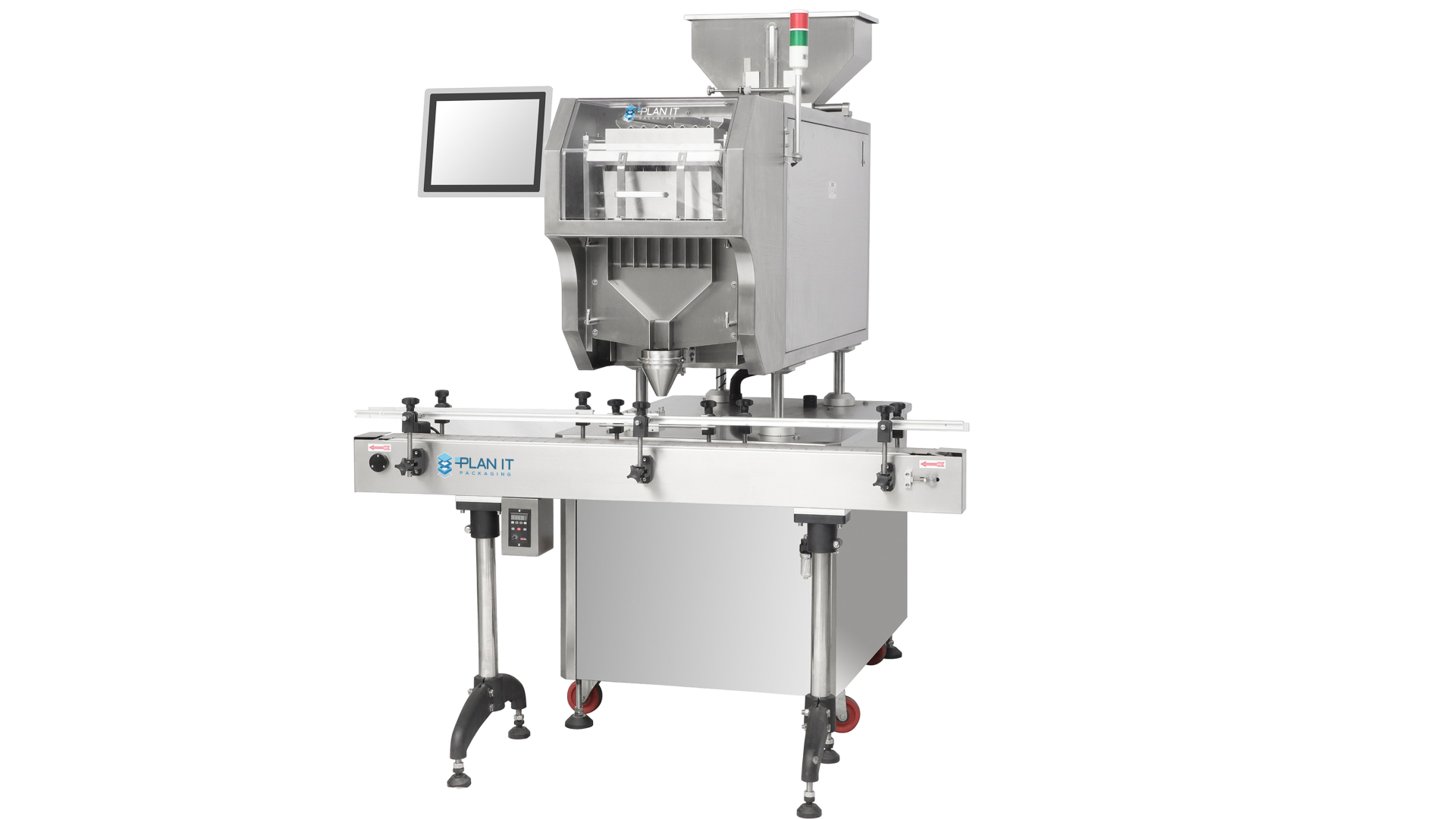
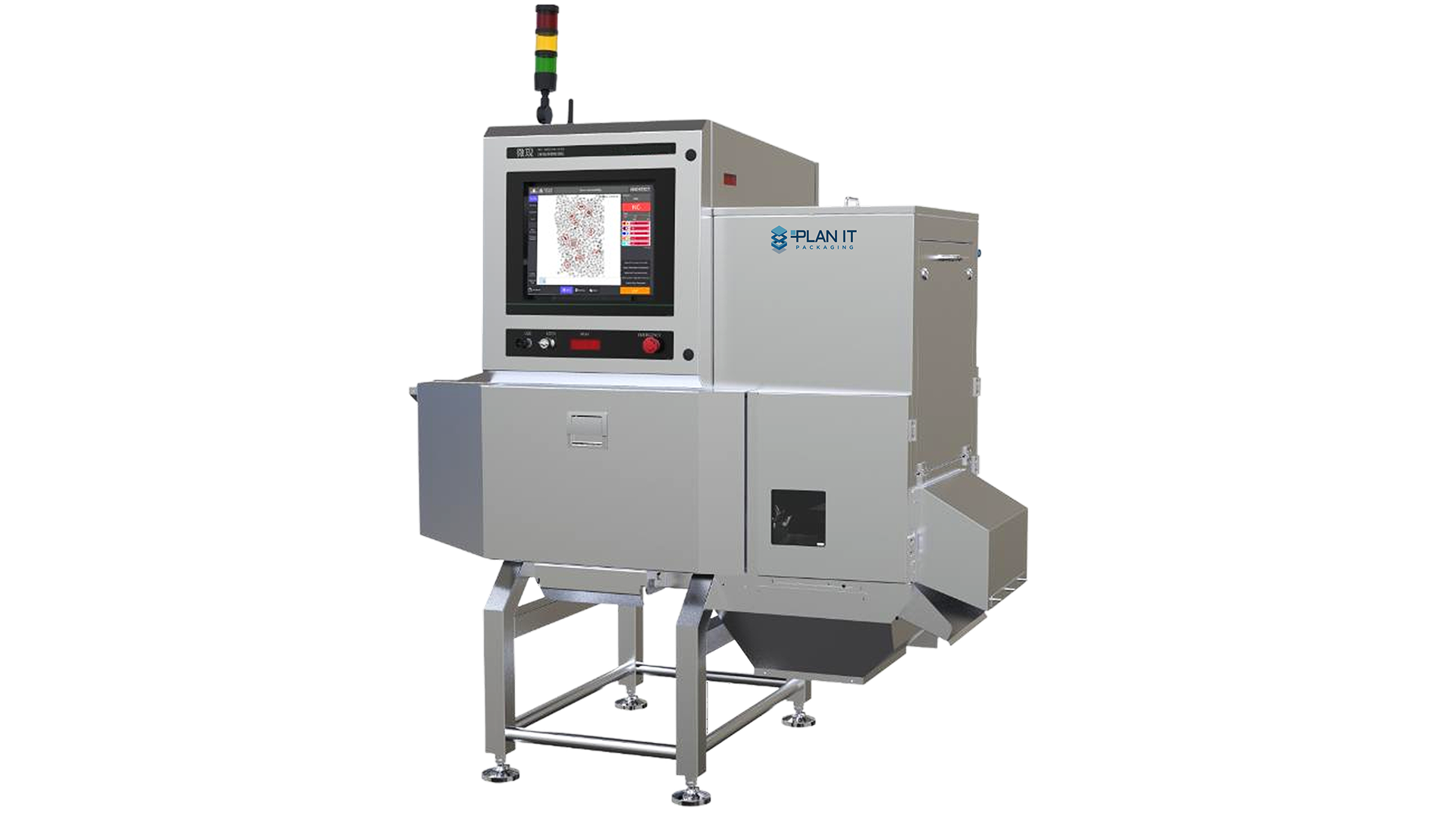
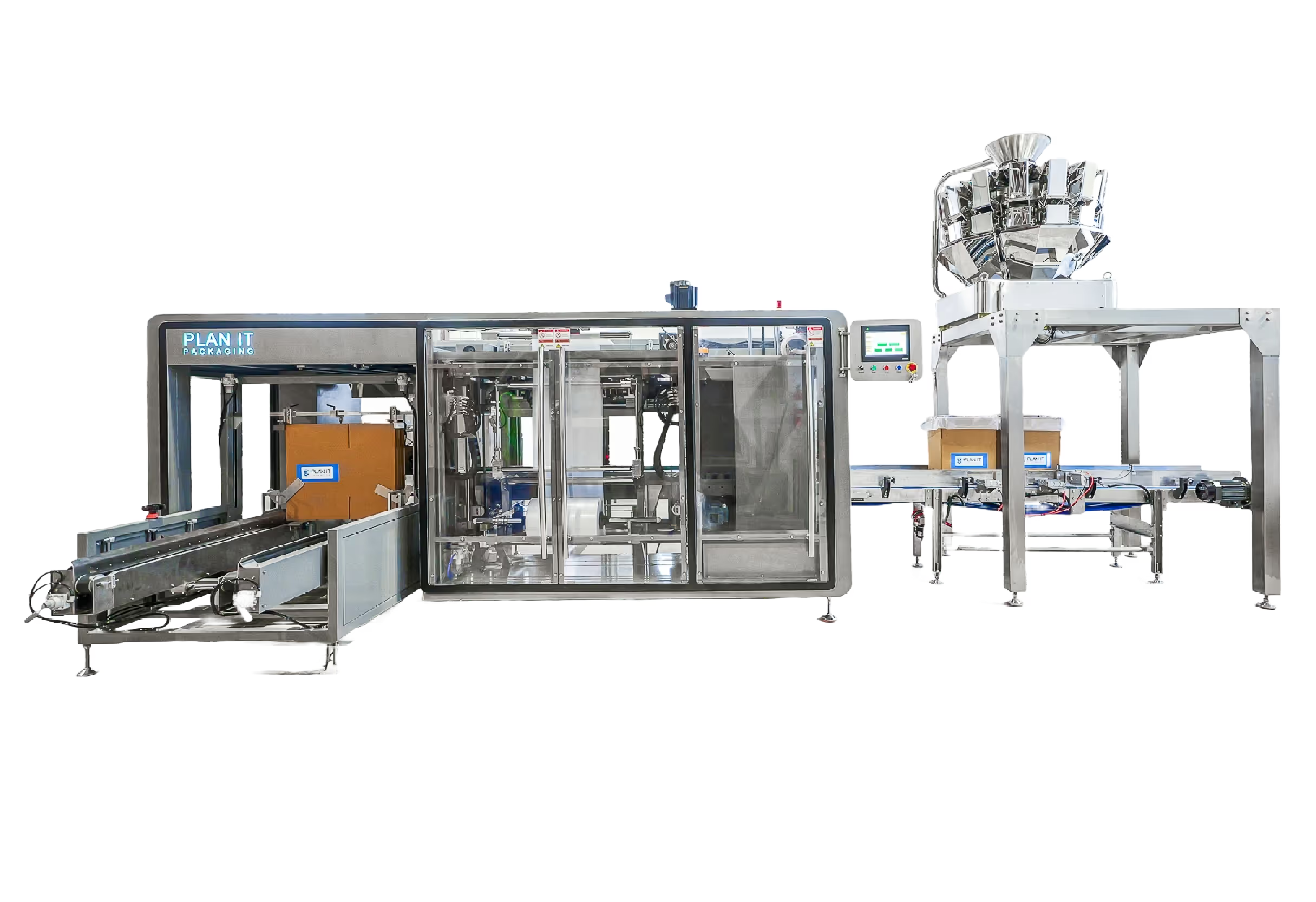
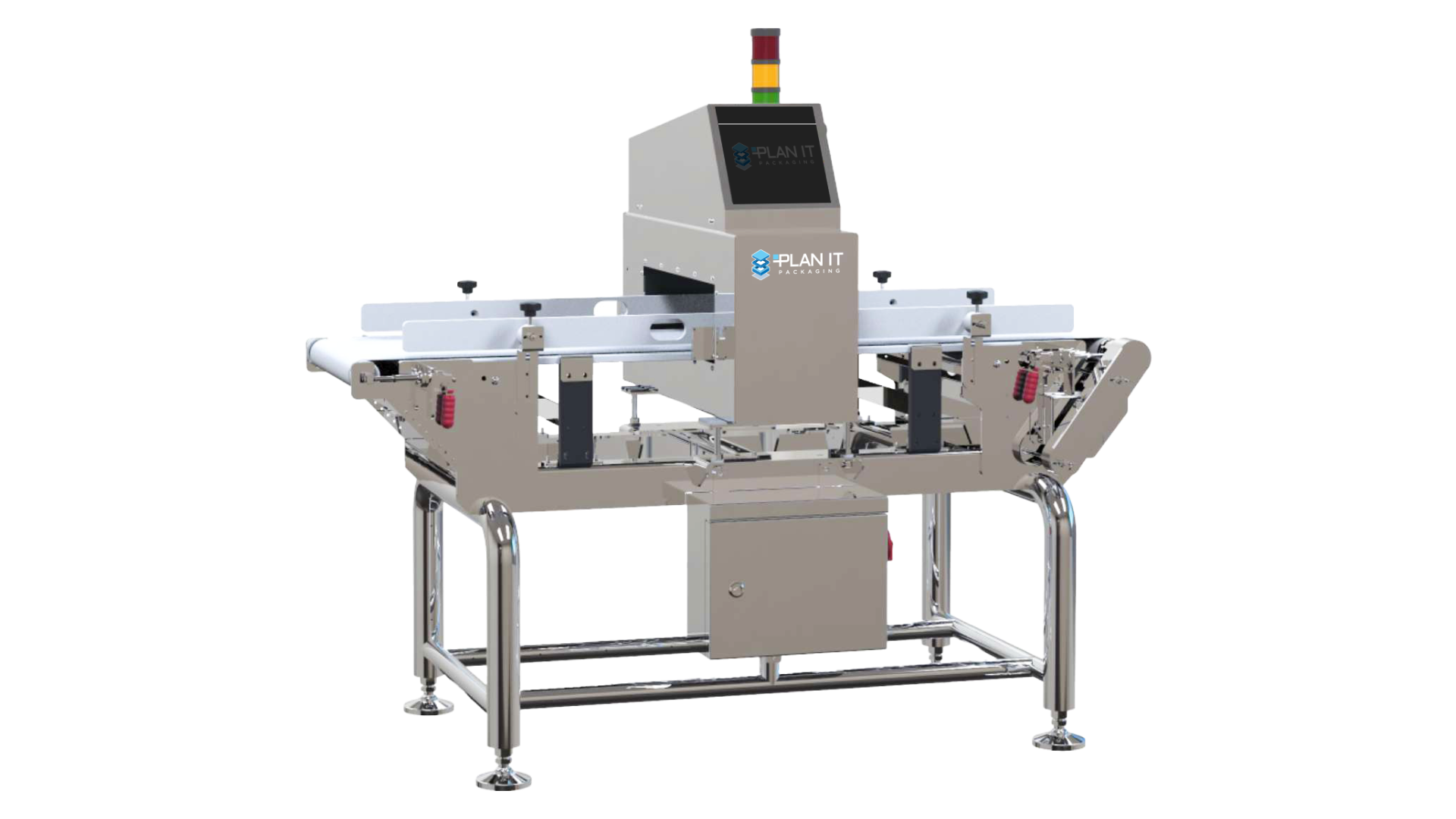
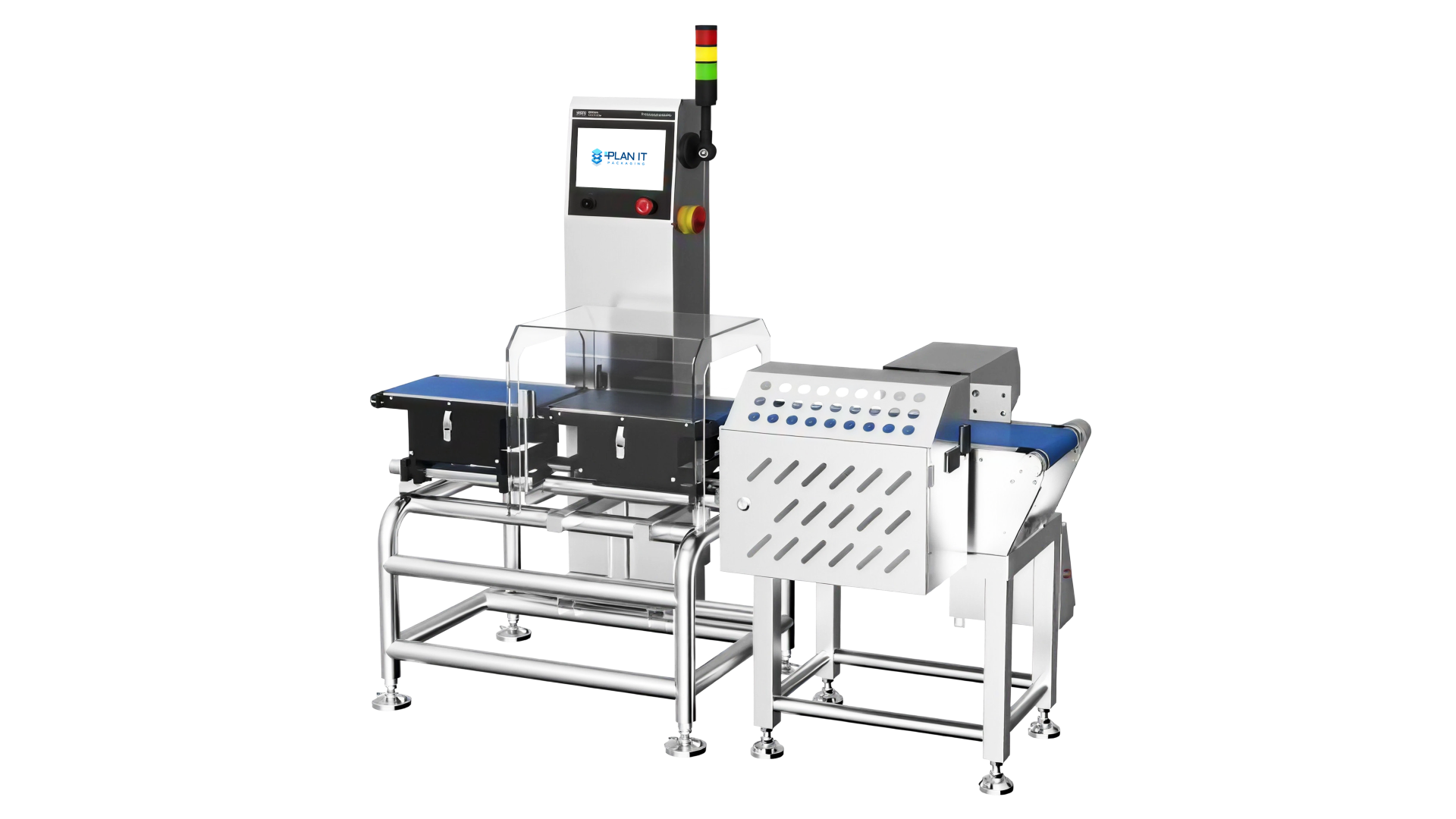
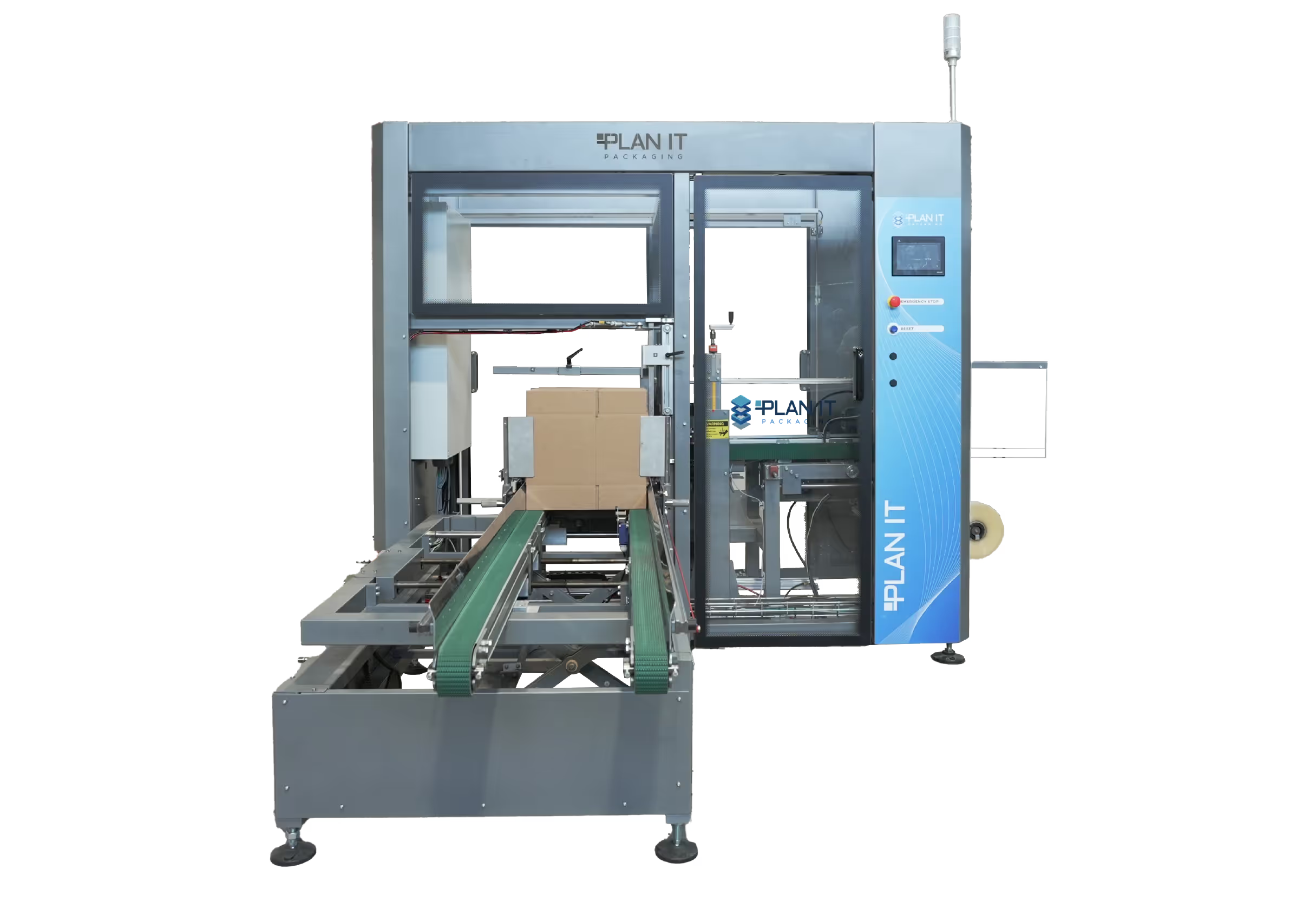
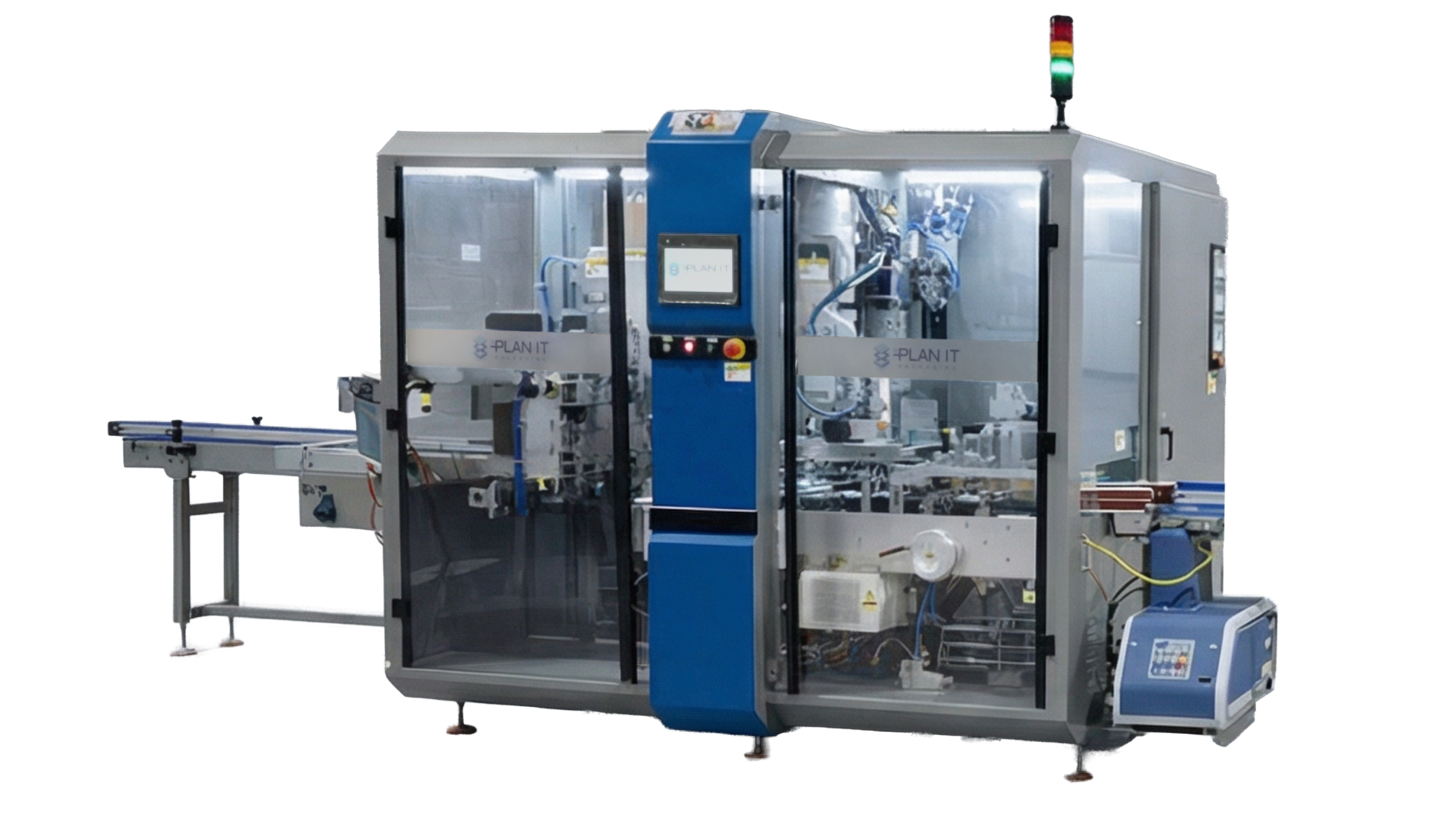
We build the machines that fill that gap. Our Mars Series VFFS baggers handle bagging for snack foods, coffee, and dry mixes, while case packers load retail cases faster than a crew could stack them by hand. If your Brockton line is scaling past what the shoe-era workforce ever needed to move, our Massachusetts location page covers how we've helped producers make the same kind of pivot Brockton's own economy already made, and our food and beverage industry page breaks down the specific lines we build for. A case study on our site follows a regional food producer that scaled production with new automation on a tight timeline, worth a look if you're weighing the same move. Every project starts on our solutions page with an audit of what's actually running the line today, not what used to run through a shoe factory. No guesswork. We match machine to line for whatever runs through Brockton now, whether that is a snack producer bagging dry mix or a beverage line stacking pallets by the truckload.


.avif)



%203.avif)


.svg)
.svg)
