For sixty years, Burbank built some of the most recognizable aircraft in American history. P-38 Lightning fighters, P-80 Shooting Star jets, and later the U-2 spy plane and SR-71 Blackbird all came out of a single manufacturing complex that by World War II covered 7.7 million square feet and employed as many as 98,000 people. That precision manufacturing needs a similar discipline to what packaging automation brings to a food or personal-care line today: tight tolerances and repeatable output, with no room for a bottleneck on the floor. Burbank's manufacturing base wasn't only aerospace, either. A personal-care products plant operated in the city from 1920 to 1992, starting with coconut-oil soap and expanding into face creams and liquid soaps, and by 1930 a food-canning company and a second aircraft manufacturer had joined the roster of major employers alongside it.
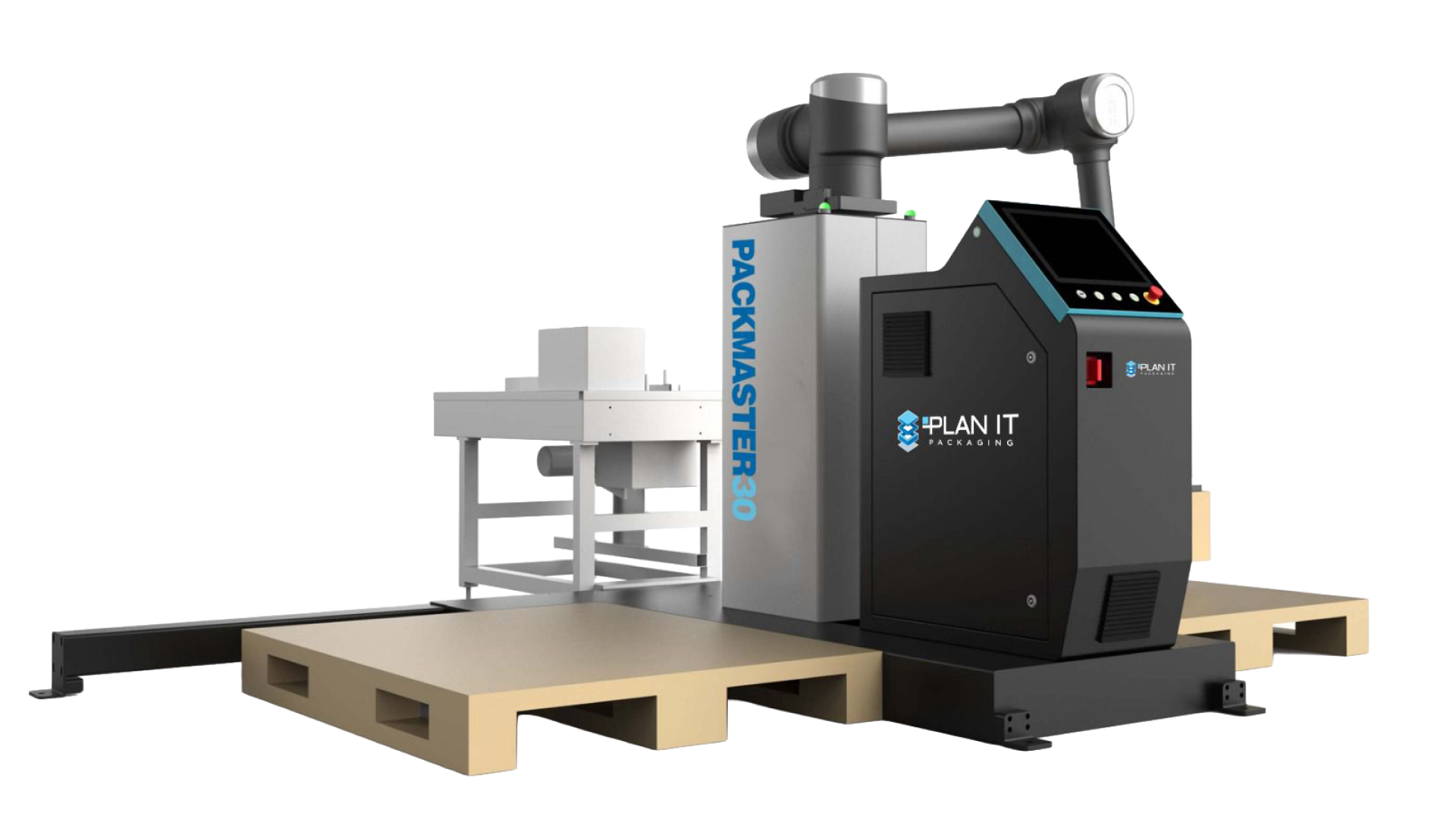
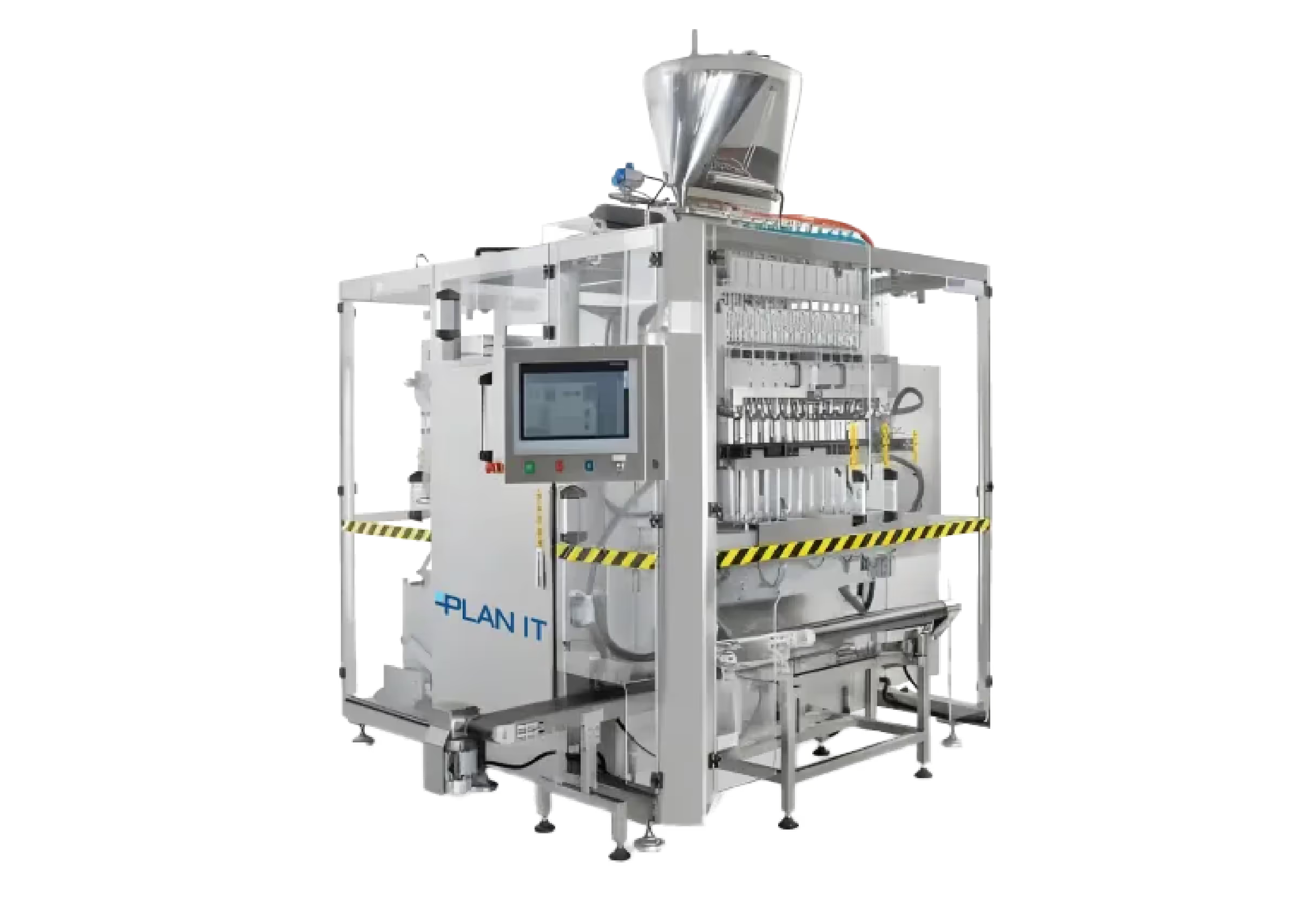
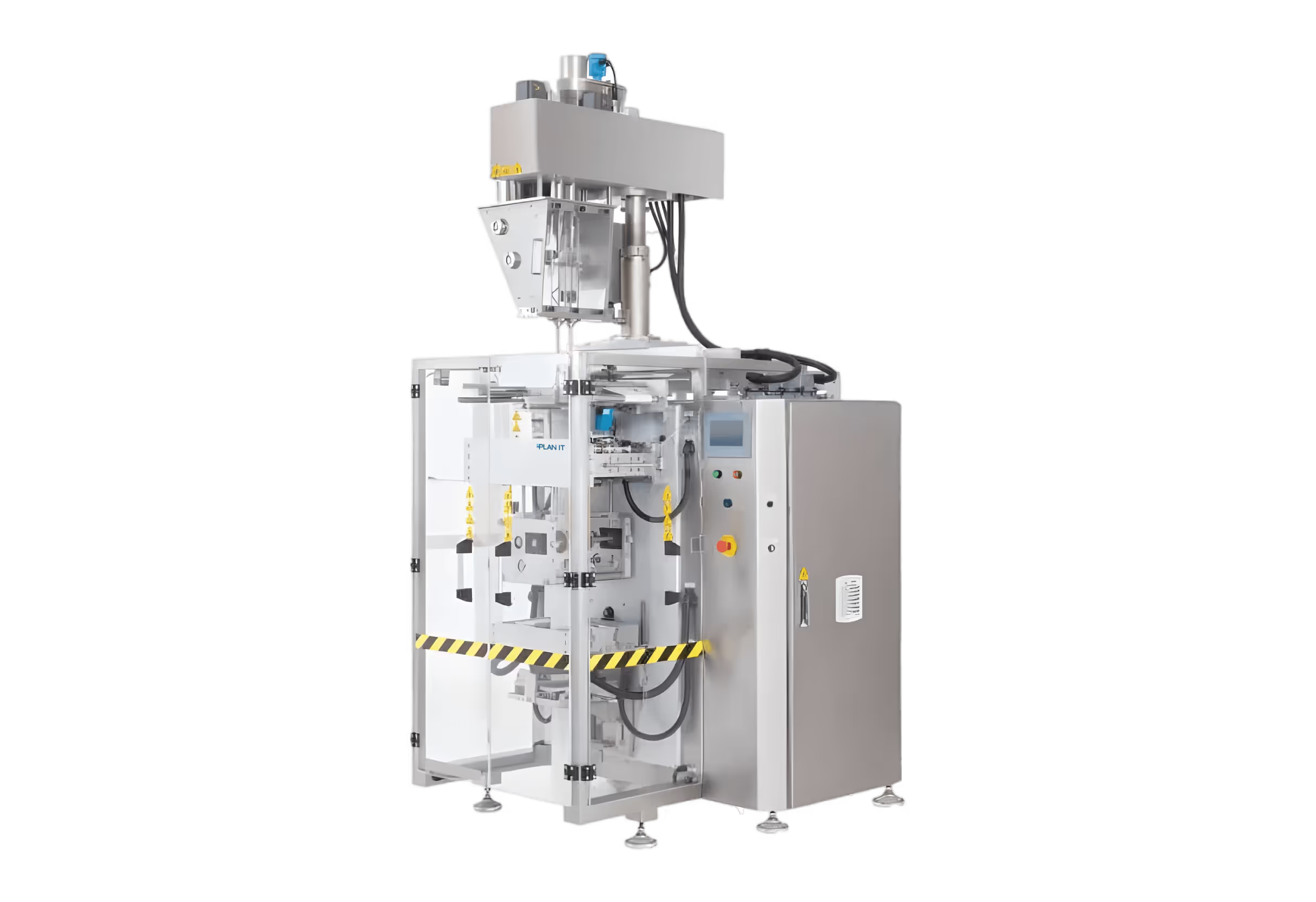
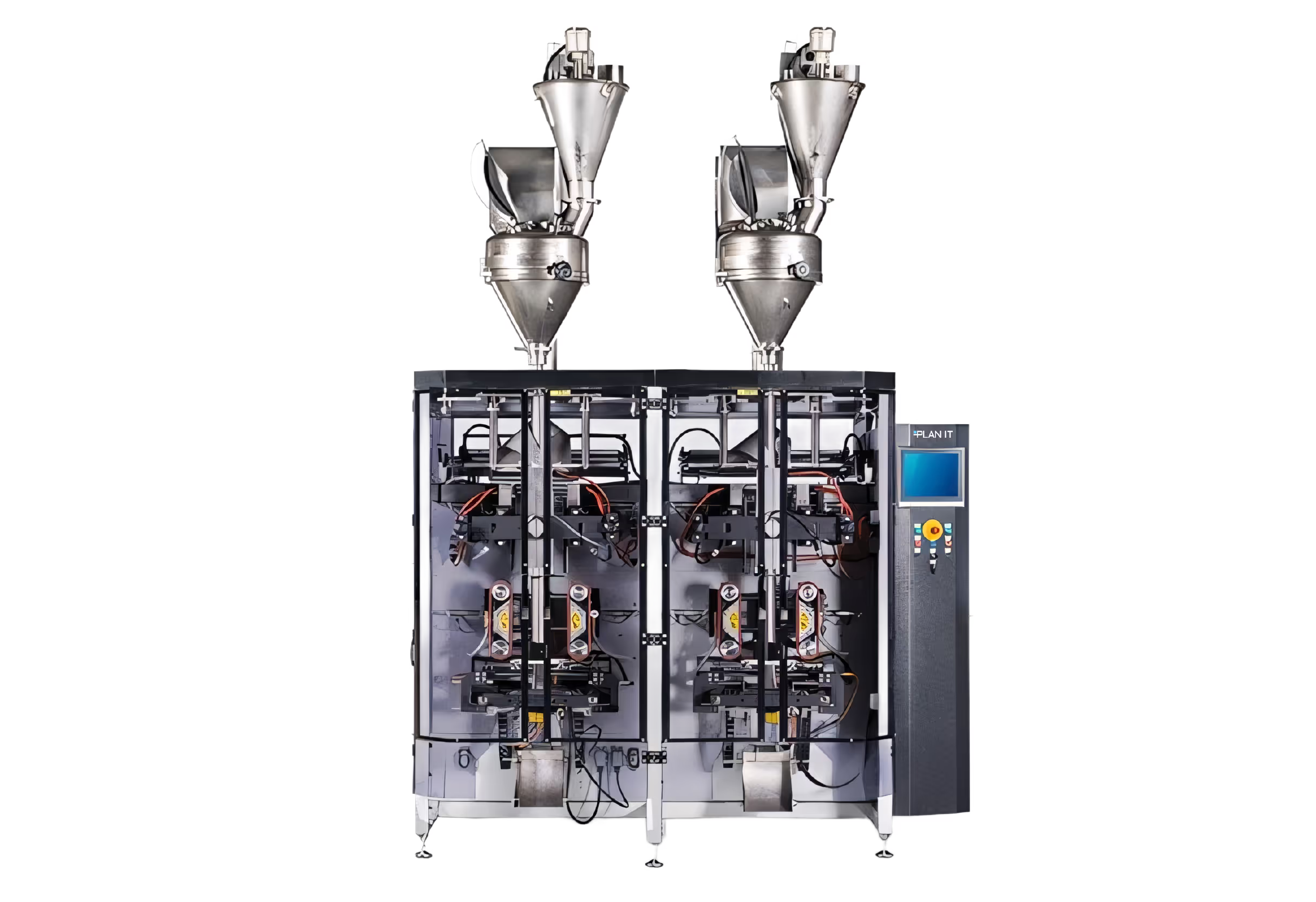
Burbank's economy has moved almost entirely into film and television production since then, and the old aircraft-manufacturing site is now a retail complex. But the packaging challenge that a personal-care or food producer faces hasn't changed just because the neighborhood around it has: get product into a sealed, consistent package at volume, without adding headcount every time output grows. We build for that transition directly: Mars Series VFFS baggers and EcoBagger/RotoBagger premade-pouch machines for personal-care and household products, and automatic case erectors and case packers for food and beverage lines, held to the same tight-tolerance standard this city's aircraft plants once ran on. Your formulation is dialed in; the packaging line just has to keep up with it.


.avif)



%203.avif)


.svg)
.svg)
