A new rail line reached Carrollton in 1878, and the farm town turned almost overnight into a shipping point for livestock, cotton, cottonseed and grain, the kind of volume that would need packaging automation today just to keep moving. By 1885 Carrollton had flour mills and cotton gins running, and a gravel industry that started in 1912 turned the city into a 'grain and gravel' town by the late 1940s, alongside a brick plant, a dairy industry and a metal-products manufacturer that set up here in 1946. The rail line still shapes it. Carrollton's economy has since shifted toward corporate headquarters and services, with national companies in signage, energy services, hospitality, technology and e-commerce all based in the city today, alongside the largest Korean community in Texas anchoring a retail and restaurant district that reflects the city's growth beyond its industrial roots.
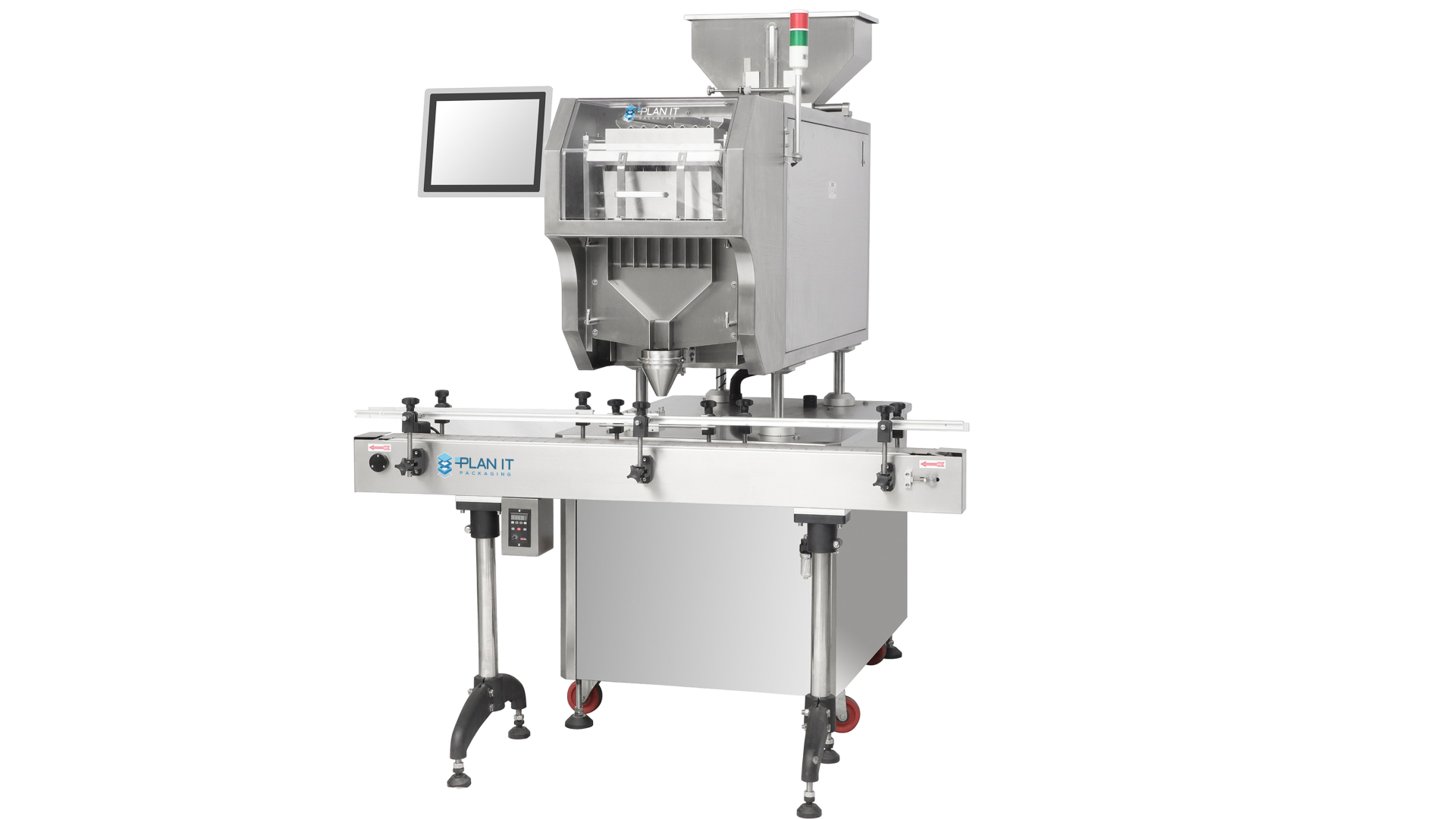
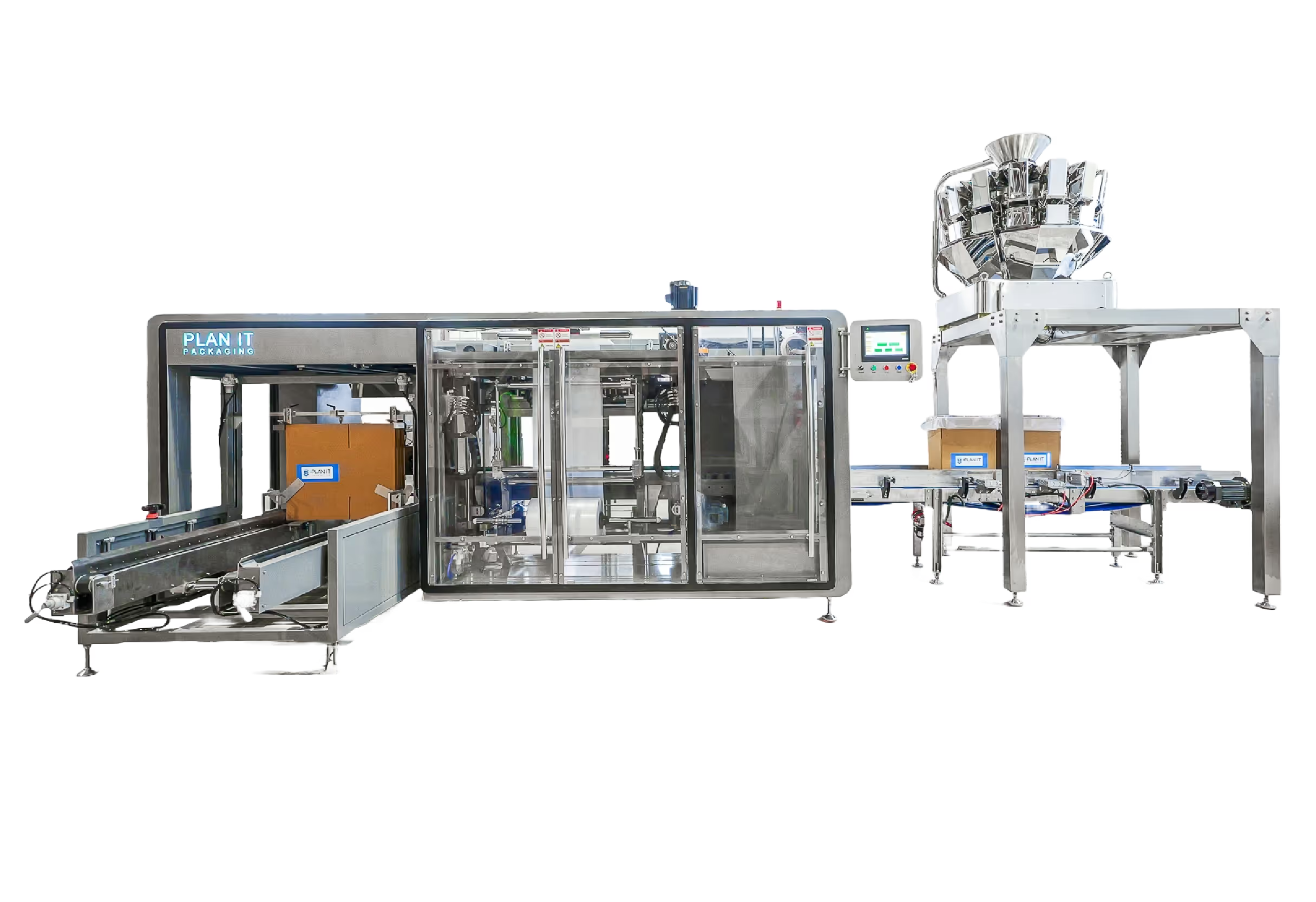
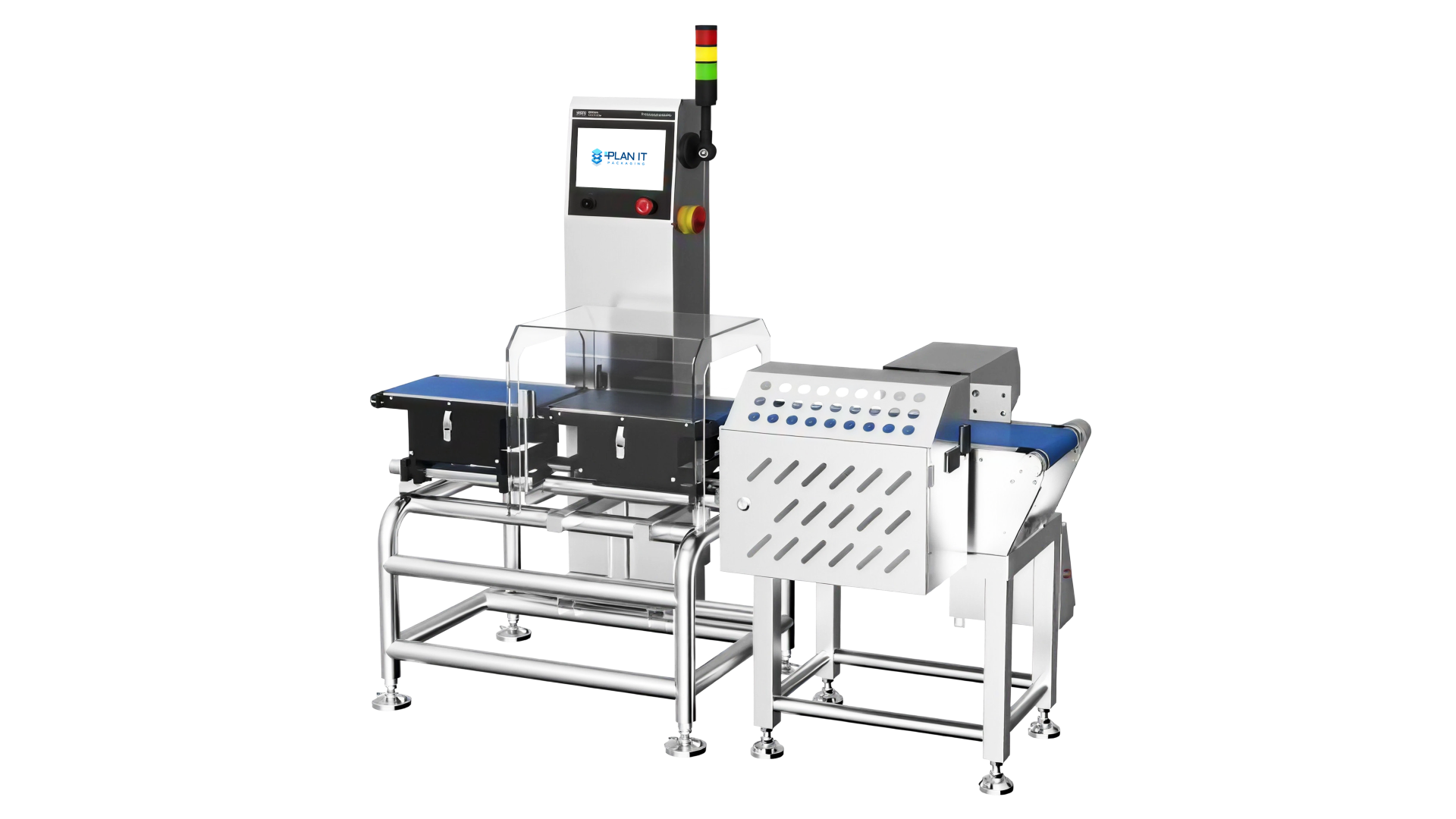
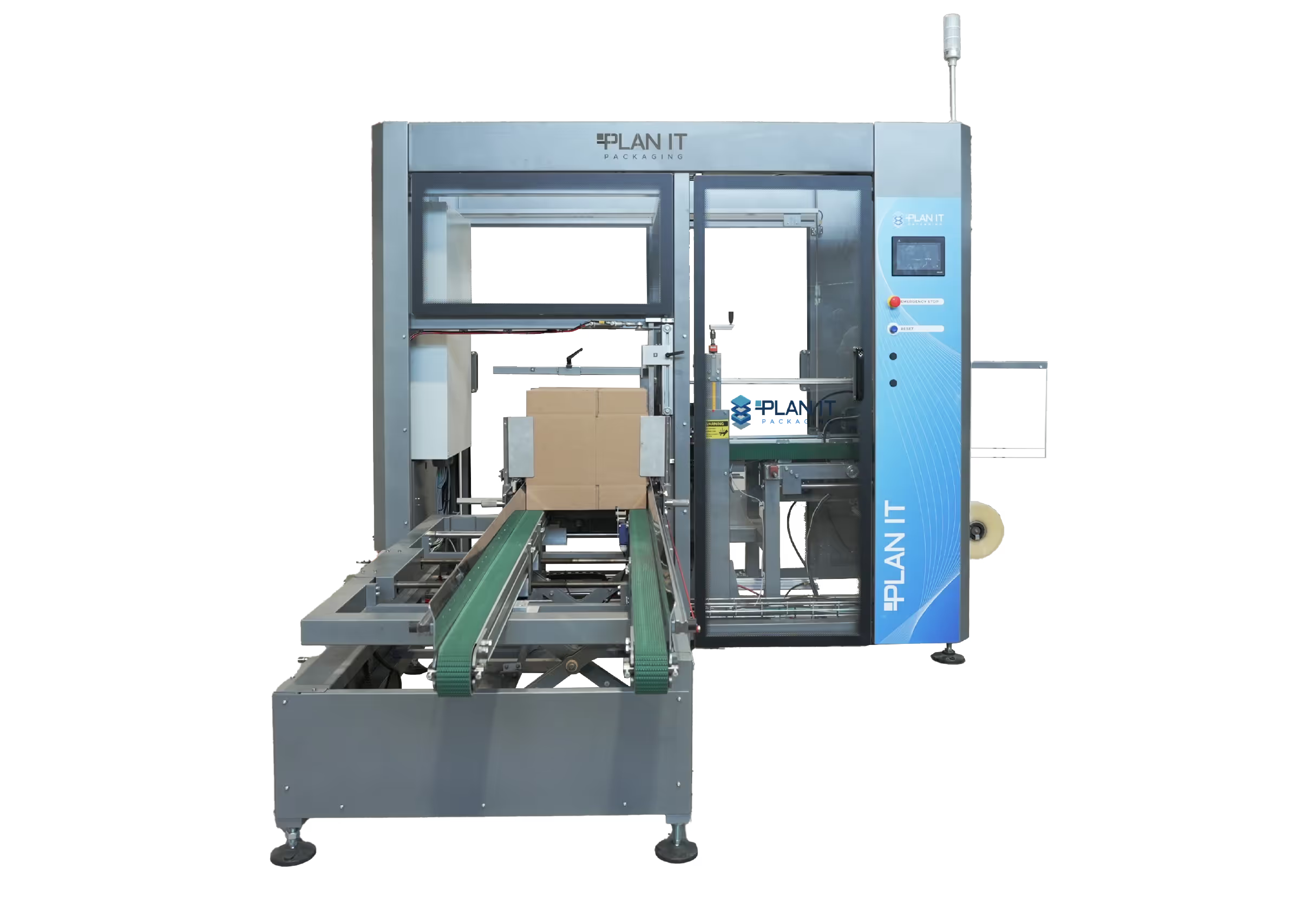
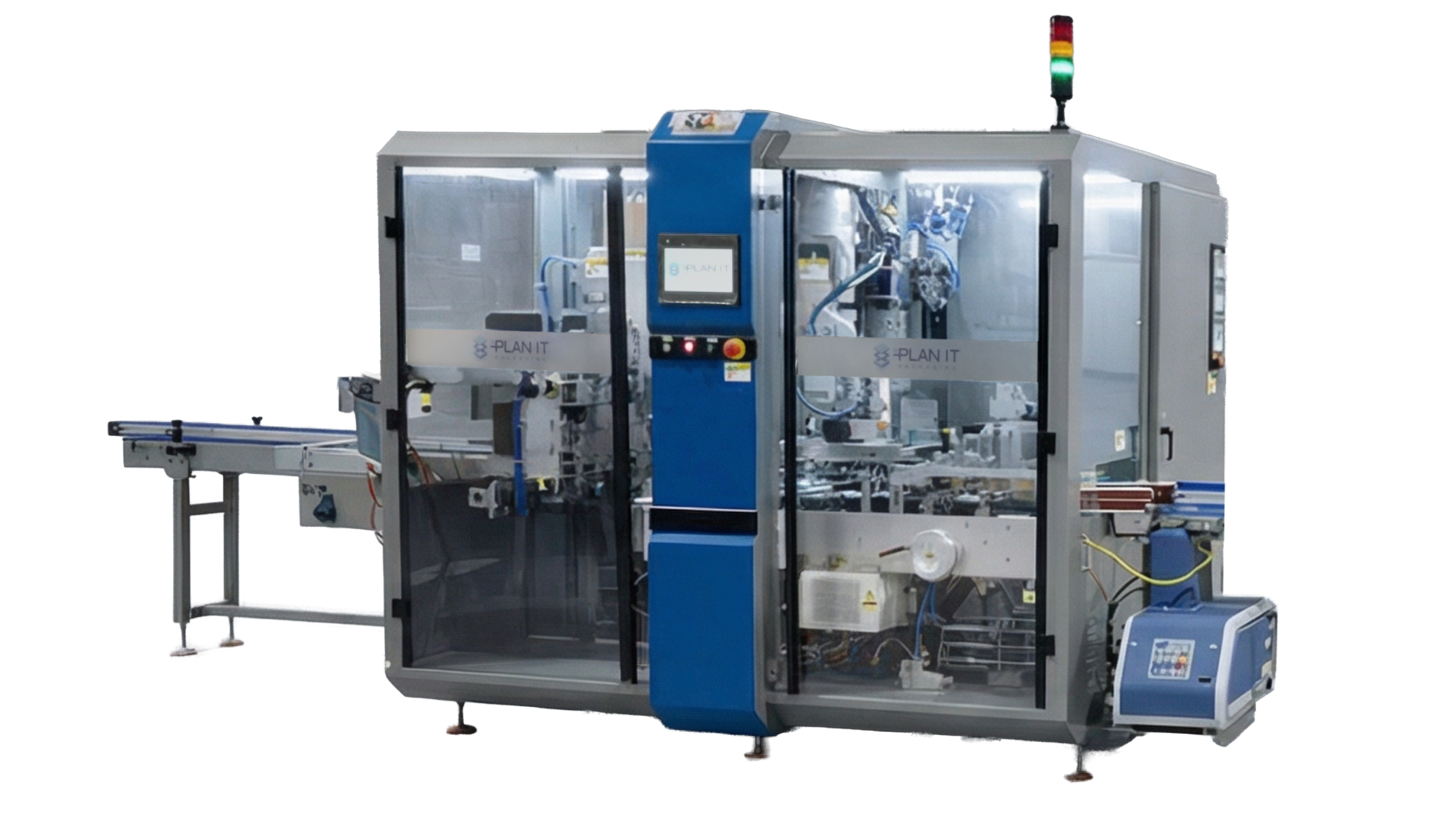
The Dallas-Fort Worth manufacturing corridor around Carrollton still runs on food and beverage production, though. A shipping case only protects what's inside it if the line packing it moves at DFW-corridor speed, the standard PLAN IT's equipment is built to. There's no PLAN IT address in Carrollton, just the machines local producers already run: Mars Series VFFS baggers for bagging snack foods and dry goods, and automatic case packers for moving finished product out at the same clip the rail line has moved grain and cotton through Carrollton since 1878. Producers weighing that jump from manual to automated packing can see a similar scale-up documented in our case study on scaling food production, get spec detail on the Mars Series VFFS and automatic case packer category pages, and find the rest of our Texas and food and beverage coverage on our solutions page.


.avif)



%203.avif)


.svg)
.svg)
