The Port of Charleston moves more containers than all but three ports on the U.S. East Coast, seventh-most in the entire country, and any packaging line feeding that port works against the same loading schedule the region's manufacturers already keep. Part of that traffic is cars and car parts for the region's automotive-manufacturing sector, which runs alongside a major aerospace manufacturer's final-assembly operation for wide-body passenger jets and a technology sector nicknamed Silicon Harbor, ranked by the Milken Institute as the ninth-best-performing economy in the country back in 2013, largely on IT-sector growth. Charleston's industrial roots run back further still. The city's economy was originally built on plantation agriculture, rice, indigo and cotton, and Eli Whitney's 1793 cotton gin sped cotton processing more than fiftyfold and made the crop Charleston's dominant nineteenth-century export.
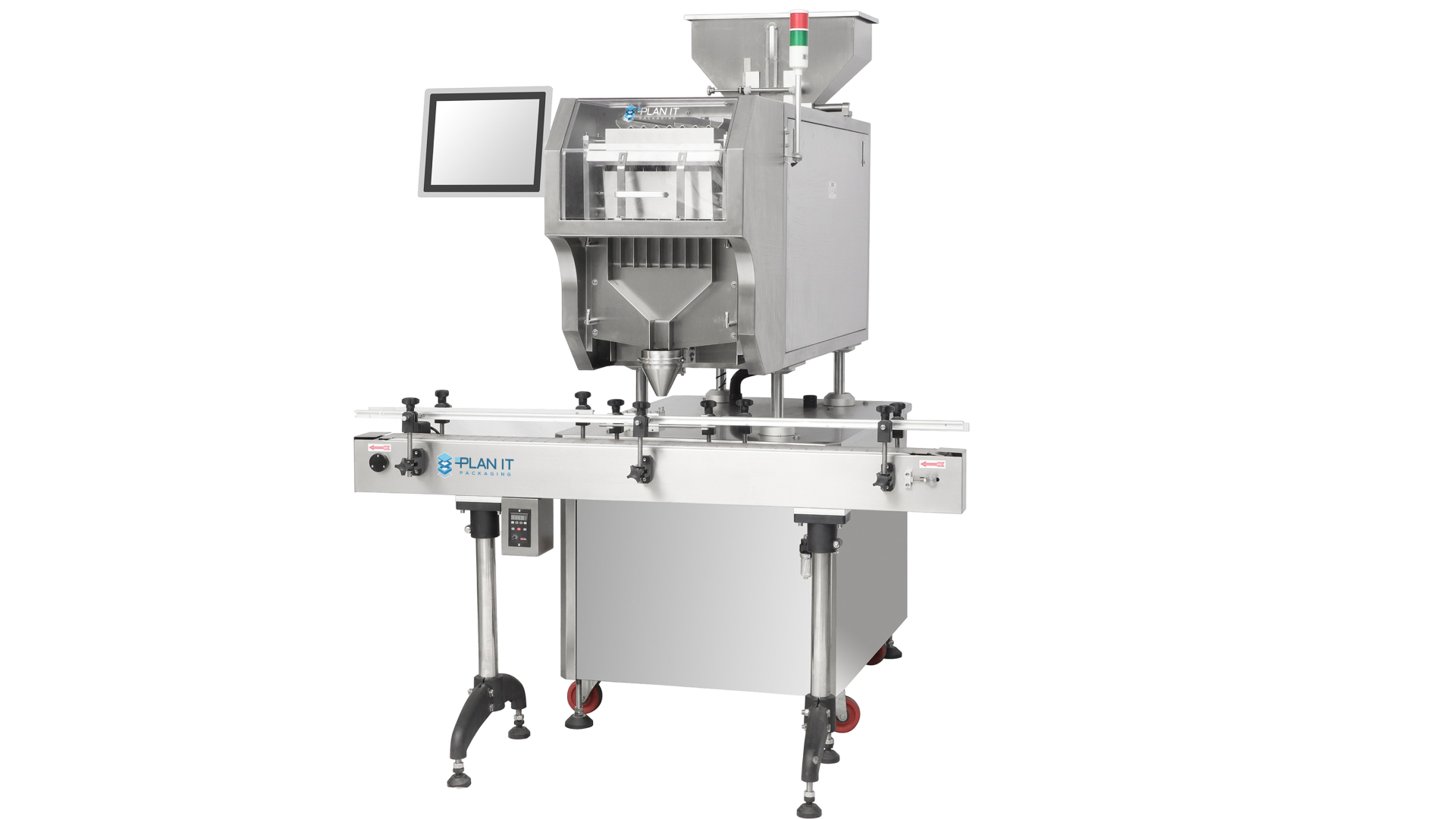
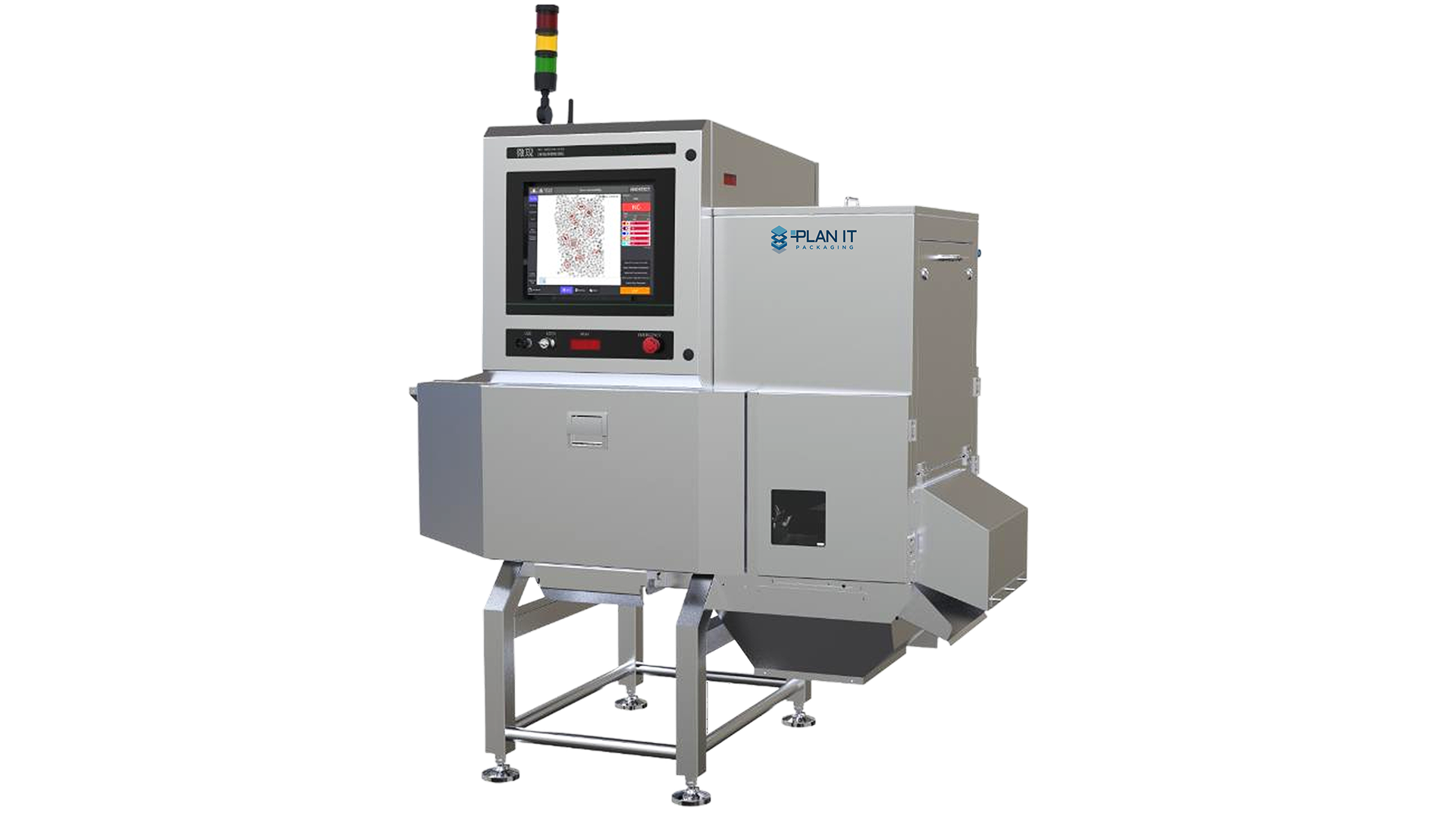
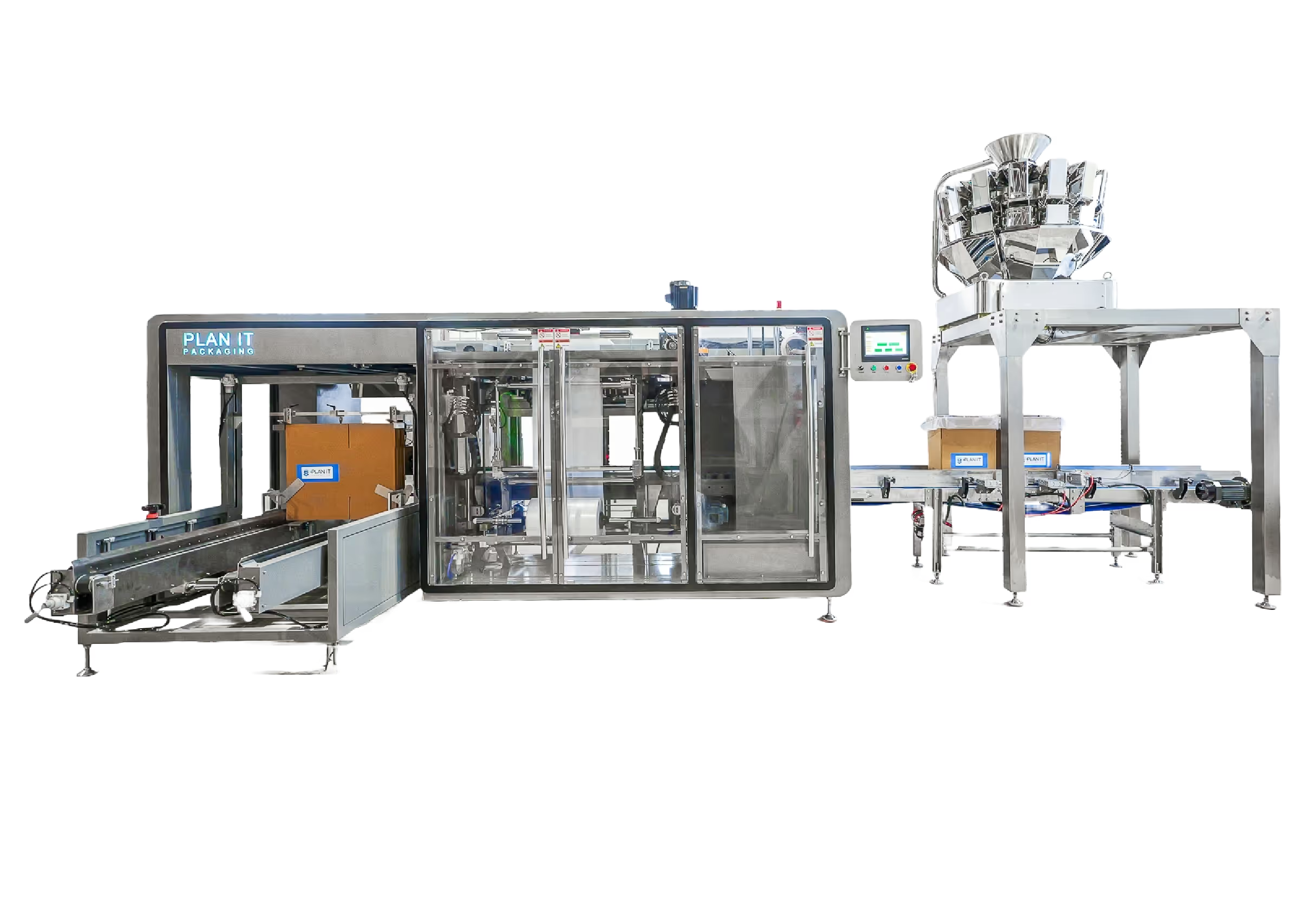
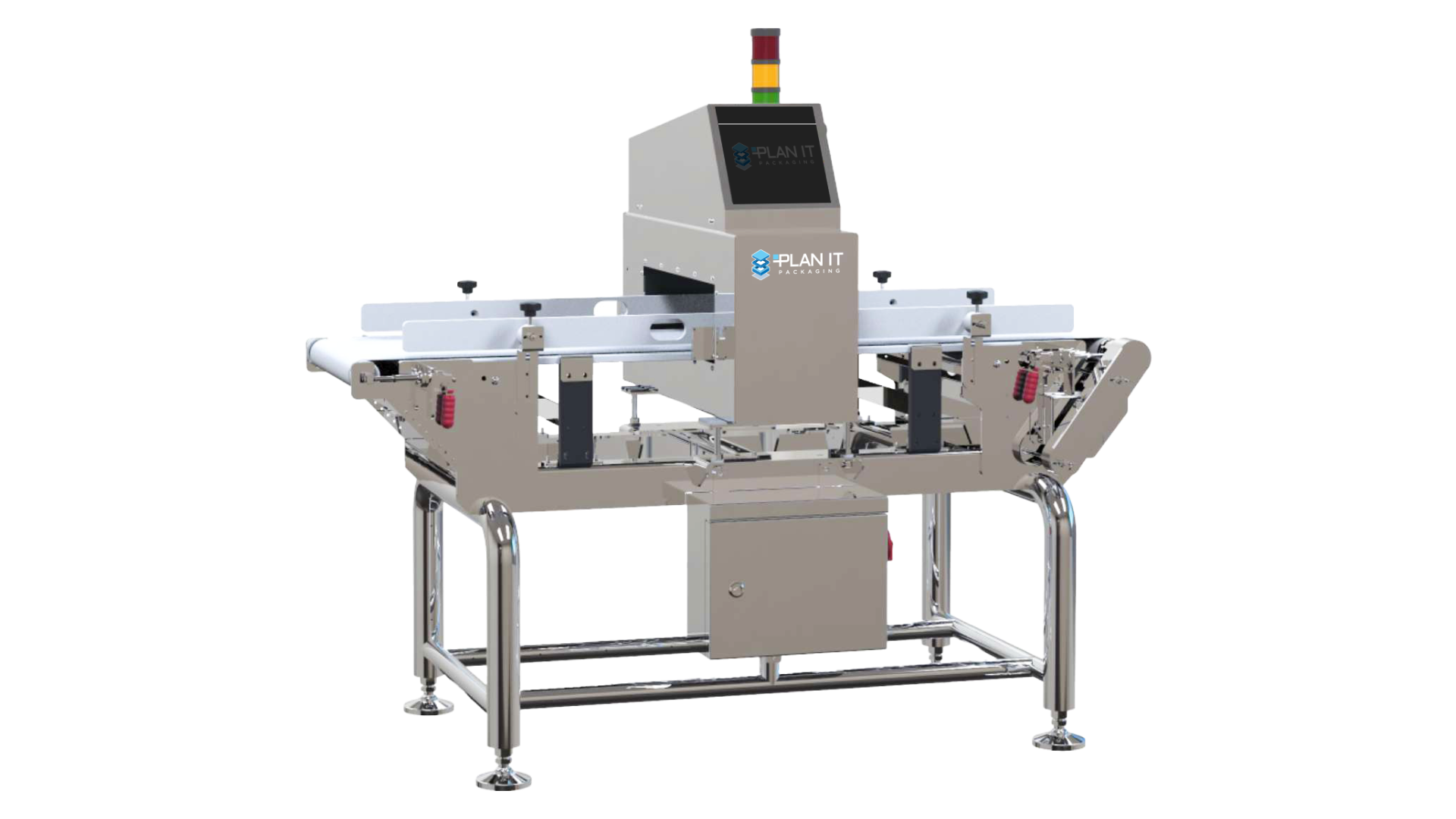
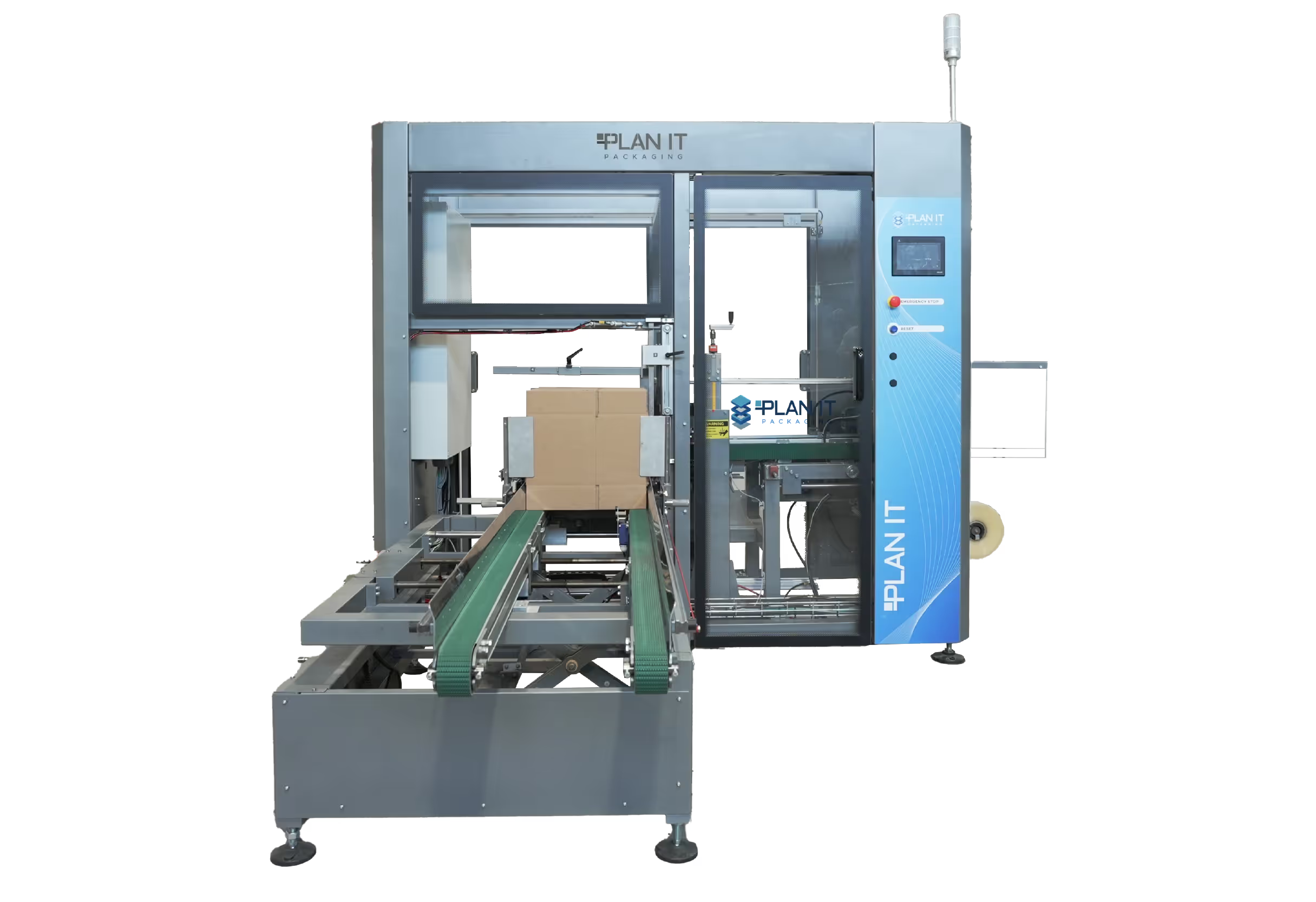
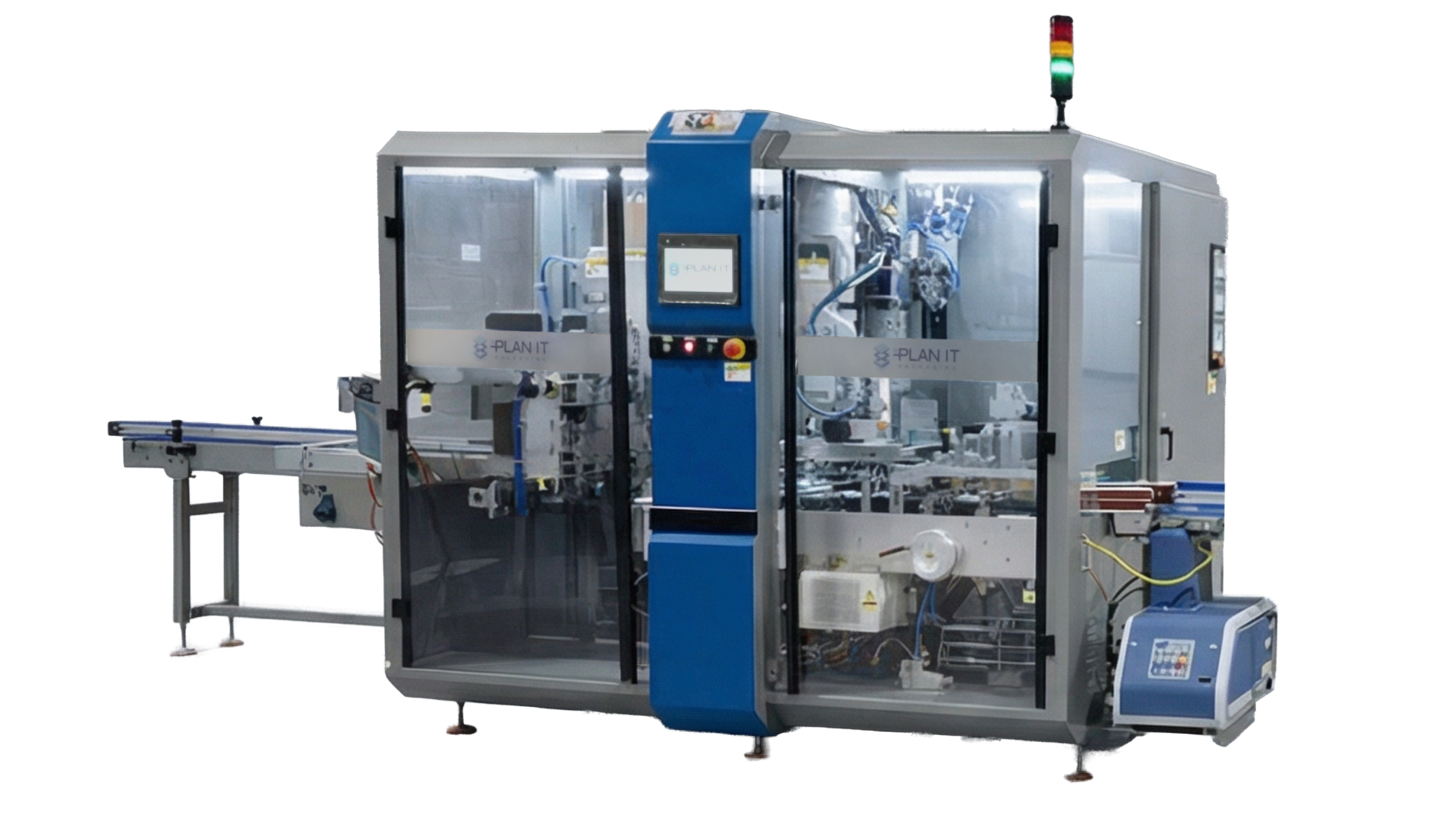
Food and beverage producers and co-packers based in the Charleston area are competing for shop-floor labor against the auto, aerospace and tech employers that already anchor the region's manufacturing workforce, which makes automating the packaging line a more realistic move than adding headcount to it. PLAN IT isn't headquartered near Charleston, but its equipment already runs lines like these: Mars Series VFFS baggers for bagging snack foods, baked goods and other packaged products, and automatic case packers for getting that product into cases without adding more hands to the floor to do it. A Lowcountry plant shipping out of the same metro as a major automaker and an aerospace final-assembly line still has to hit its own delivery window on schedule, and that's the packaging problem PLAN IT's equipment is built to solve. The Mars Series VFFS and automatic case packer categories spell out what each machine does, our South Carolina location page and food and beverage industry page add the regional context, and the rest of the lineup sits on our solutions page.


.avif)




%203.avif)


.svg)
.svg)
