By 1907, six textile mills in Columbia turned raw cotton into finished cloth for a workforce of more than 3,400 people, drawing an annual payroll of $819,000, real money at the time. The Congaree River's fall line supplied the water power that got those mills running, and cotton stayed the city's chief commodity through the 1850s and 1860s, moving out by rail to the port at Charleston. That history is the reason Columbia has a real connection to packaging equipment and packaging line automation today, even though the city's economy has since shifted toward Fort Jackson, the U.S. Army's largest basic-training installation, and the University of South Carolina. Neither runs a production line, and no major food or packaging manufacturer is documented in Columbia today. What the record does show is a century-plus history of running heavy industrial machinery at scale in the Midlands region, a baseline that would support automated production again if manufacturing returns.
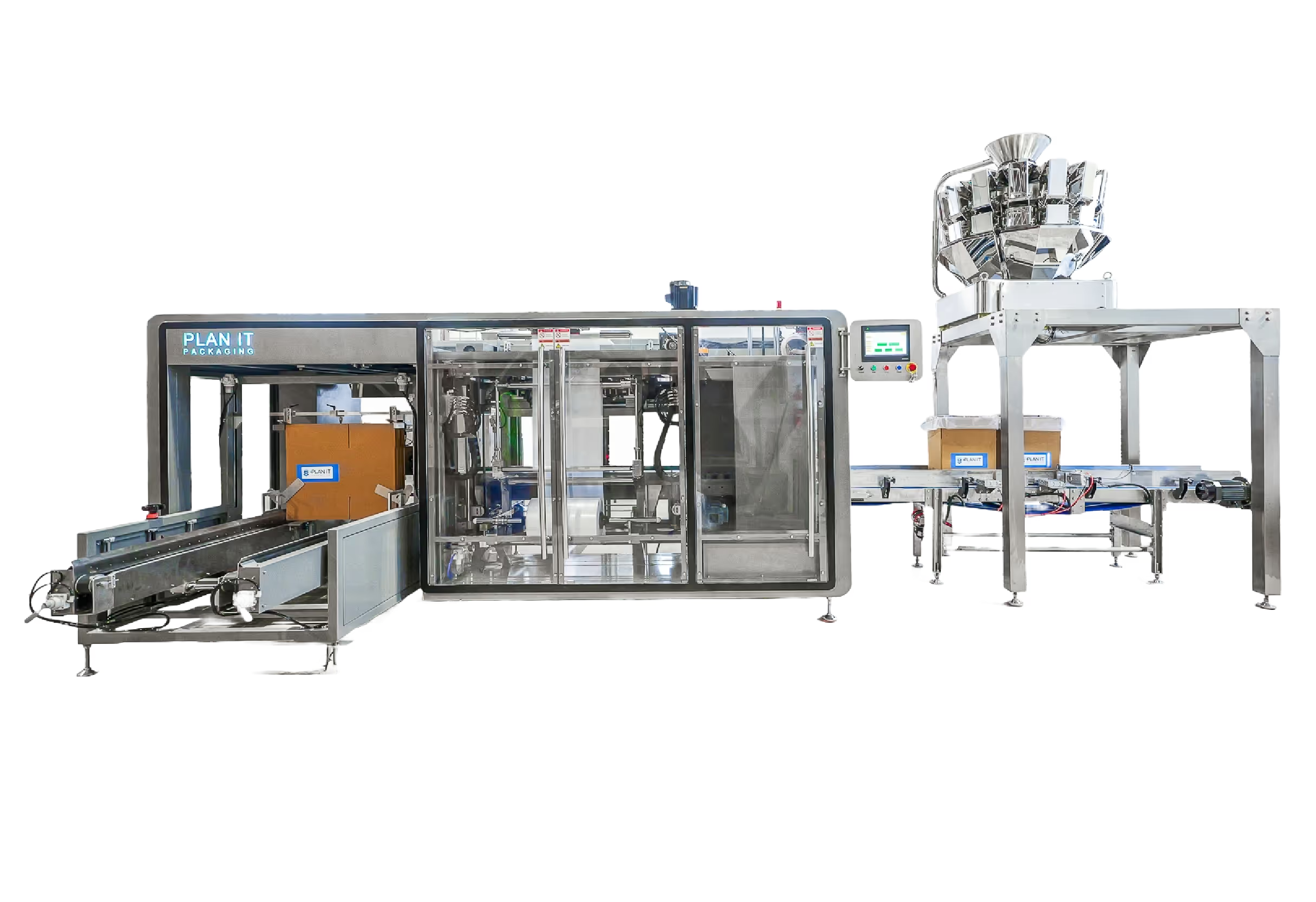
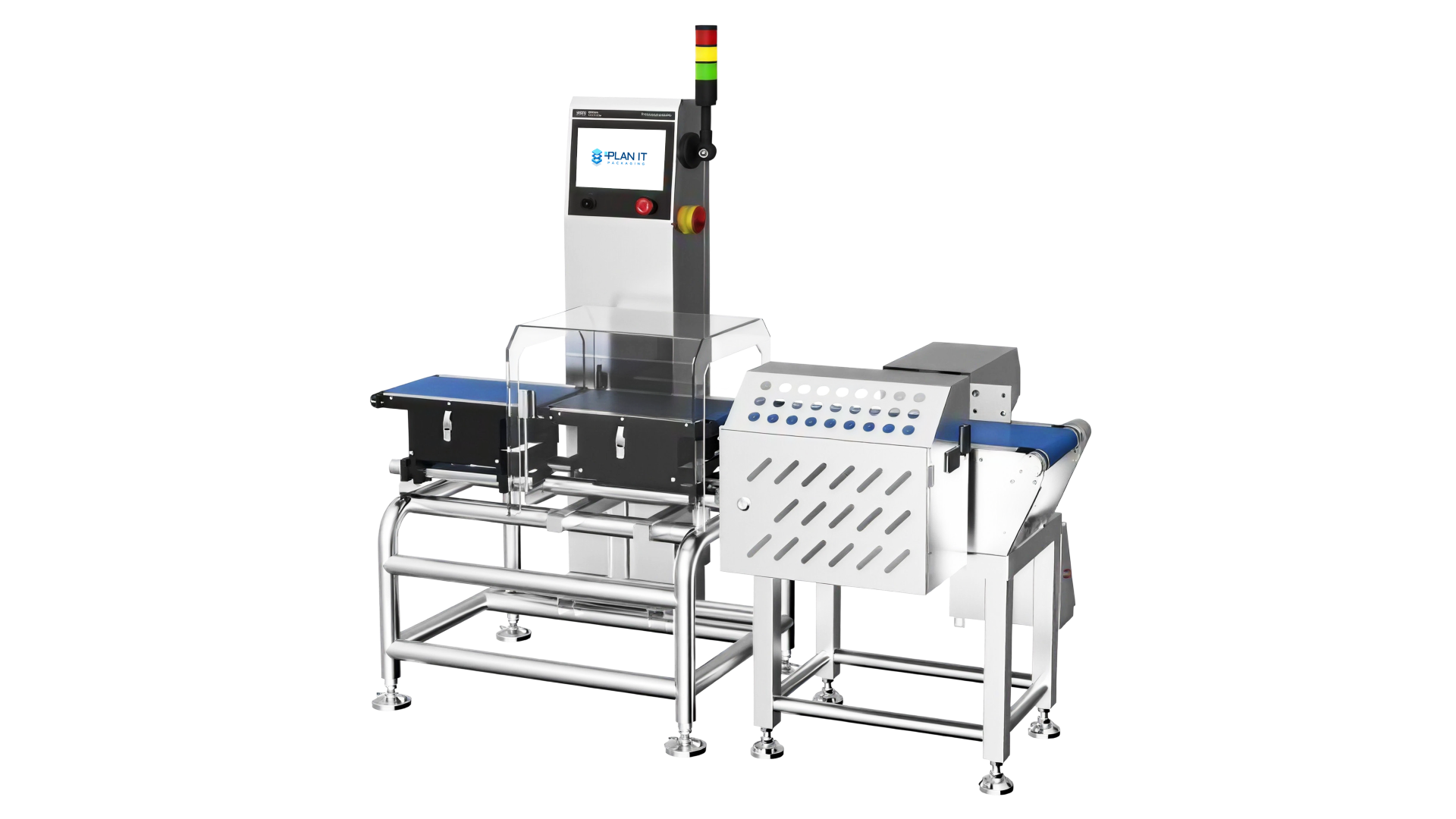
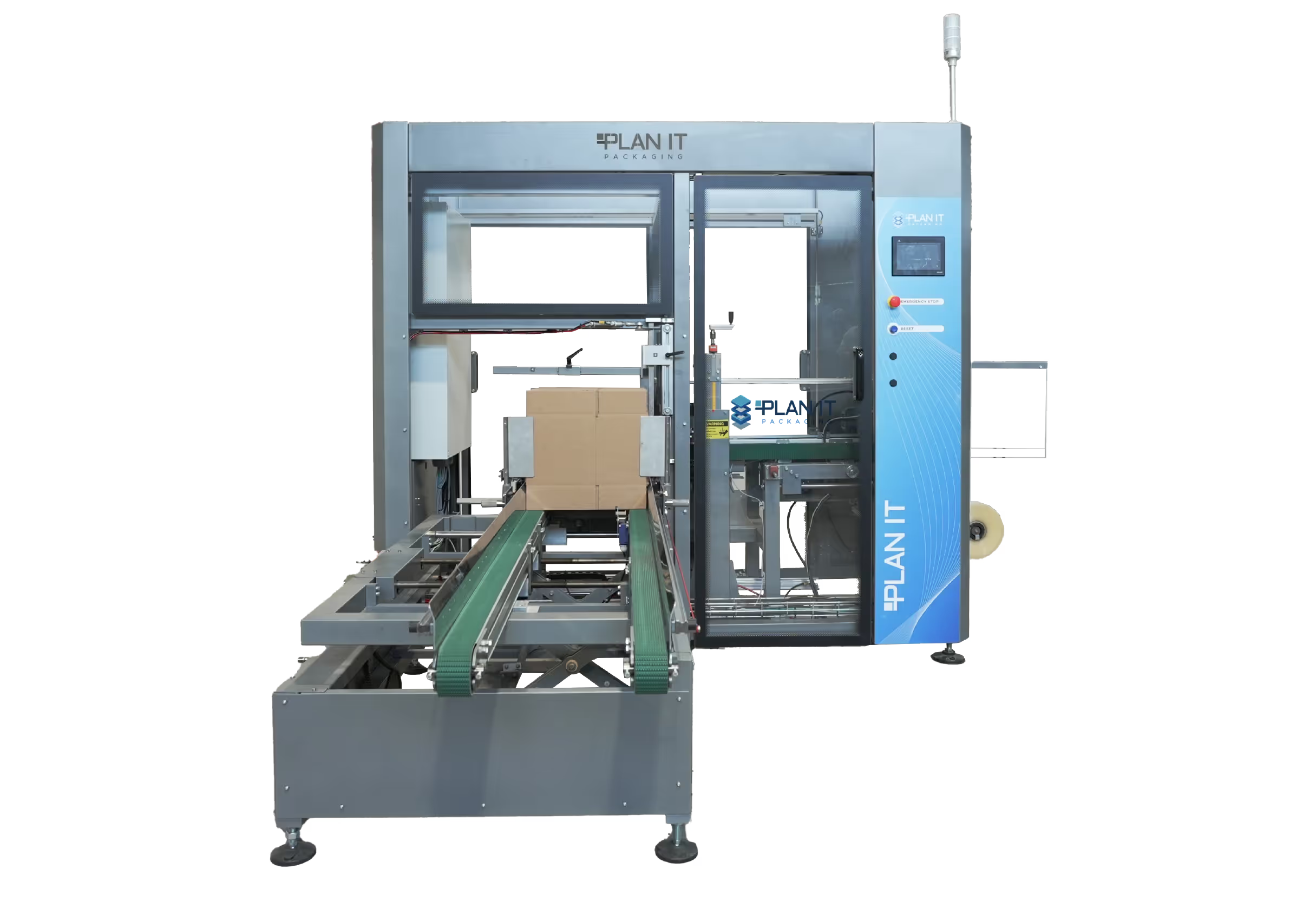
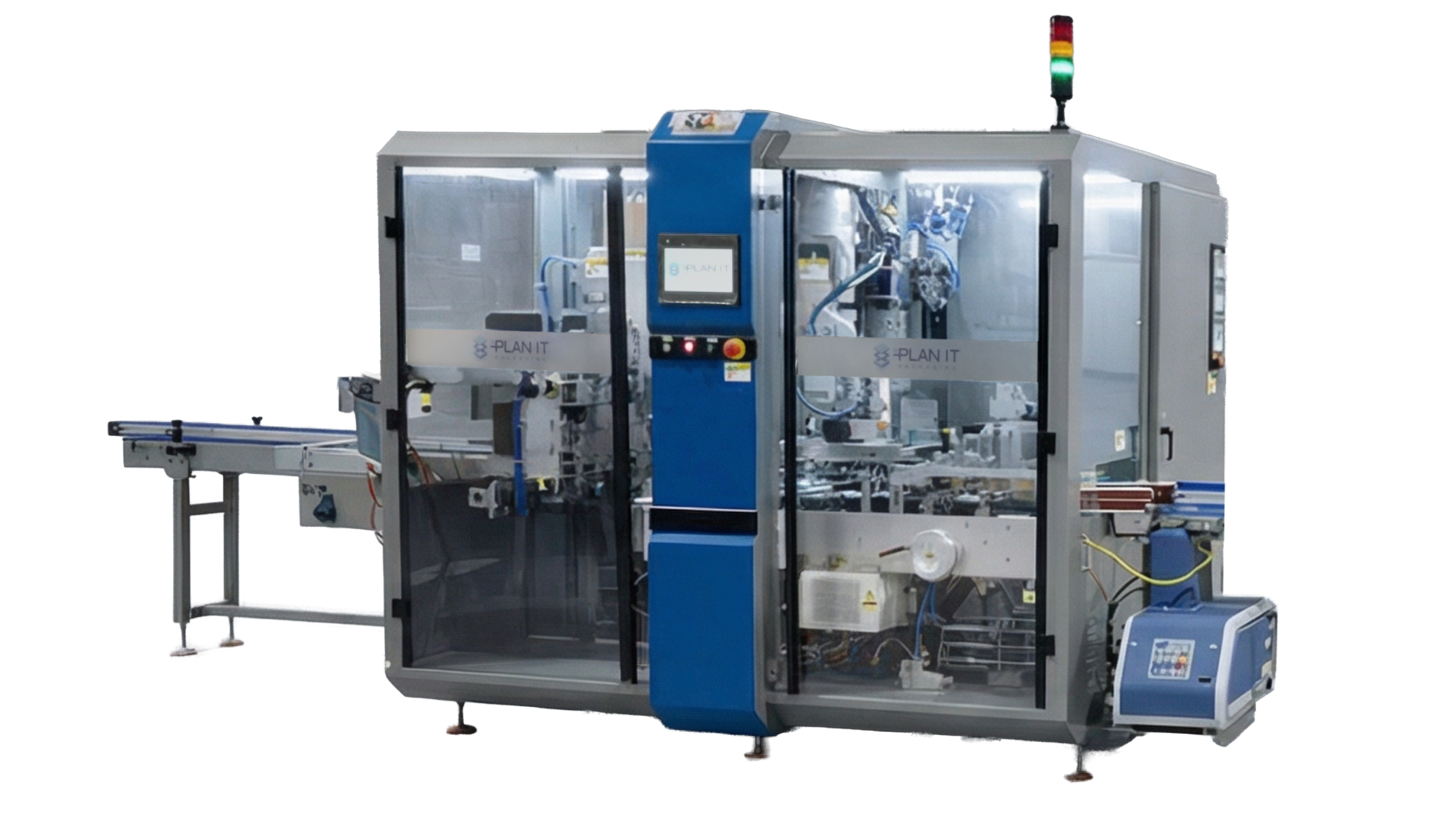
A volume jump like the one in our case study, a food producer scaling output without adding headcount, is the kind of growth packaging automation is built to handle in the Midlands region. PLAN IT's Mars Series VFFS baggers form, fill, and seal packaging at that scale, and our automatic case packers load shipping cases as pallets move out to distribution. Our South Carolina location page and food and beverage industry page cover what we serve here. Individual machine specs are on the VFFS packaging machine and automatic case packer category pages, and our solutions page maps the route from an initial call to an installed, running line. PLAN IT doesn't have a location in Columbia. Our team specs, installs, and supports packaging lines for Midlands-region food and beverage manufacturers whenever that production is ready to scale.


.avif)




%203.avif)


.svg)
.svg)
