Production lines near Coquitlam that still fill and case product by hand are leaving capacity on the table that packaging automation could run overnight instead. The city has never really operated any other way than at scale. Coquitlam's growth began in 1889 when two businessmen opened an enormous lumber mill on the north bank of the Fraser River, a $350,000 operation, an unusually large investment for a lumber mill at the time. The mill drew French-Canadian millworkers from Quebec in such numbers that they founded Maillardville, still the largest Francophone community west of Manitoba, and the Corporation of the District of Coquitlam was incorporated in 1891 largely because that mill needed a municipal government to match its size. A production operation built to run raw material in and finished product out, at volume, is exactly the model modern packaging equipment was built to serve.
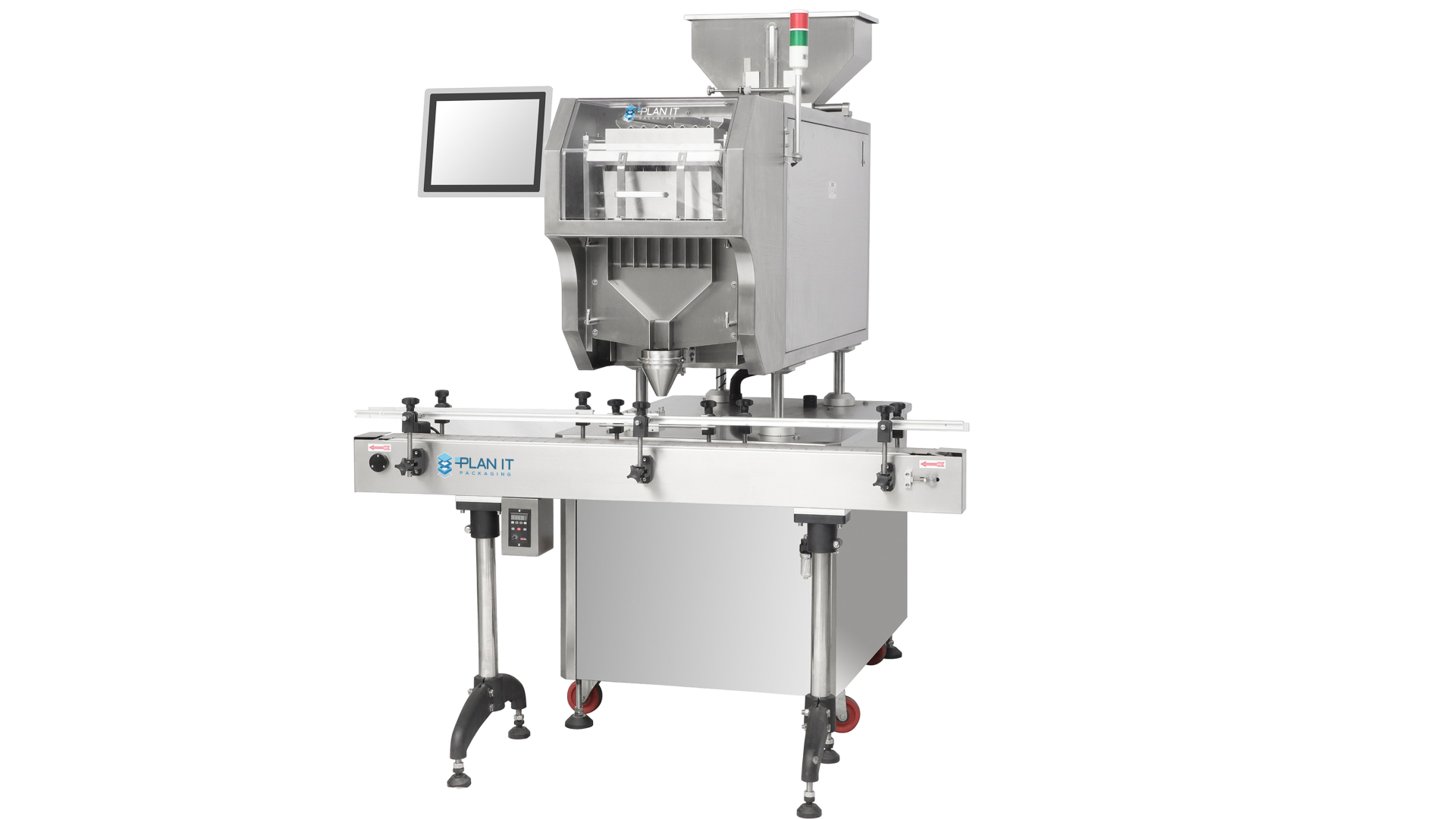
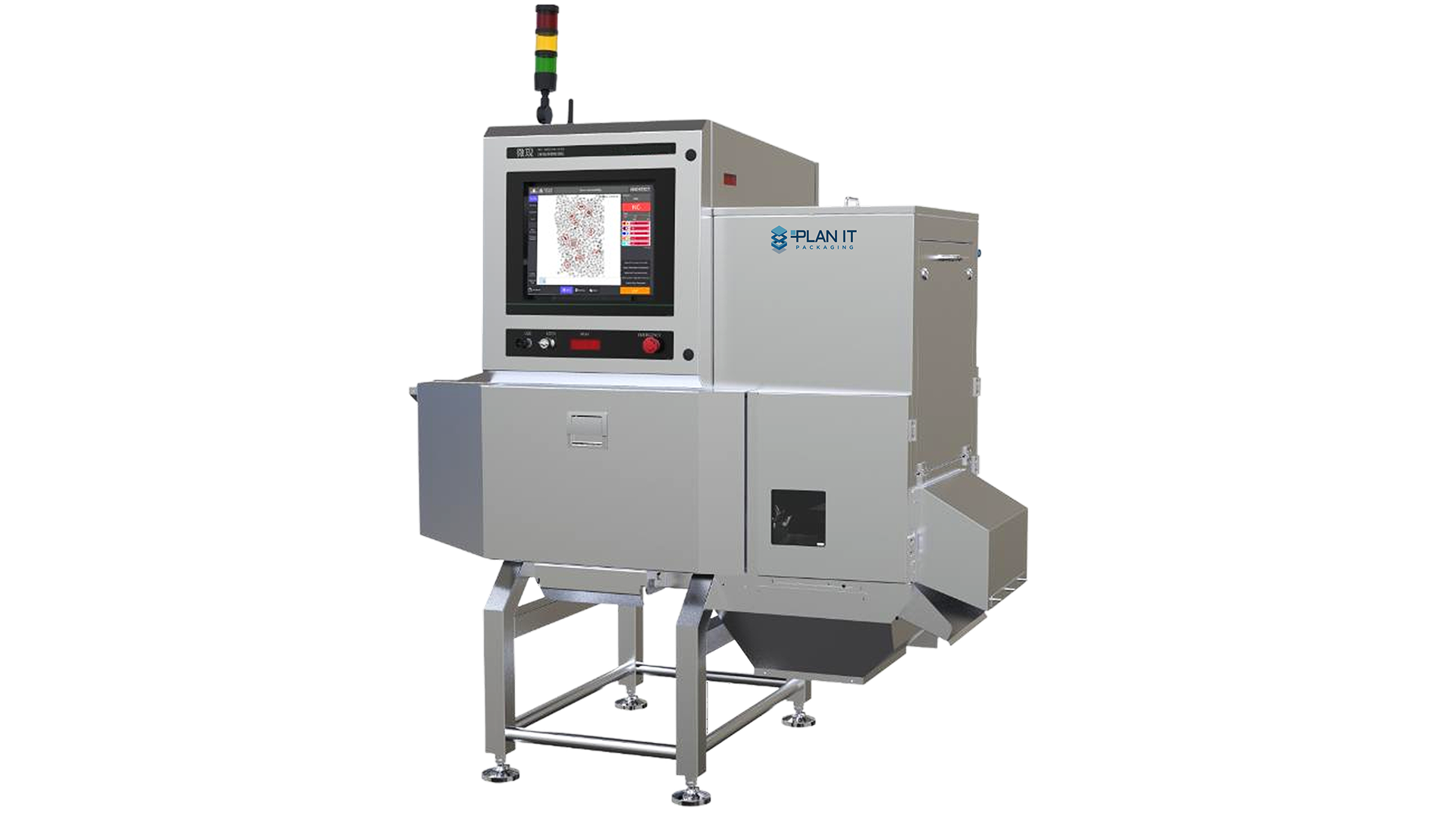
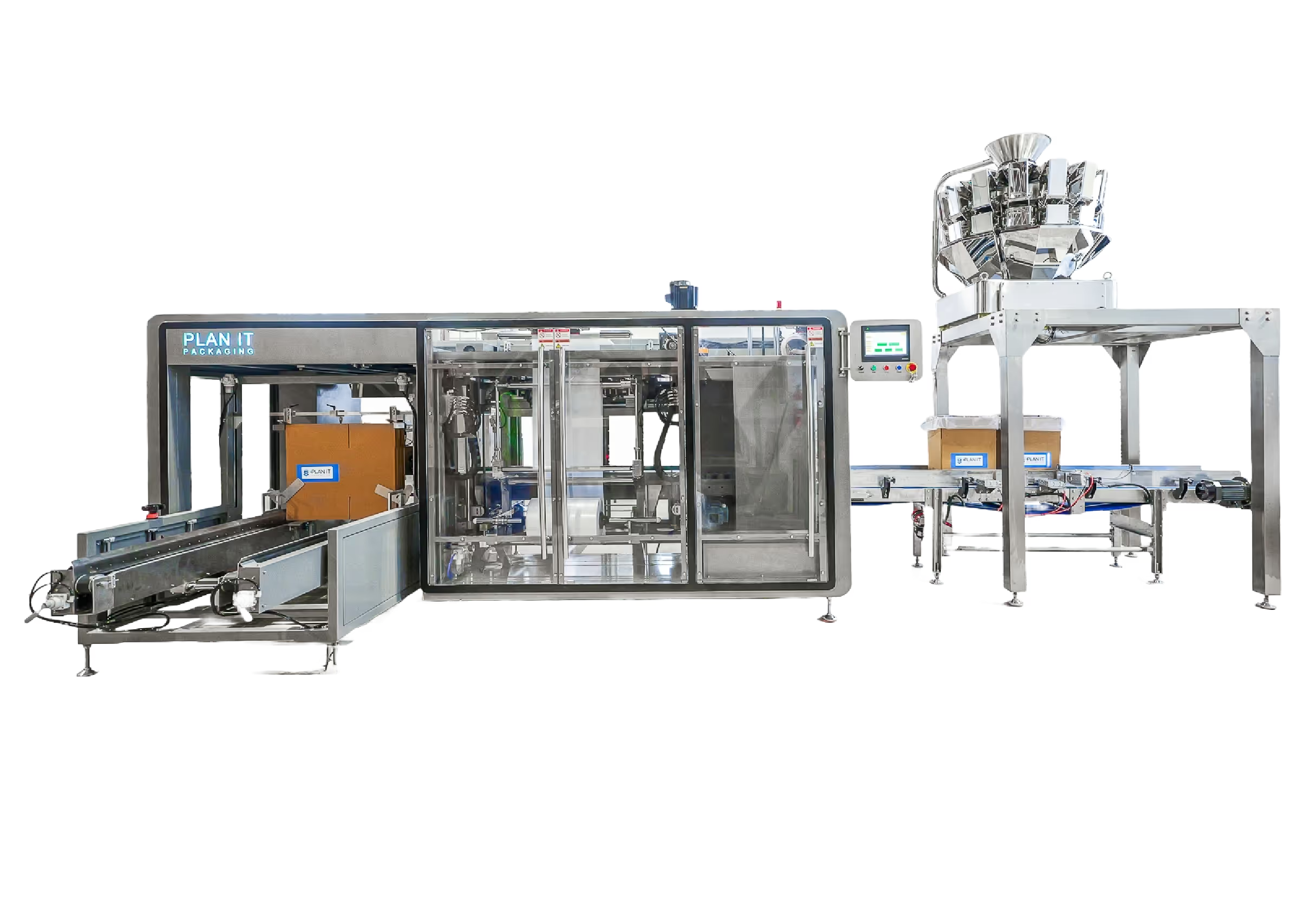
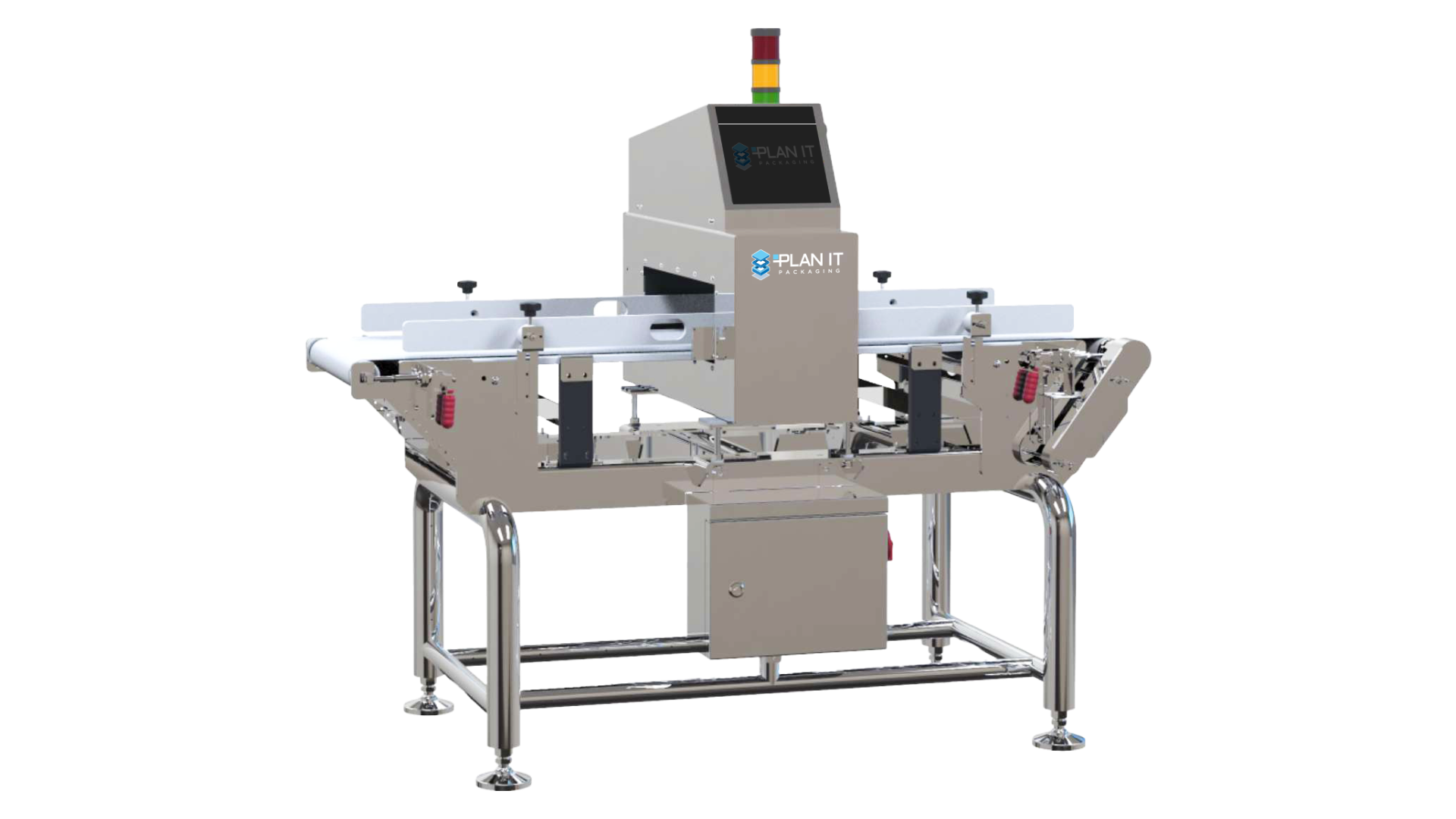
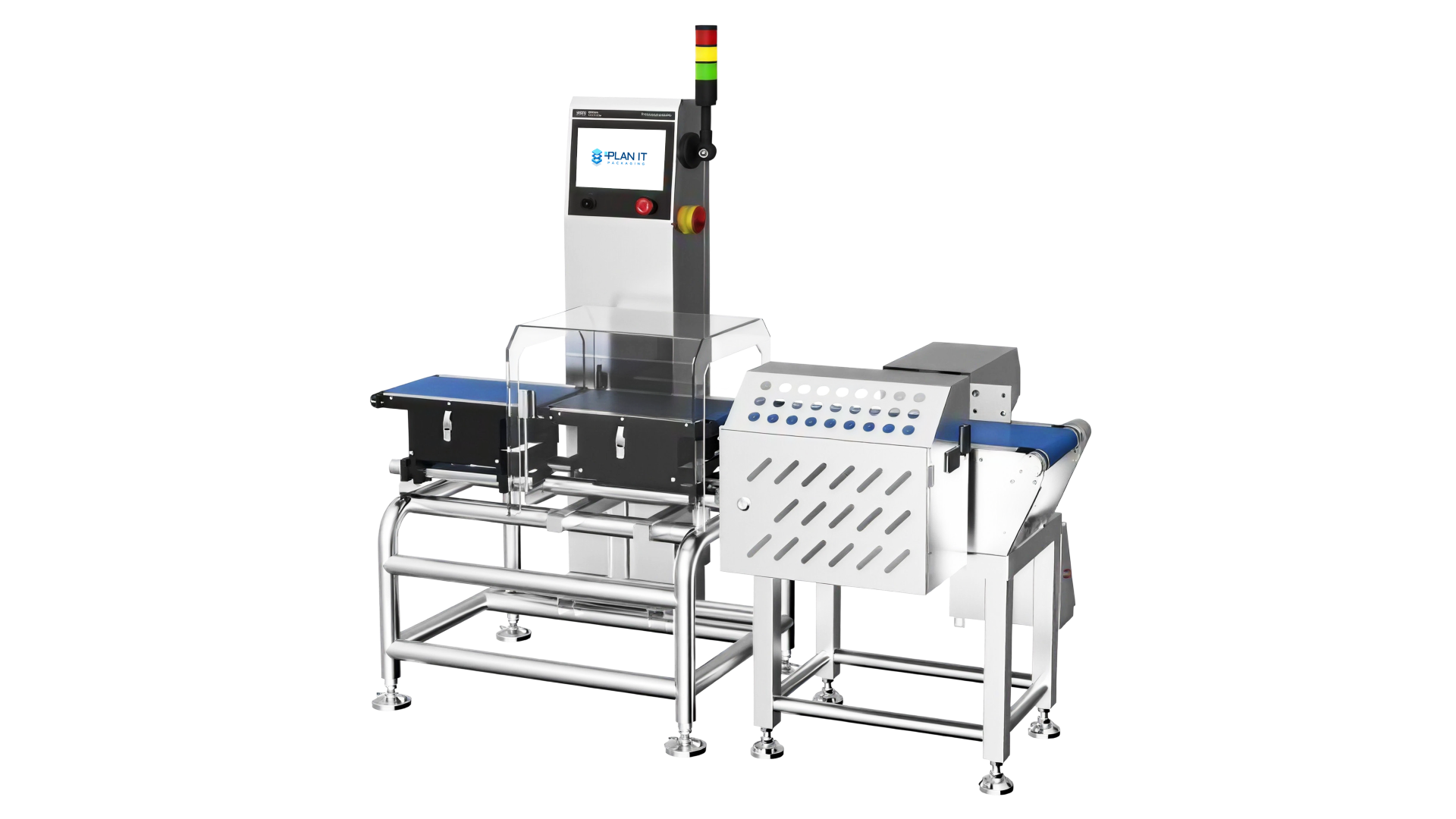
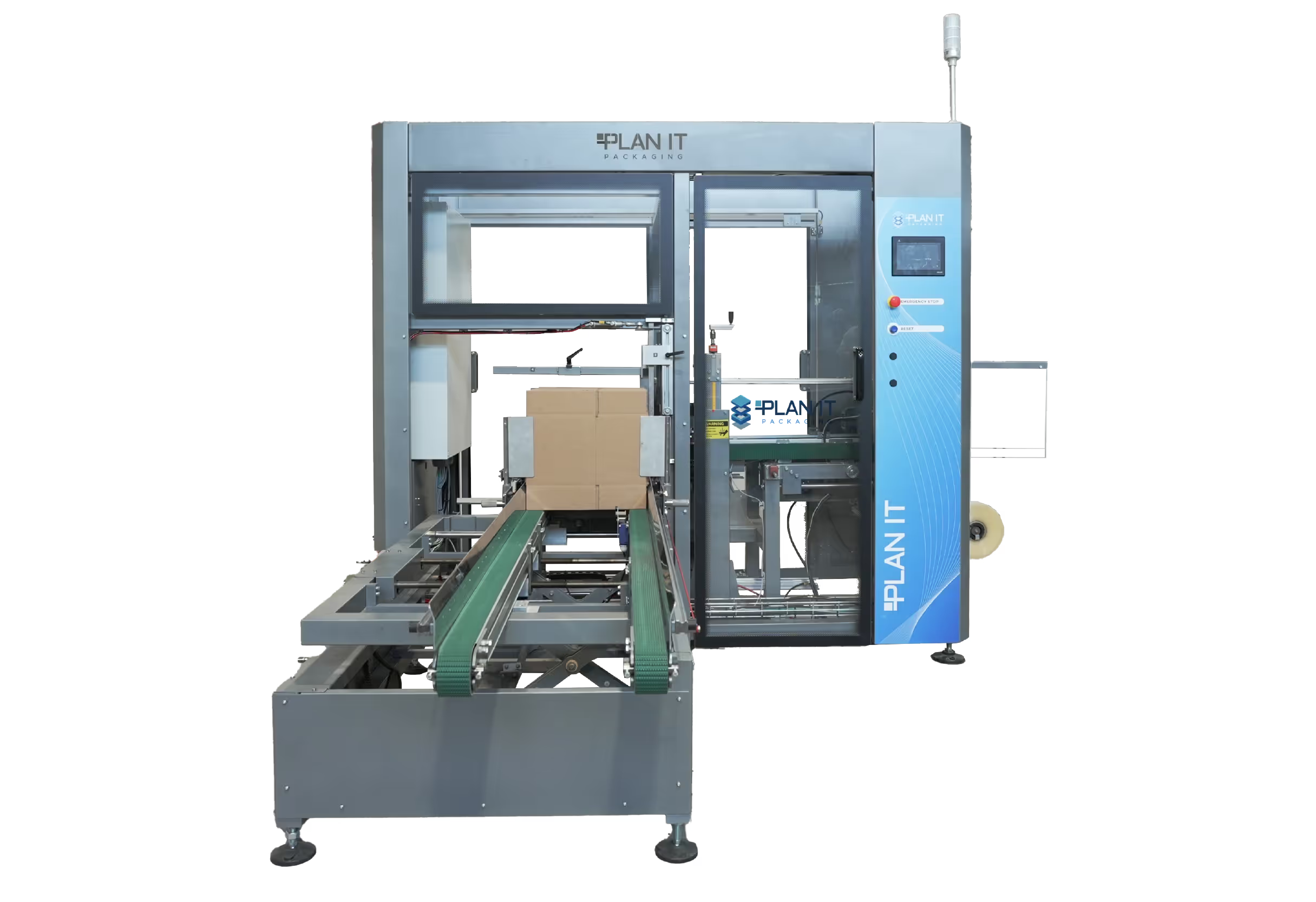
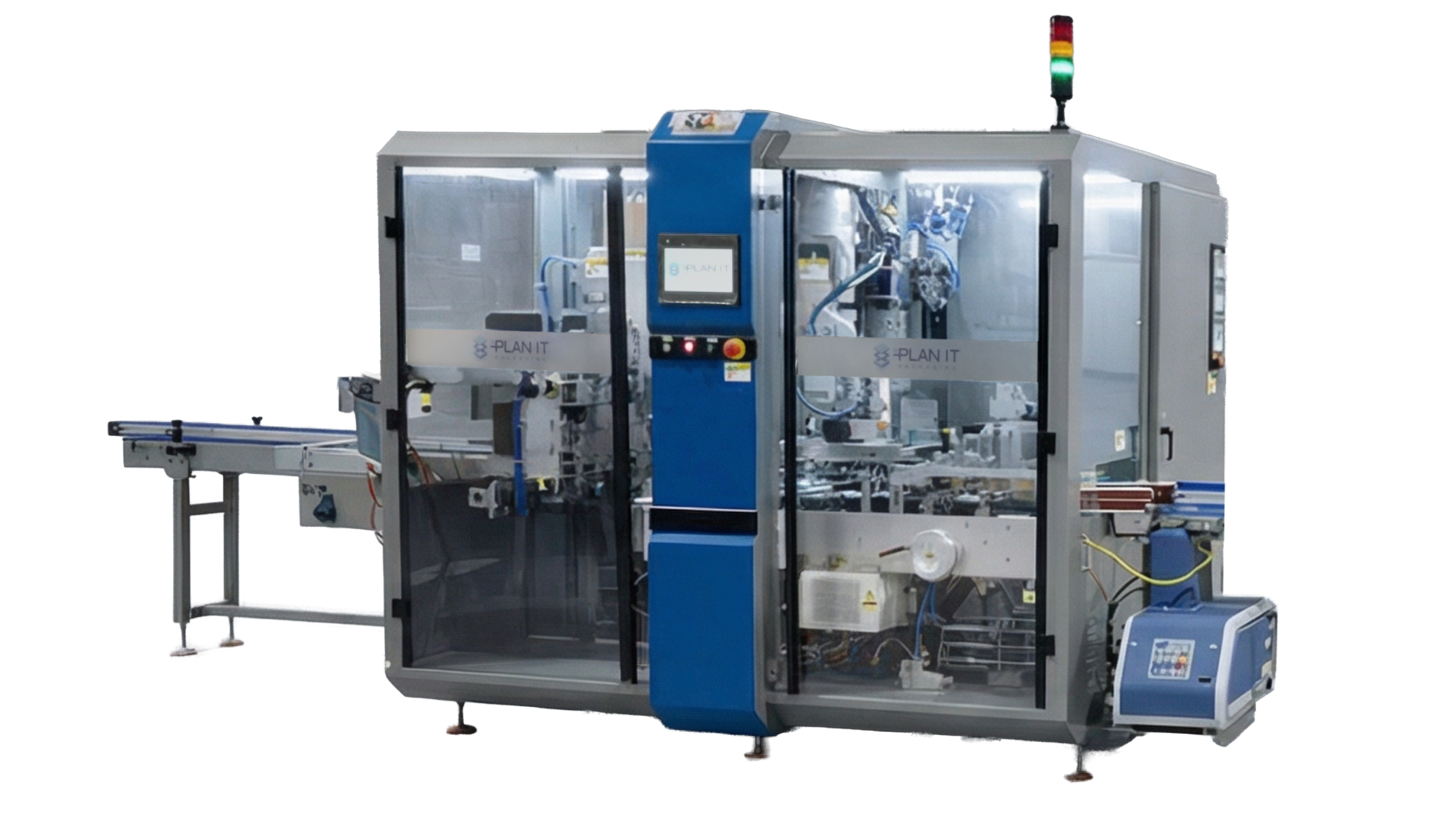
We build that model for manufacturers across Metro Vancouver, detailed on our British Columbia coverage page: Mars series VFFS machines that form, fill, and seal bags without a manual step in the process, automatic case packers that erect and load cases at the speed the bagging line sets, and cobot palletizers that stack finished cases onto a pallet at the end of the line. Your product line is the part you already know cold; we handle the bagging, casing, and palletizing built around it. Even a single automated line removes the labor bottleneck that hand-filling and hand-casing create, and it does it without the downtime that comes from running equipment past its design capacity, all covered in our solutions overview. Maillardville grew out of one production line running at full scale in 1889. A modern packaging line brings that scale to a plant that already runs, no second $350,000 mill required.


.avif)



%203.avif)


.svg)
.svg)
