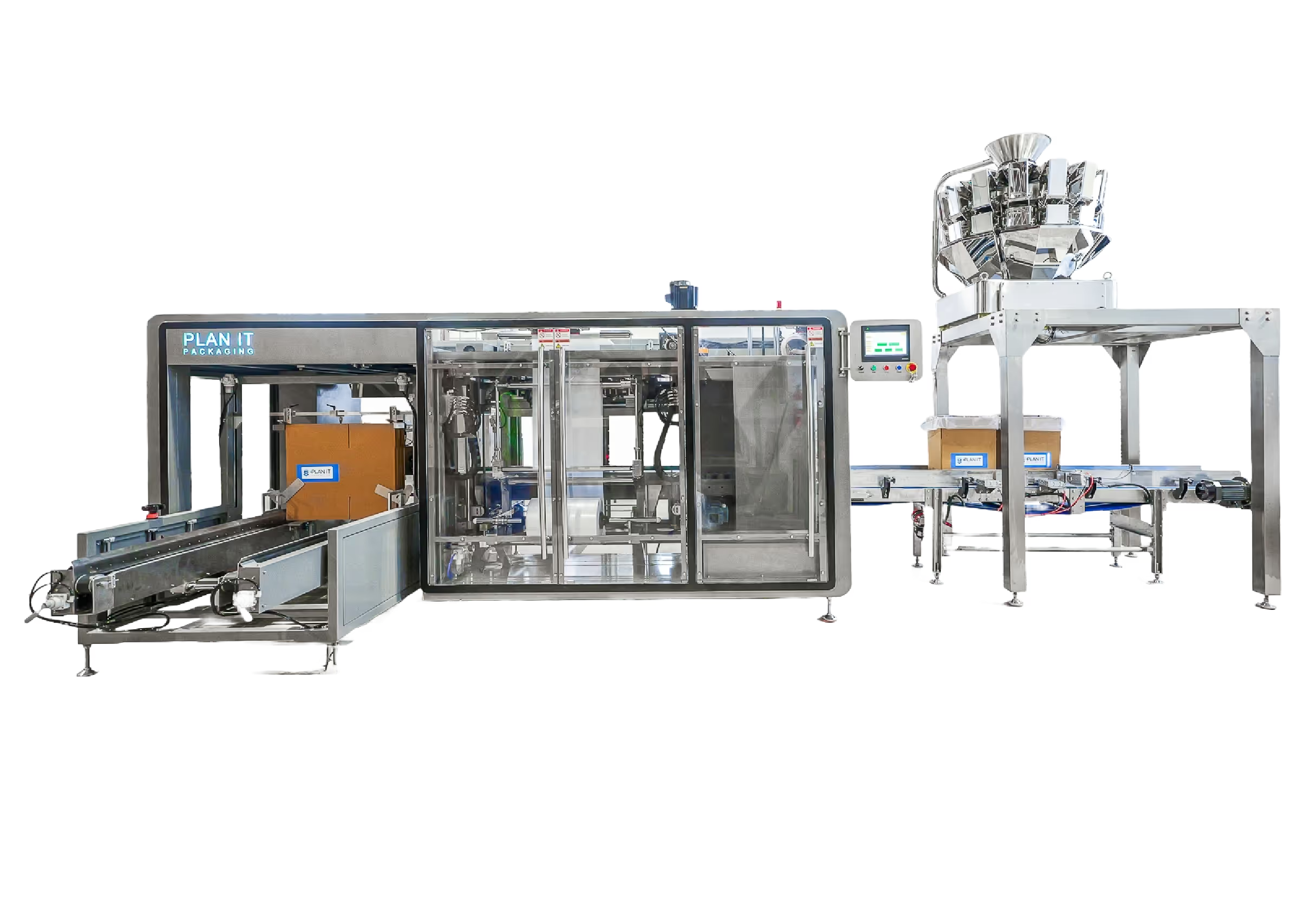
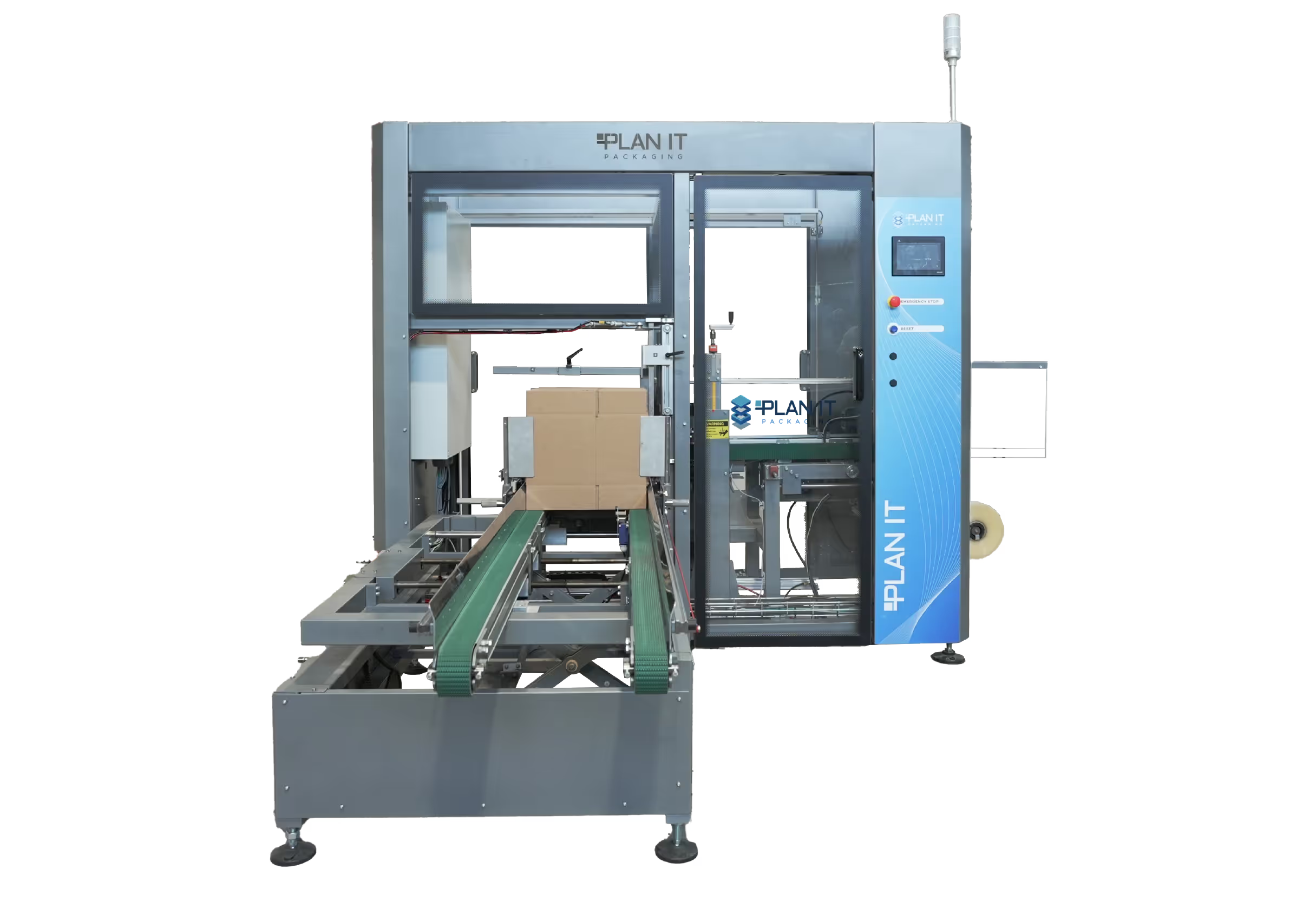
Manufacturing, particularly automotive, is the most heavily represented economic sector in Detroit today, a position built over more than a century. In the late 19th and early 20th centuries Detroit grew into a major industrial hub at the center of the Great Lakes region, and by 1920 its population had climbed to the fourth-largest in the nation as the automotive industry expanded. Downtime isn't an option on an assembly-line schedule. Packaging automation for the parts, tooling, and hardware suppliers that feed that supply chain has to match the same volume and reliability standard the assembly plants run on: Mars Series VFFS bagging for small-parts and hardware kitting, robotic case packers that box components fast, and PackMaster cobot palletizers that stack pallets at line speed.
Detroit's mid-20th-century stretch of industrial restructuring and auto-job losses hit the city hard, but downtown has seen a real wave of corporate relocations in recent decades, including a major financial-services company that moved its world headquarters and roughly 4,000 employees downtown in 2010. An assembly line doesn't wait. Neither should the packaging line behind it. Our case study on a co-packing operation scaling up with automated palletizing shows the same standard we build for automotive suppliers: consistent throughput without a line stoppage. If your shift schedule runs around an assembly plant's, our case packing and palletizing lines are built to match that pace. Our Michigan locations page and our solutions page cover full-line integration for plants scaling beyond a single machine.


.avif)




%203.avif)


.svg)
.svg)
