Tobacco and textile manufacturing built Durham's economy for most of a century. That manufacturing ran on packaging automation long before the term existed, and downtown still carries the evidence: the city's tobacco factories ran until 1987, when the last major closure triggered a real economic downturn, and the old warehouses sat mostly empty for years before being renovated into the mixed-use district anchored there today. The turnaround started decades earlier. In the late 1950s, local research universities persuaded the North Carolina state legislature to fund Research Triangle Park, the nation's first science park built specifically for industry, carved out of land in southern Durham County. That park, combined with the growth of a major academic medical center in the city, offset the tobacco and textile decline and gave Durham a second economic identity built on research, health care, and life sciences rather than manufacturing floor space.
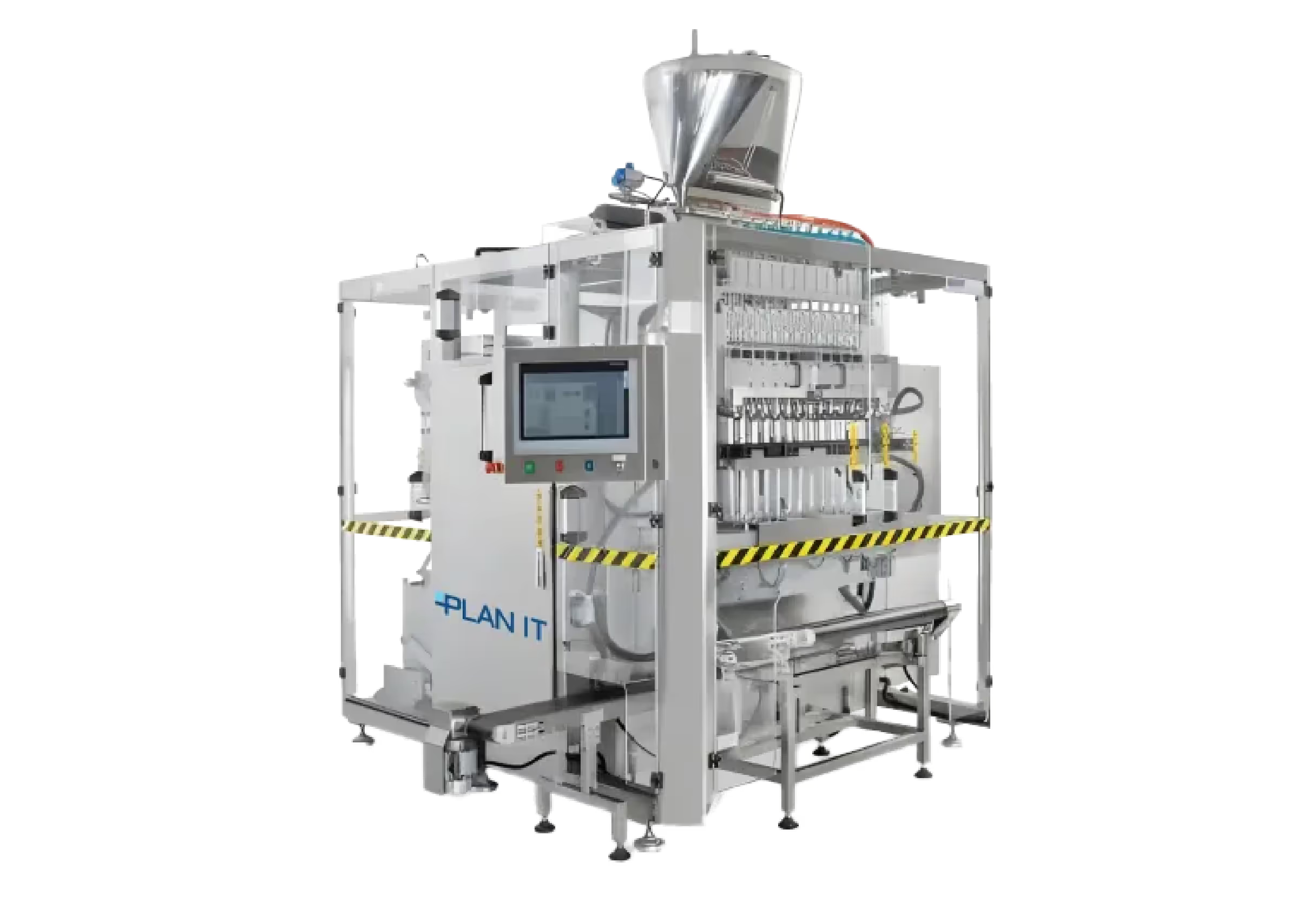
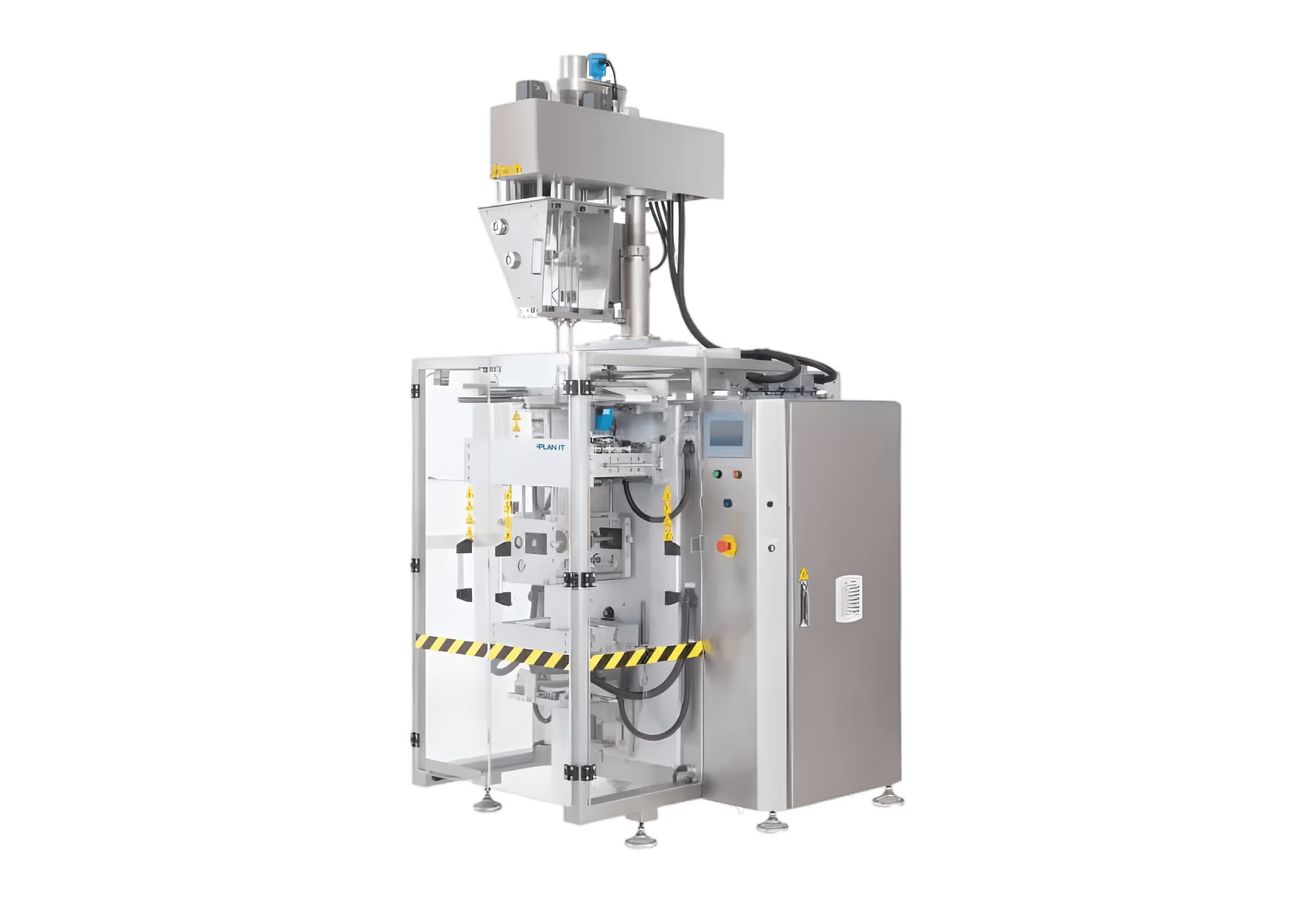
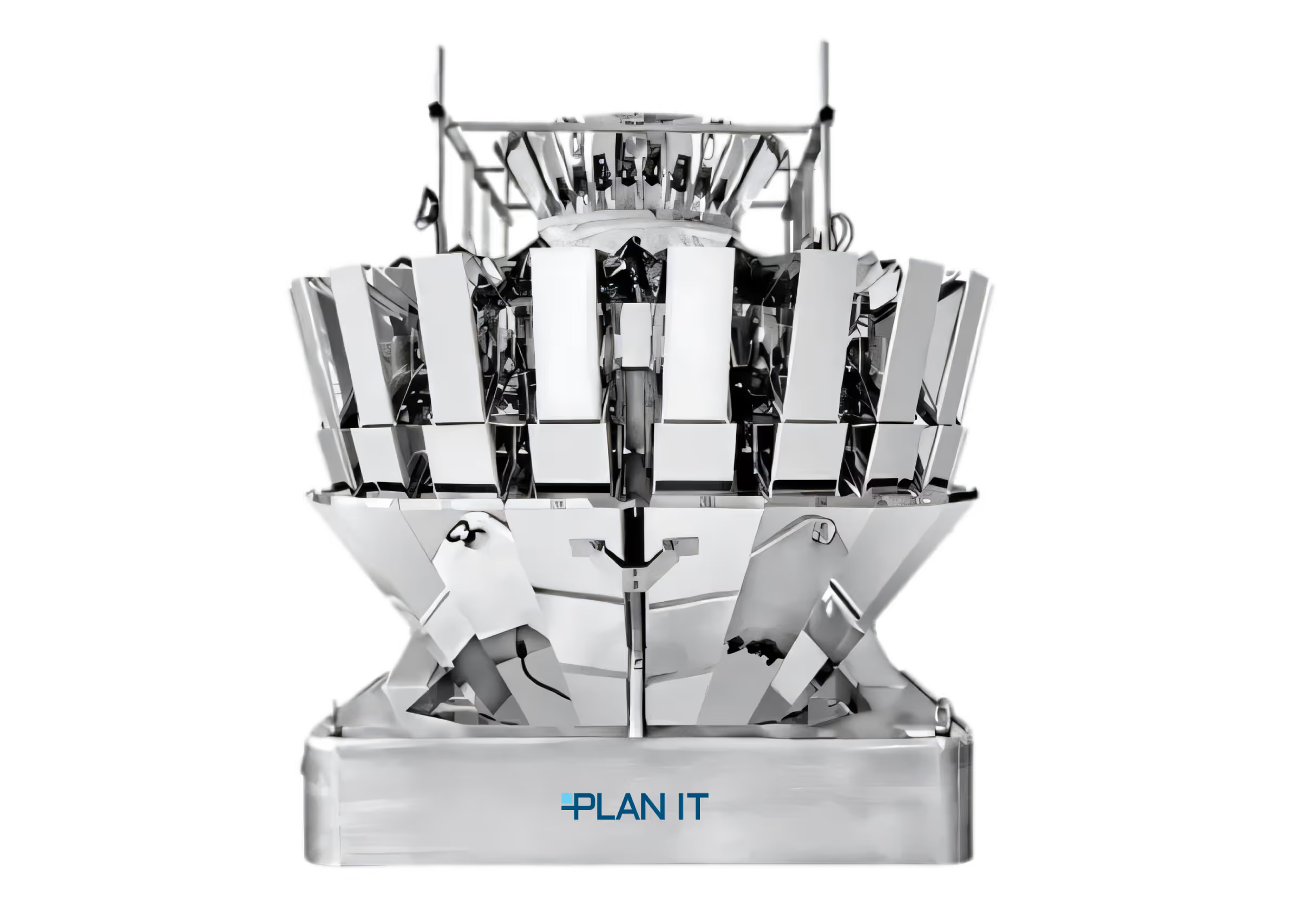
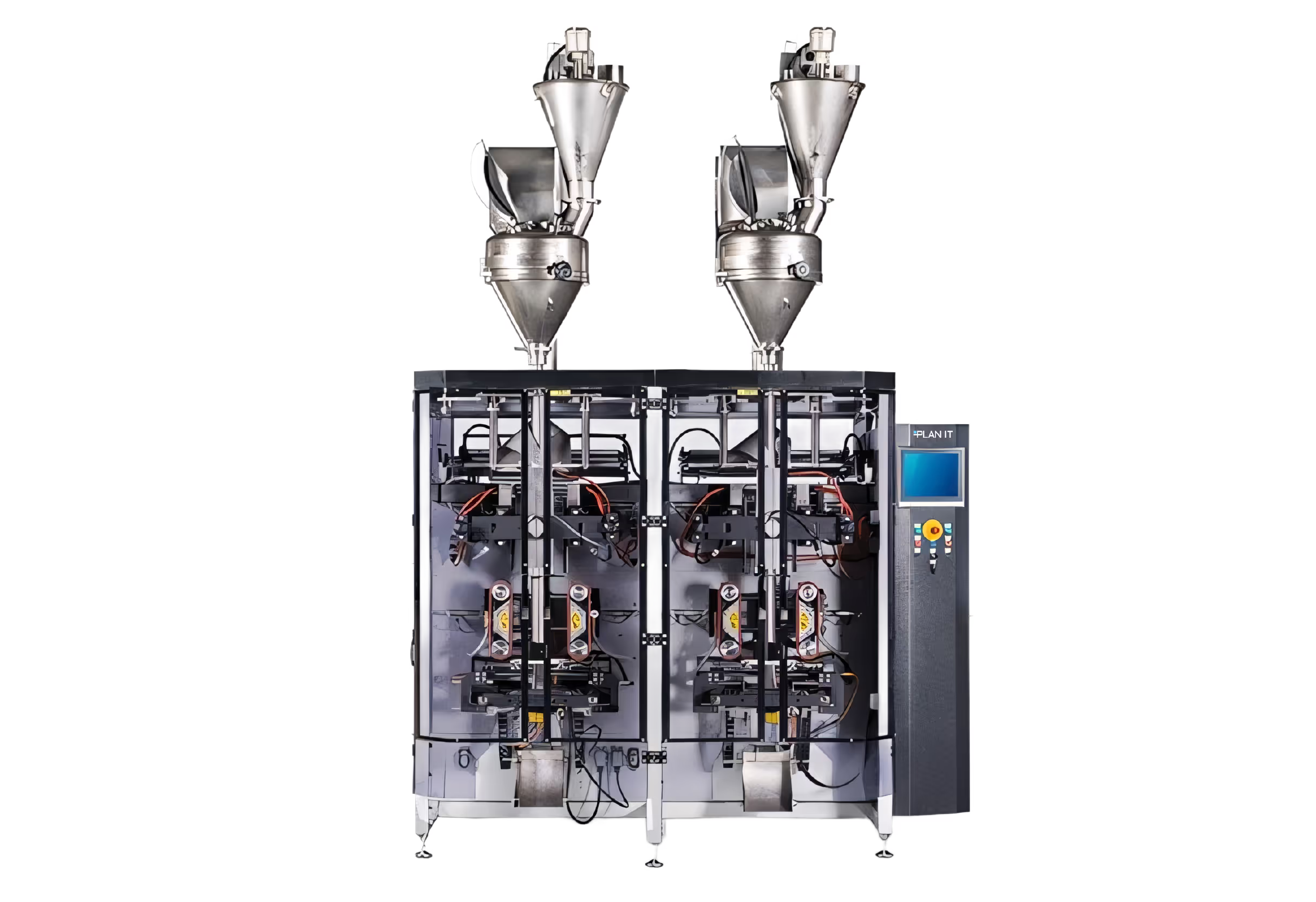
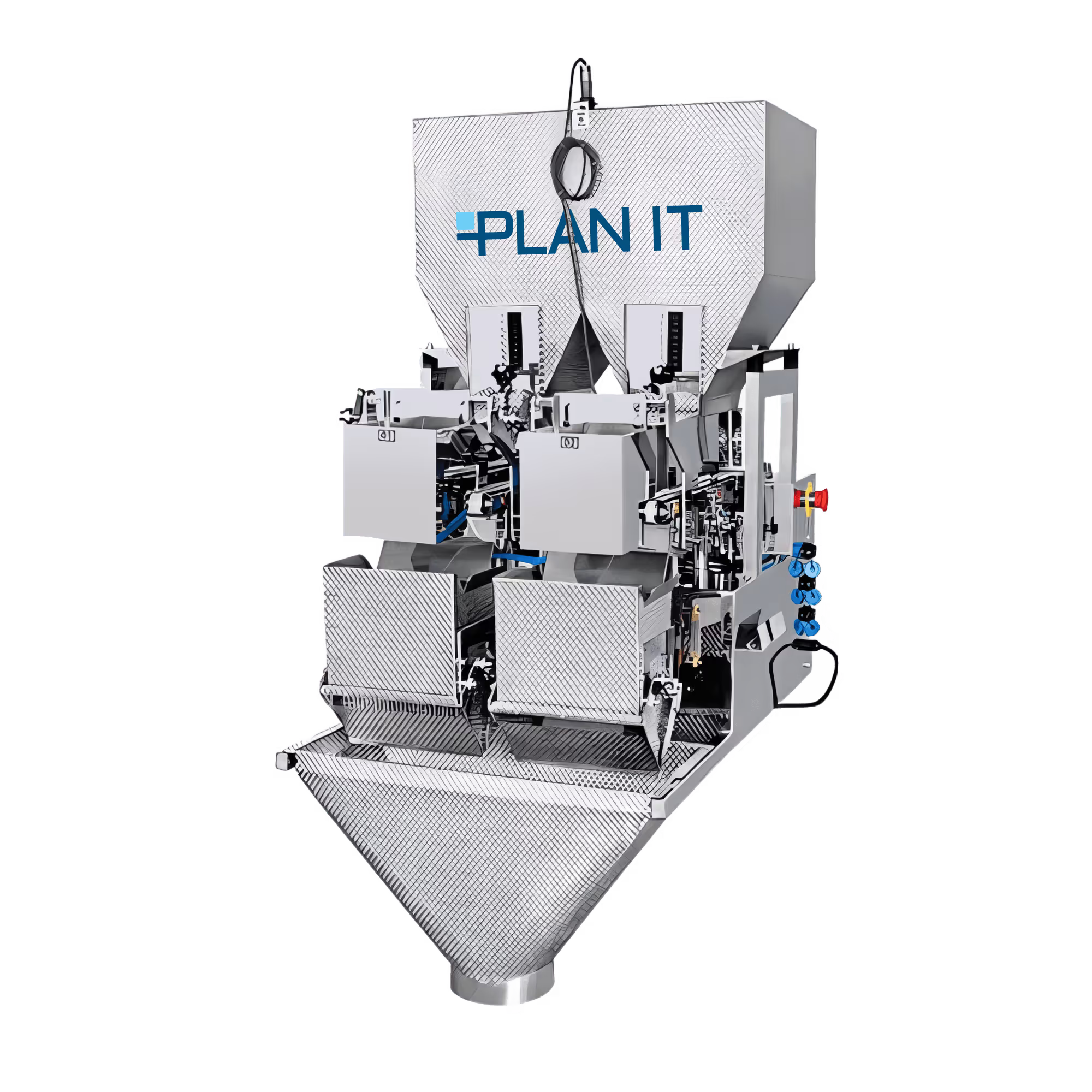
Pharmaceutical and nutraceutical packagers serving the region's health-sciences cluster still need precise, validated packaging lines: our stick-pack and sachet machines handle single-dose powders and supplements, our RotoBagger premade-pouch machines run flexible pouch formats for health and personal-care products, and our metal-detection and X-ray inspection systems catch contamination before product ships, a requirement that only got stricter as the city's health-industry base grew. A research university's medical system and a science park full of life-sciences tenants are now Durham's largest employers, and the packagers supplying that cluster are exactly who PLAN IT builds machines for. Elsewhere in our network, the same Mars Series VFFS baggers and automatic case packers behind our published co-packing case studies run at that same validated pace. PLAN IT keeps no Durham office. Tell us what your line is validating for, and we'll match you with the pouch, stick-pack, or inspection setup it needs, serviced out of Toronto and Tampa.


.avif)



%203.avif)


.svg)
.svg)
