Cold storage and container cranes line the Port of Halifax for one reason: seafood moves through this gateway faster and in greater volume than almost anywhere else in Atlantic Canada, and that volume is exactly why packaging automation runs through this city's biggest processors. One of North America's largest vertically integrated seafood harvesters and processors, working lobster, scallops, and shrimp, is headquartered just outside the city in Bedford, and the largest prepared-seafood processing company in North America keeps its corporate head office in Halifax alongside a manufacturing plant down the coast in Lunenburg, Nova Scotia. If your line runs anywhere near that volume, cold, wet, and high-throughput, it needs packaging equipment built for that reality, not a generic dry-goods setup. A production brewery in the city's North End adds a beverage-packaging angle to the same corridor, running alongside the seafood export volume that defines Halifax's port economy.
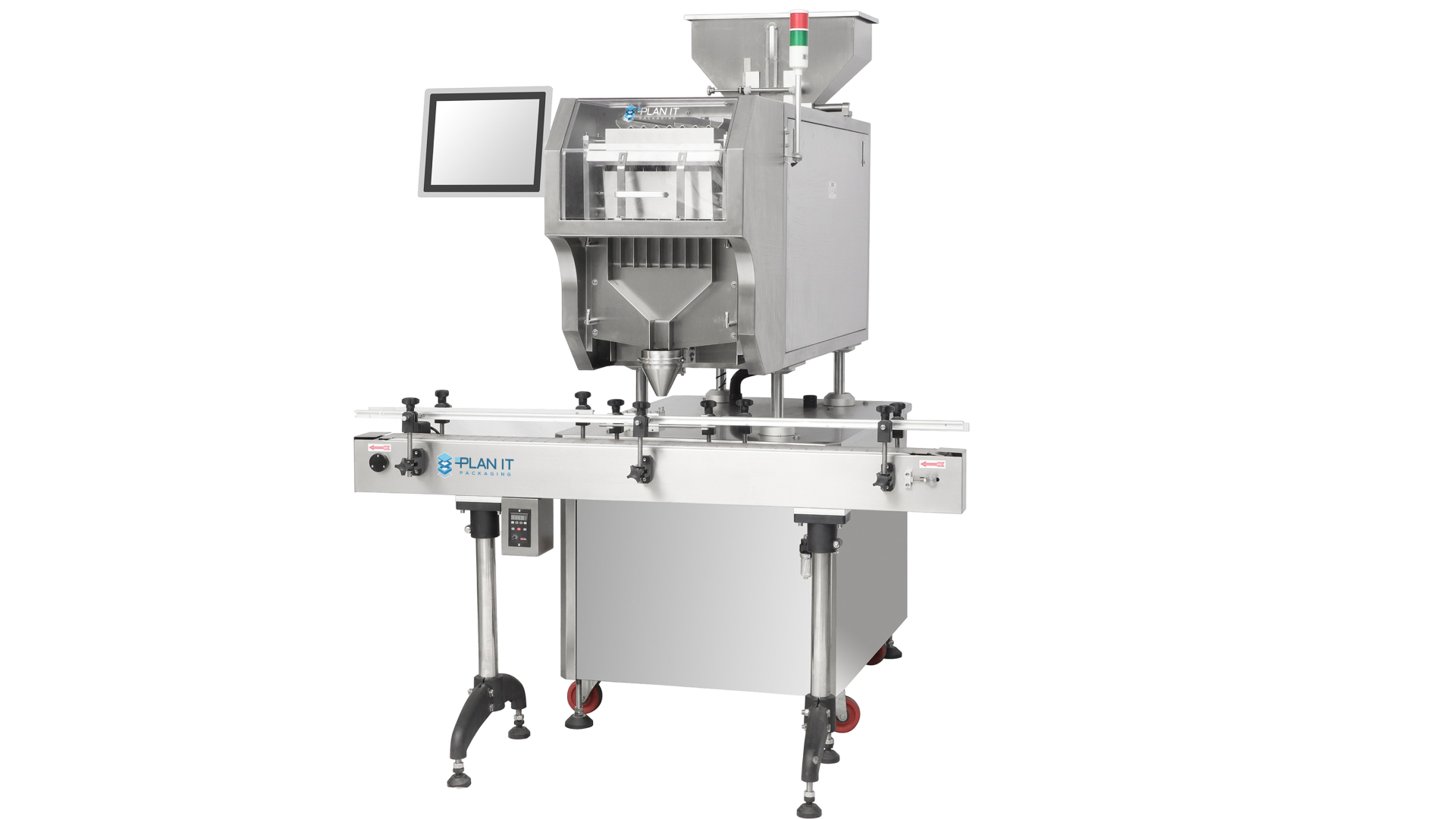
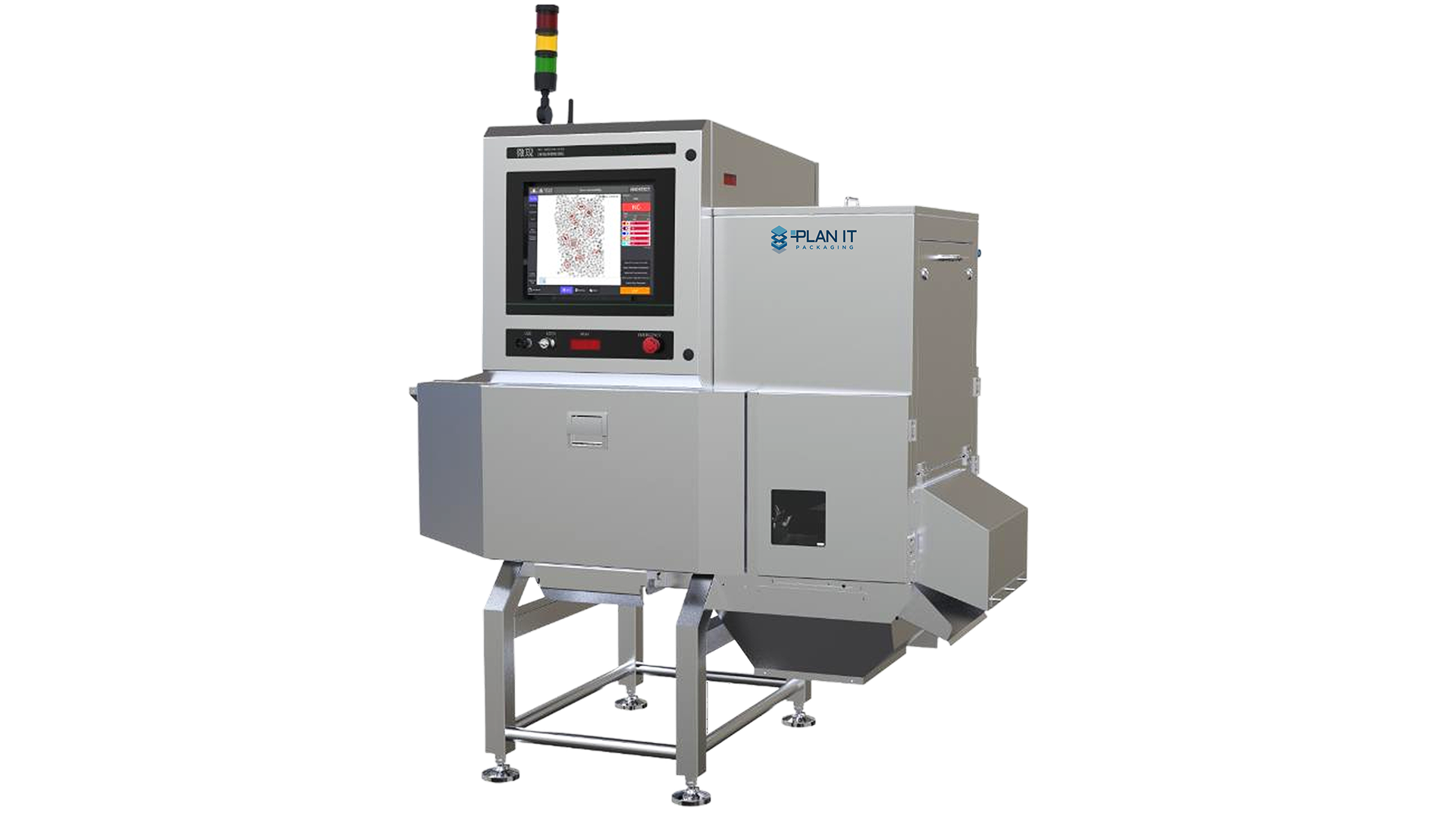
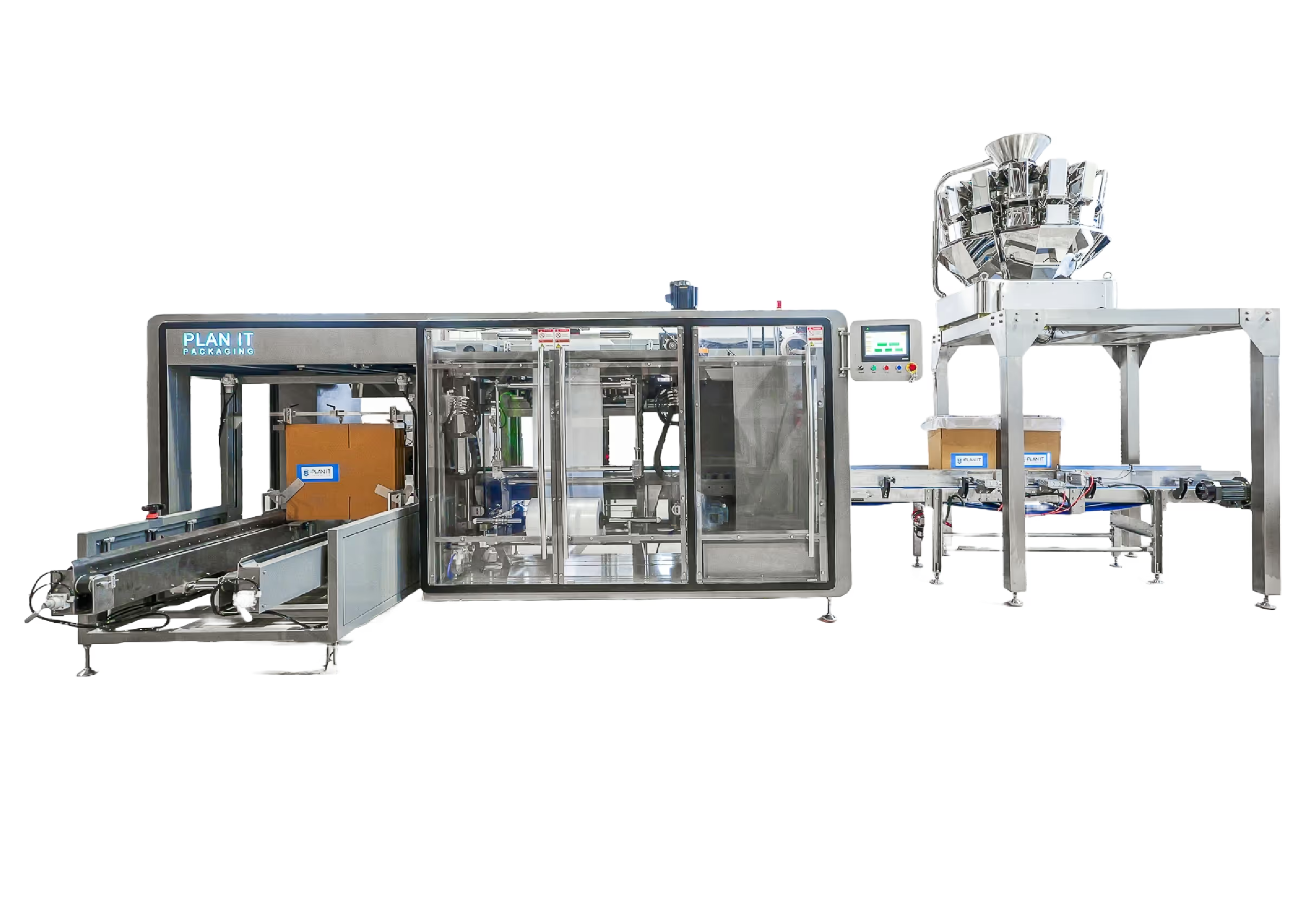
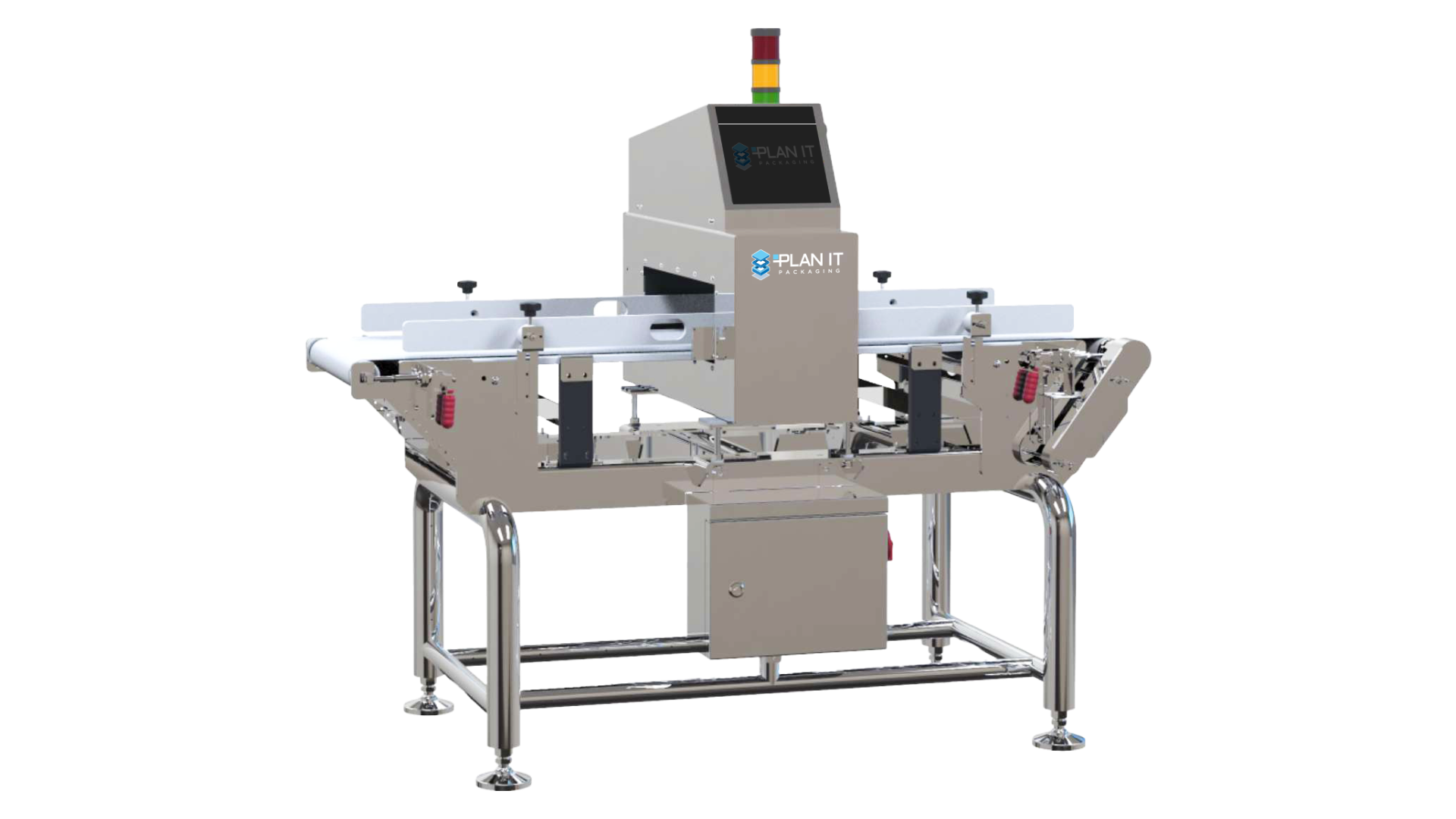
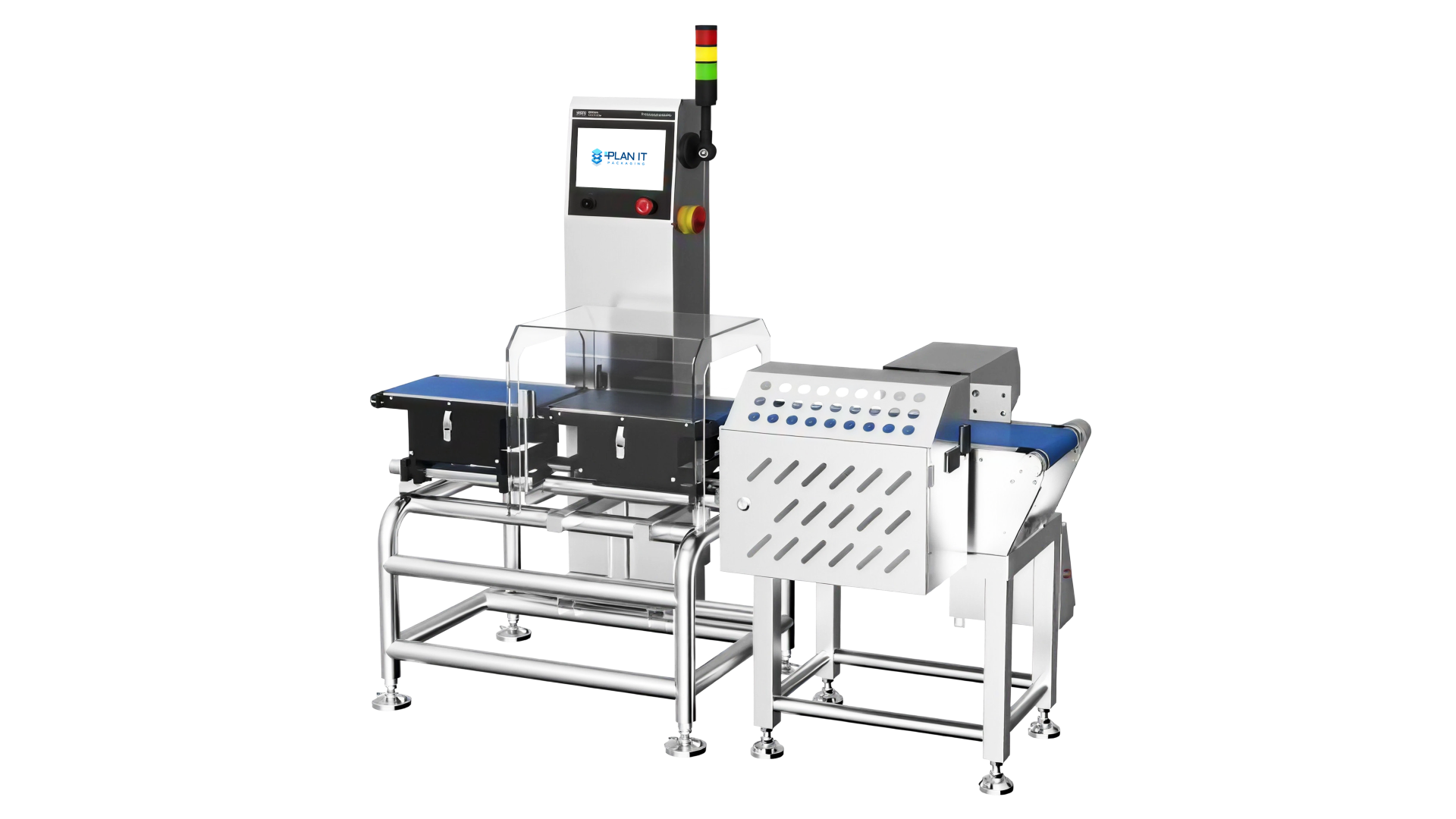
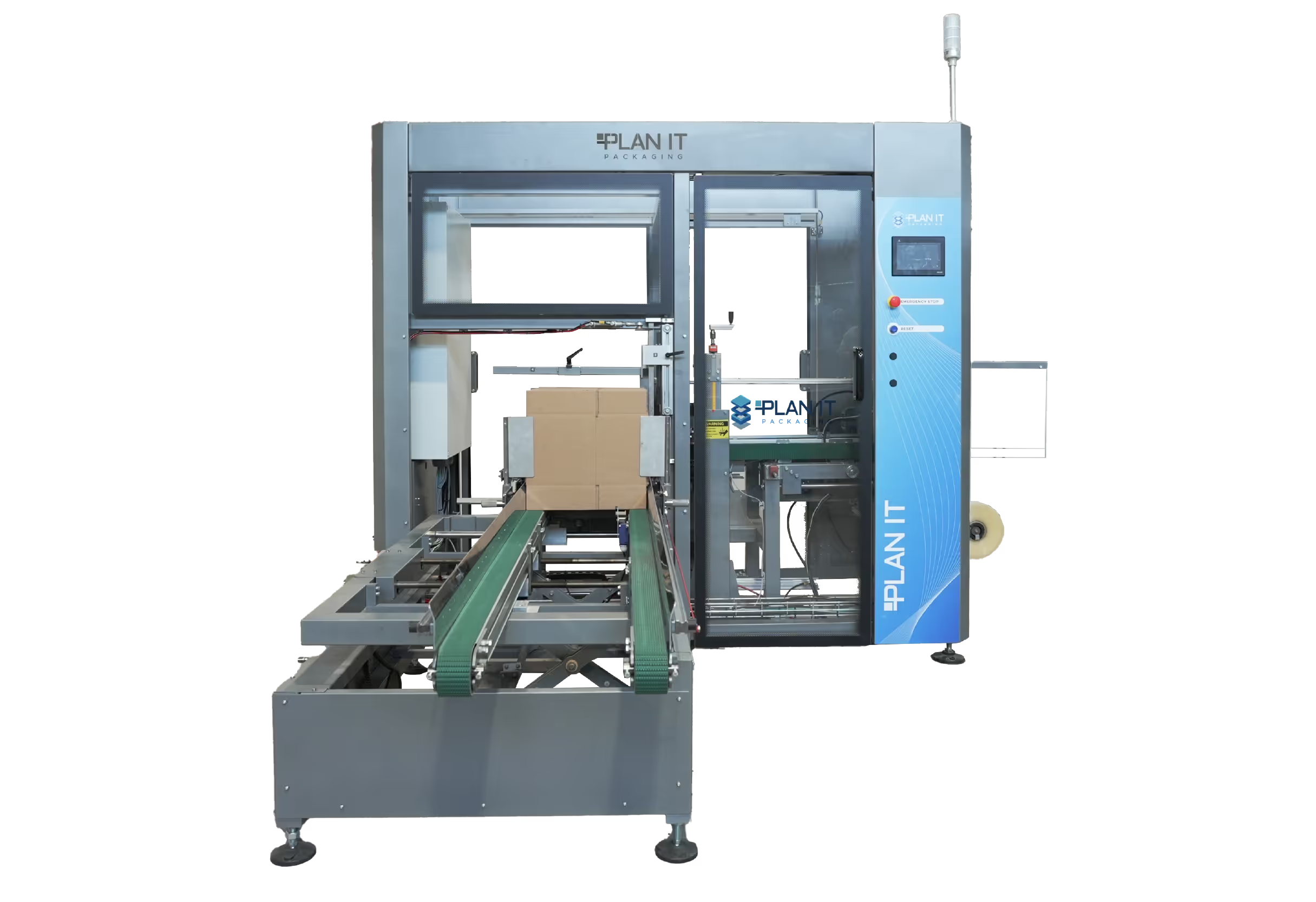
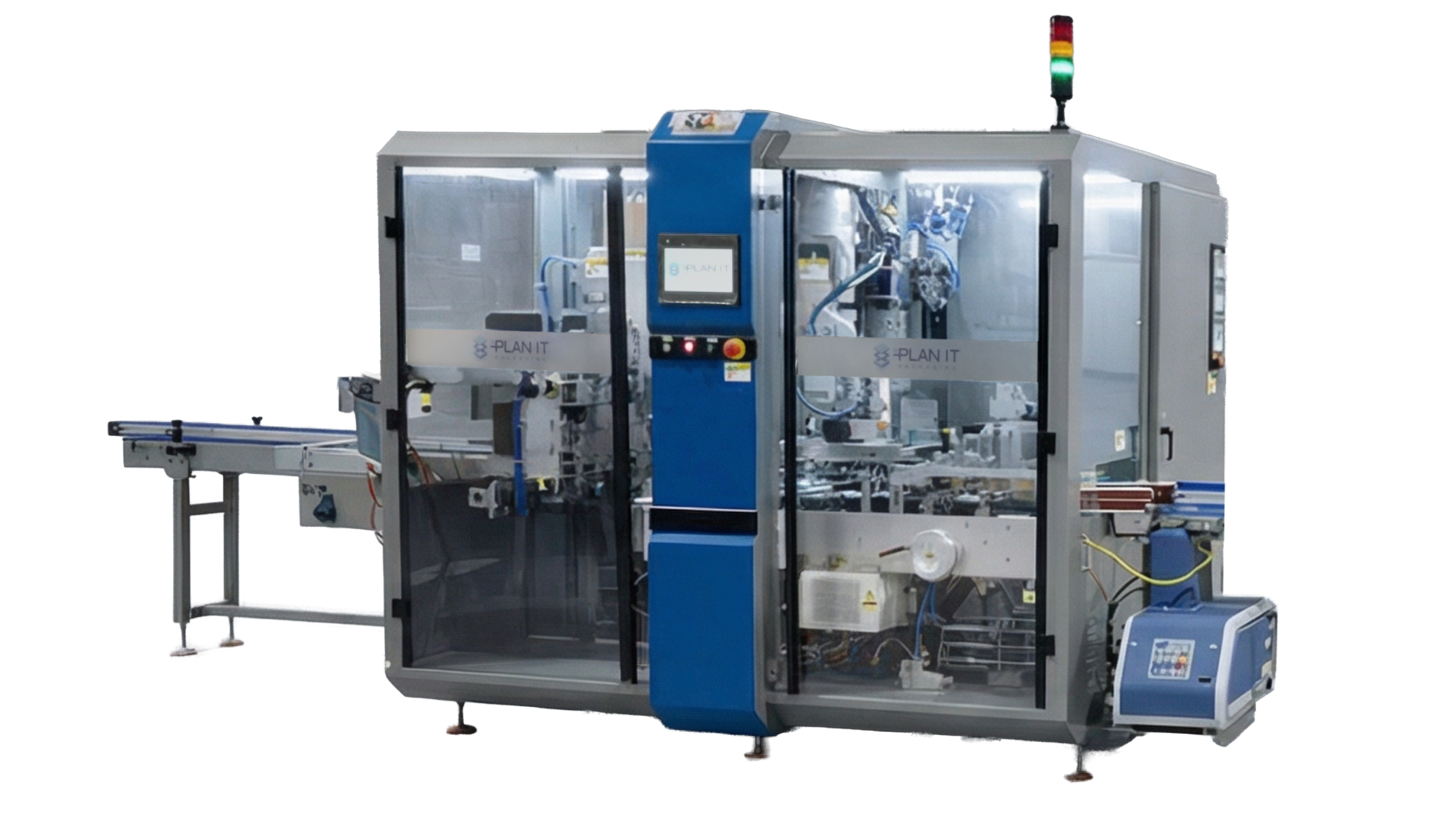
For seafood processors, that usually means tray or EcoBagger/RotoBagger pouch packaging for your catch, paired with metal detection or X-ray inspection to catch bone fragments or shell before product ships, plus automatic case packers to box product fast enough to hit a cold-chain export schedule. We've helped smoked-fish processors retire manual packing lines like this, moving more product without adding staff during peak season. On the beverage side, an automatic case packer and a PackMaster cobot palletizer box bottles and cans and stack them onto pallets fast enough to keep a production brewery's output moving into distribution. Cold chain doesn't forgive delays. Seafood bound for export and beer bound for a distributor both need the same thing: a line we build to match the volume the Port of Halifax already moves through the city every day.


.avif)



%203.avif)


.svg)
.svg)
