Around 1850, a Hartford gunmaker perfected precision manufacturing built on fully interchangeable parts, a tolerance-driven standard modern packaging equipment is still held to today. Other industries spent decades adopting that method afterward, and the city built on that foundation: a machine-tool company founded in Hartford in 1860 grew into a major aircraft-engine manufacturer by 1925, a pair of typewriter makers turned the city into the self-declared typewriter capital of the world in the early 20th century, and a bicycle manufacturer based in Hartford helped start the entire U.S. bicycle industry. By the mid-20th century, Hartford was also the historic international center of the insurance industry, a title the city still carries today.
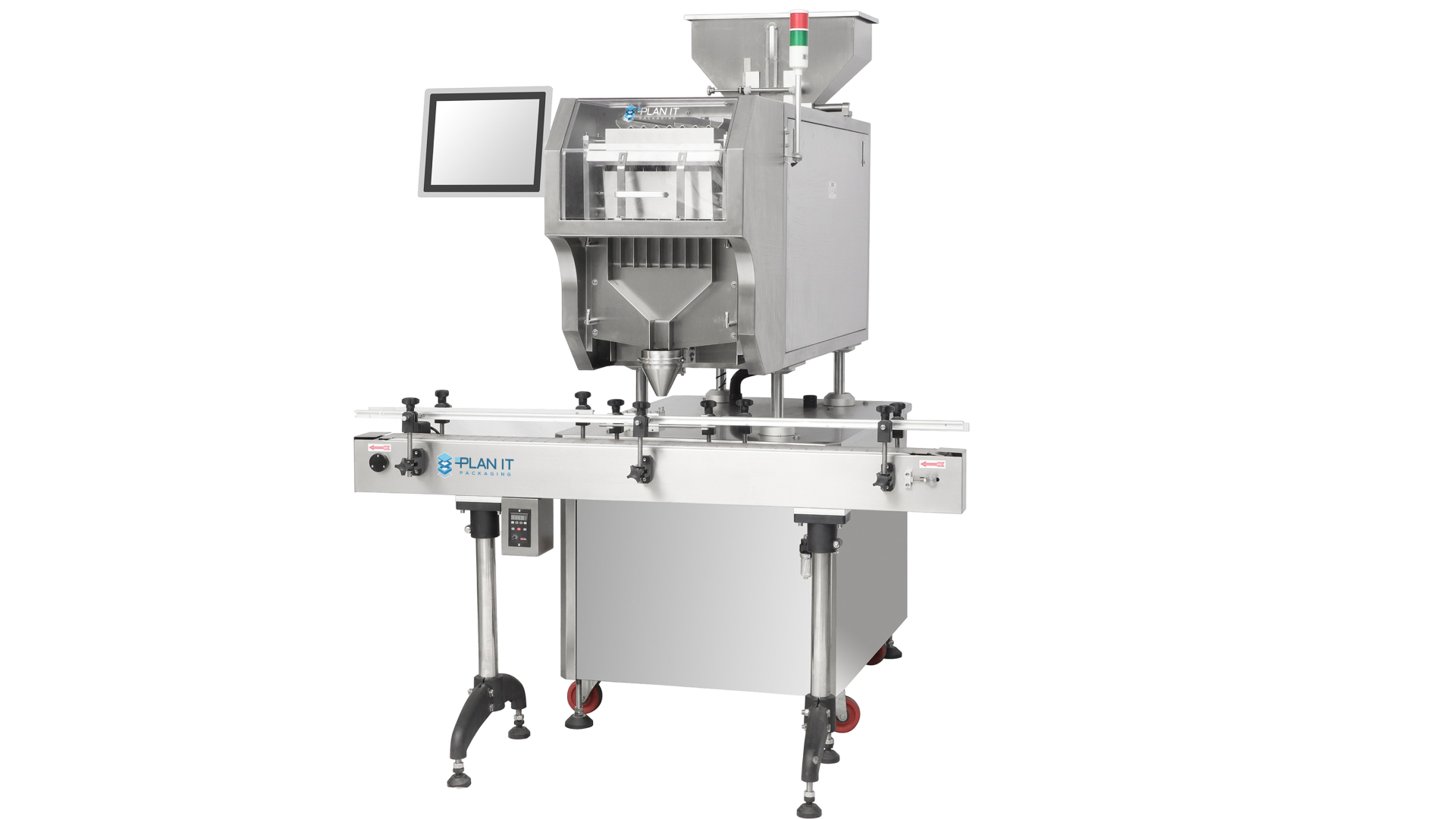
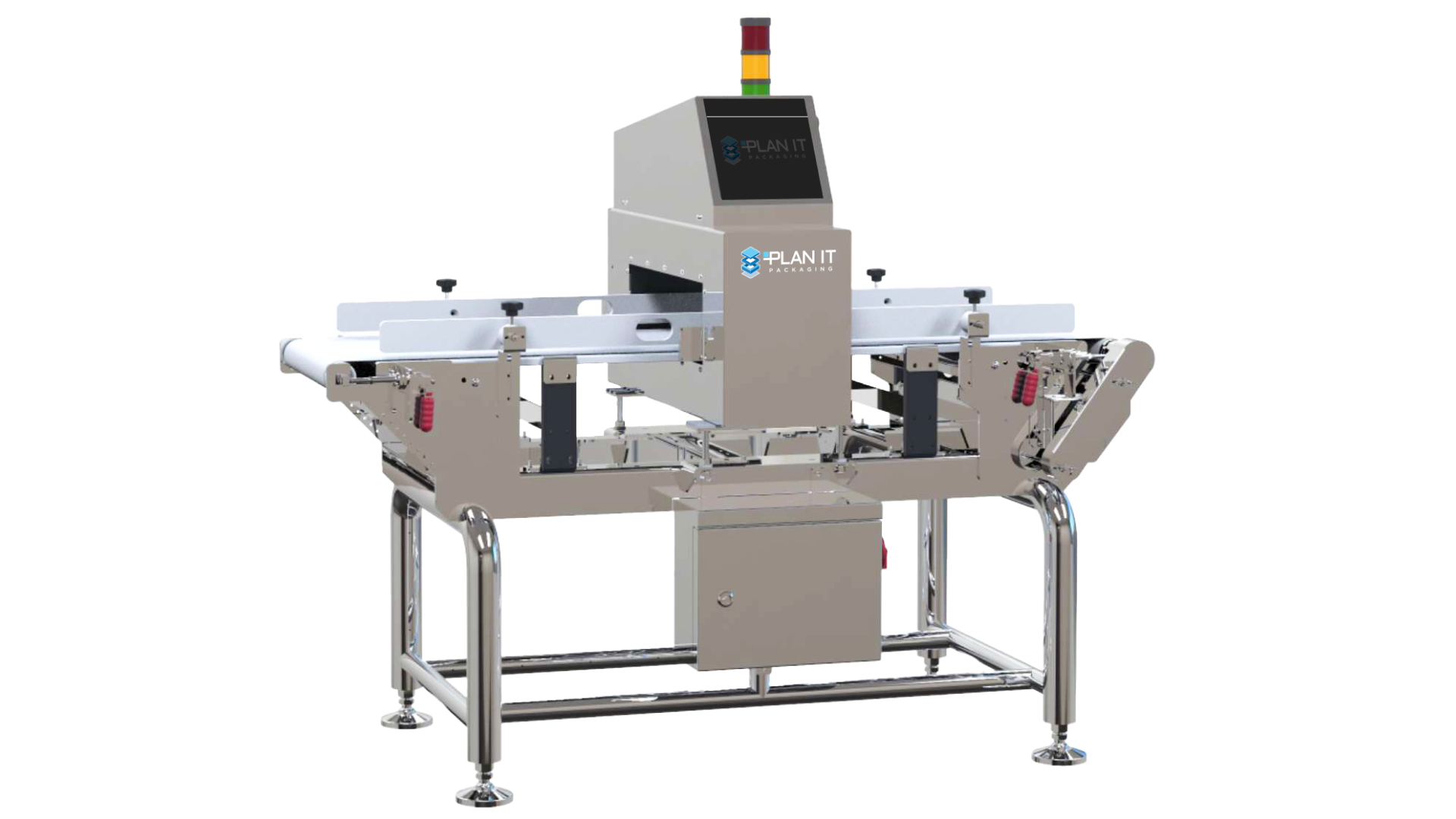
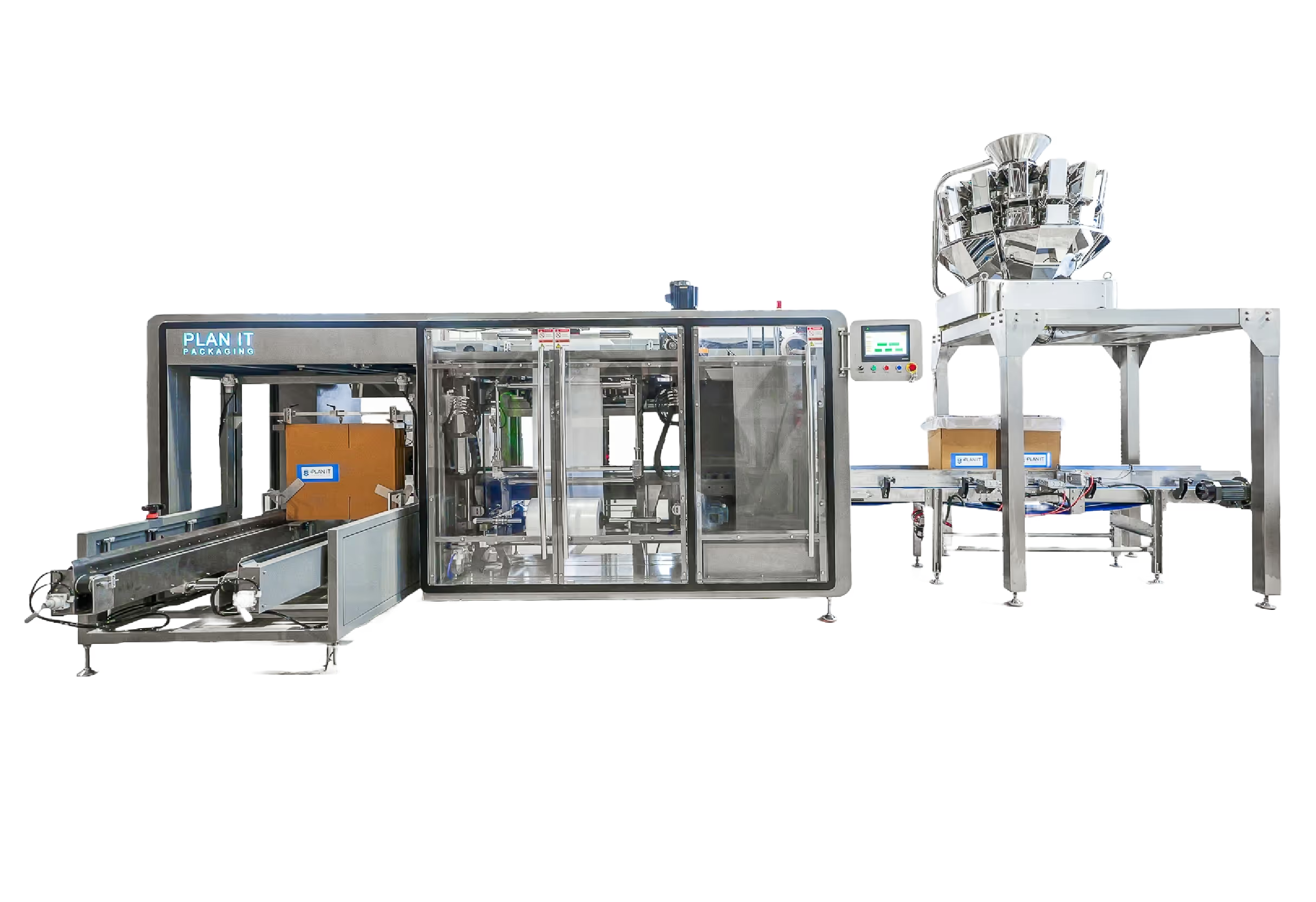
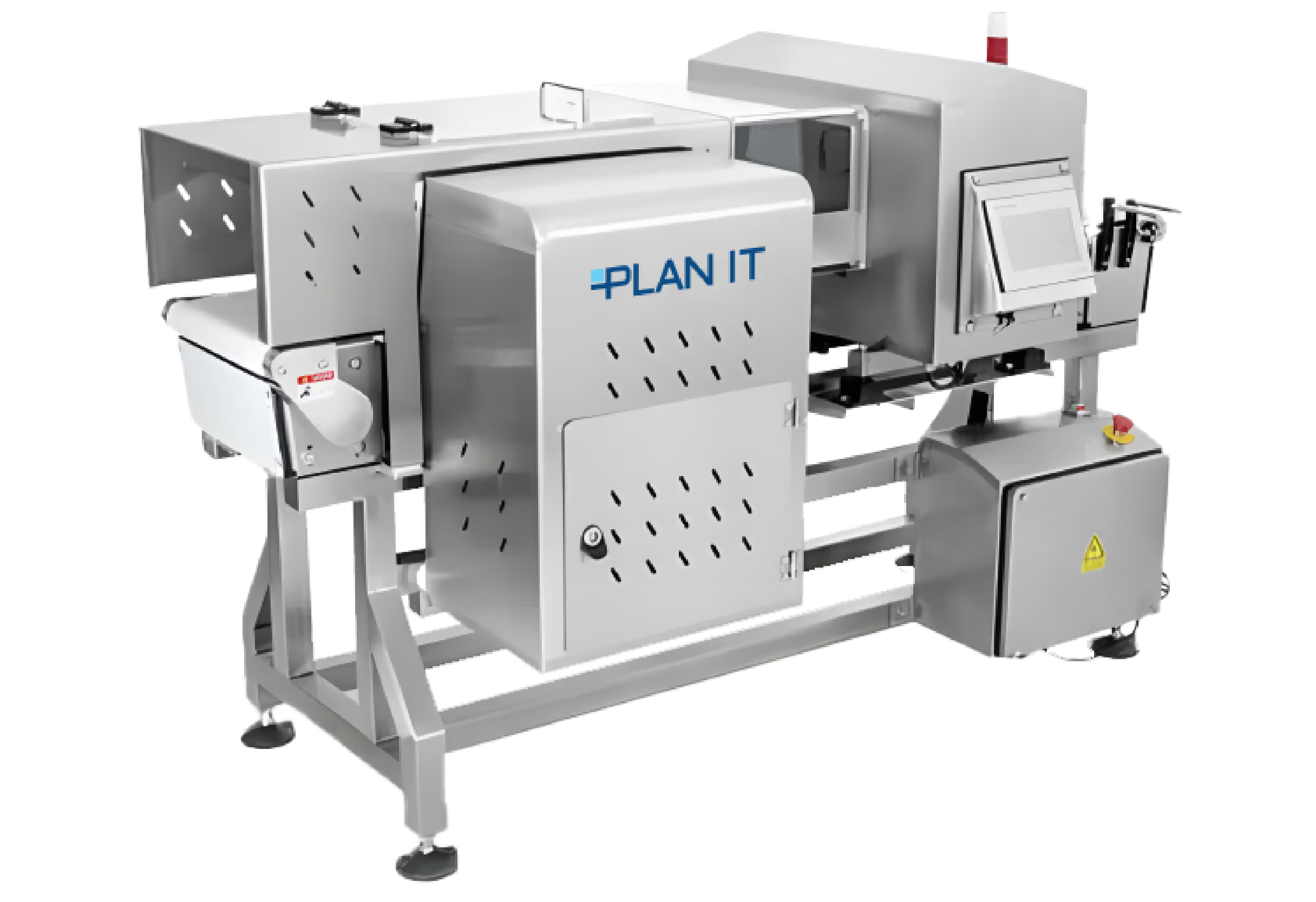
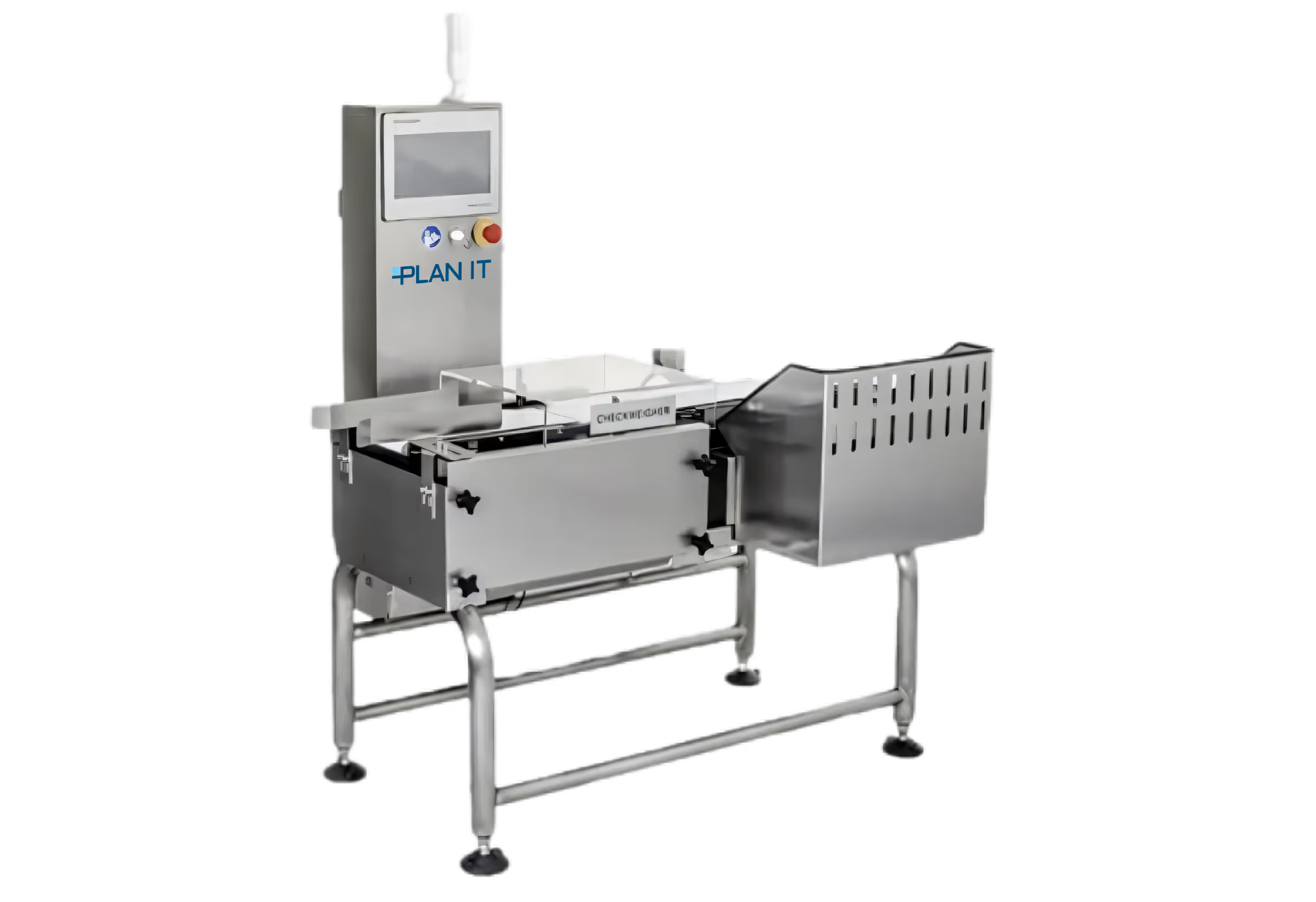
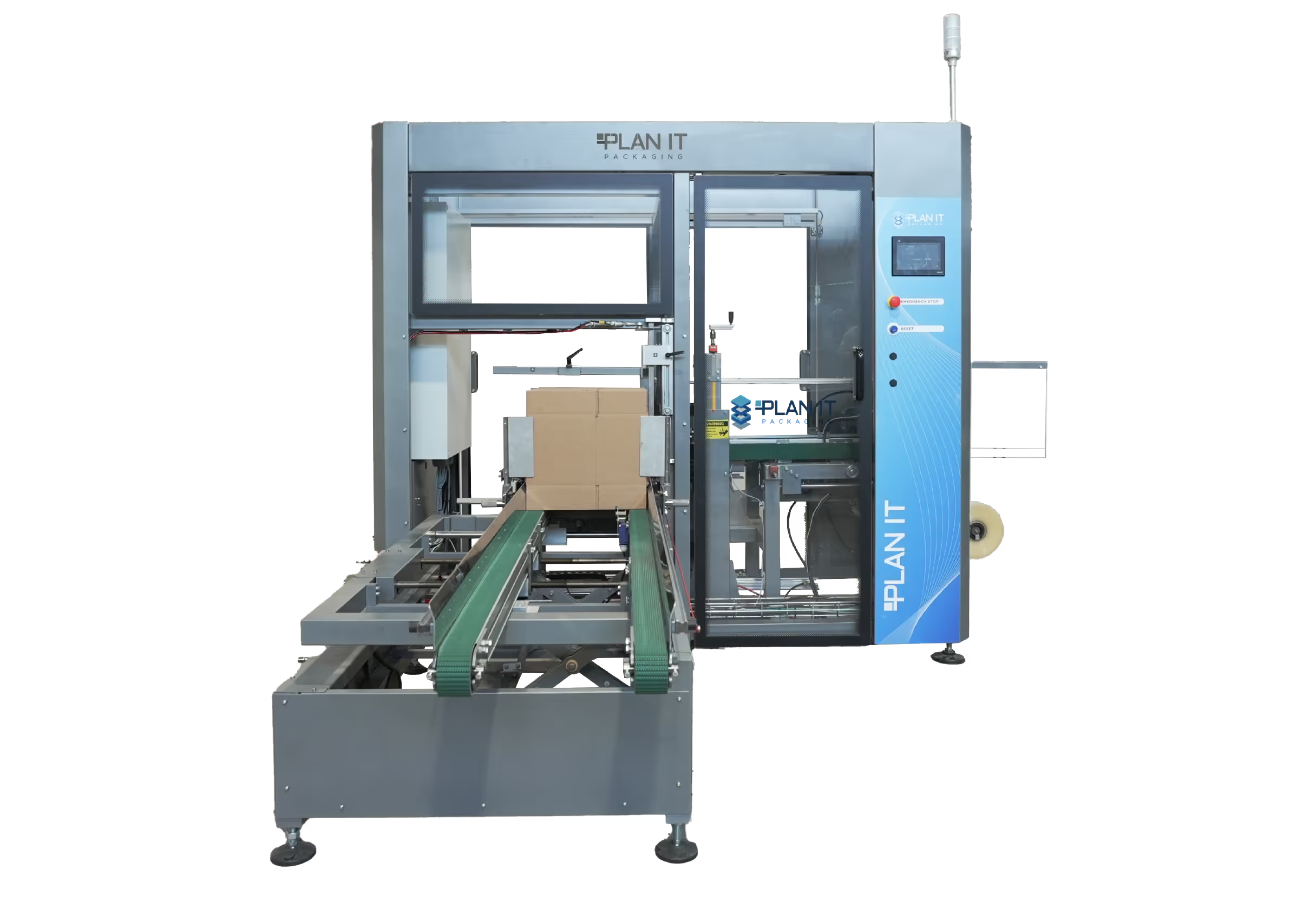
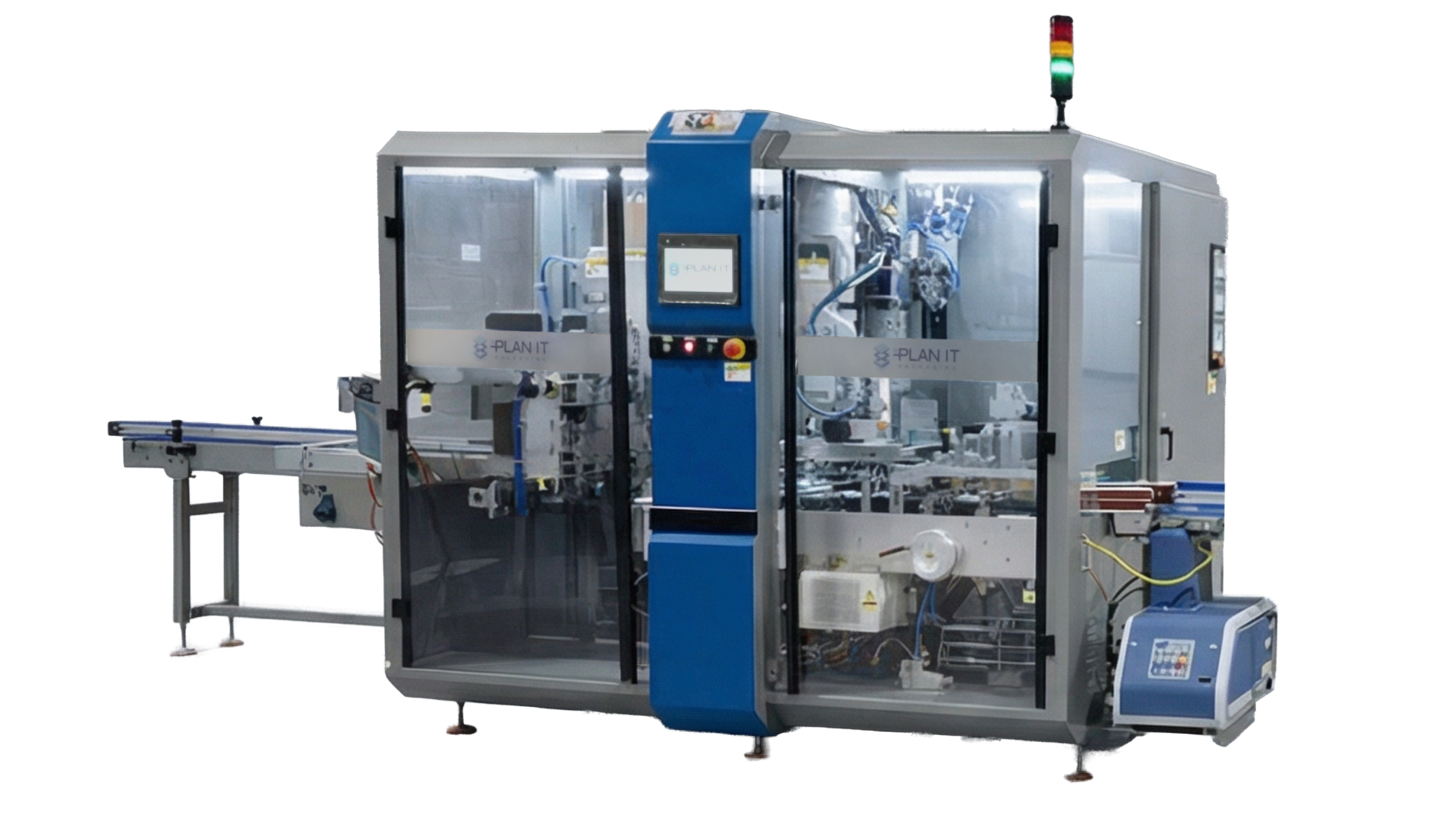
Packaging automation runs on the same principle Hartford's early manufacturers proved out: parts and processes built to a tolerance, repeated at speed, without drift. We apply that to manufacturers and producers operating around Hartford and across Connecticut, supplying Mars Series VFFS baggers for your bagged and pouched products, automatic case packers for cartoned and cased goods, and palletizing systems that stack and prep pallets for shipment, backed by checkweighing and inspection equipment that keeps a line's output inside spec over a full shift. Interchangeable parts only work if every one of them hits the same tolerance, shift after shift, and a modern packaging line runs on that same discipline. We have documented that kind of automated changeover in our own case study work on lifting a co-packing operation onto automated equipment, and in-stock machines are available for a Hartford-area producer who cannot wait on a custom build. Our solutions team applies the same standard Hartford's early manufacturers set. Build to spec. Make it repeat.


.avif)




%203.avif)


.svg)
.svg)
