Packaging automation isn't the obvious fit in Hoover, Alabama, a city where manufacturing accounts for just 7.8 percent of the workforce, according to 2020 Census data, a small slice next to the 24.1 percent working in education and health services and the 11.4 percent in finance, insurance, and real estate. Hoover built its economy on corporate office parks instead of factory floors. Meadow Brook and Inverness host regional operations for a major Alabama health insurer, a large regional bank's operations center, and a supply-chain software company. The one clear manufacturing anchor left in the city is a maker of structural and mechanical steel tubing, acquired in 2026 by a Missouri-based steel company. We looked for food, beverage, or consumer-goods manufacturers based in Hoover itself and didn't find any operating within city limits; the retail sector is active, with a new grocery store announced as part of ongoing development, but retail isn't manufacturing.
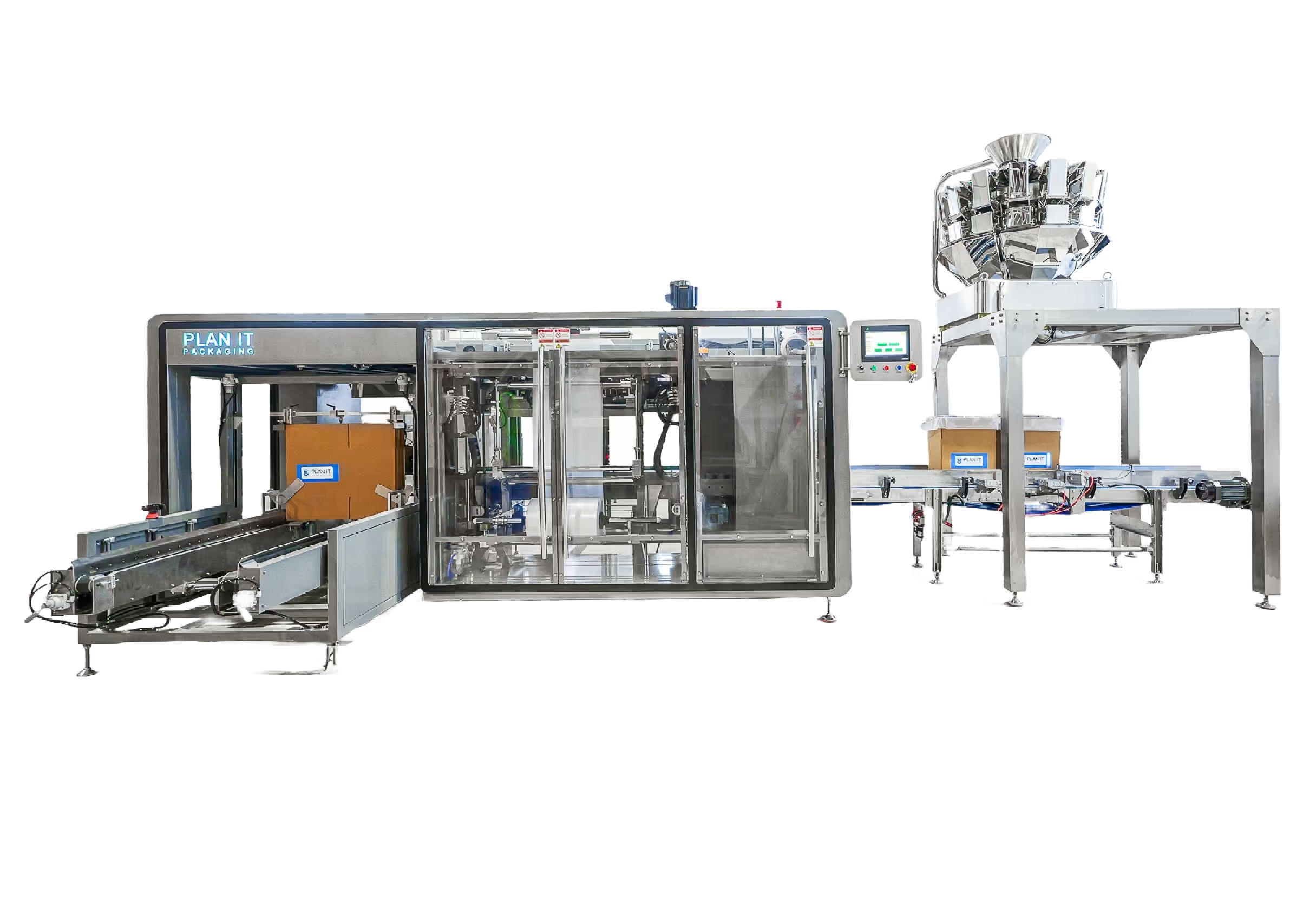
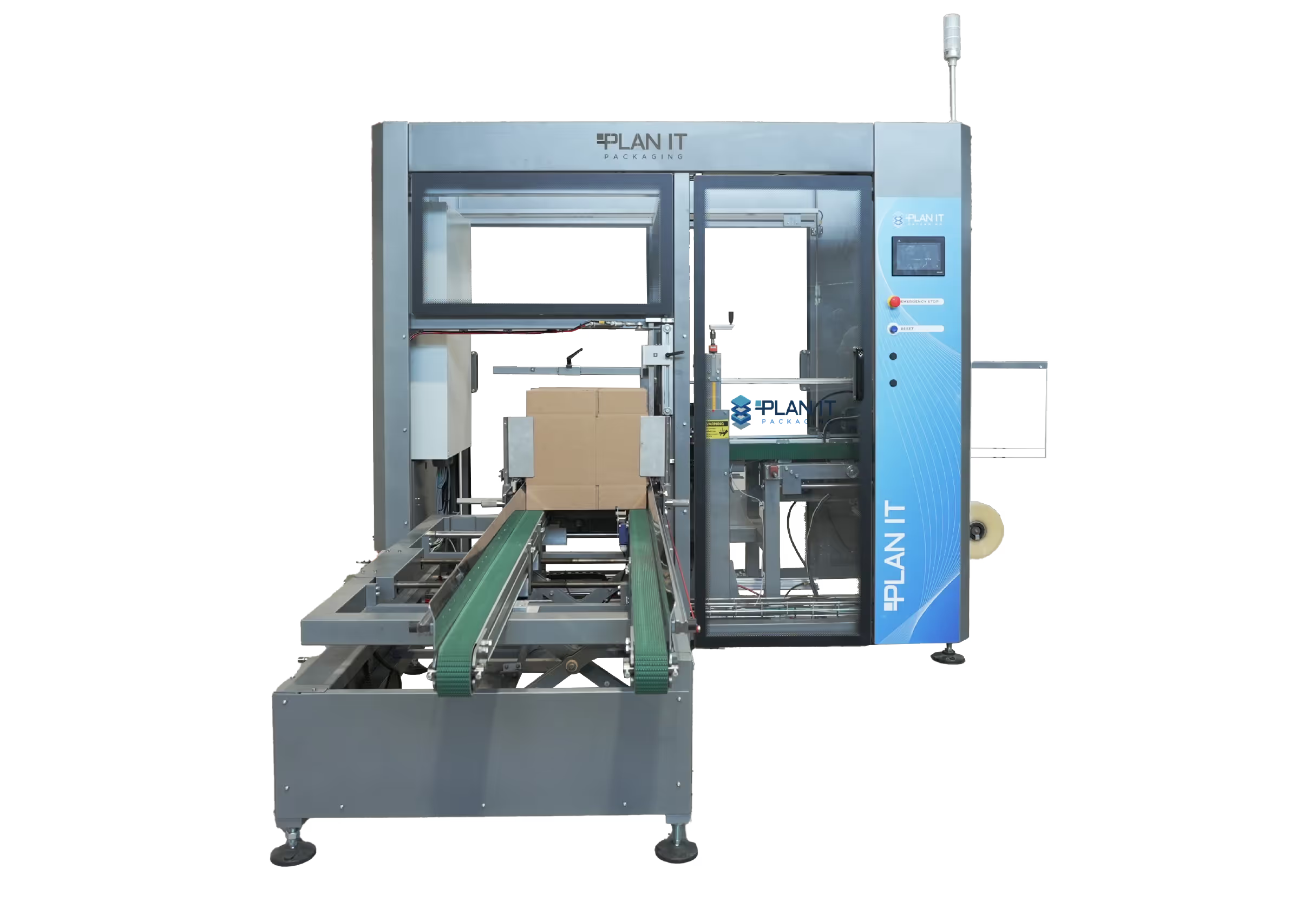
That doesn't mean packaging automation has no place here. A steel tubing plant running full truckloads needs its cartons formed and sealed at the same clip trucks get loaded, and that's the job our Pack Series case erector and case packer lines do, with PackMaster cobot palletizers stacking the pallet behind them, the kind of case-and-pallet throughput jump we've helped co-packers hit before. We don't run a shop in Hoover; our team supports Alabama producers remotely from Toronto and Tampa, shipping and installing machines on-site when a project calls for it. If your Hoover operation packages any physical product, steel components, industrial supplies, or anything else that ships by the case or pallet, we'd rather have an honest conversation about fit than force a pitch that doesn't match what's actually happening on your floor.


.avif)




%203.avif)


.svg)
.svg)
