Kitchener has been solving versions of a packaging automation problem since it was still called Berlin, before a 1916 wartime referendum renamed it after British field marshal Herbert Kitchener. Manufacturing built this place: early rubber and tire industrialists made fortunes here as the automobile took off, and as of 2012, 20.36% of the labour force, more than one worker in five, still worked in manufacturing. The Huron Business Park, the city's largest, now runs everything from seat manufacturers to furniture-component makers, and the old Lang Tannery building has been repurposed into a hub for digital-media companies, proof that Kitchener's industrial base keeps finding its next use.
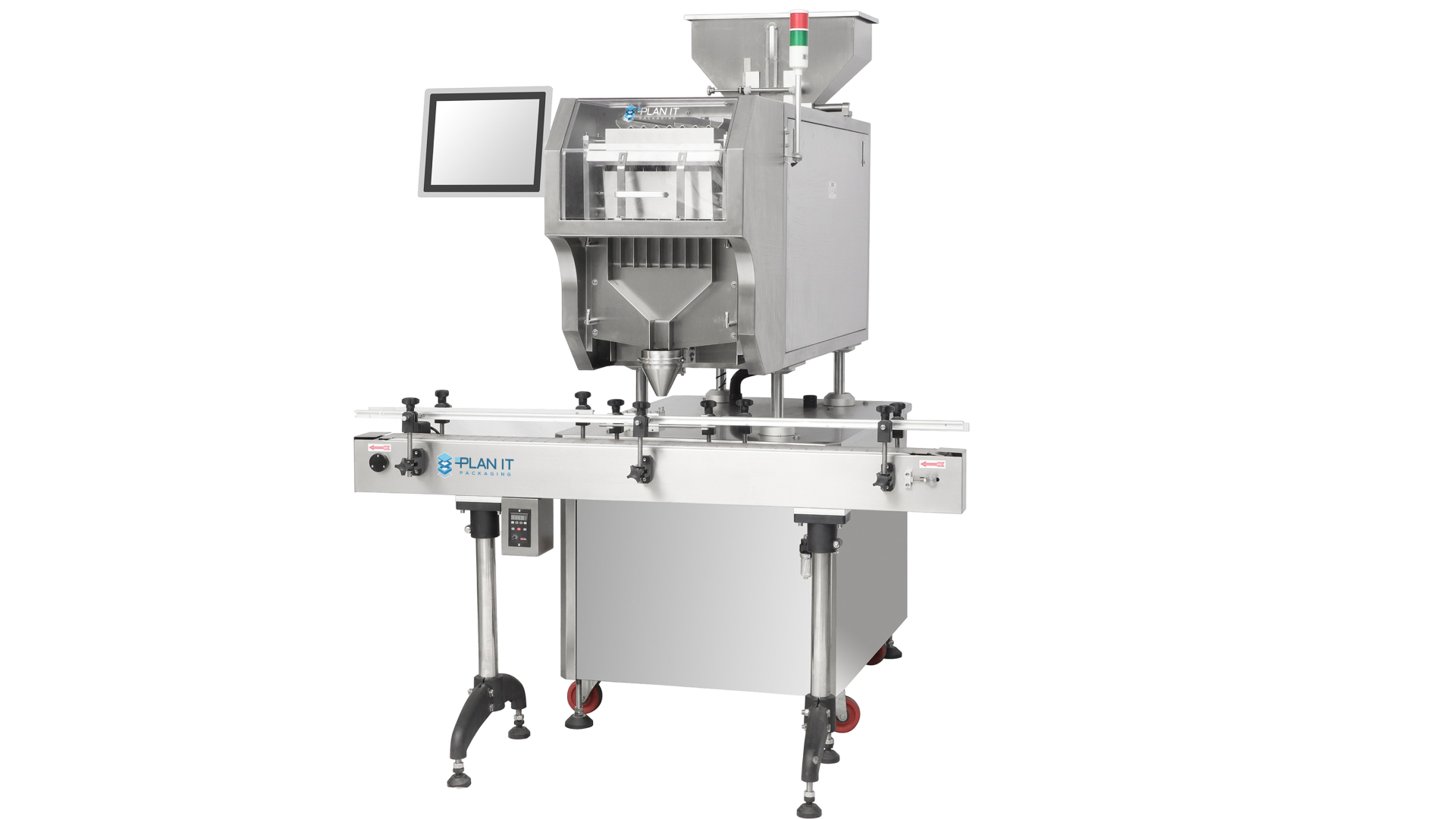
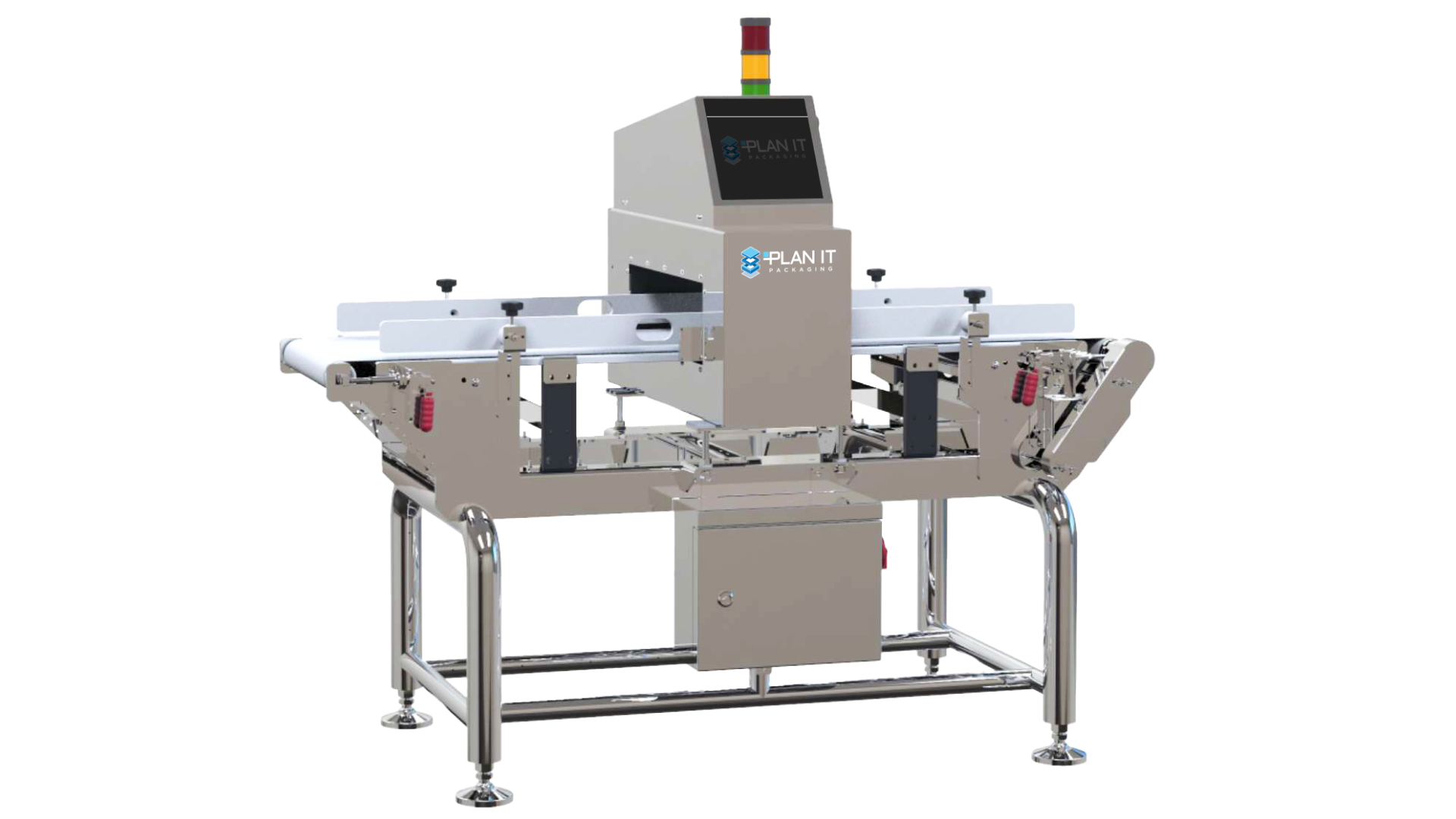
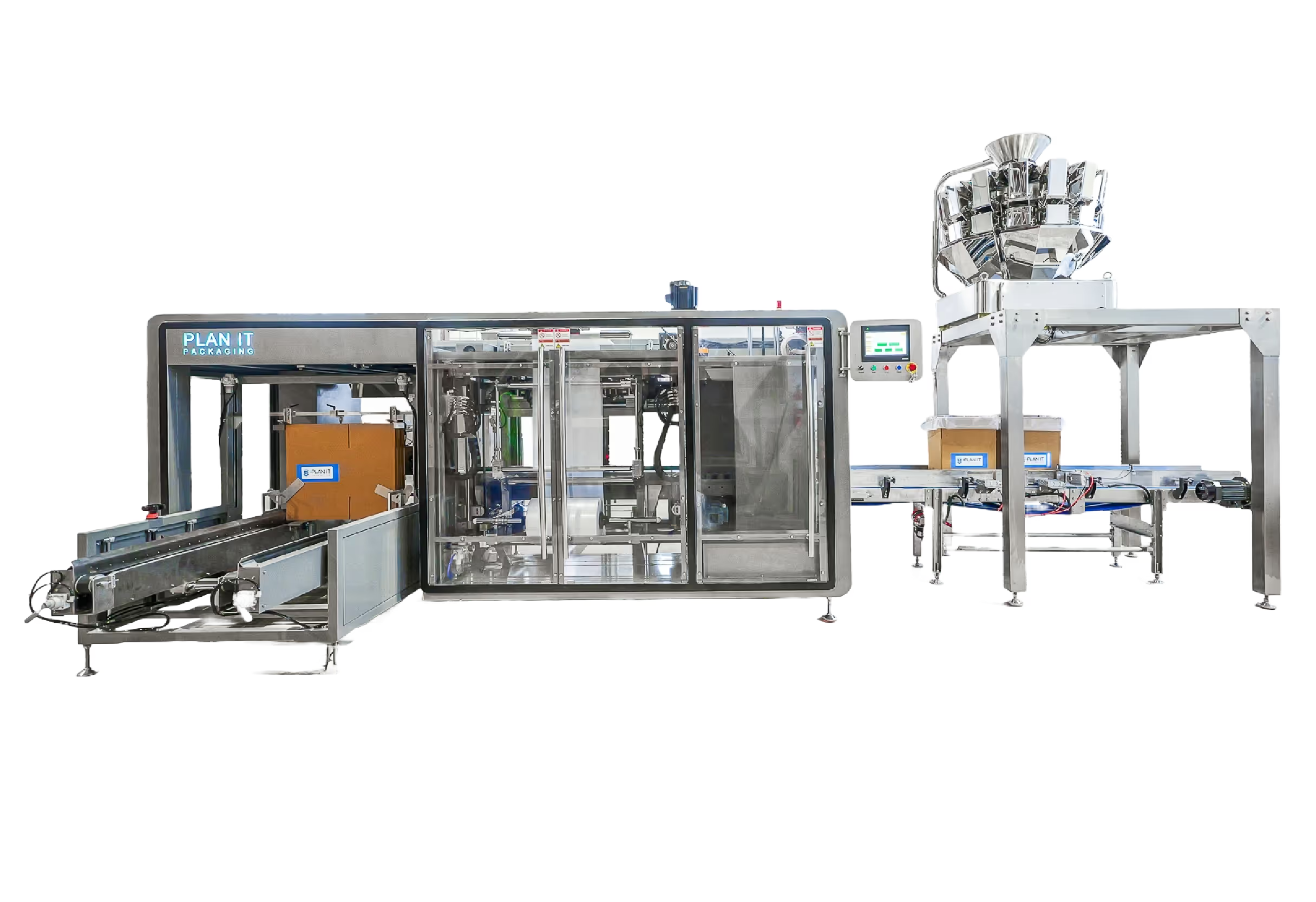
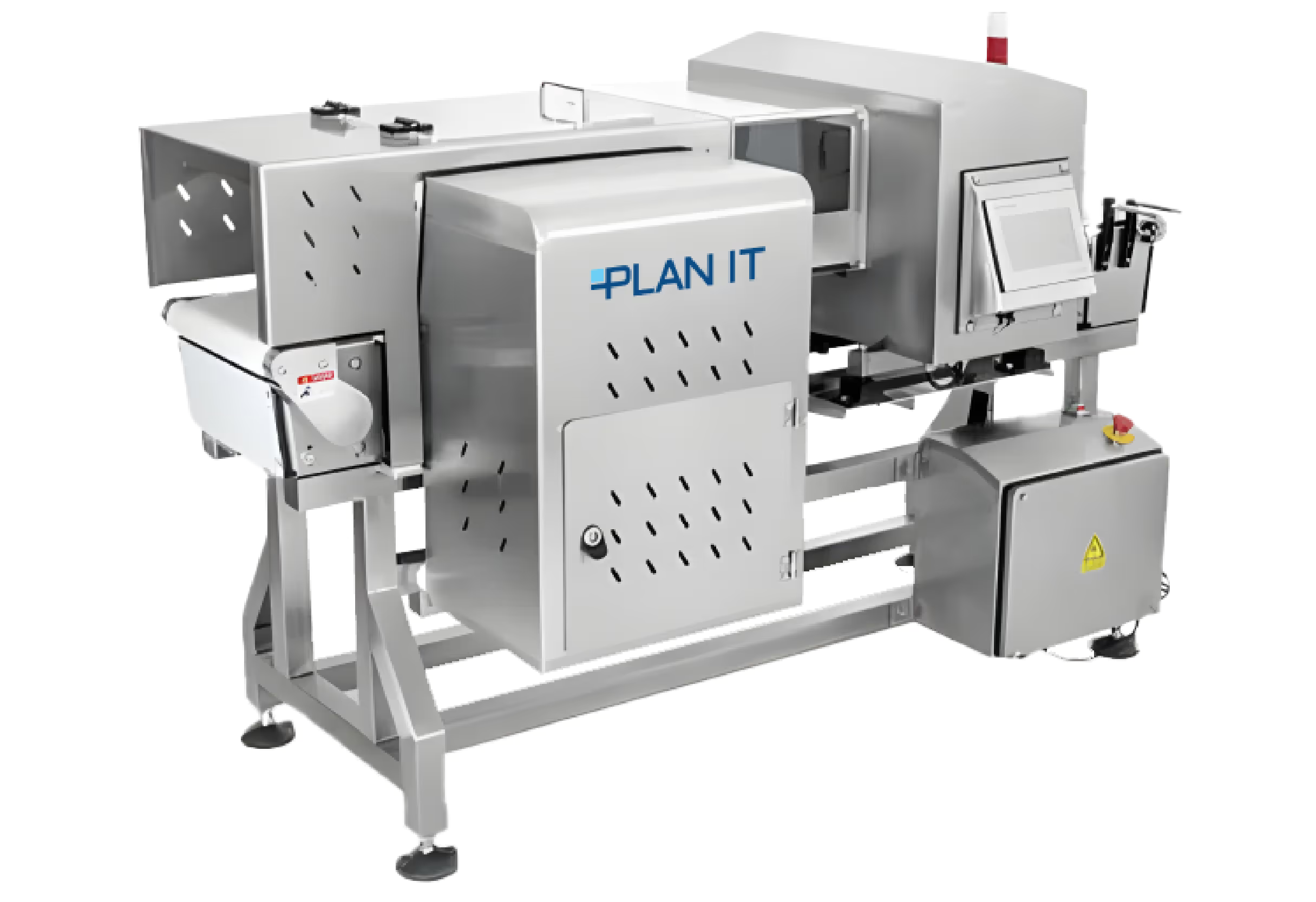
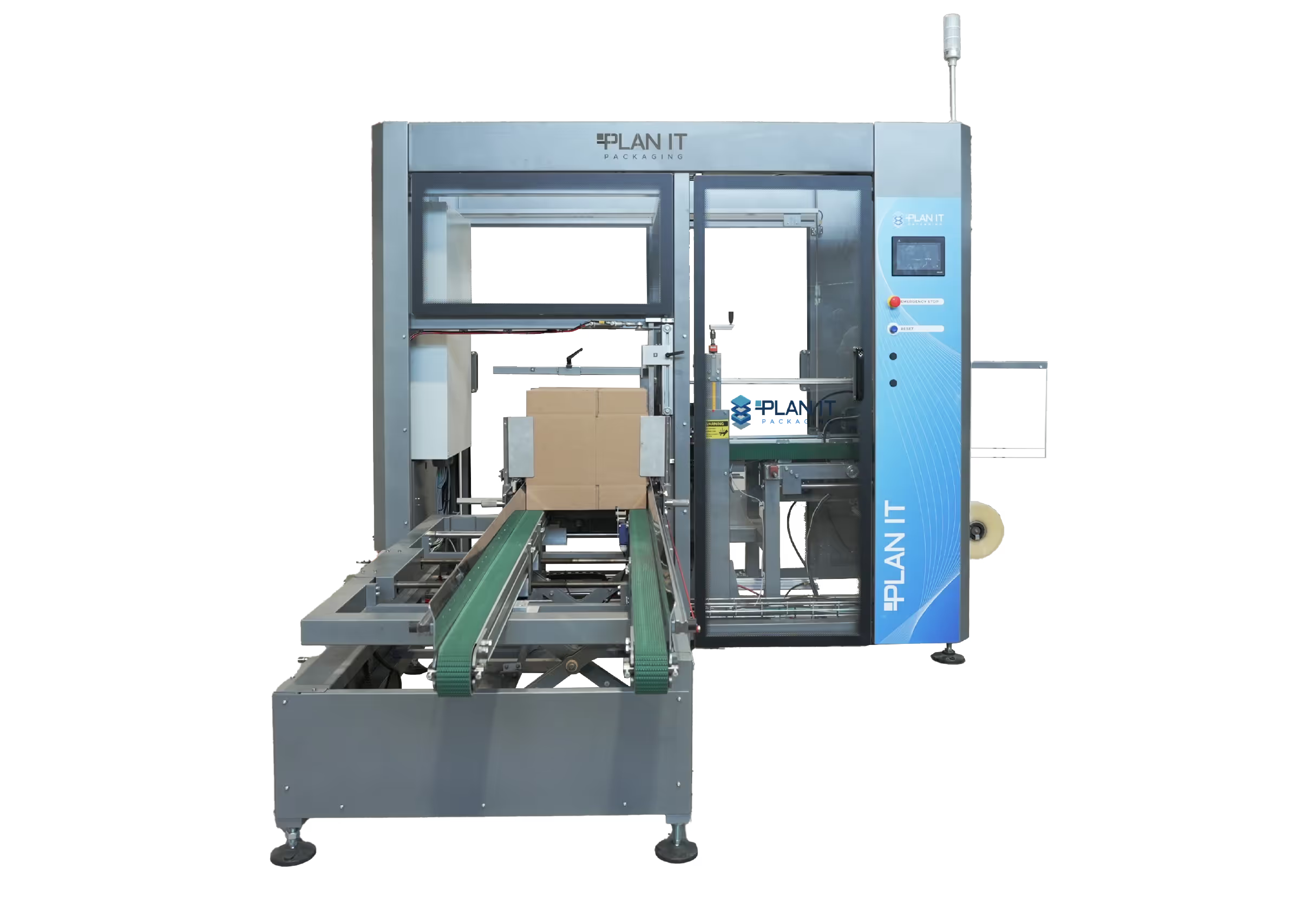
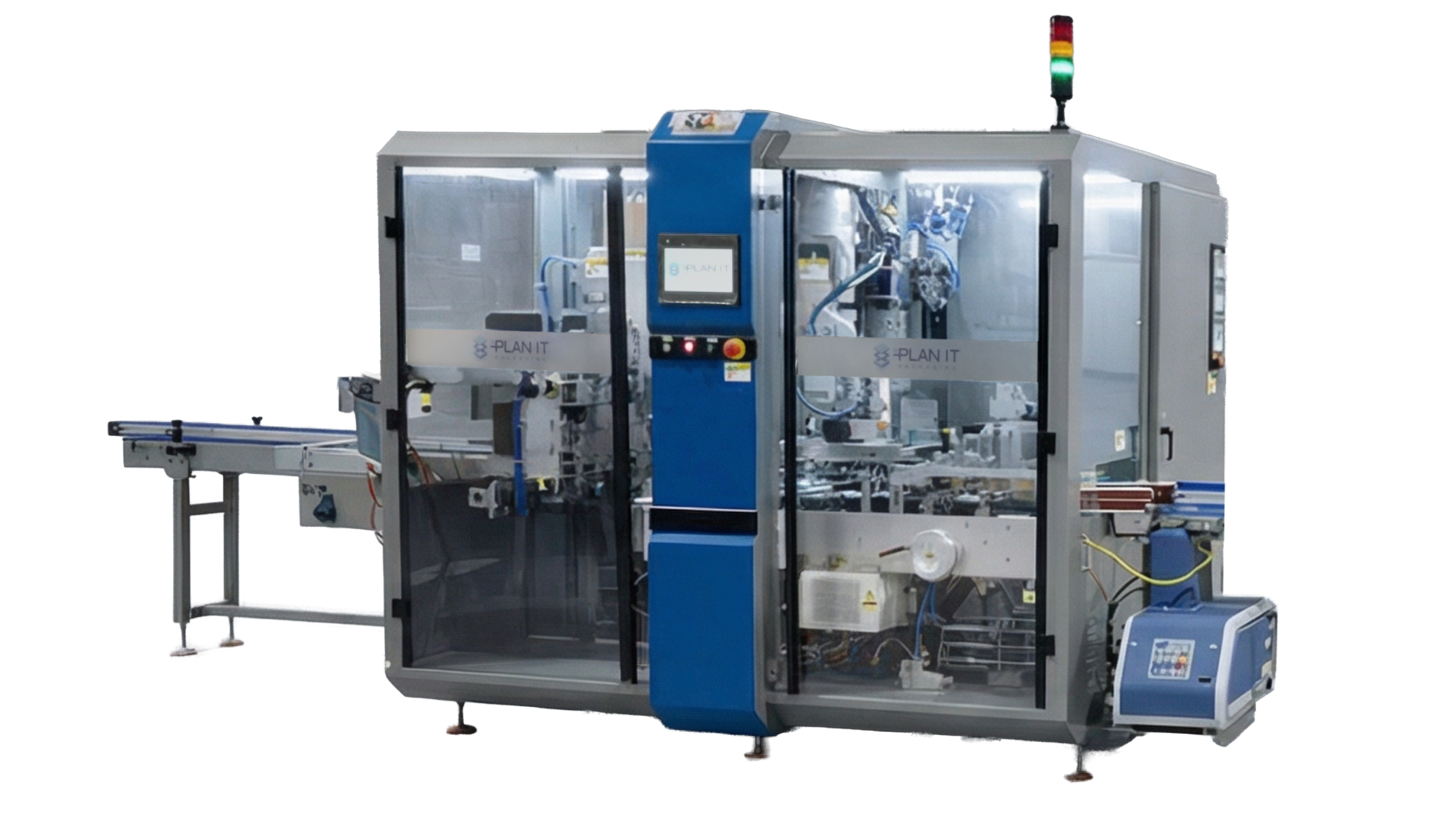
That manufacturing depth is exactly what PLAN IT looks for in a market. You know your seat and furniture-component lines. We know how to case-pack and palletize what comes off them. Huron Business Park's manufacturers scaling production out of Kitchener need Mars Series VFFS baggers that bag hardware, fasteners, and small components with consistent counts as volume climbs, plus automatic case packers that load finished parts into cartons without adding headcount. PackMaster cobot palletizers pick up from there, stacking those cartons onto pallets at the pace a shipping dock actually needs. We've documented a similar scale-up in a case study on automating co-packing with case-packing equipment, and the same logic applies to a Kitchener plant running seat components or furniture hardware instead of contract-packaged goods. PLAN IT doesn't operate a branch office in Kitchener, but with Huron Business Park's manufacturers already running seat and furniture-component lines at scale, we supply and integrate packaging equipment across Ontario the same way those plants already source their production machinery, backed by units we keep in stock. For a Waterloo Region manufacturer with a fifth of the local workforce already in production roles, the next hire is often better spent on a machine than a shift.


.avif)



%203.avif)


.svg)
.svg)
