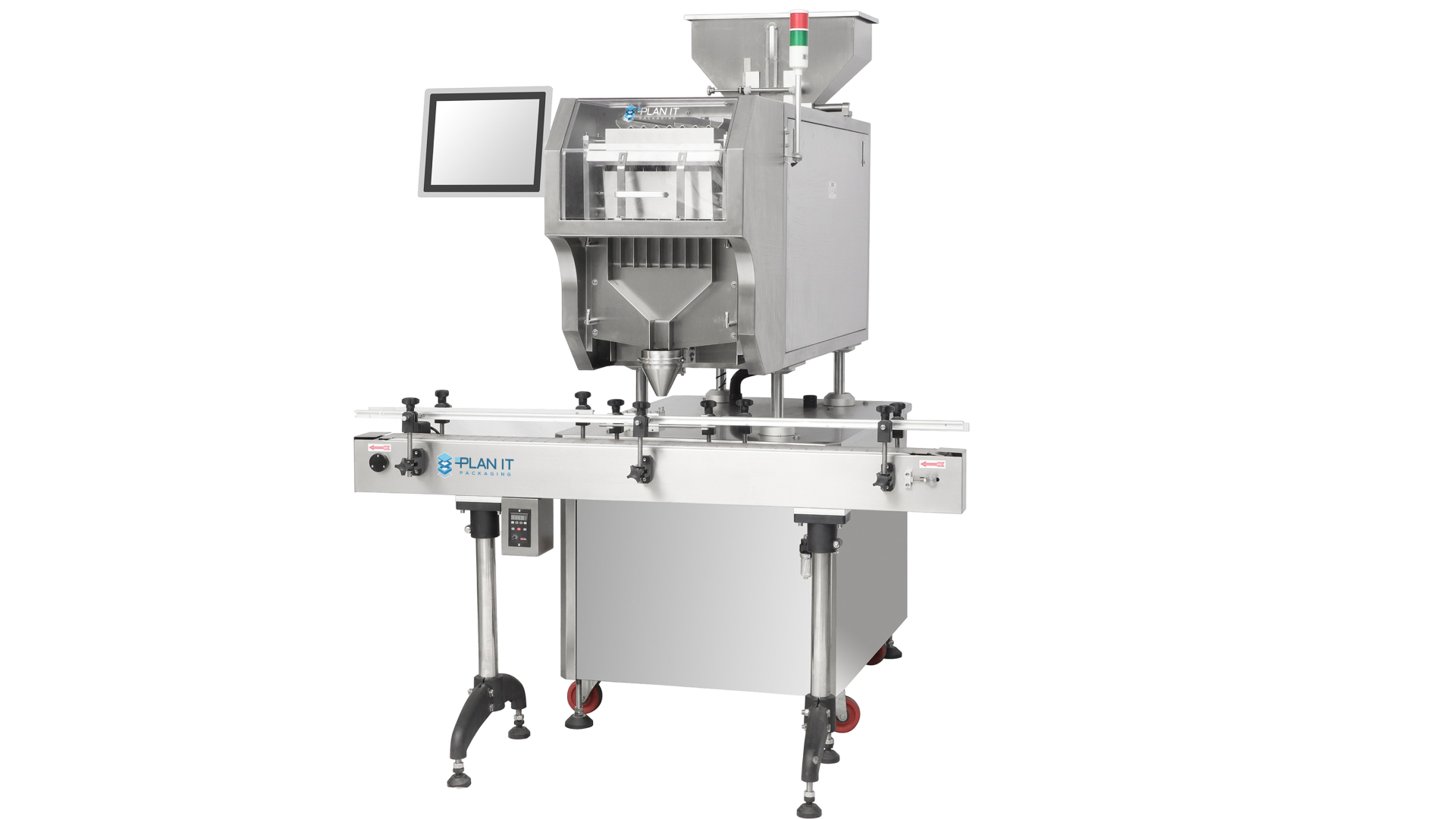
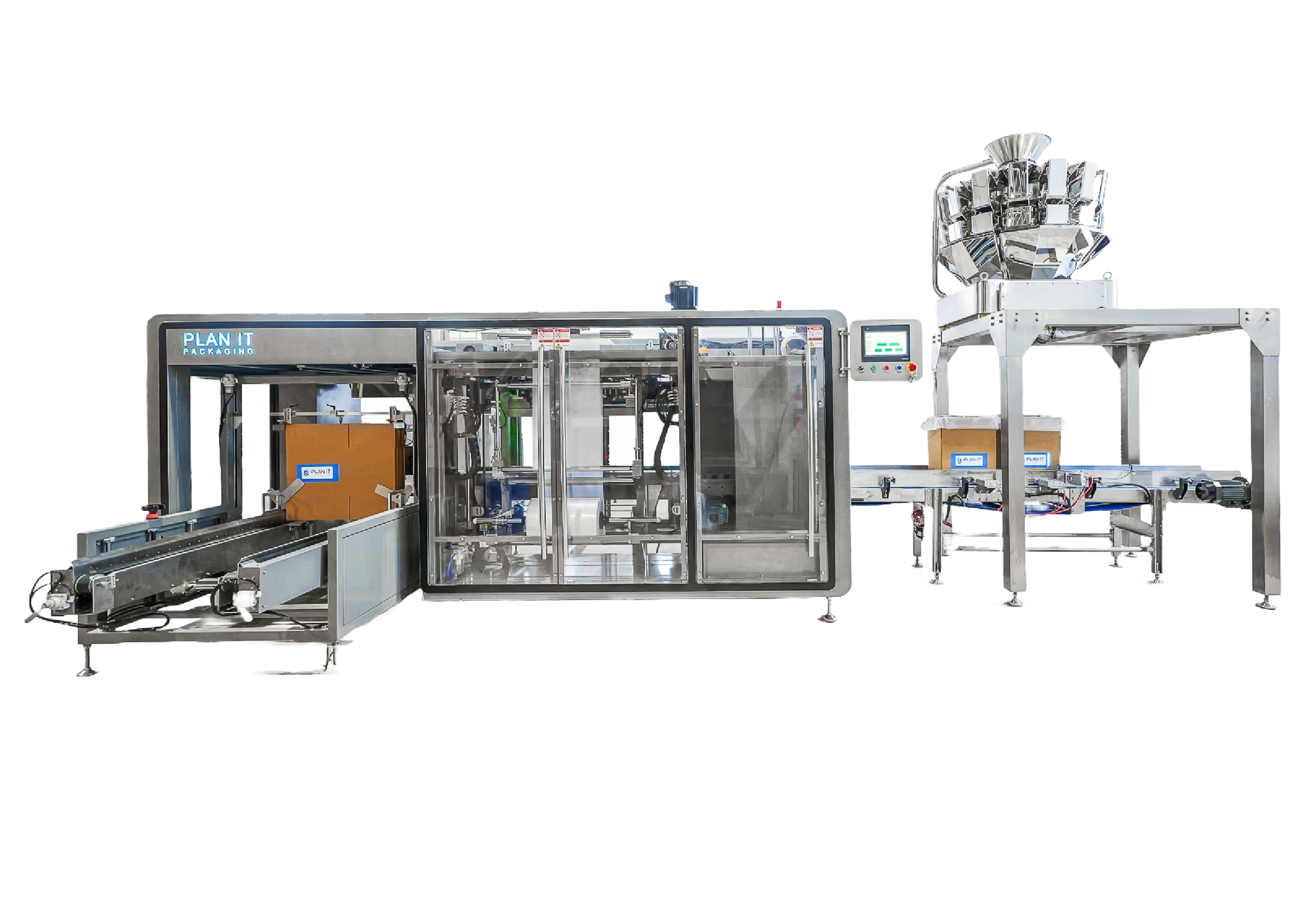
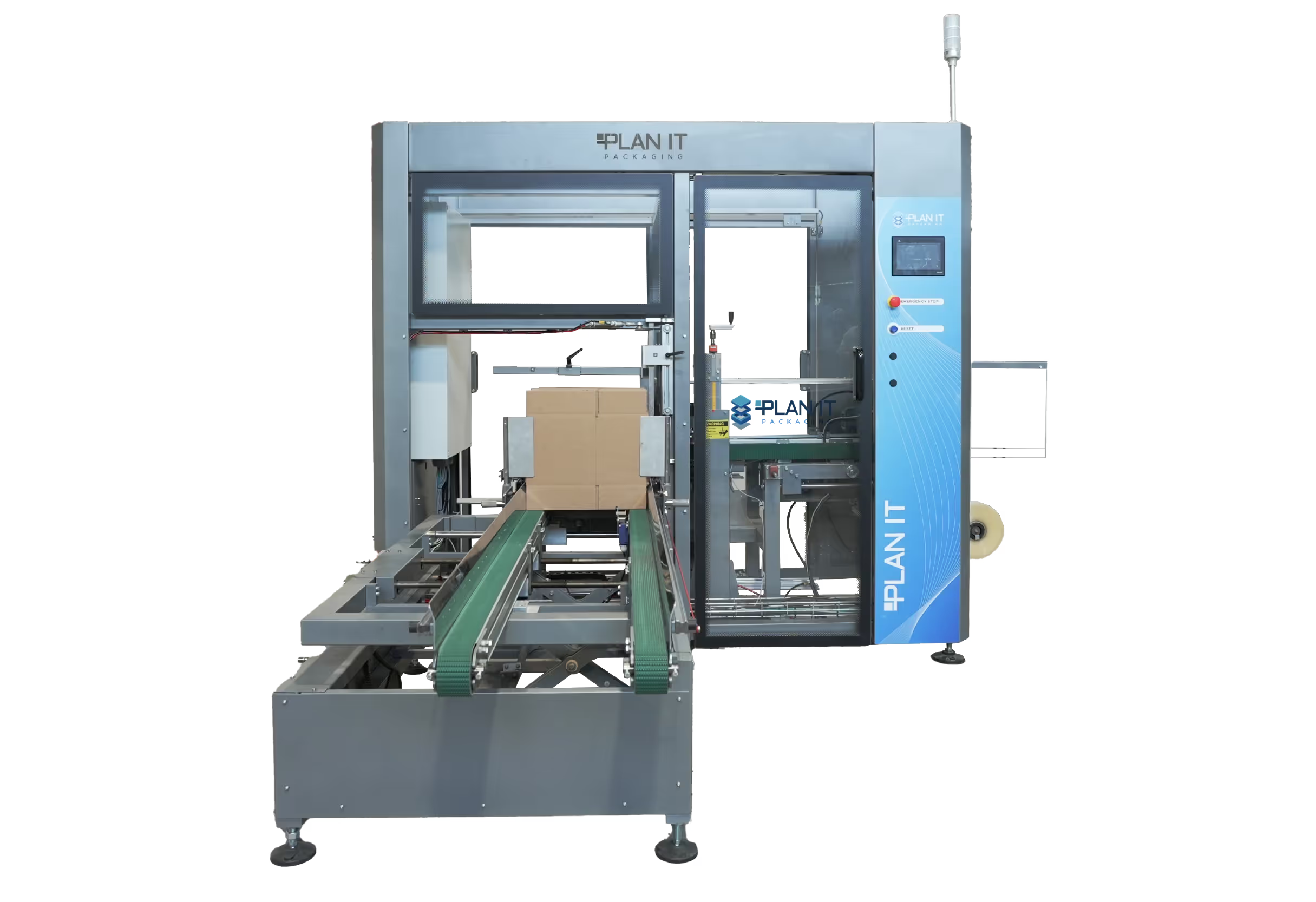
The Mesilla Valley, home to Las Cruces, is the stretch of the Rio Grande corridor in southern New Mexico that produces more chile peppers and pecans than any other county in the country. Doña Ana County, whose seat is Las Cruces, leads the nation in both crops, and that output moves through drying, milling, shelling, and packaging operations before it reaches grocery shelves and food-service accounts nationwide. Chile flakes and powder are fine and abrasive; pecans are irregular in size and prone to shell fragments. Neither forgives a generic bagging line. Both need packaging automation built for that kind of variability: EliteFill auger and powder fillers handle fine, dusty product like chile powder and seasoning blends, stick pack and sachet equipment portions it into single-serve packets for retail and food-service, and case packers box the finished bags and pouches for shipment to grocery and food-service accounts.
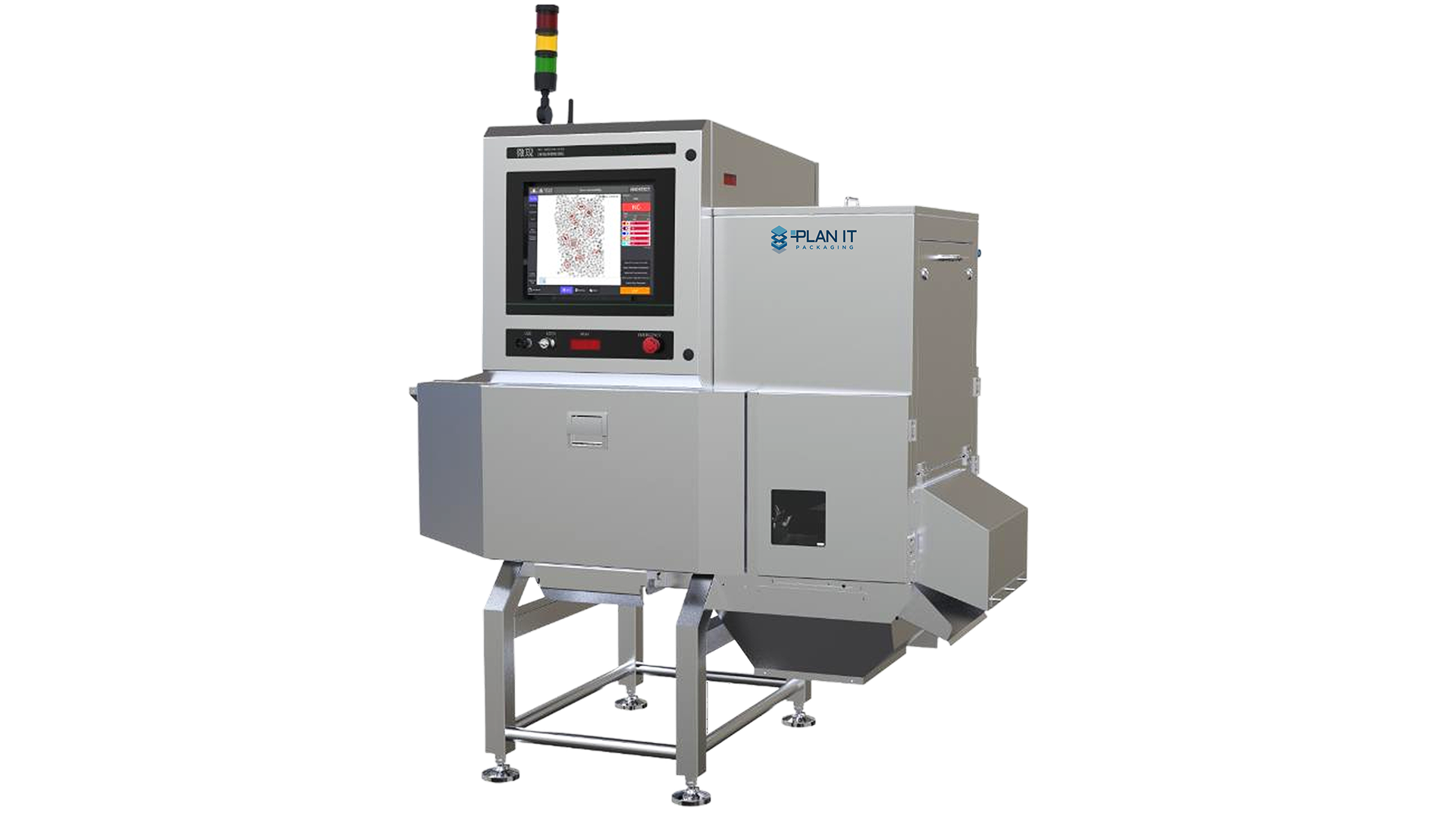
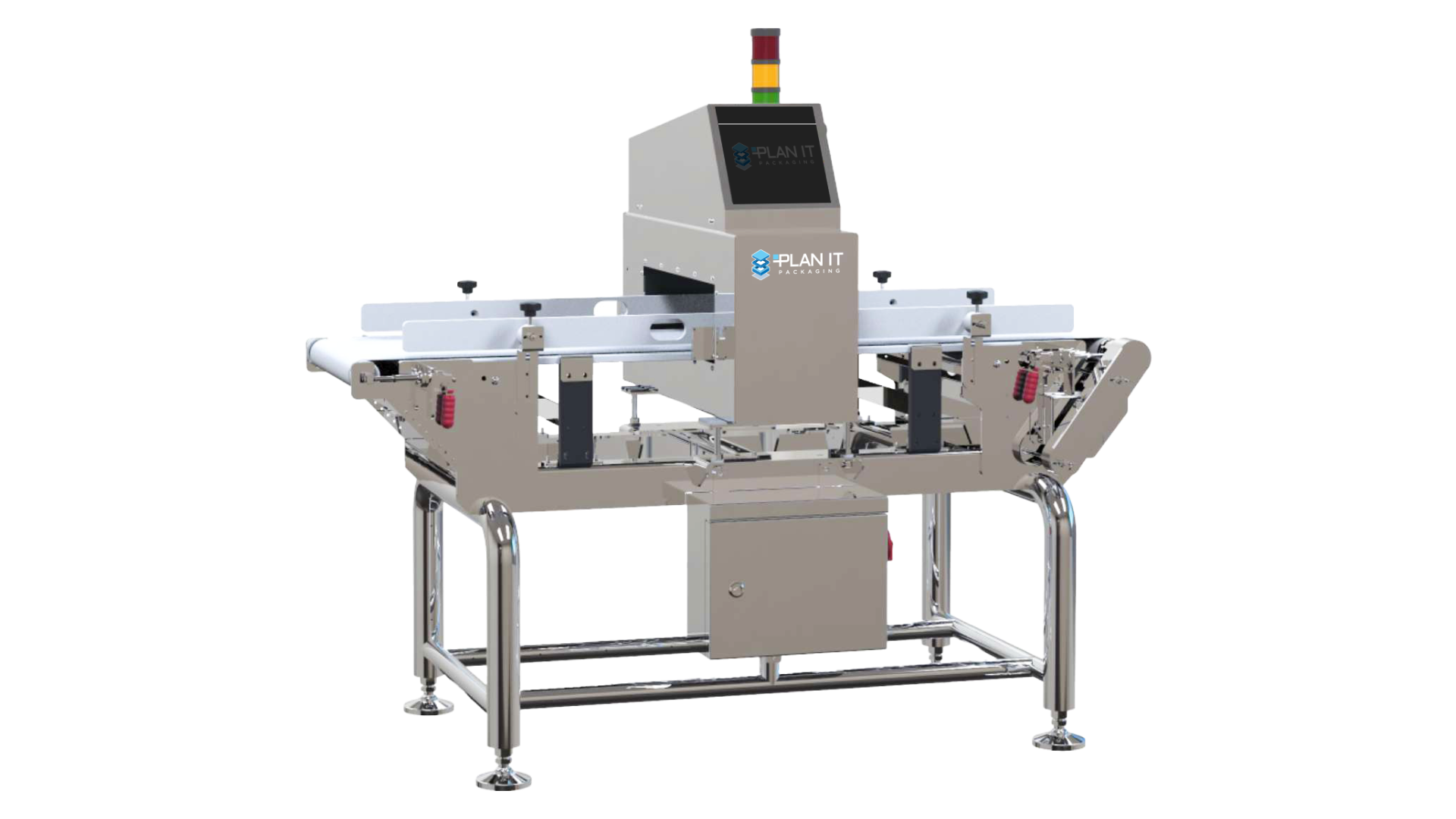
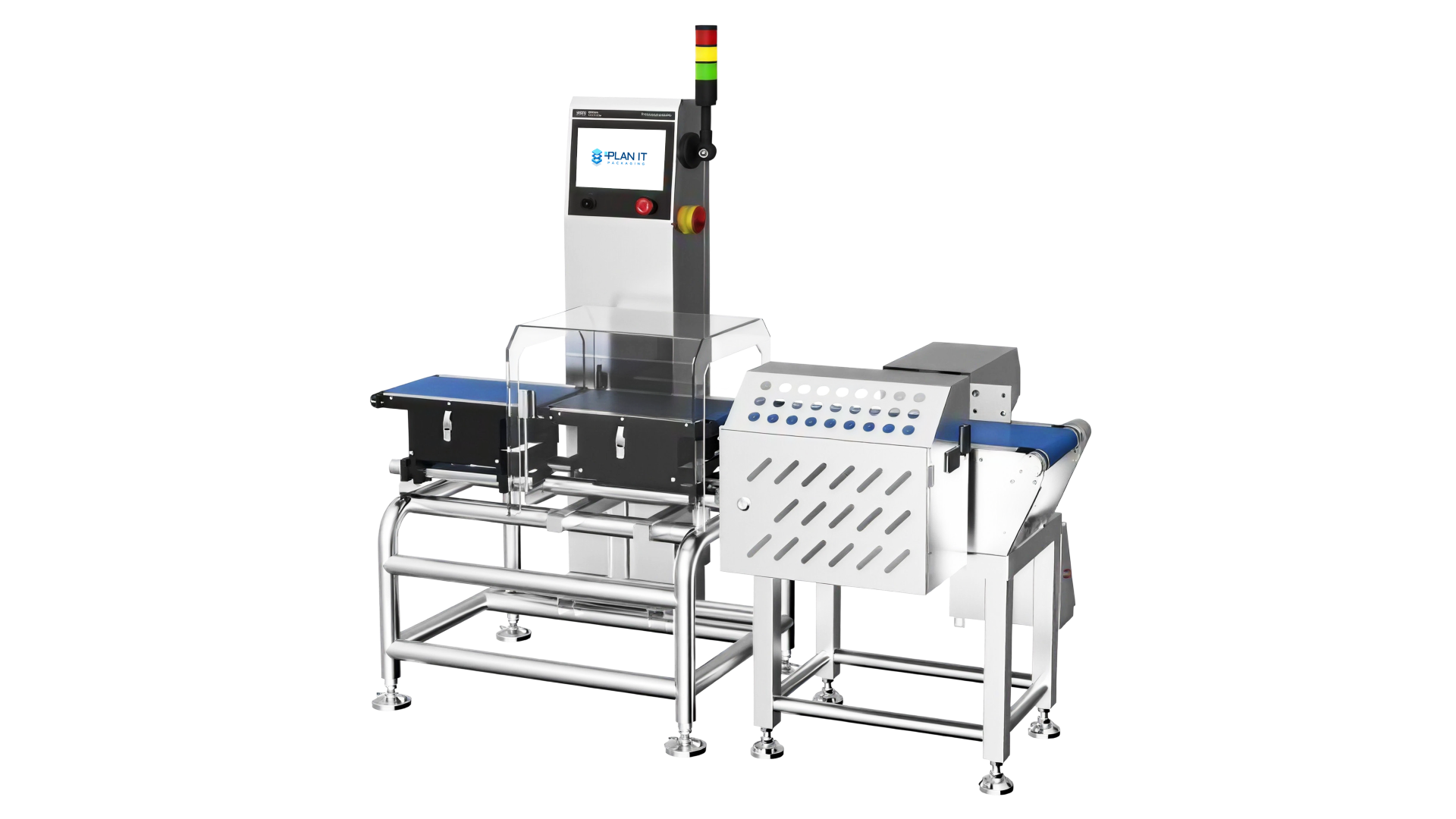
New Mexico's chile pepper industry contributes roughly $400 million a year to the state economy and supports about 4,500 jobs, with two-thirds of those positions based in the southern part of the state around Las Cruces. The valley's pecan operations run at serious scale too; one grower and processor near Las Cruces on Highway 28 ranks among the largest pecan producers in the world, a business that pivoted into pecans after starting out in cotton and tomatoes. For an operation bagging shelled or whole pecans, Mars Series VFFS baggers form, fill, and seal at the speed nut packagers need, and metal detection and X-ray inspection catch shell fragments before product ships. Harvest here doesn't wait on lead time: chile comes off the fields through fall and pecans follow into early winter, so PLAN IT keeps this equipment in stock, ready to install before the next season's volume hits. You know your chile and pecan output; we'll size a Mars Series VFFS line and EliteFill auger filler to match it.


.avif)



%203.avif)


.svg)
.svg)
