Lethbridge's packaging automation story starts with coal. The city's first mines opened in 1874, and within a generation the rail freight business that grew alongside them made Lethbridge a divisional headquarters for a major line, with a landmark station built in 1906. That freight backbone still matters. Two national trucking companies trace their roots to Lethbridge, one founded in 1935 and the other twenty years later, and the city remains a logistics point for southern Alberta food processors. The bigger shift since has been agricultural. Just east of the city, a large potato-processing plant turns area farmers' crops into frozen french fries at high volume, and a $600 million expansion announced in 2023, the plant's largest single investment on record, is doubling processing capacity while adding two new production lines and roughly 260 jobs. Today around half of Lethbridge's workforce works in health care, education, retail, and hospitality, with government among the top employers, but the frozen-potato business remains the clearest driver of new packaging demand in the region.
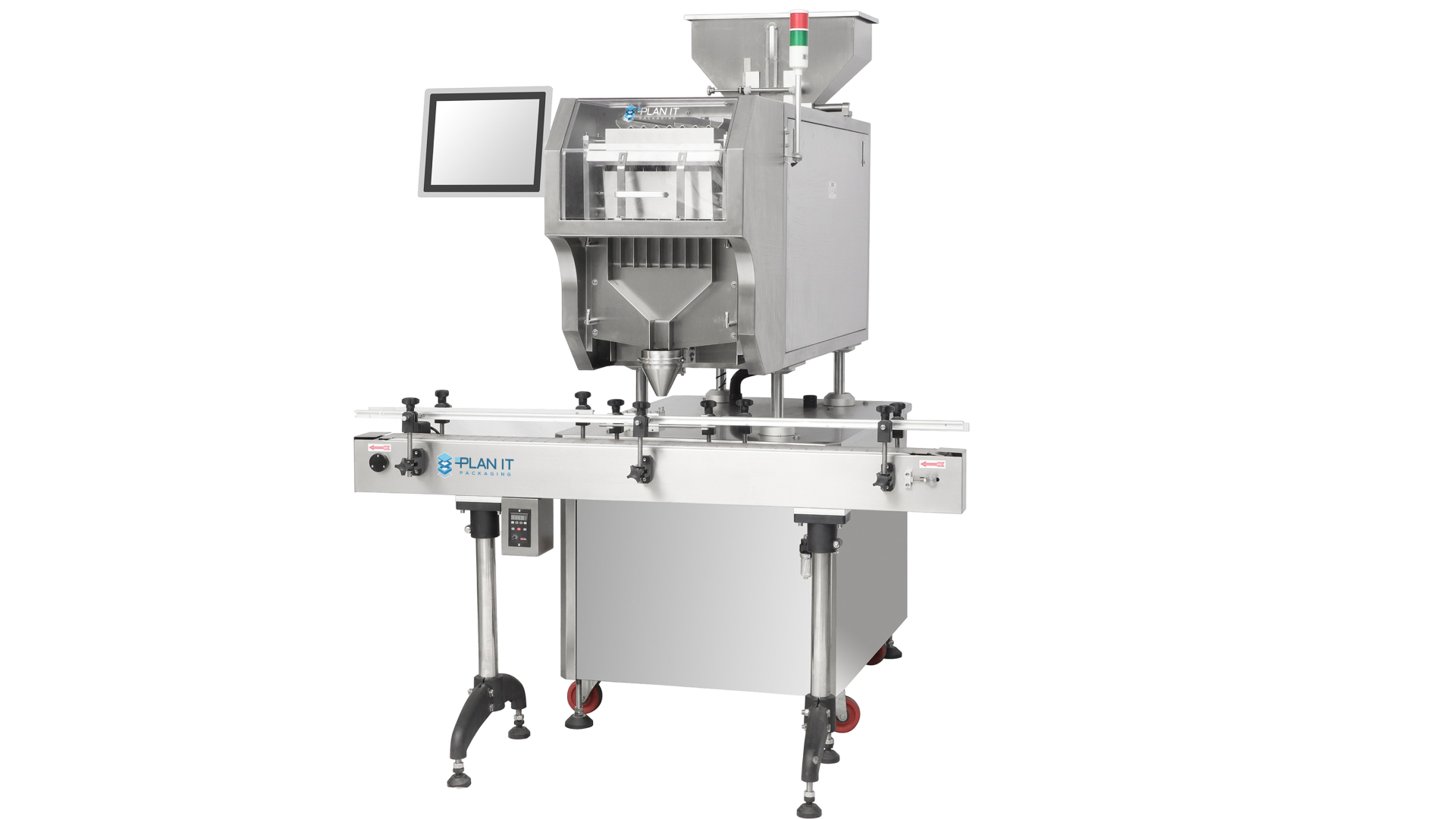
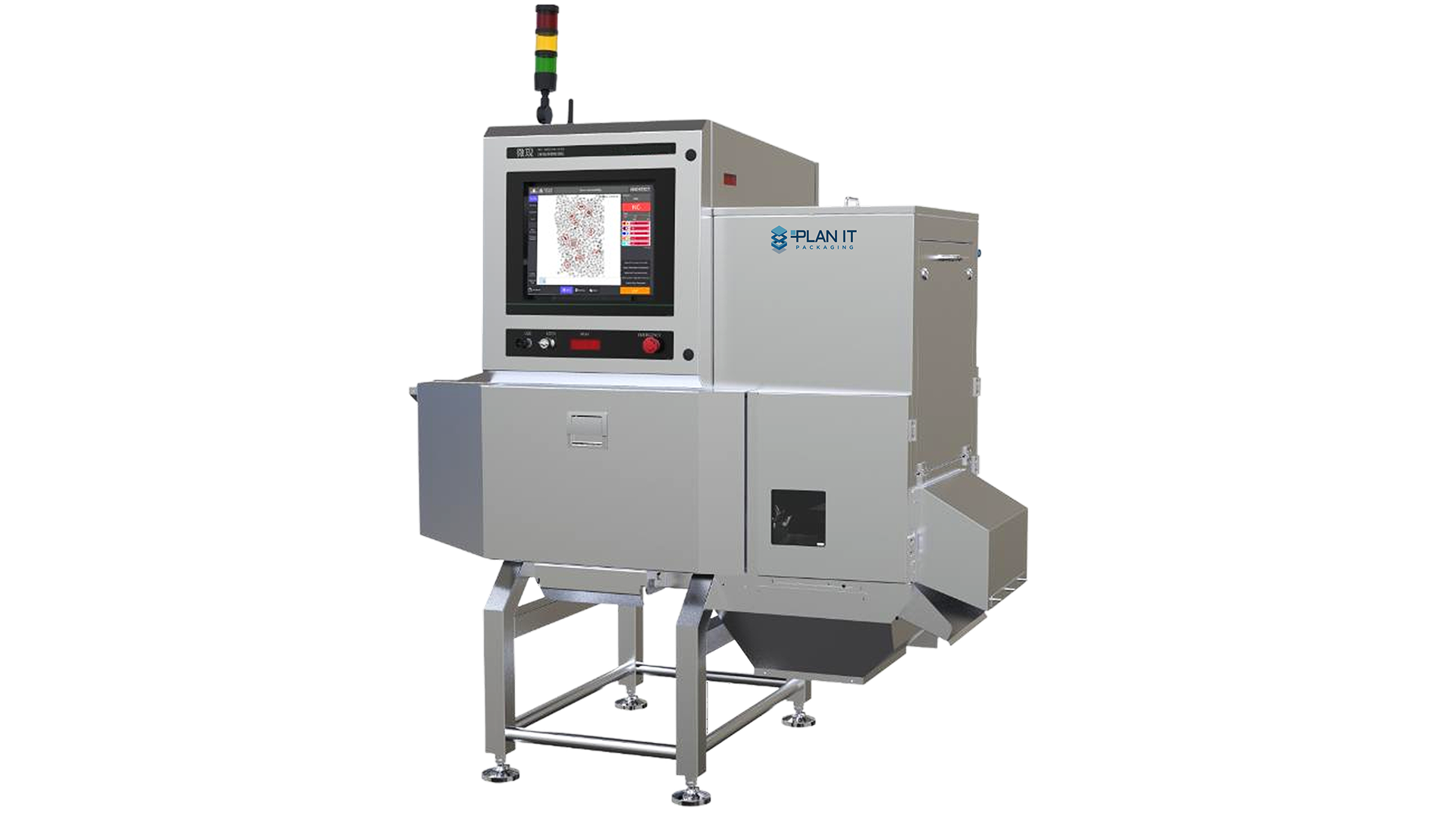
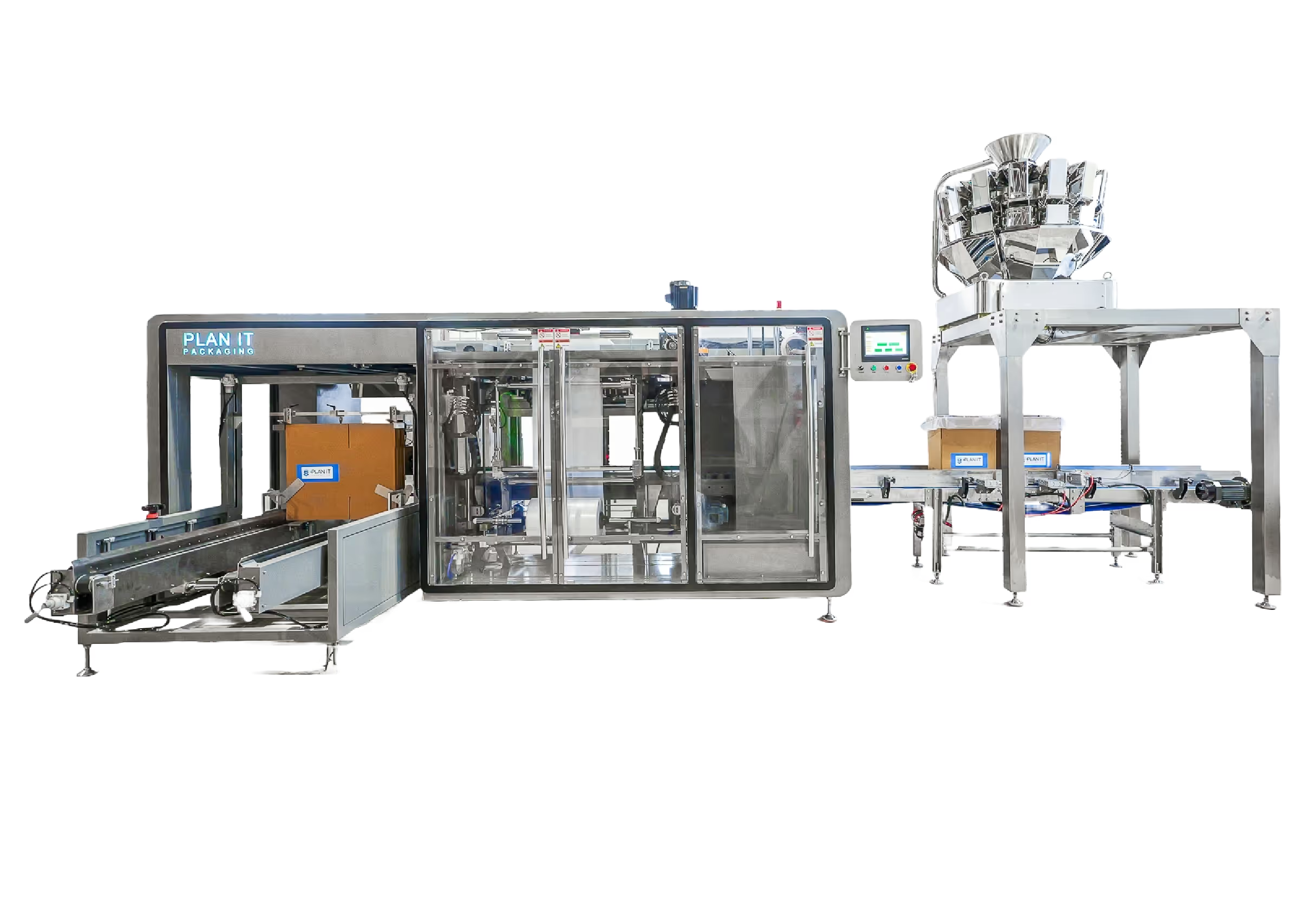
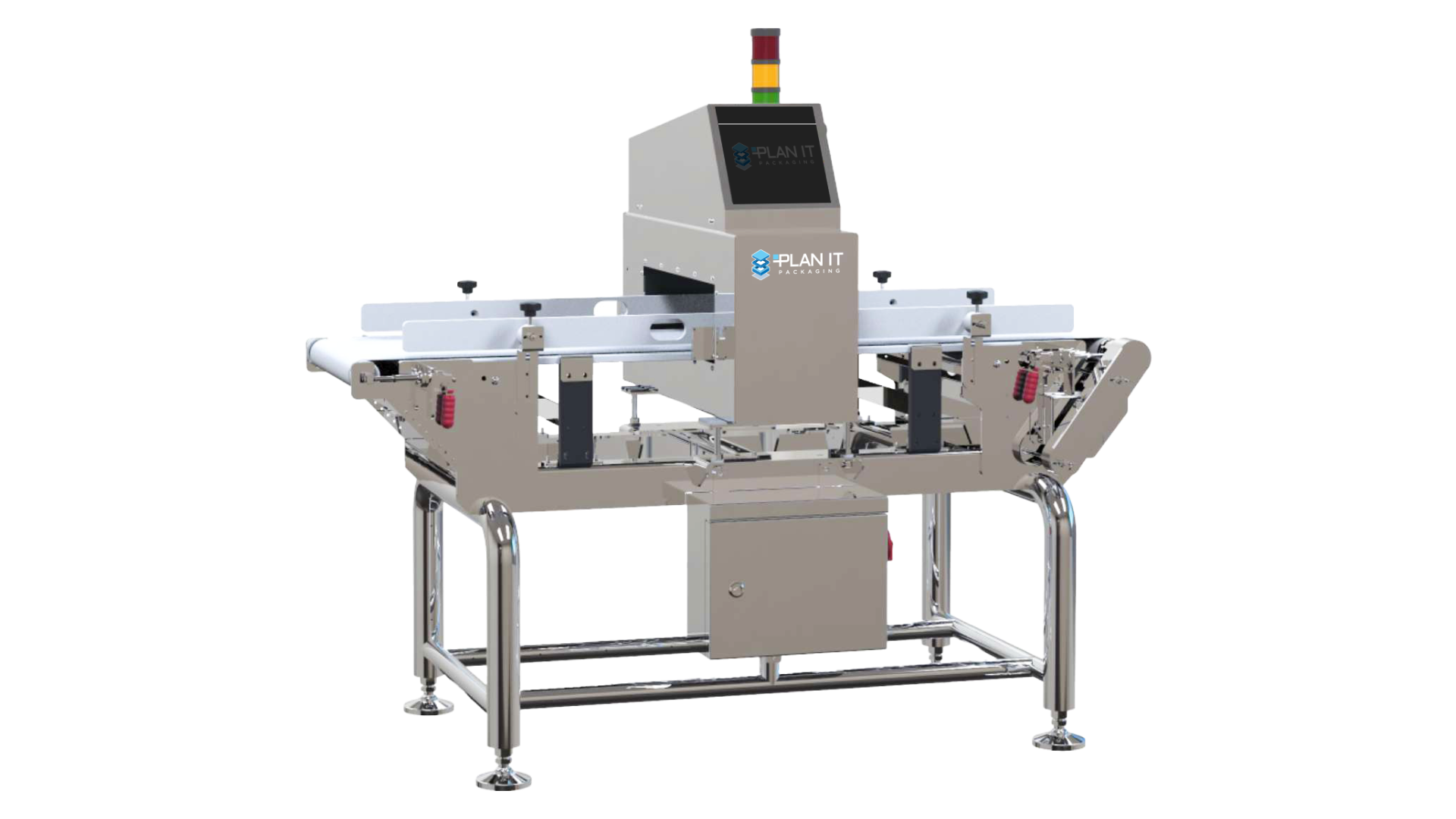
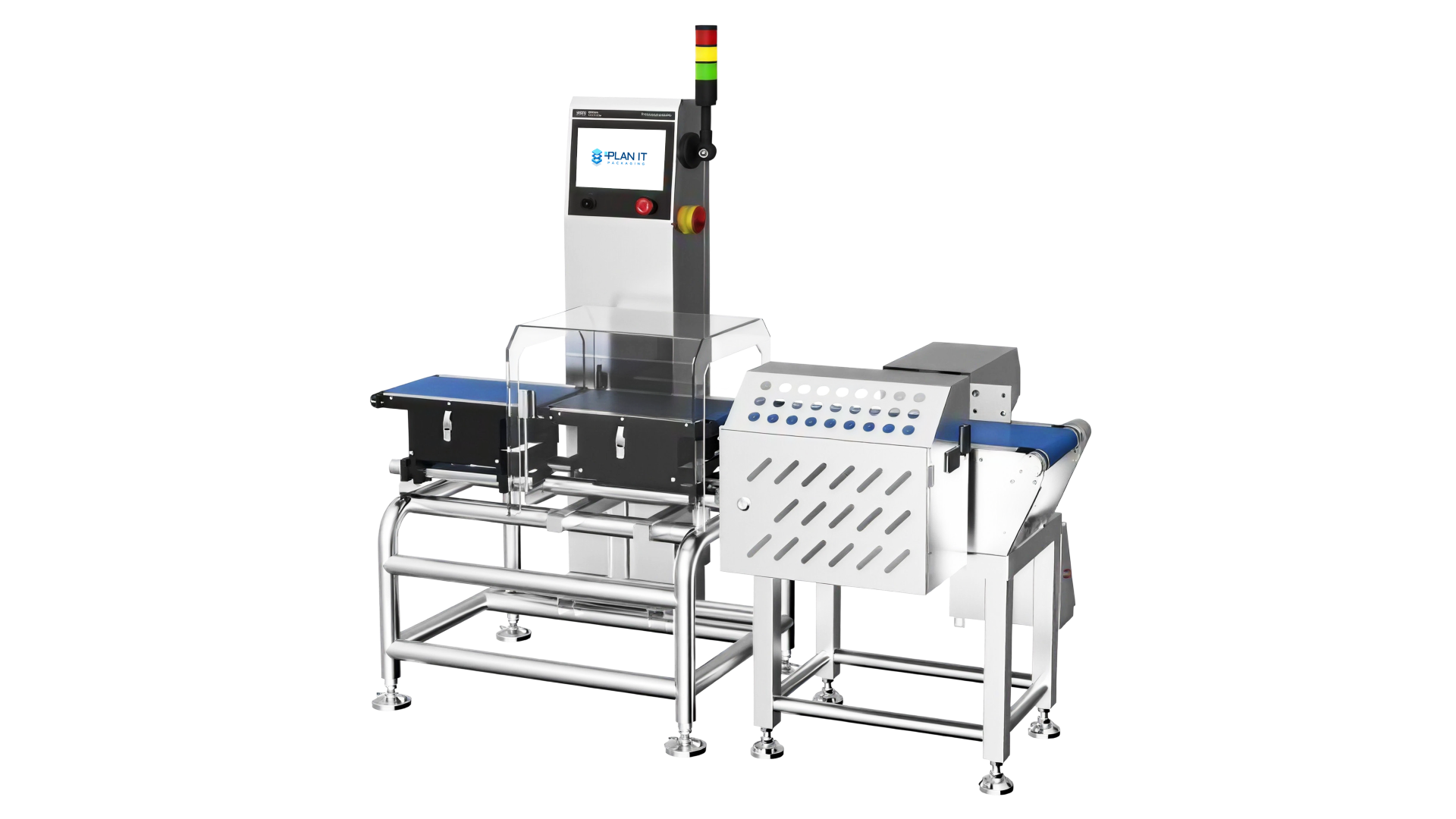
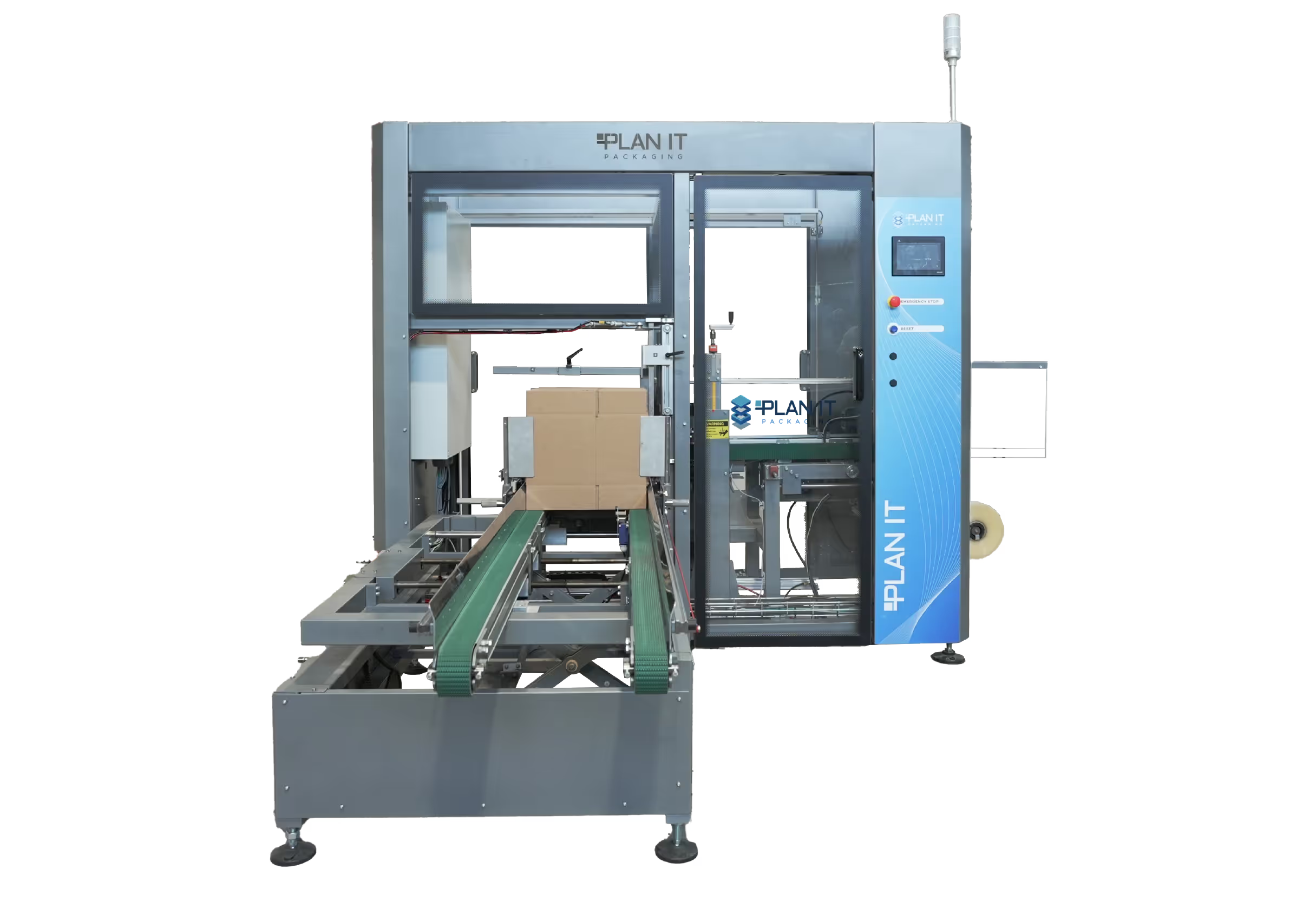
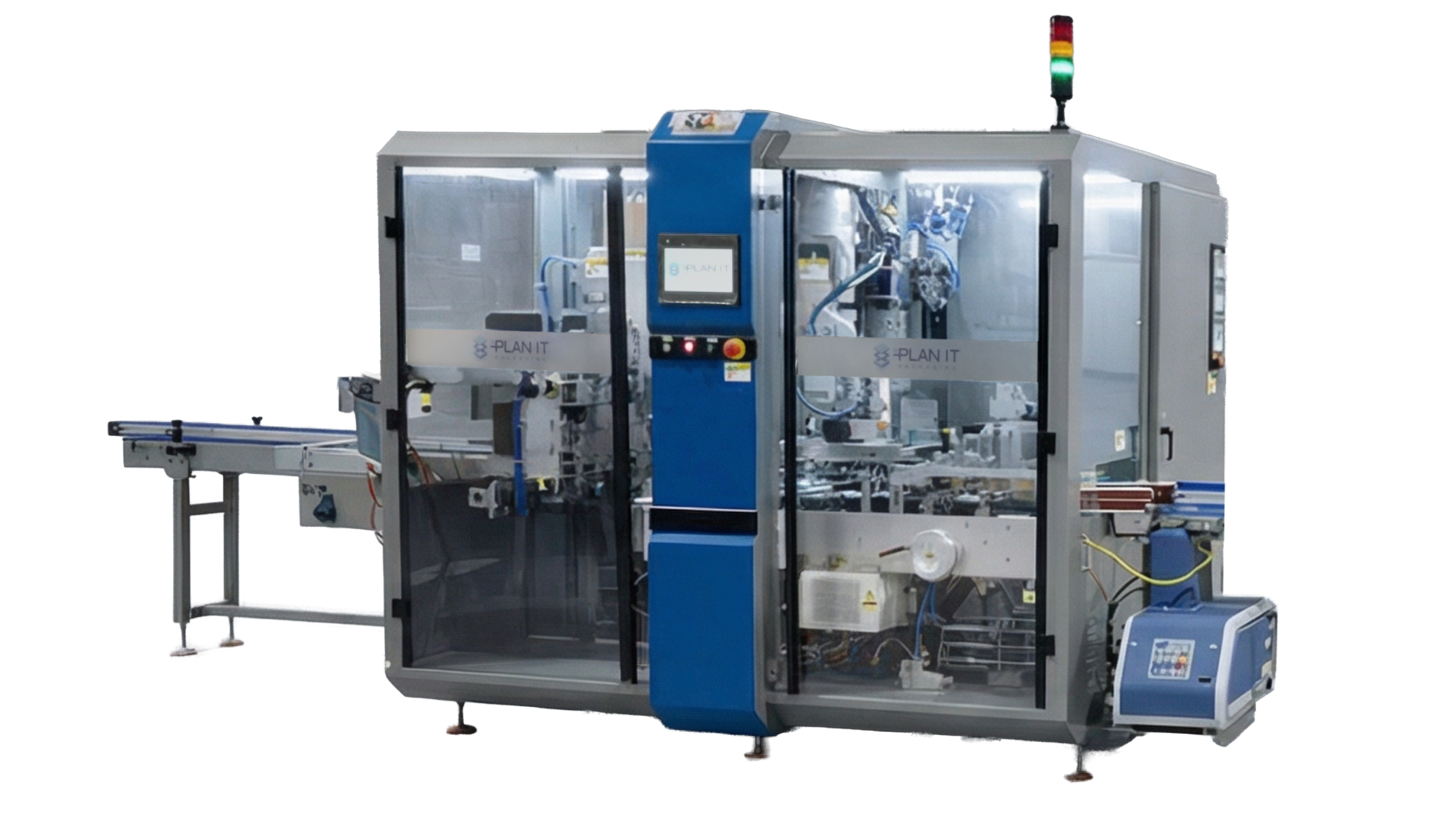
The Coaldale expansion alone adds two new production lines, and packaging has to scale right alongside it. We supply Mars Series VFFS baggers sized for frozen potato products, from fries to hash browns, along with EliteWeigh multihead weighers that hold consistent fill weights across bag sizes and product shapes. Case erectors, sealers, and robotic case packers keep pace with higher-volume lines, and X-ray inspection and metal detection catch contaminants before product ships. A packaging line that can't keep up isn't an option when a plant is doubling capacity. Lethbridge doesn't have a PLAN IT plant on the ground, but we supply and service frozen-food packaging equipment here, keeping machines in stock so a breakdown near Coaldale doesn't turn into a shutdown. Matching automation to growth like that is the difference between a bottleneck and a clean scale-up.


.avif)




%203.avif)


.svg)
.svg)
