Nineteenth-century London supported tanneries, oil refineries, foundries, four flour mills, and two major breweries, a manufacturing legacy that still shapes the packaging automation needs of today's flour, grain, and agricultural producers. London's modern economy has since added medical research, financial services, and information technology to that base, but the milling and brewing history never fully left. London's east end grew into its own historic industrial district, built around railway car manufacturing and a gasworks that no longer operate but once anchored hundreds of local jobs. That brewing and milling heritage sits on some of Ontario's most agriculturally productive farmland, soil shaped by the region's post-glacial landscape, and it keeps London close to a steady supply of milled grain and other granular ingredients that need precise dosing before they ever reach a bag or pouch.
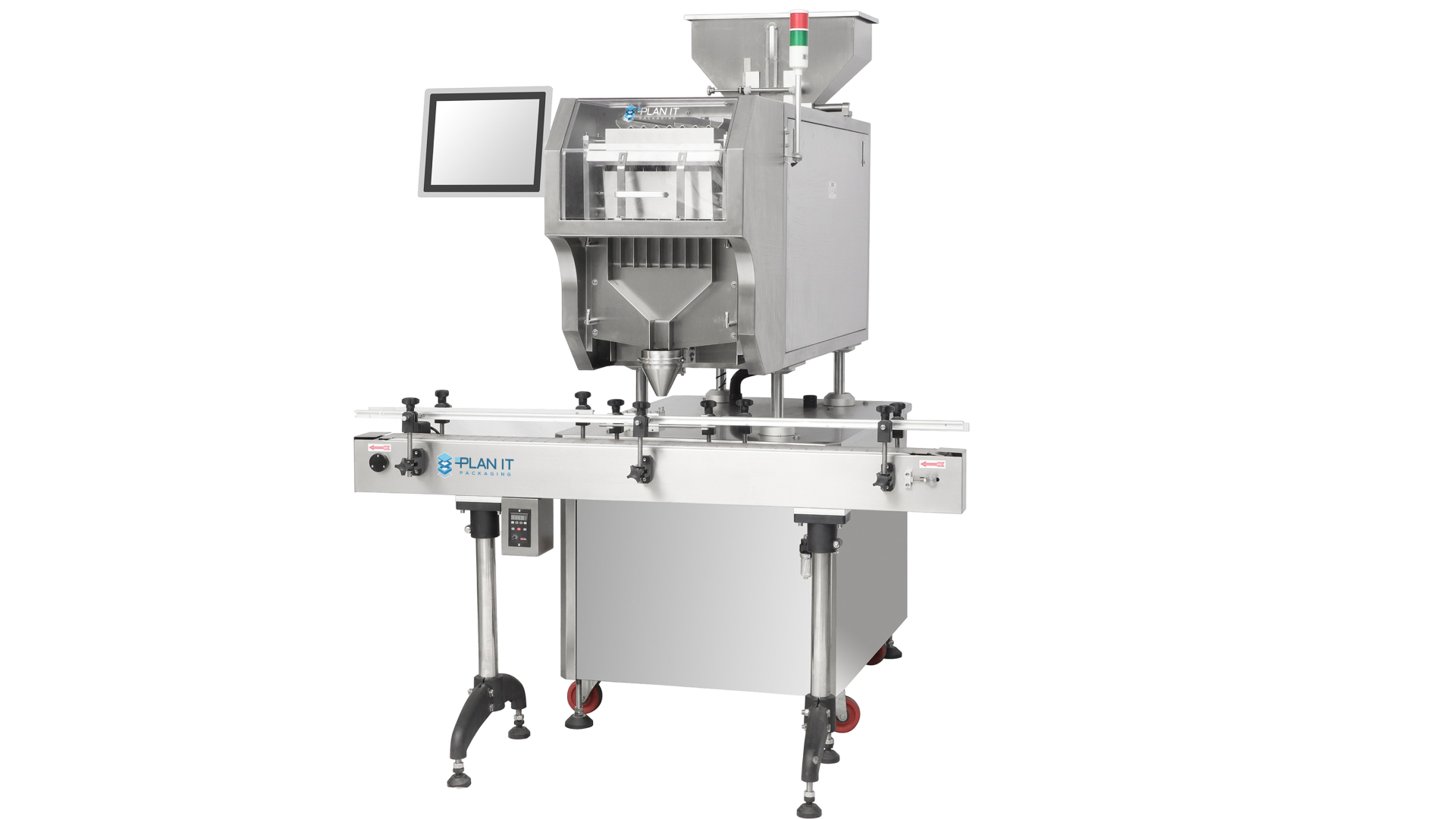
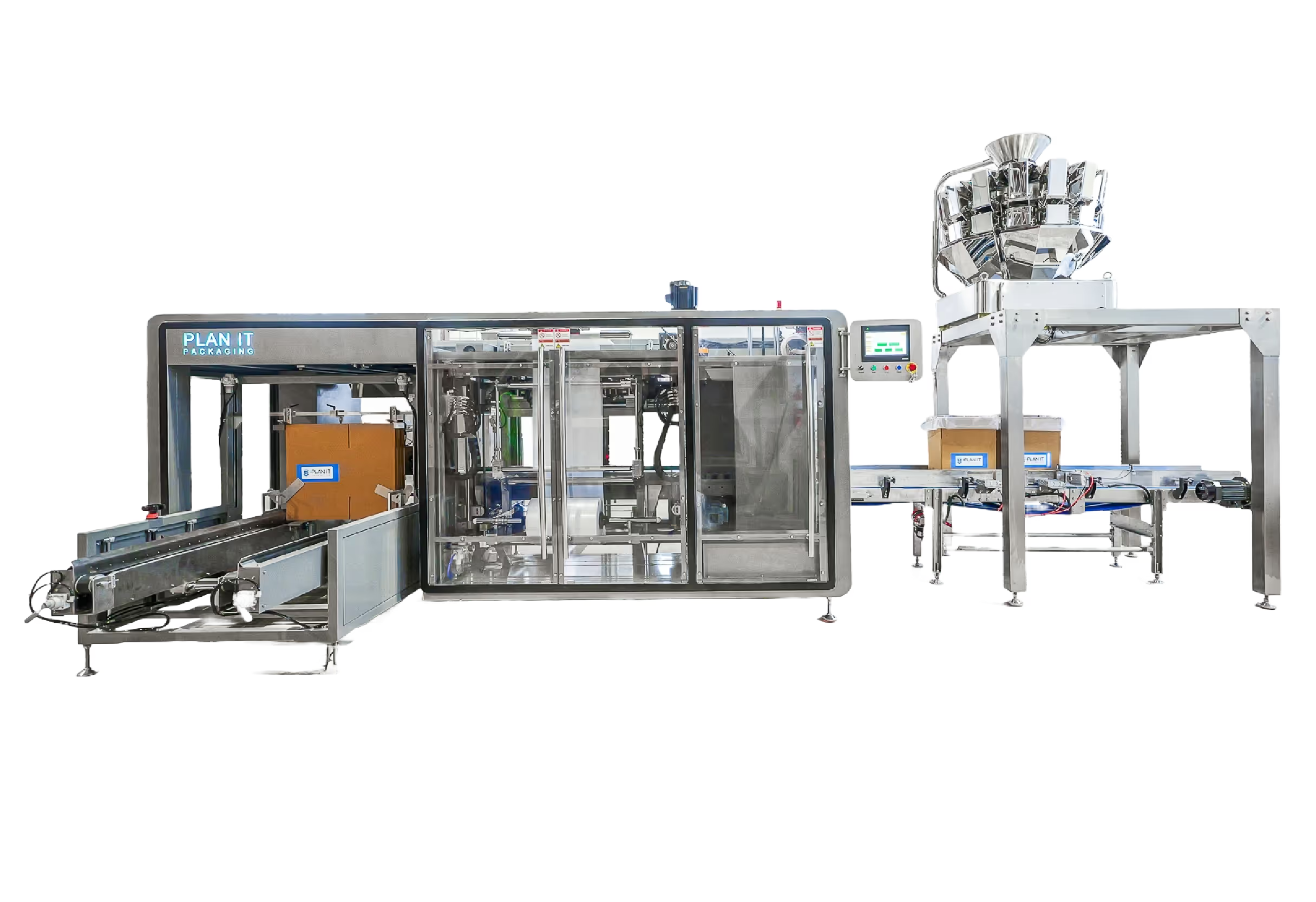
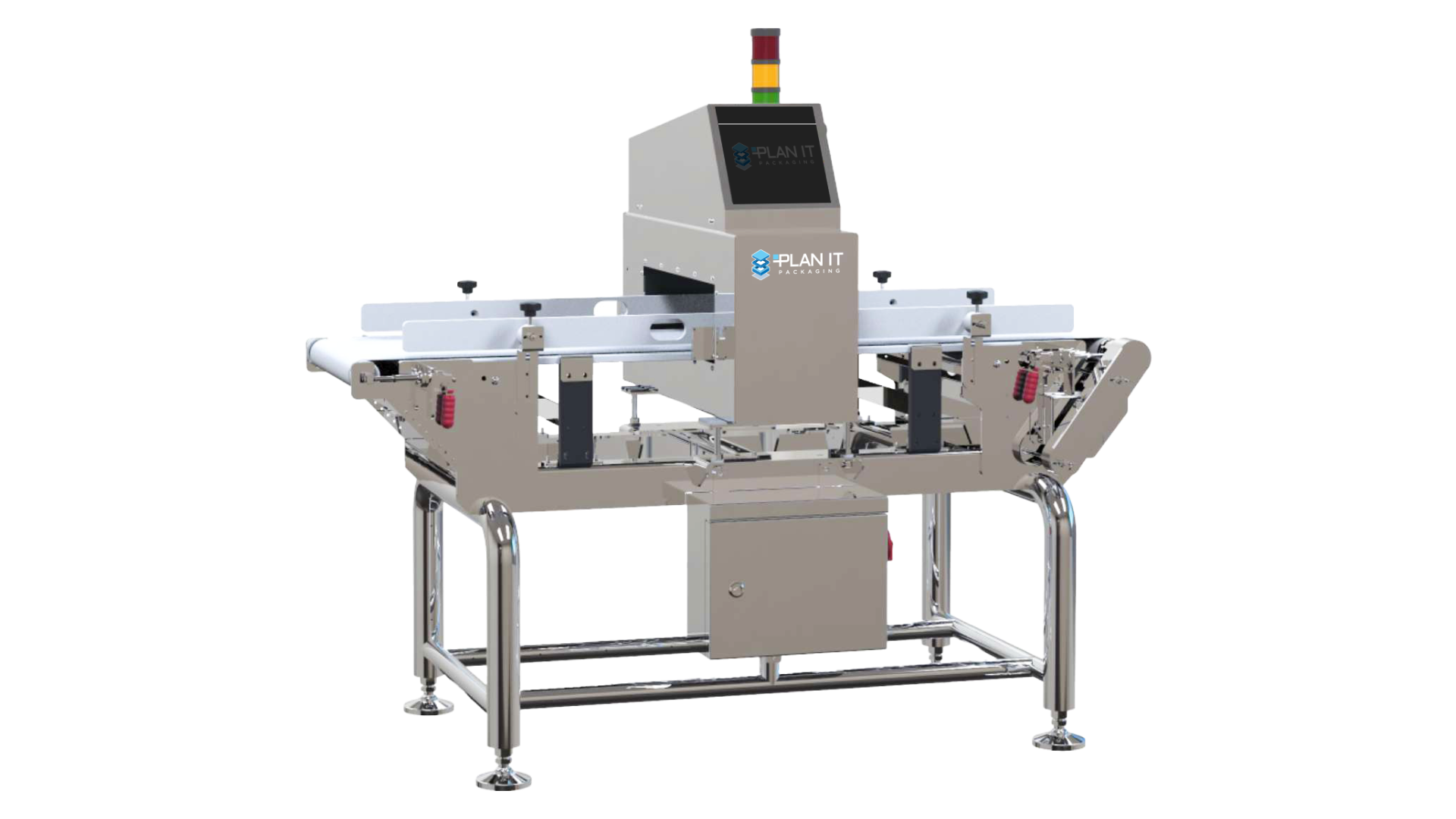
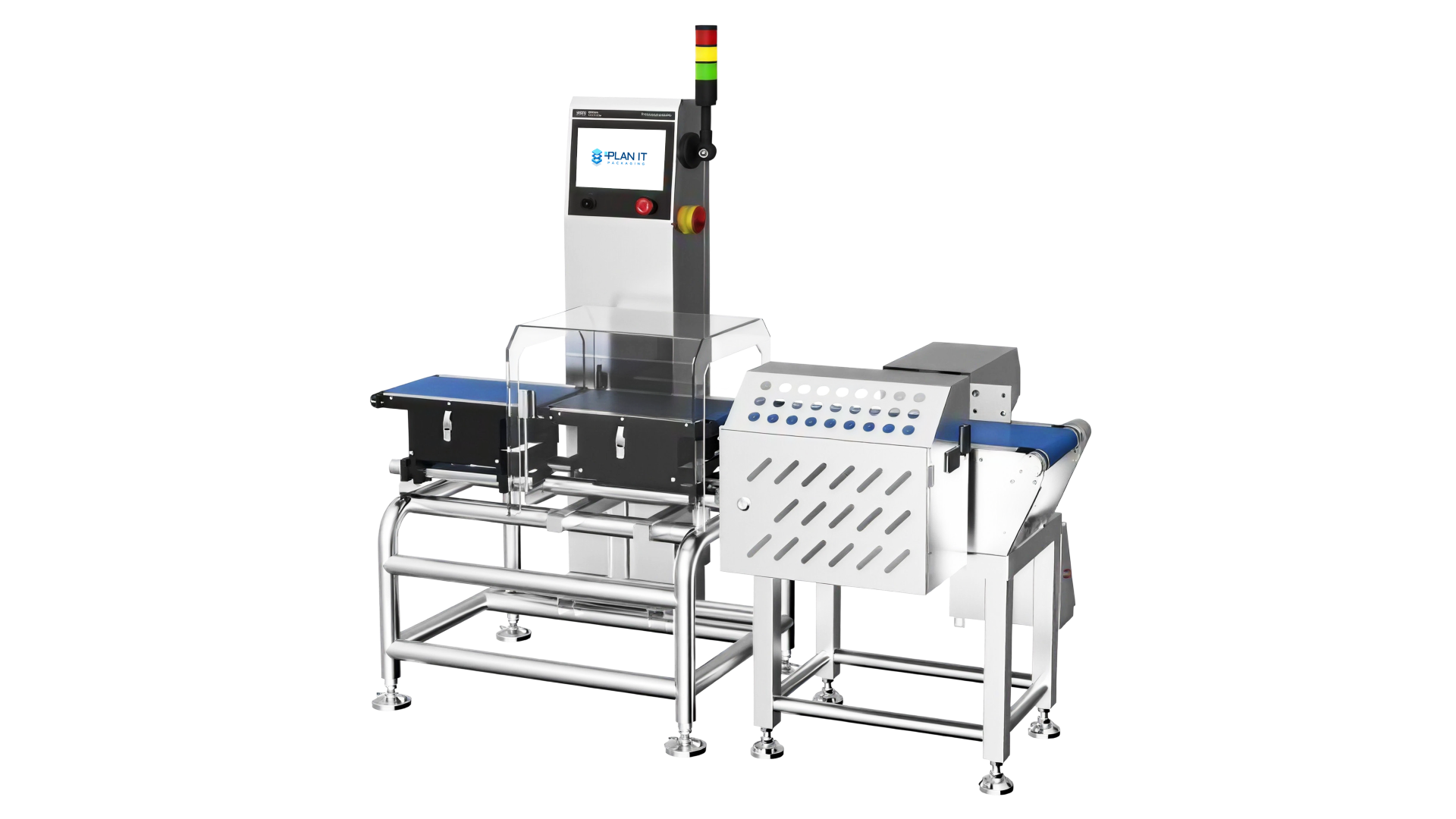
Powder and granular producers working with flour, milled grain, or agricultural inputs need packaging equipment that fills consistently by weight, not volume, especially when ingredient density shifts from batch to batch. Weight doesn't lie. Volume does. Our EliteFill auger and powder fillers hold that dosing accuracy run after run, and our RotoBagger premade-pouch machines pack flour, milled ingredients, or other dry goods into retail or bulk formats. Flour density shifts batch to batch off the mill, and dosing by weight instead of volume keeps that shift from throwing off a fill. For flour and grain producers near London, that accuracy is what keeps a bag from getting kicked back at the inspection line. We keep checkweighers on hand to verify fill once a run starts, with equipment in stock instead of on backorder while harvest season waits.


.avif)




%203.avif)


.svg)
.svg)
