Lowell began as a manufacturing plan, not an accident of settlement: the Boston Associates founded the city in the 1820s as a planned textile-mill center, and by the 1850s it ran the largest industrial complex in the United States, spinning more cotton in 1860 than the entire future Confederacy combined. Thousands of young women known as the Mill Girls worked those mills alongside waves of Irish, German, and French-Canadian immigrant labor, running high-volume production lines that modern packaging equipment now handles with a fraction of the headcount.
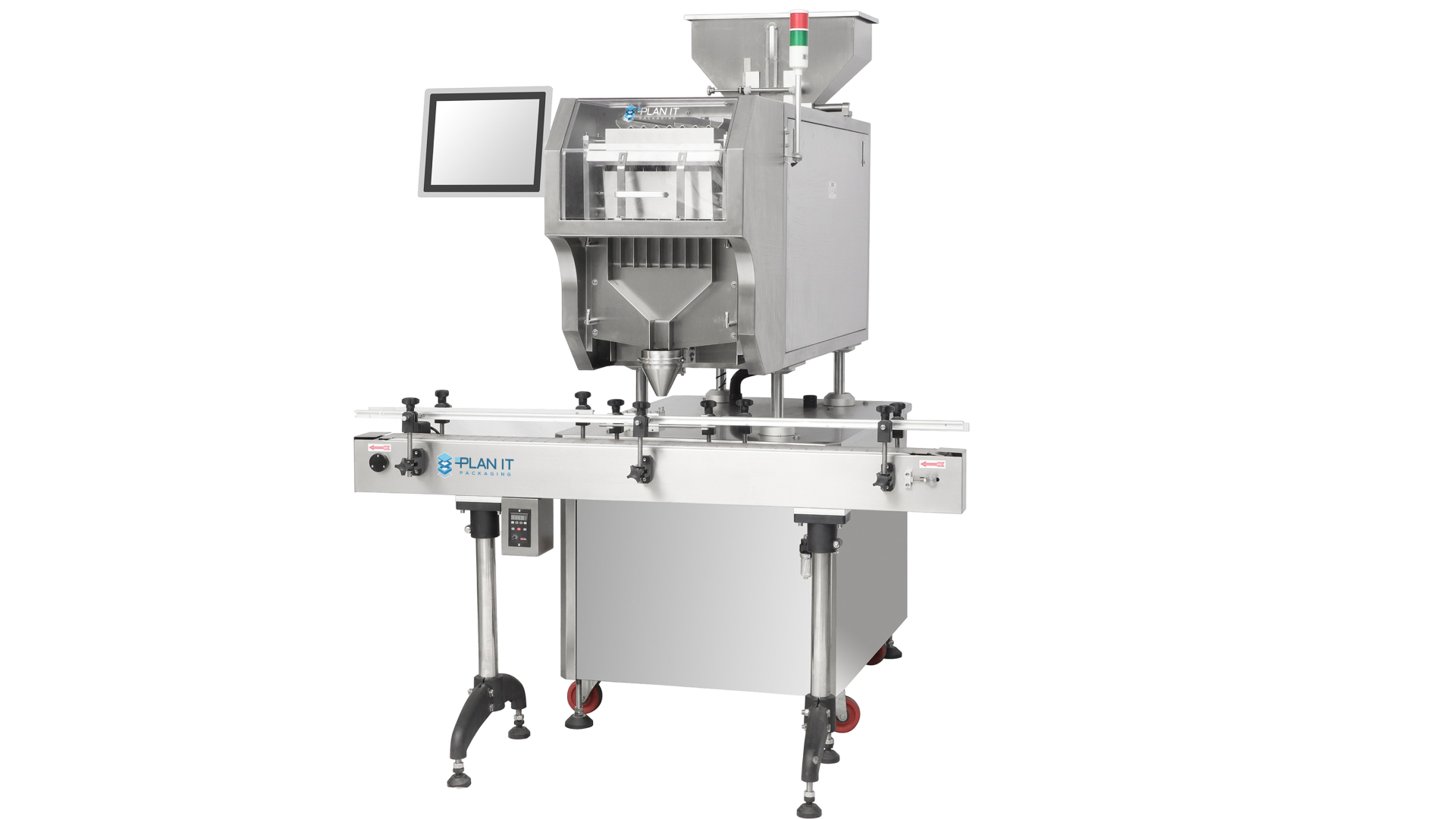
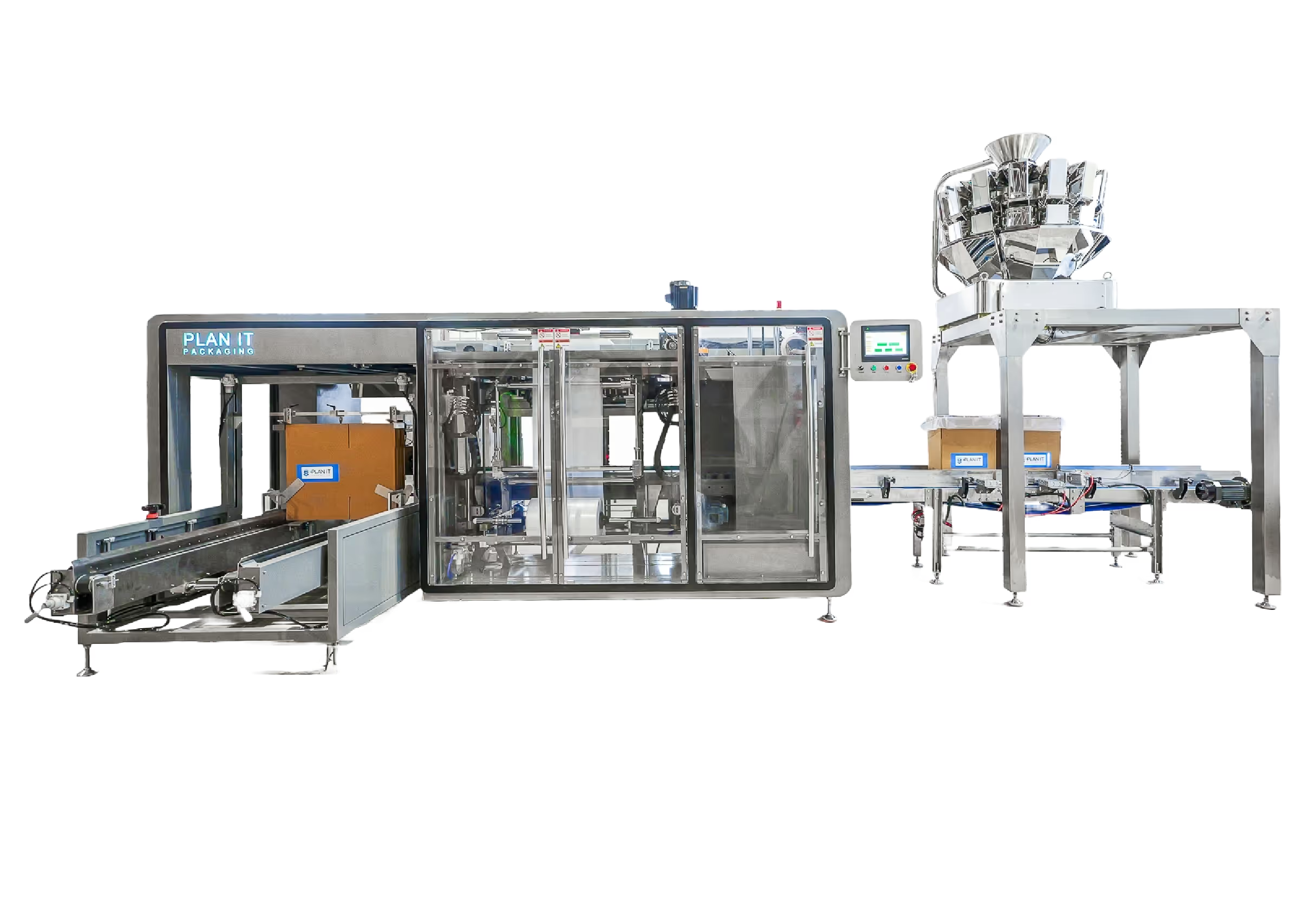
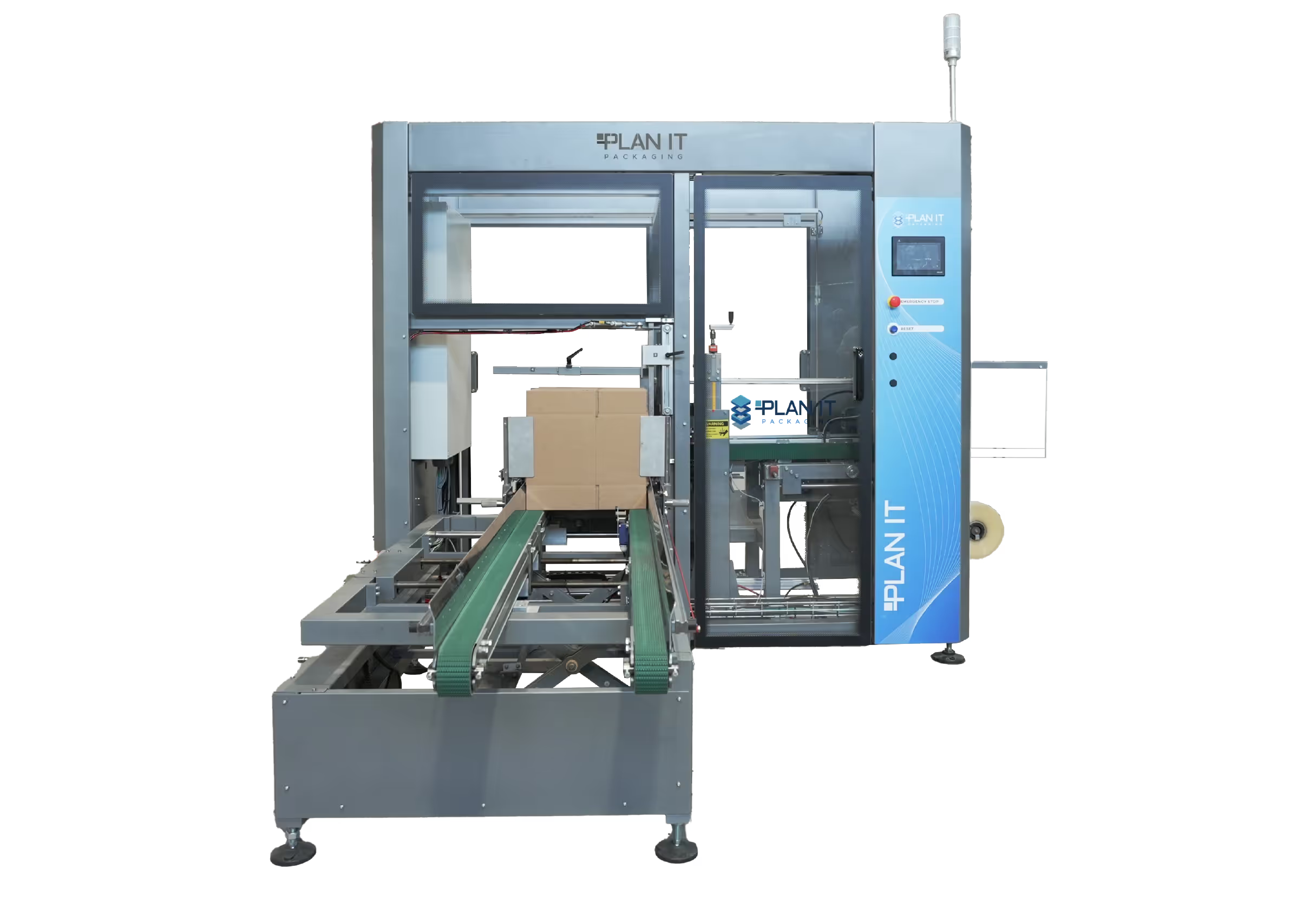
That momentum peaked by the outbreak of World War I, and after the mills found one more use making parachutes and military goods during World War II, the last textile plants closed for good in the postwar years; one national magazine called Lowell a depressed industrial desert during the years that followed. The city's manufacturing identity did not stay down for long: the old mill district reopened in the 1970s-80s as a computer-technology hub, headquarters to a major minicomputer maker, and the original mill buildings are preserved today as Lowell National Historical Park. The equipment that replaced the mill floor looks different, but the throughput problem is the same one packaging automation solves: Mars Series VFFS baggers run high-volume product at line speed for any manufacturer, PackMaster cobot palletizers stack pallets shift after shift, and automatic case packers and case erectors get finished goods into shipping cases without adding headcount. Our Massachusetts location page covers the region, the palletizing category and a case study on elevating co-packing with automated solutions dig into specifics, and our VFFS machine category, automatic case packer lineup, and solutions page round out the catalog for manufacturers working in and around Lowell.


.avif)




%203.avif)


.svg)
.svg)
