Packaging equipment buyers in Manchester are working in a city whose historic Millyard mill buildings, once the largest cotton mill in the world, now house a robotics R&D firm instead. A robotics and medical-device research and development firm has taken over those buildings, part of a broader shift toward healthcare, education, and finance among the city's top employers, including a hospital system, a second regional medical center, a private university, and a regional utility. That modern mix descends directly from Manchester's 19th-century industrial peak: a textile manufacturer incorporated in 1831 built what had become, by 1846, the largest cotton mill in the world, a single mill building 900 feet long running 4,000 looms, and by 1912 the Millyard was weaving cloth at a rate of 50 miles per hour. The same manufacturing complex's foundry and locomotive works also turned out rifles, sewing machines, textile machinery, fire engines, and locomotives, well beyond cloth alone.
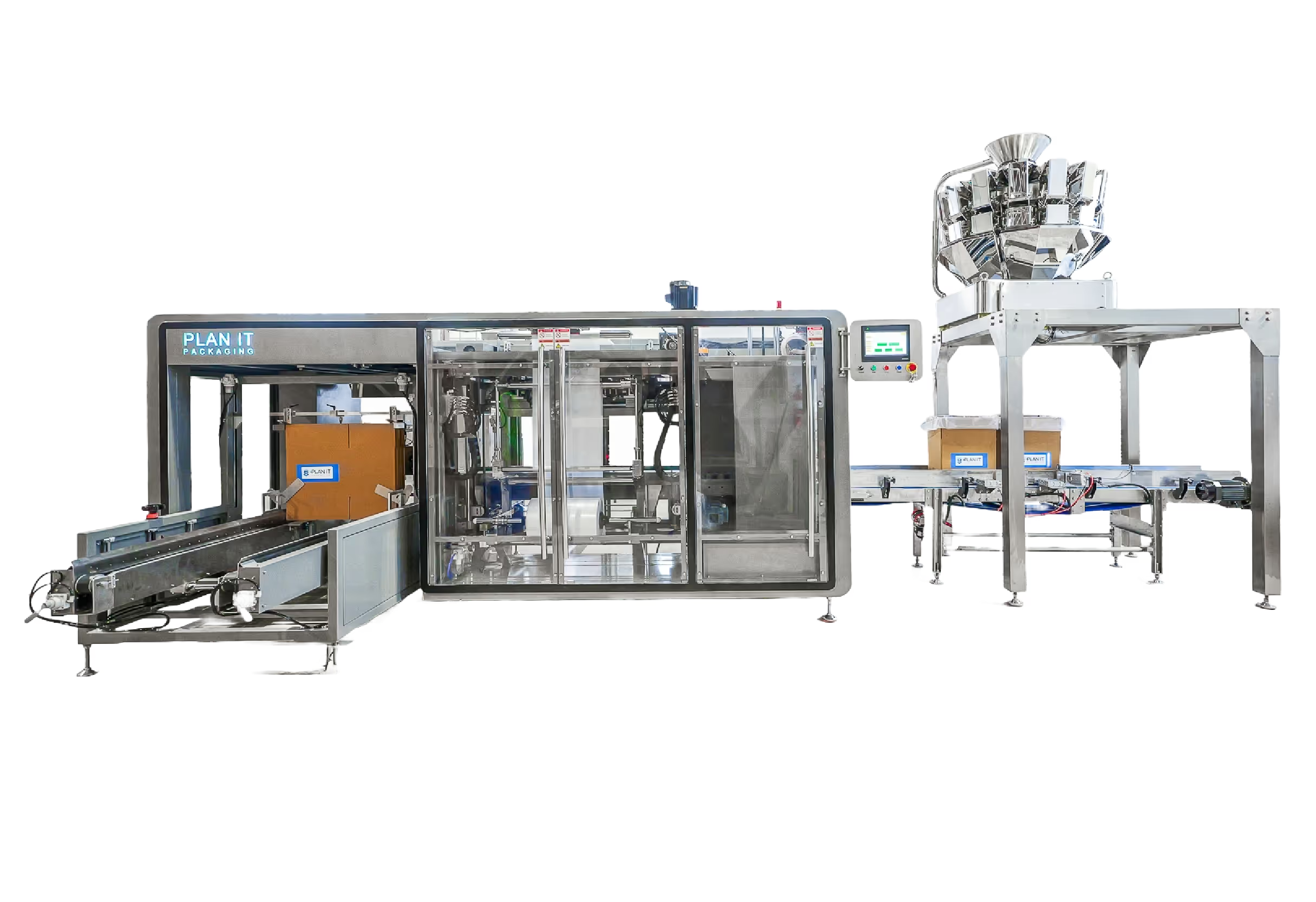
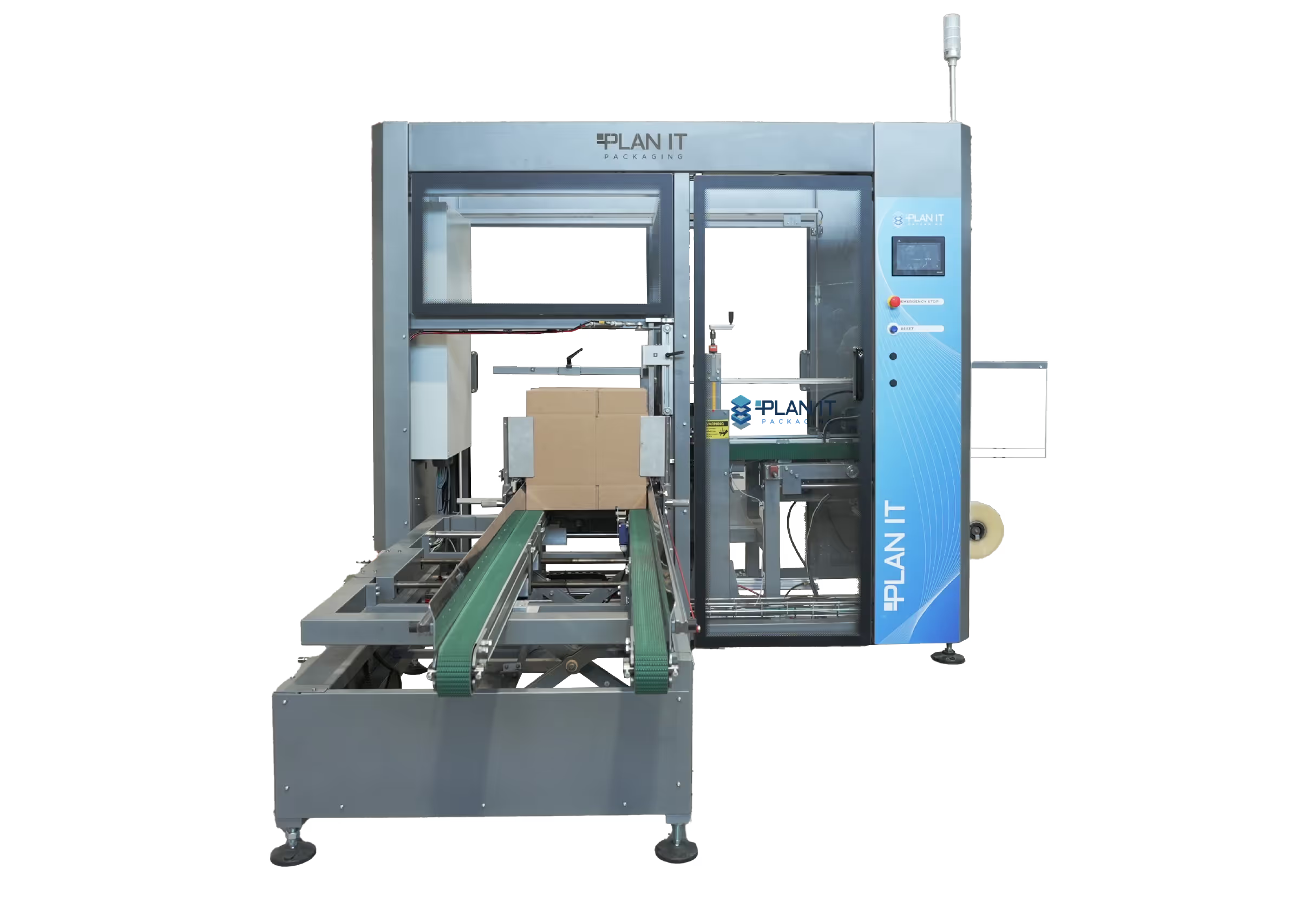
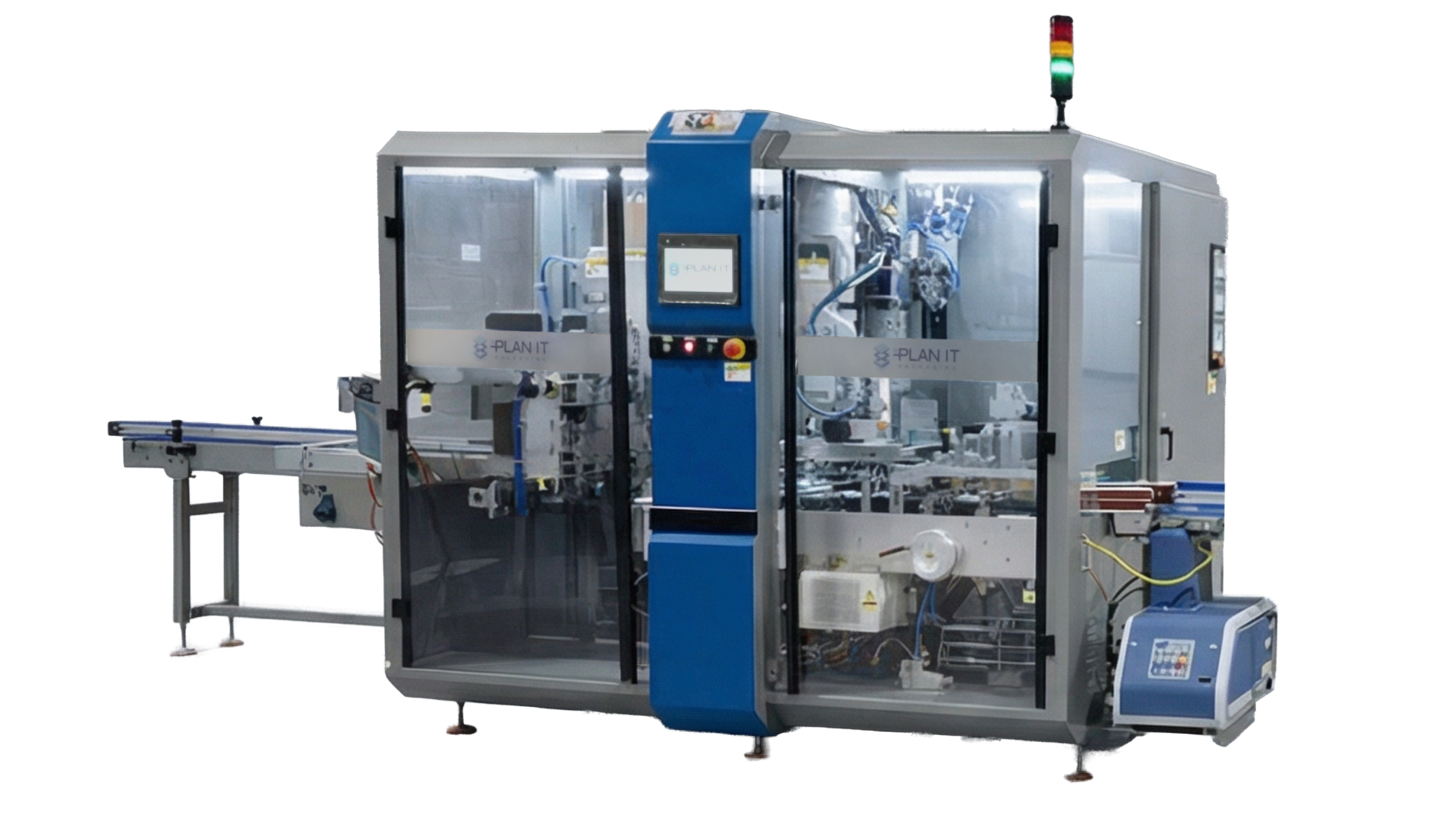
That history of building heavy machinery under one roof is a natural fit for our case-forming, case-packing, and palletizing lines serving today's New Hampshire manufacturers. Our case formers erect corrugated cases ahead of the automatic case packers that box product at line speed. Floor space is often the limiting factor at the end of that line. Our PackMaster cobot palletizers stack finished cases there without the guarding and floor space a full industrial robot needs. It's a scaling move we've documented in our own case studies for co-packers automating their lines. A growing line can't afford to back up at the shipping case. If your line is scaling past its current pace, you need a palletizer that doesn't demand a caged robot cell. We keep case formers, case packers, and PackMaster cobot palletizers in stock for Manchester-area and wider New Hampshire producers, and our solutions team fits each line to the floor space and volume on hand.


.avif)




%203.avif)


.svg)
.svg)
