McAllen's transformation started with irrigation canals in 1898 and a rail line that reached the city in 1904, turning open rangeland into one of the country's fastest-growing agricultural centers, built on citrus, cotton, and produce, and creating steady demand for packaging automation long before the term existed. By 1930 the city had canning factories, a winery, tortilla plants, and wood-working plants running alongside the fields, and in 1936 a citrus winery added wine production to the local processing base. That agricultural-processing identity carried McAllen through most of the twentieth century.
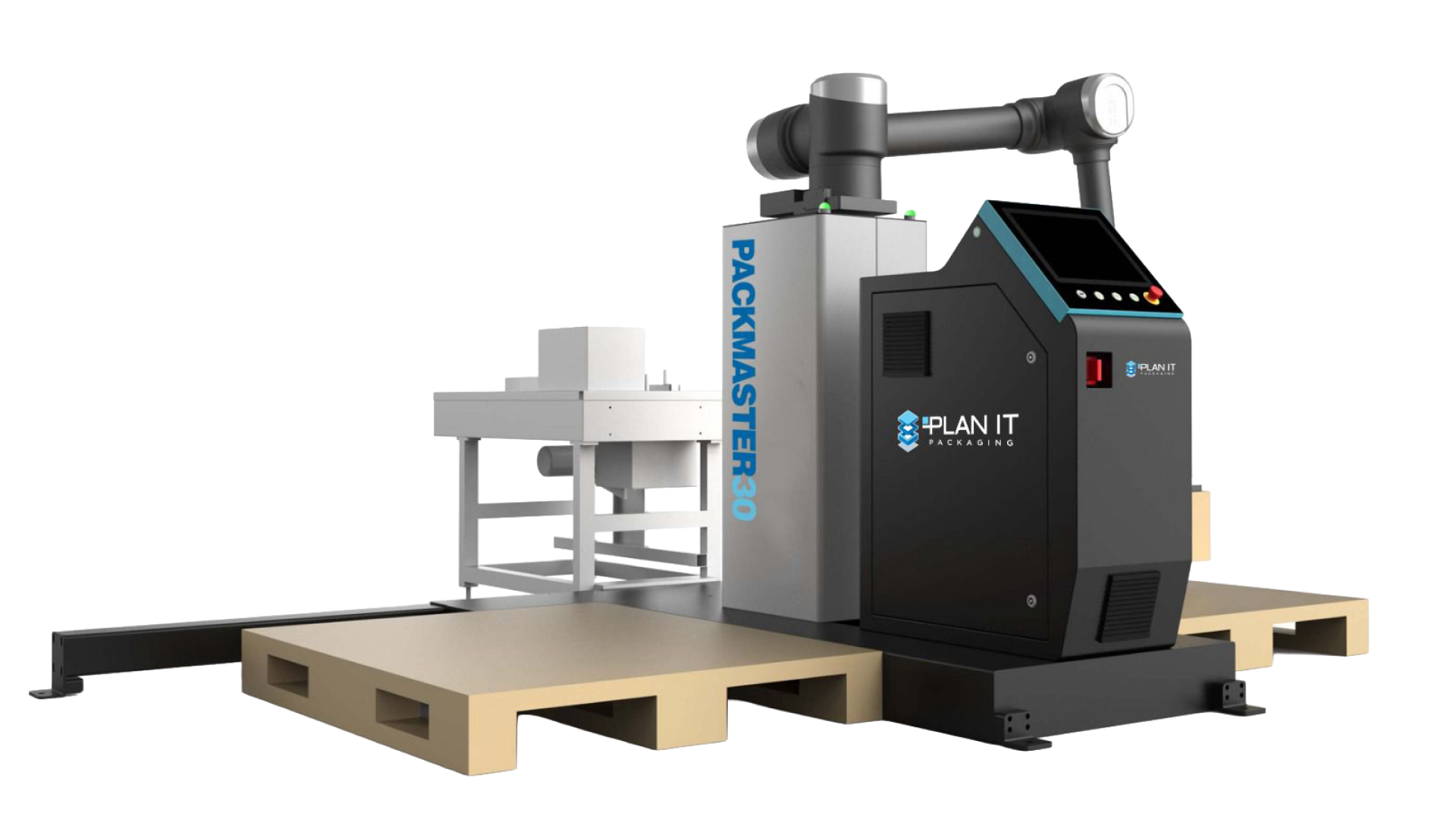
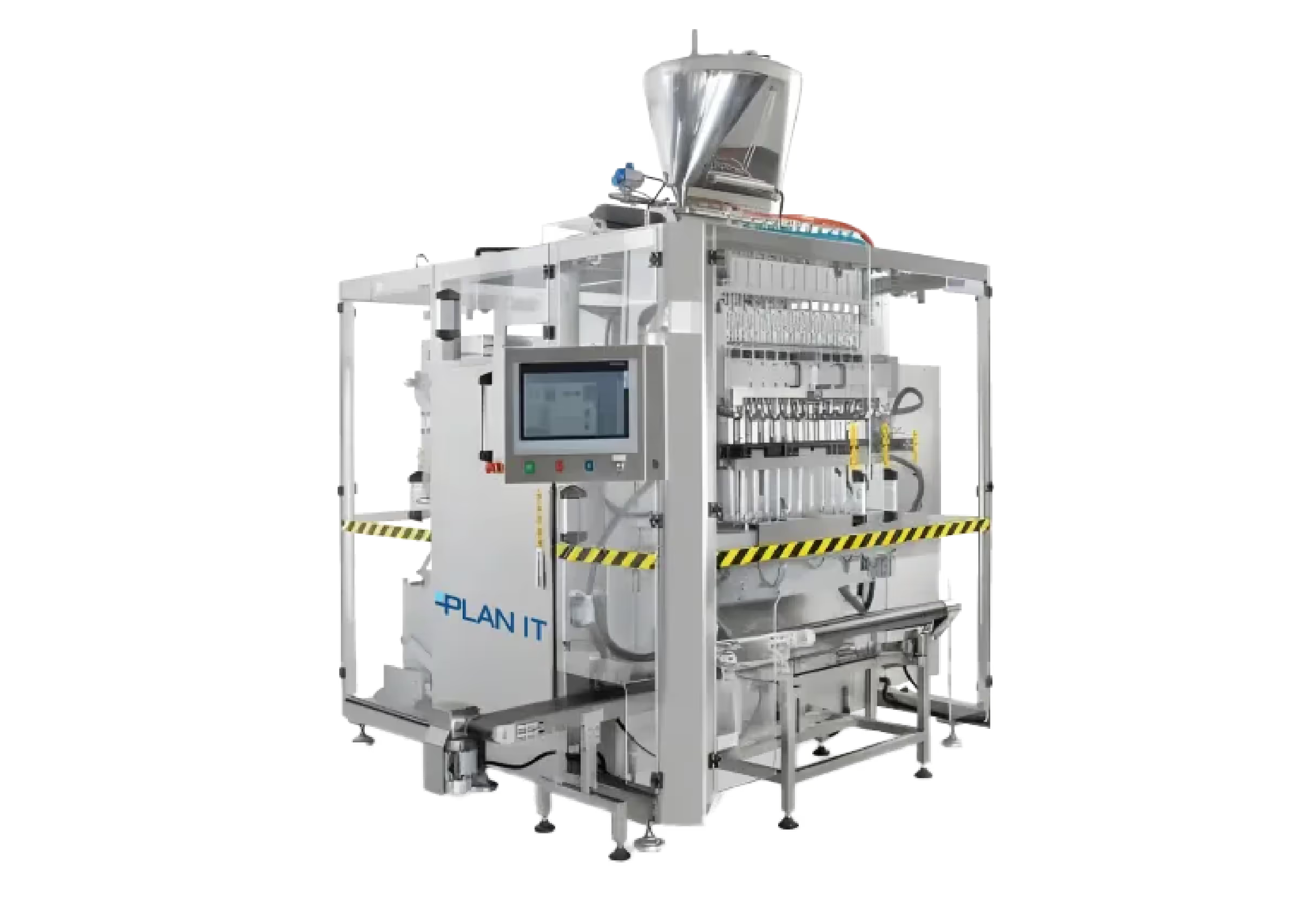
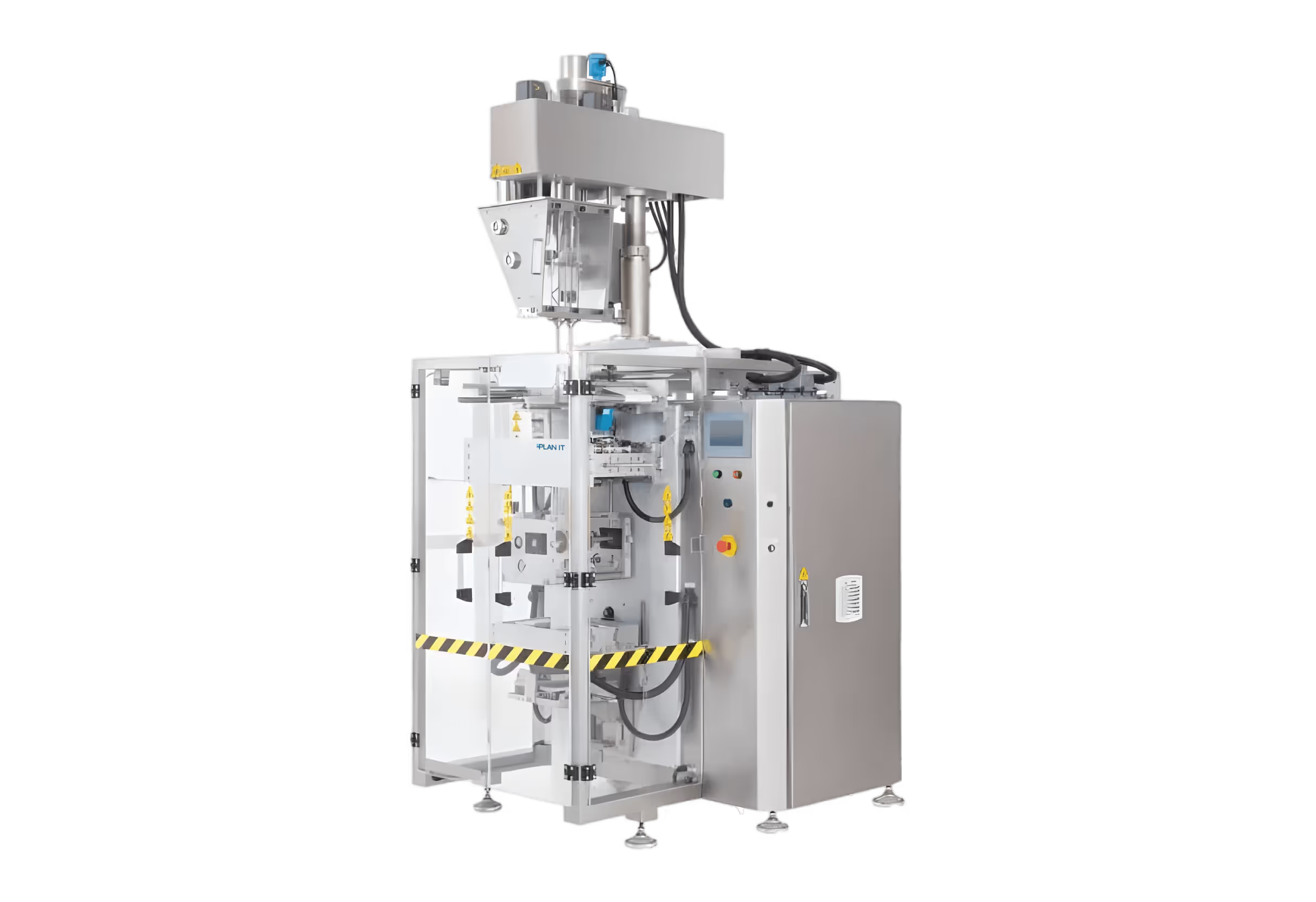
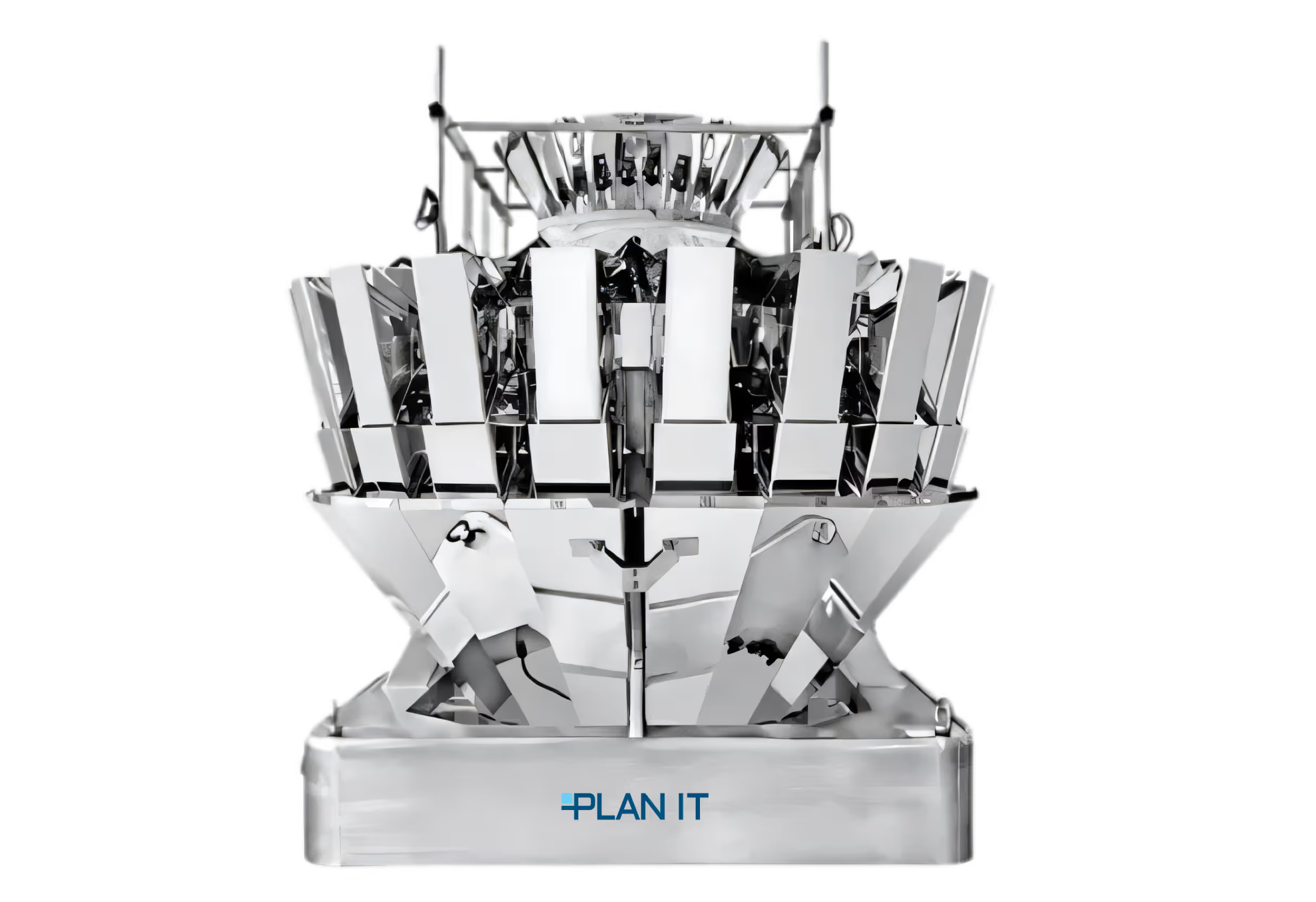
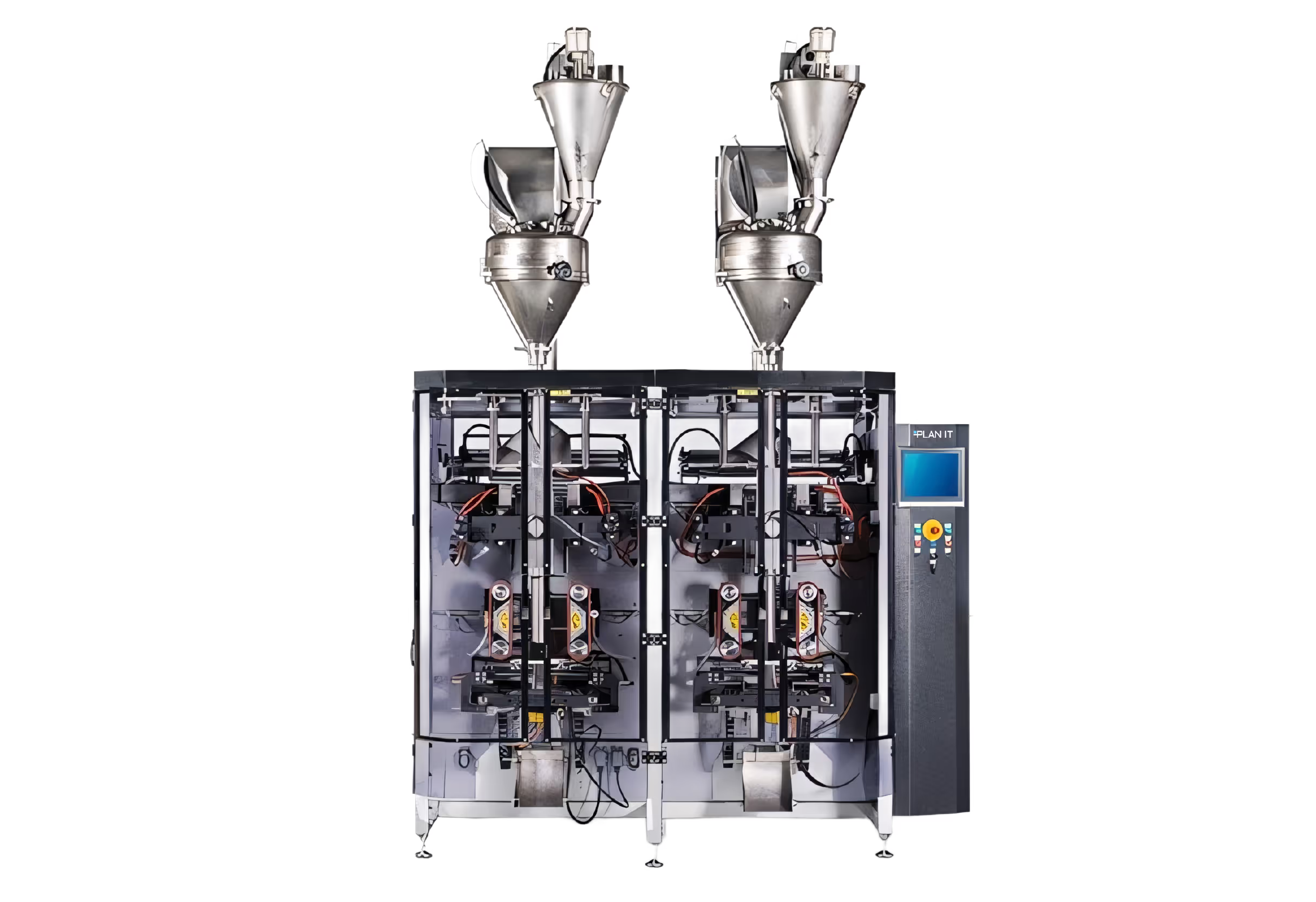
McAllen's economy has since layered international trade and logistics on top of that food-processing foundation. The city sits directly across the border from Reynosa, Mexico, a major manufacturing center, and since NAFTA took effect in 1994 the local economy has shifted further toward warehousing and cross-border logistics. The McAllen Foreign-Trade Zone, commissioned in 1973 as the first inland foreign-trade zone in the United States, now runs duty-free import alongside pick-and-pack, order processing, inventory control, and incoming and outgoing quality inspection for the manufacturers working through it. If your product moves through that FTZ on a tight pick-and-pack window, a stalled line costs you the slot. One regional food producer already scaled its output through a project matching that exact flow, pushing more product through each shift without adding floor space. PLAN IT's Mars Series vertical form fill seal machines and automatic case packers handle lines for fresh-produce and food producers, moving product from field to case to trade-zone warehouse without a bottleneck. Your harvest schedule sets the pace; PLAN IT keeps Mars Series machines in stock along the Rio Grande Valley and backs them with consultative service built around it.


.avif)




%203.avif)


.svg)
.svg)
