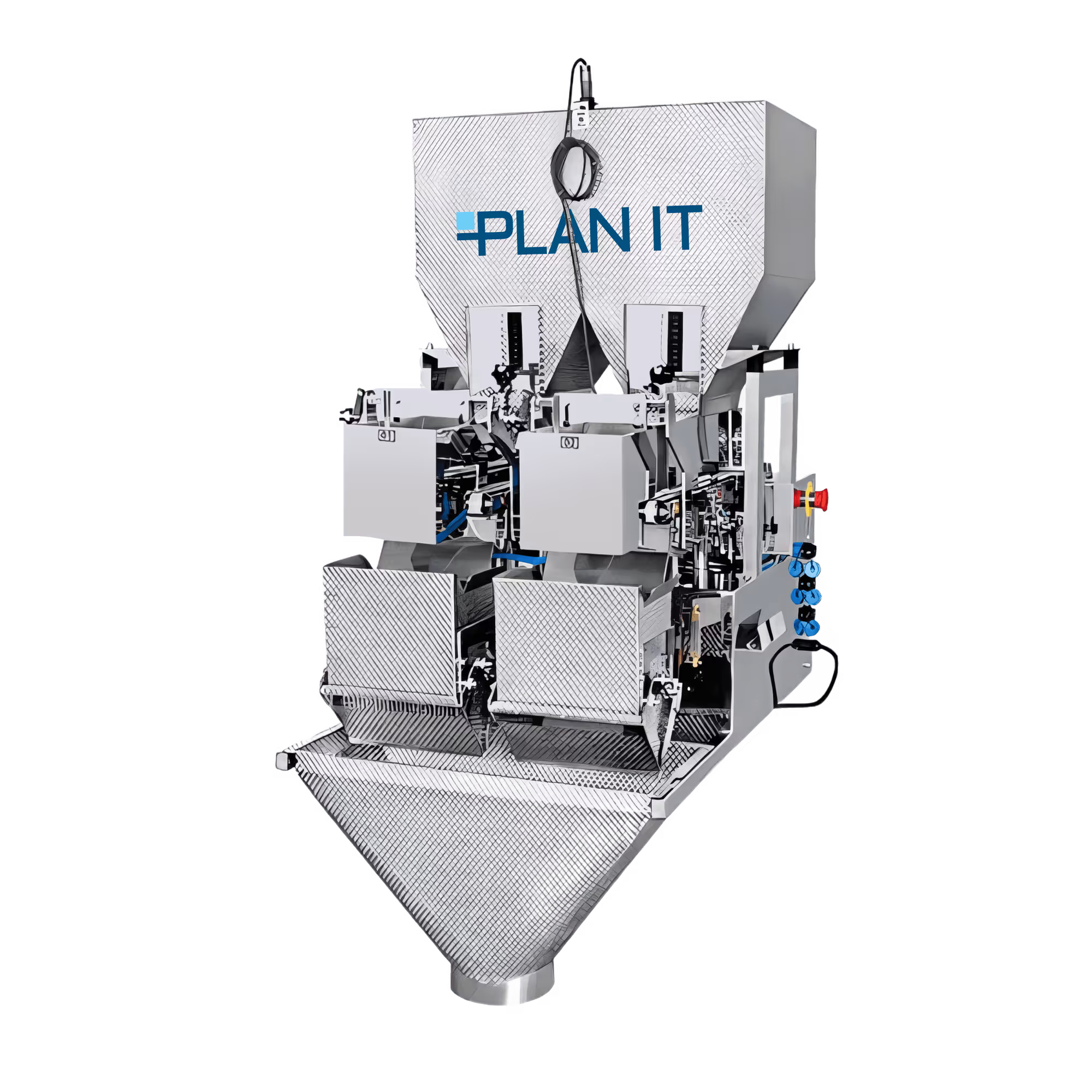
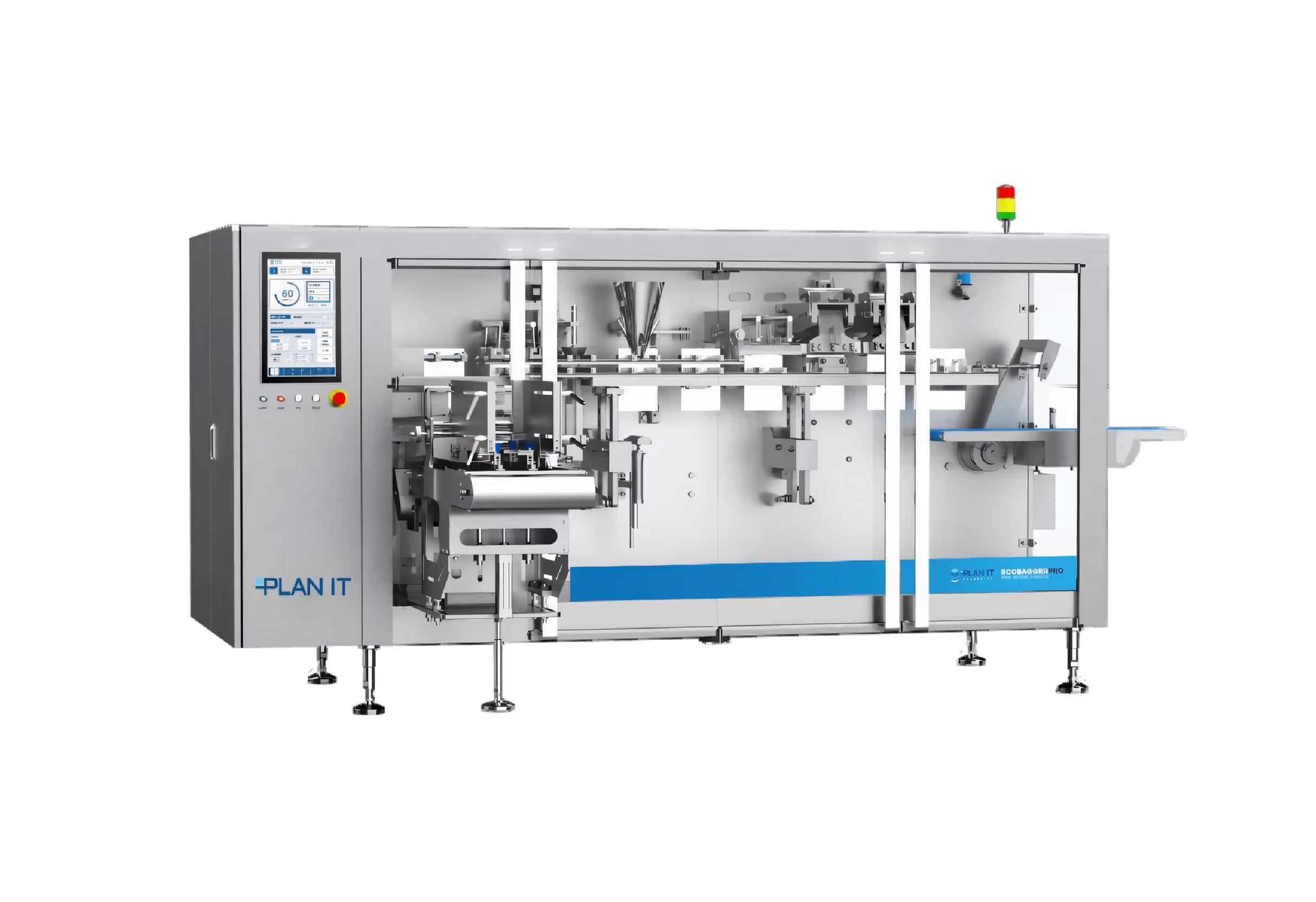
Nanaimo's food and beverage sector runs on seafood, packaged meat, and bottled drinks headed out from central Vancouver Island. A seafood cannery and smokehouse founded in the city in the 1950s has canned and smoked Pacific salmon and oysters for more than 70 years, a business majority-owned since 2015 by five Nuu-chah-nulth First Nations. Roughly 18 food-manufacturing operations run in Nanaimo altogether, including a meat processor and a prepared-foods maker, alongside a major beverage company's active bottling and distribution facility. Each line runs differently. Canned seafood, cased meat, and bottled product all need different packaging equipment. Canned salmon and oysters don't move like dry goods, and if you're packing either on Vancouver Island, PLAN IT's Mars Series VFFS baggers are built for the odd shapes a smokehouse line throws at them, while case packers box canned and bottled product fast enough to match a bottling line's output.
Vancouver Island's Feed BC food-and-beverage-processing program names Nanaimo as a regional processing and distribution node for the central island, a designation that reflects the density of canneries, meat plants, and bottlers already based there. If you're running smoked and canned seafood, you need metal detection and X-ray inspection to catch bone or shell fragments before product ships, on top of the case packing that gets it out the door. Our case study on a smoked-fish business scaling up with automation mirrors the seafood operation Nanaimo's cannery represents. PLAN IT keeps VFFS and case-packing equipment in stock for Nanaimo's canneries and bottlers, and our solutions team sizes metal-detection and X-ray inspection to the bone- and shell-fragment risk a smoked-seafood line runs into.





%203.avif)


.svg)
.svg)
