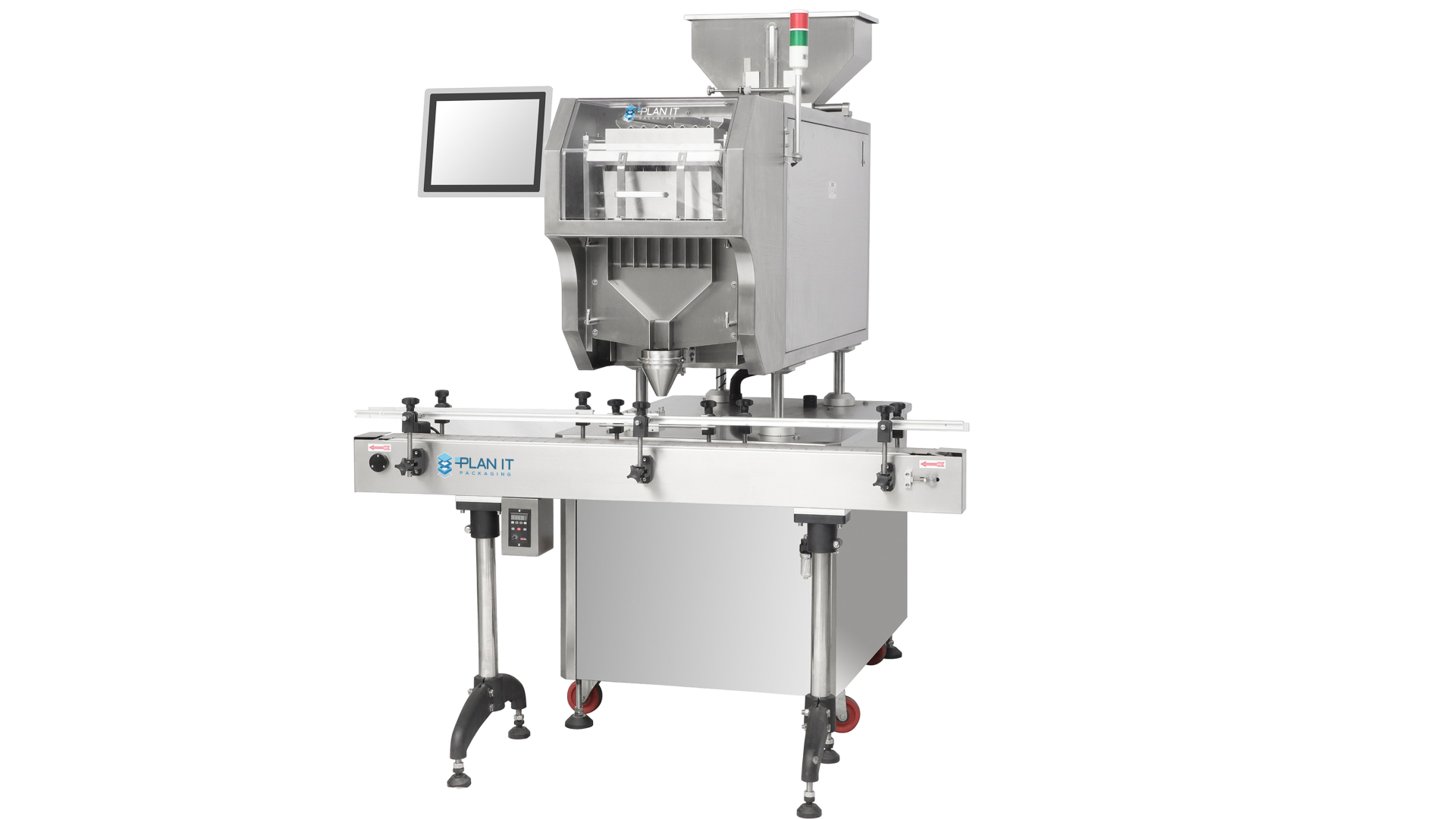
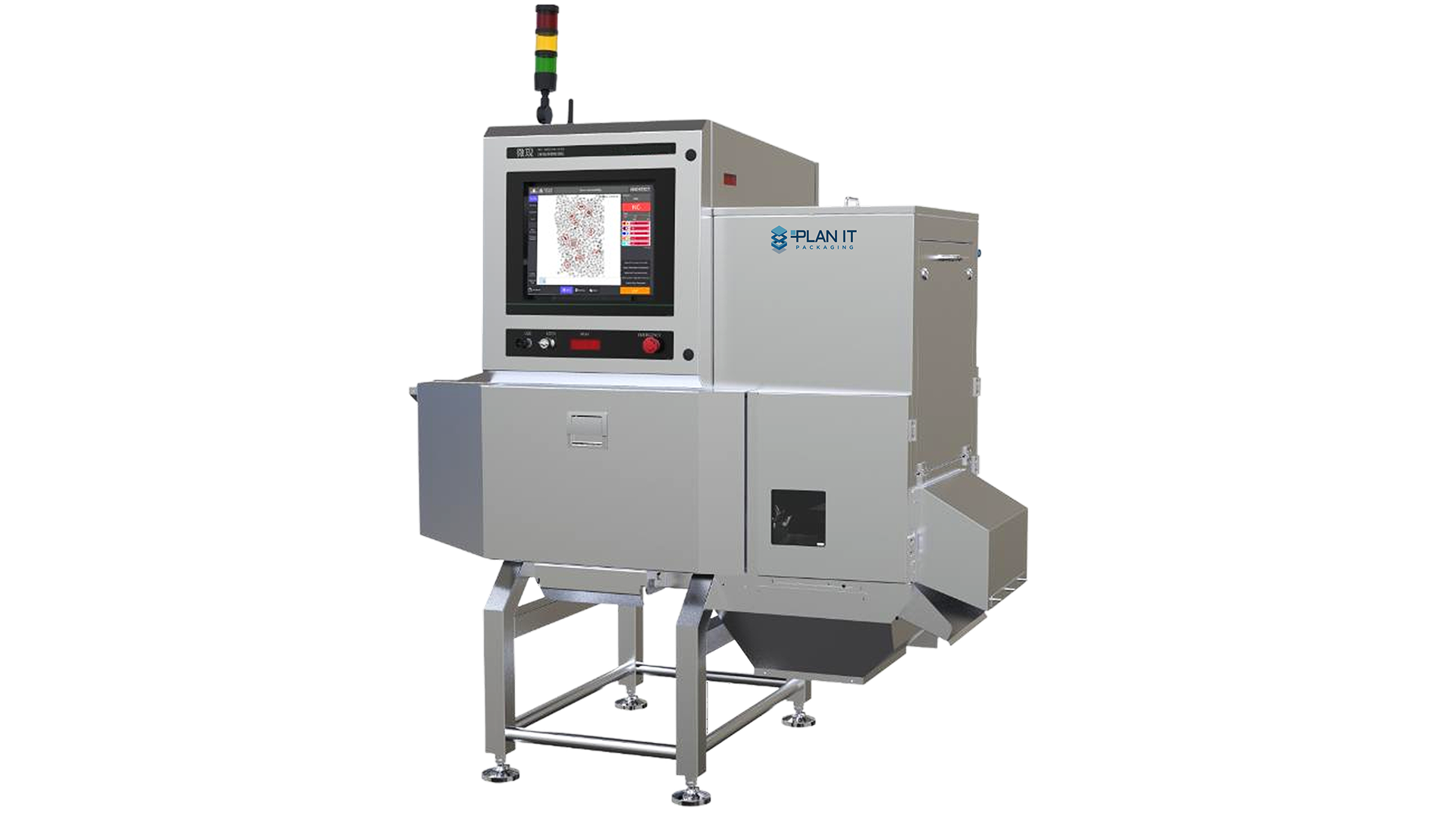
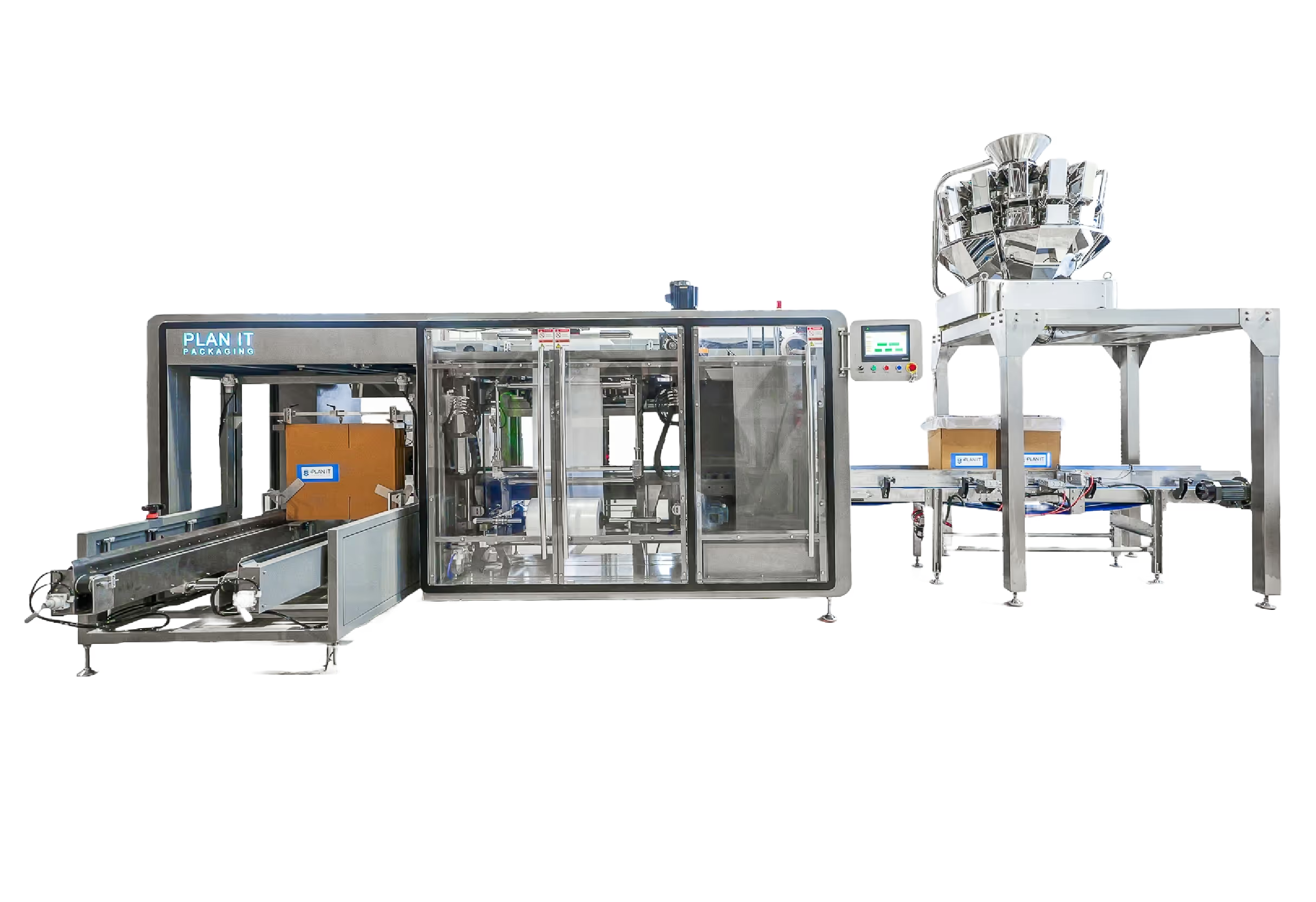
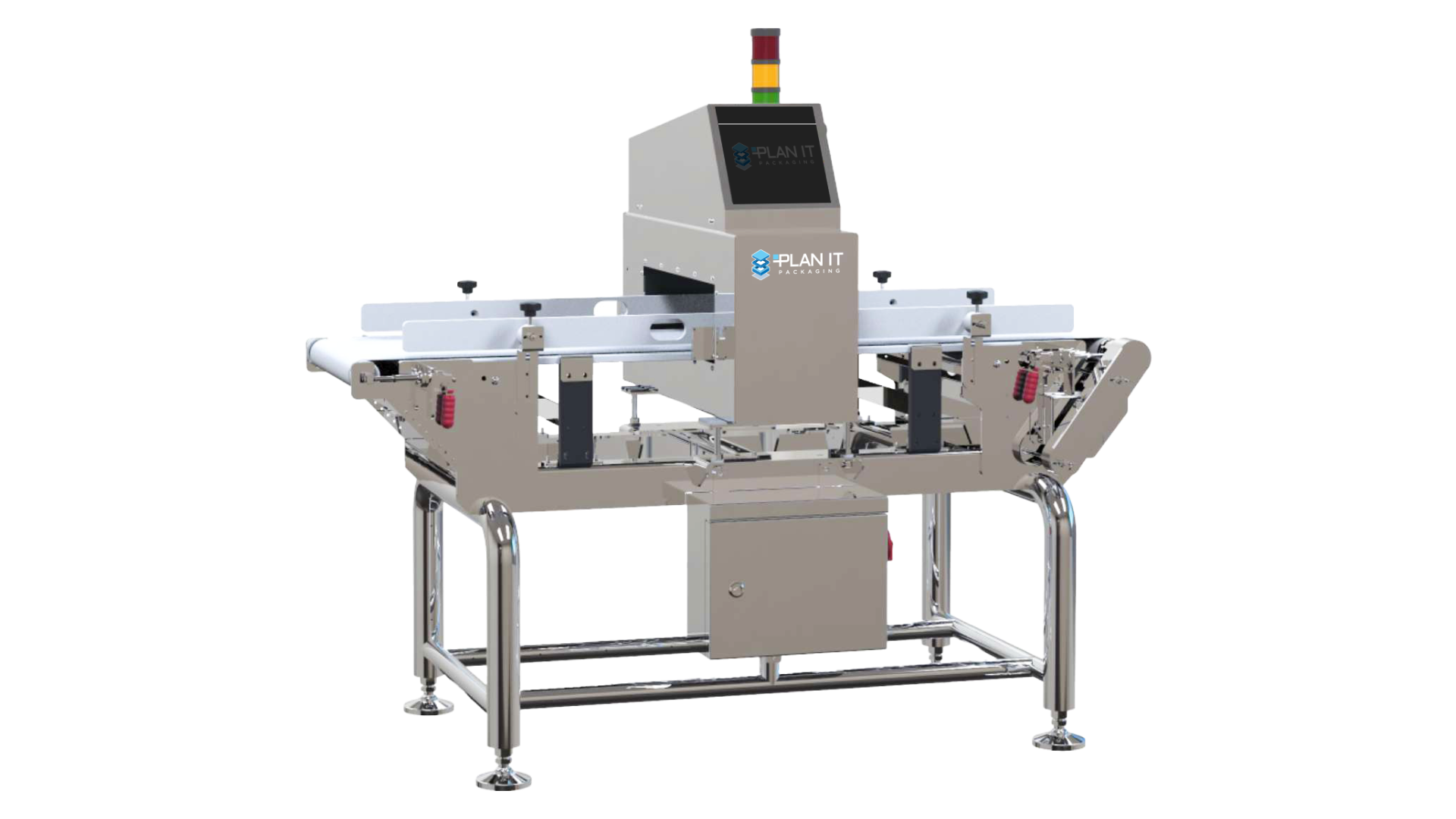
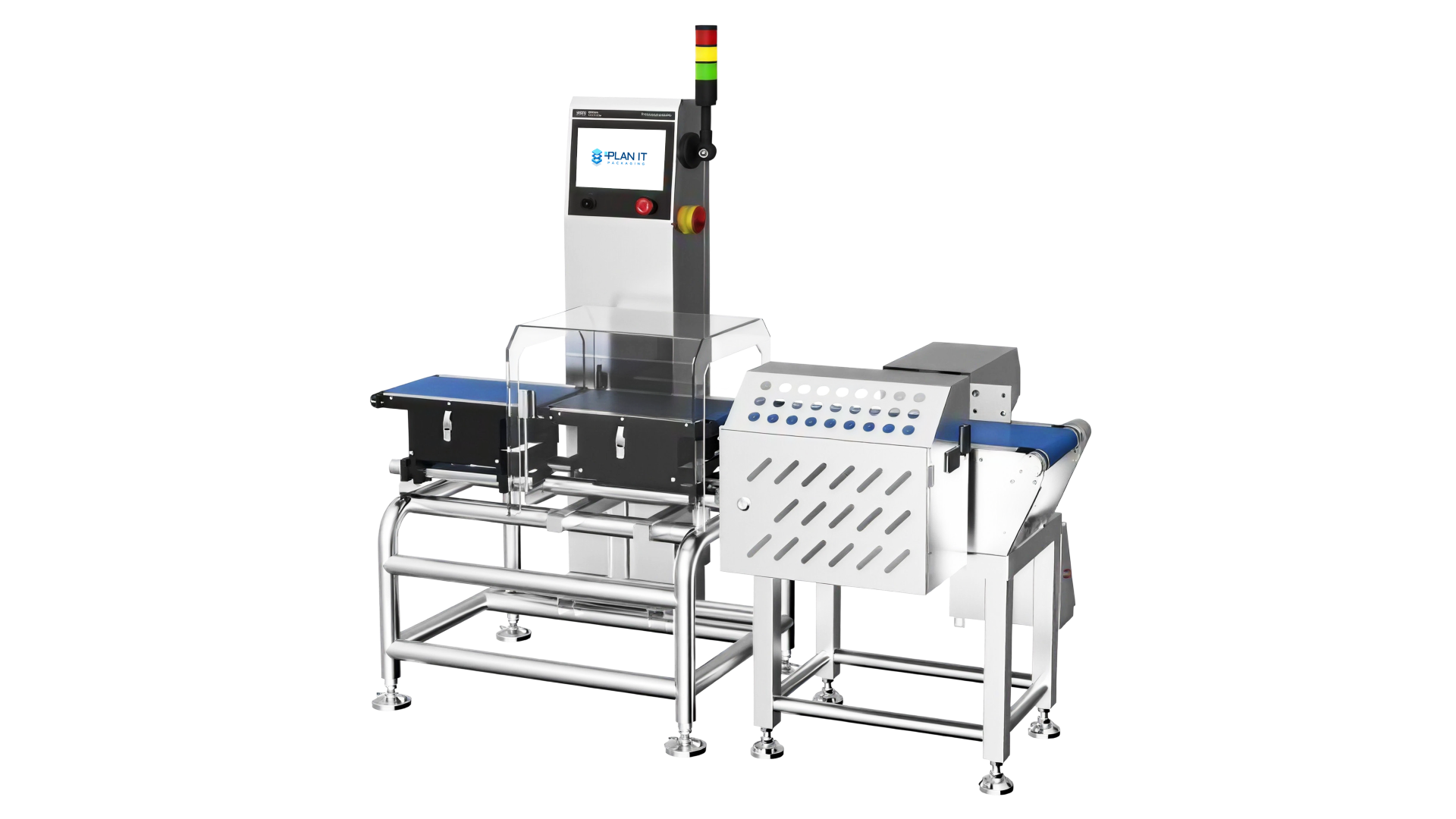
Scallops served on menus across the country very often start at the docks in New Bedford. The Port of New Bedford was the most valuable commercial fishing port in the United States every year from 1999 through 2019, with its 2019 catch alone valued at $451 million, 84 percent of that from scallops. Getting that volume of seafood from boat to retail or food-service shelf without spoilage or contamination takes packaging automation built specifically for wet, cold, high-throughput processing: metal detectors and X-ray inspection systems that catch shell fragments or foreign material, checkweighers that verify portion weights on variable seafood product, and case packers that move sealed trays into cartons fast enough to match the boat-to-truck timeline seafood demands.
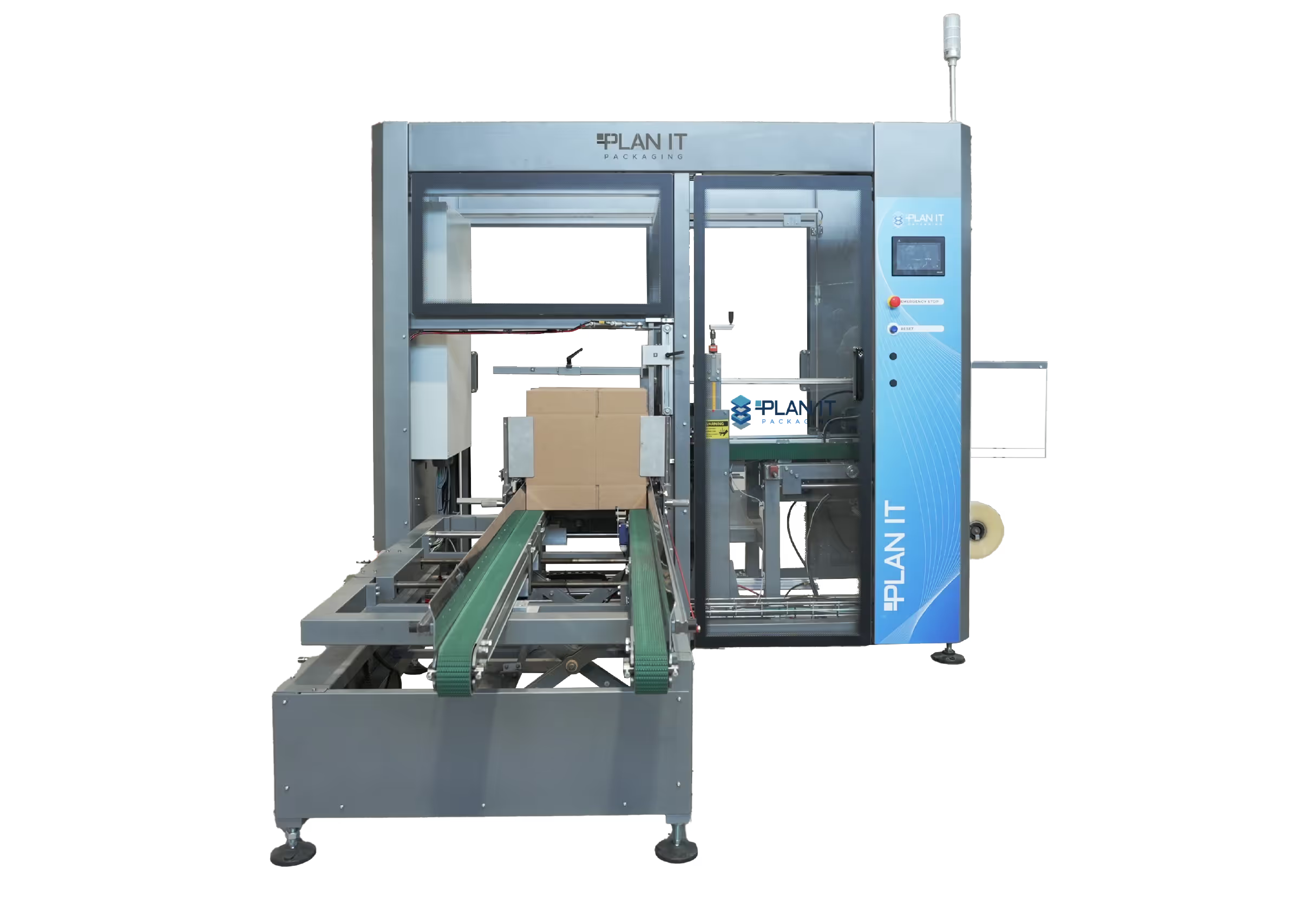
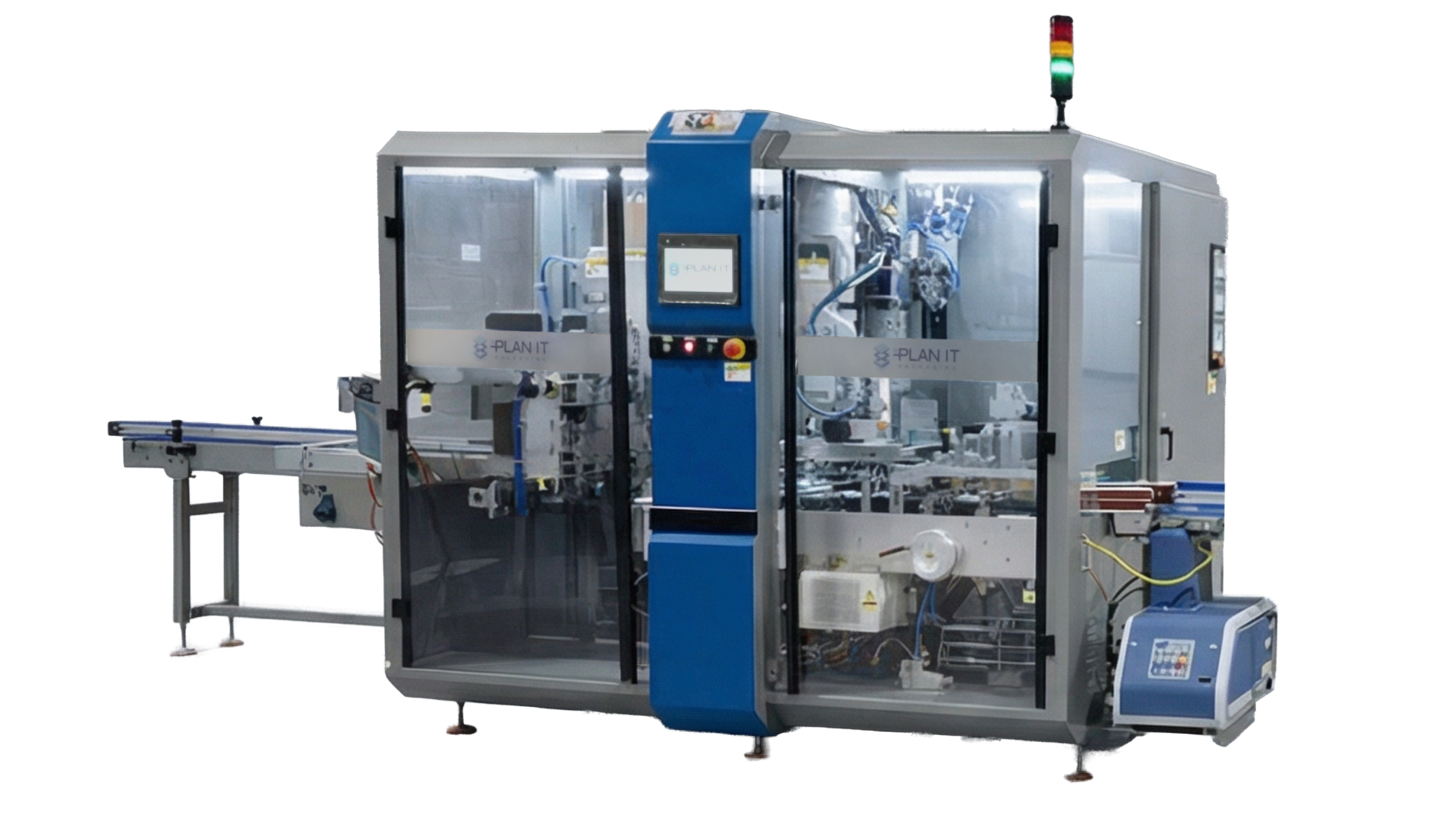
Seafood isn't the only industry with deep roots in New Bedford. Textile manufacturing took over as the city's economic base after its whaling era ended, and one major cotton mill alone processed 19,000 bales of cotton into 20 million yards of cloth in a single year, 1875, at a time when more than 30,000 workers were employed across 32 cotton-manufacturing companies citywide. New Bedford had been the country's leading whaling port before that, home to 329 vessels worth over $12 million by 1857. The docks still set the pace. Fishing and manufacturing remain two of the city's largest industries today. A $451 million annual catch doesn't sit around waiting on equipment shipped from a custom order. We keep Mars Series VFFS baggers and stick pack lines in stock for your portioned seafood product, alongside the inspection and case-packing equipment already mentioned, so you can get a line running on the same boat-to-truck timeline the docks already run on.


.avif)



%203.avif)


.svg)
.svg)
