Eli Whitney opened a gun-manufacturing factory in New Haven in the late 18th century, part of the run that helped make Connecticut into what people called 'The Arsenal of America.' In 1836, Samuel Colt invented the automatic revolver on that same factory floor. Precision arms production continued at the site under different ownership until 2006. Tight tolerances were the norm. Those tolerances are a distant ancestor of the medical packaging equipment the city's biotech tenants need today. New Haven's economy has since shifted hard toward services, about 56% of it now, led by education and healthcare, with a major research university as the largest employer and its teaching hospital close behind. On the site of the old arms works, the university and the city are building a medical and biotechnology research park, and a pharmaceutical company's drug-testing clinic is already one of the tenants.
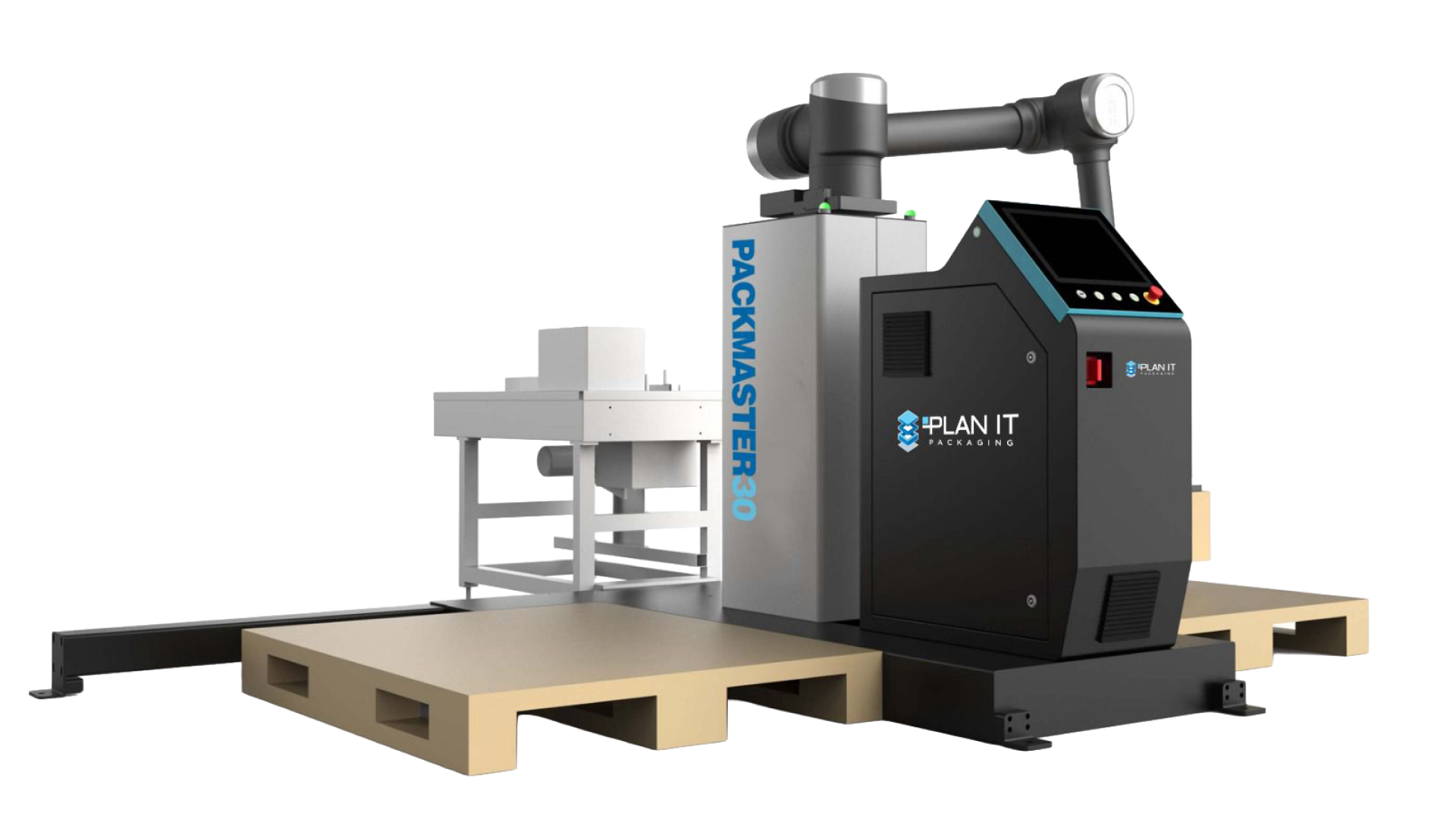
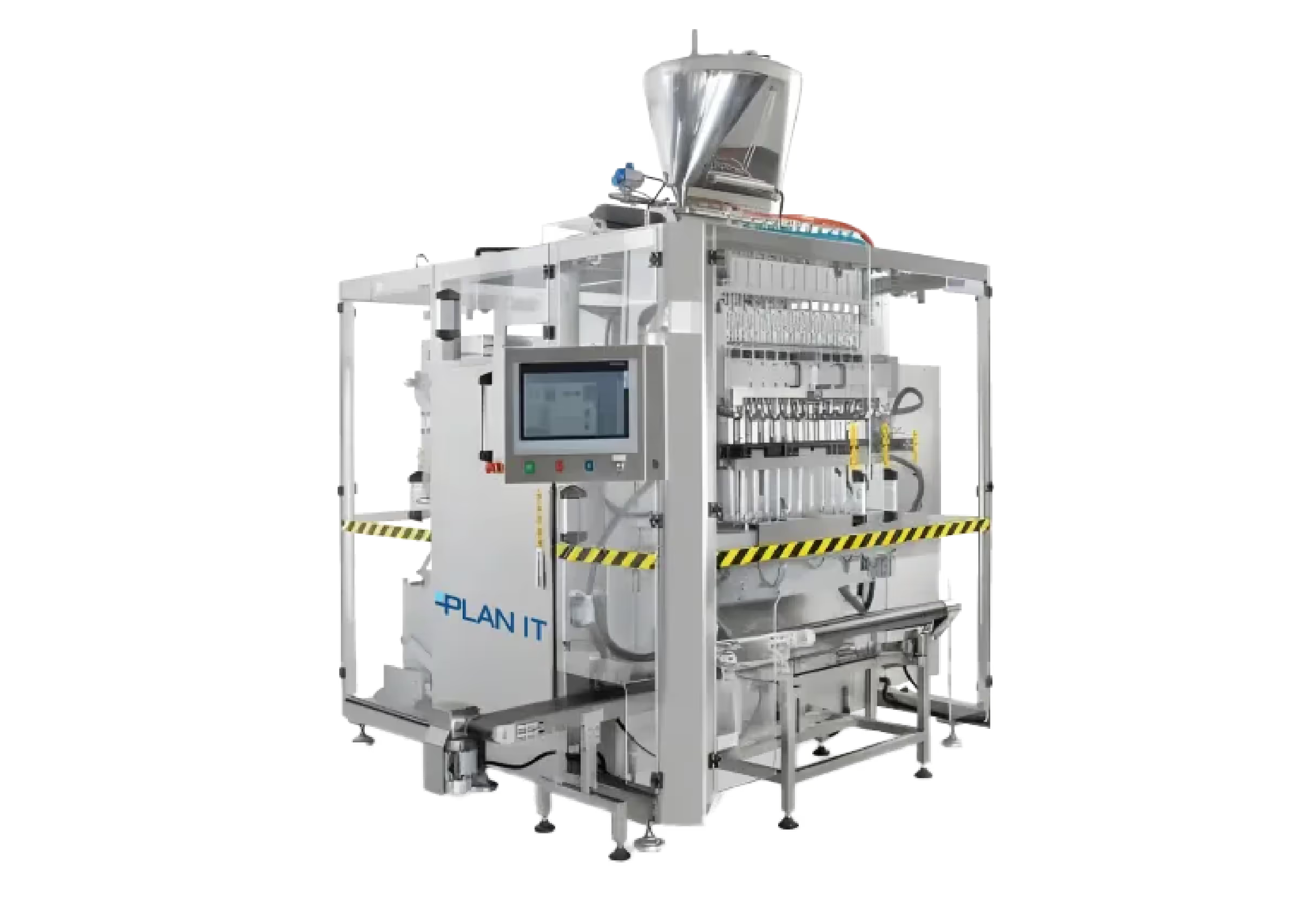
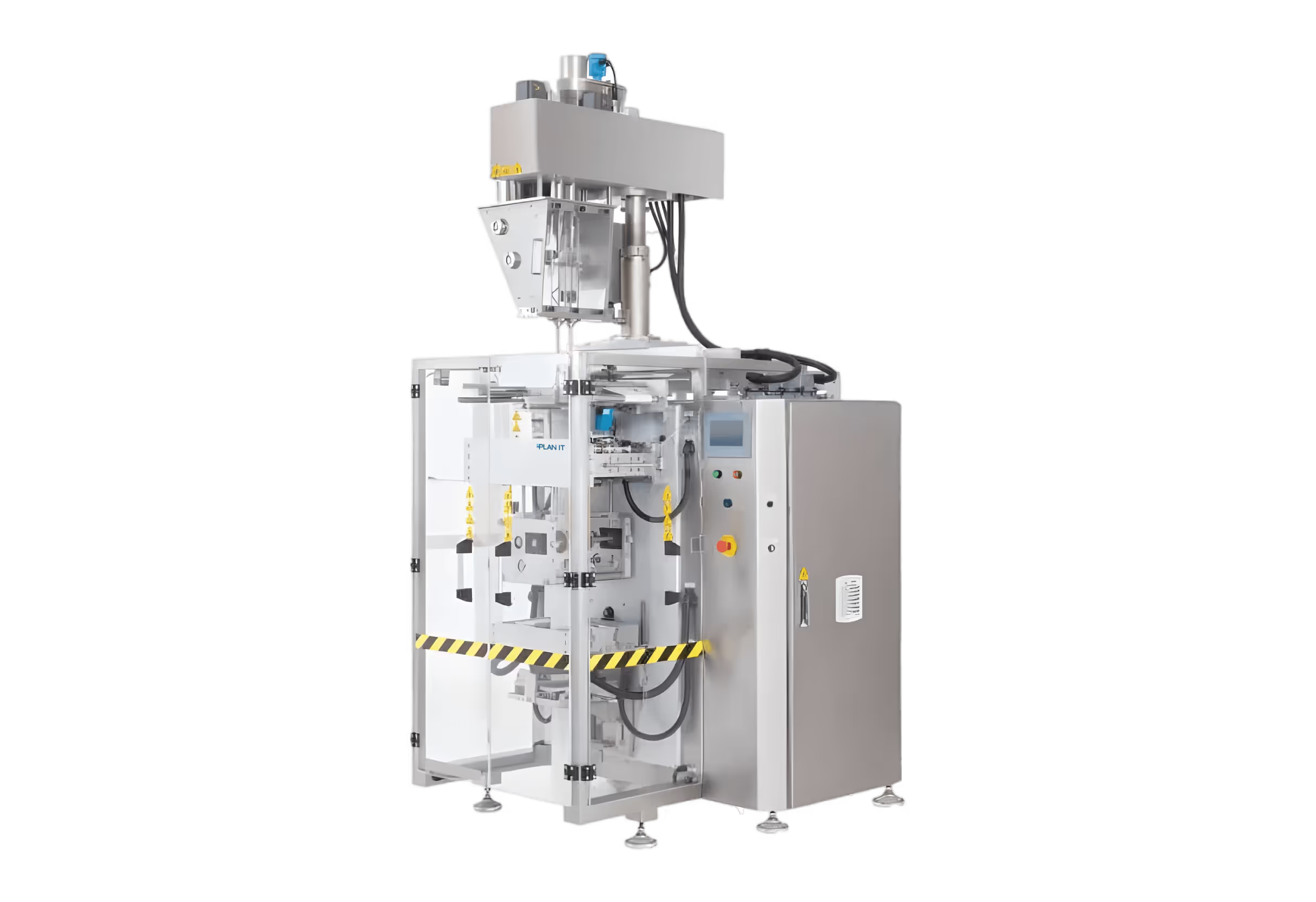
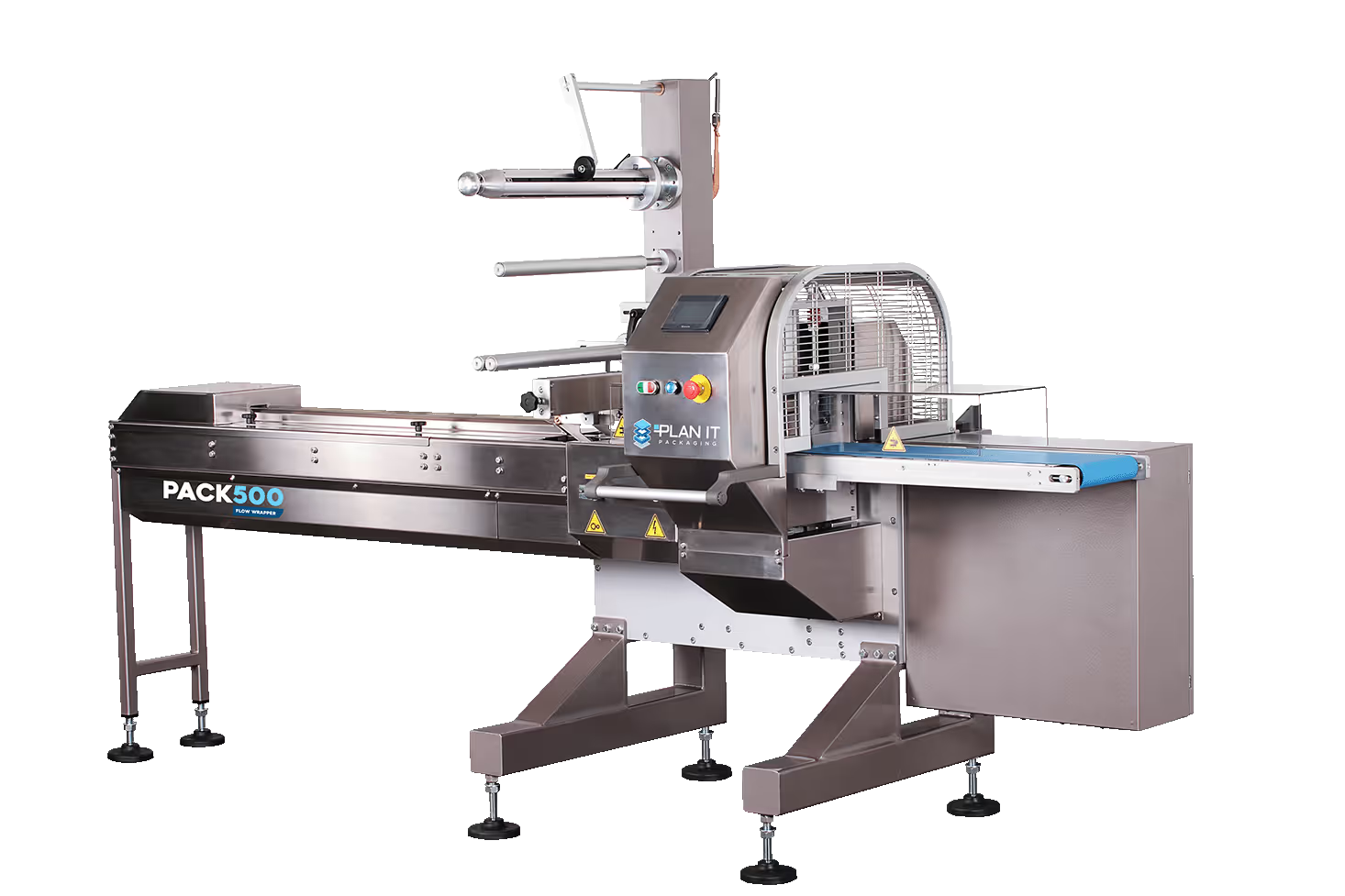
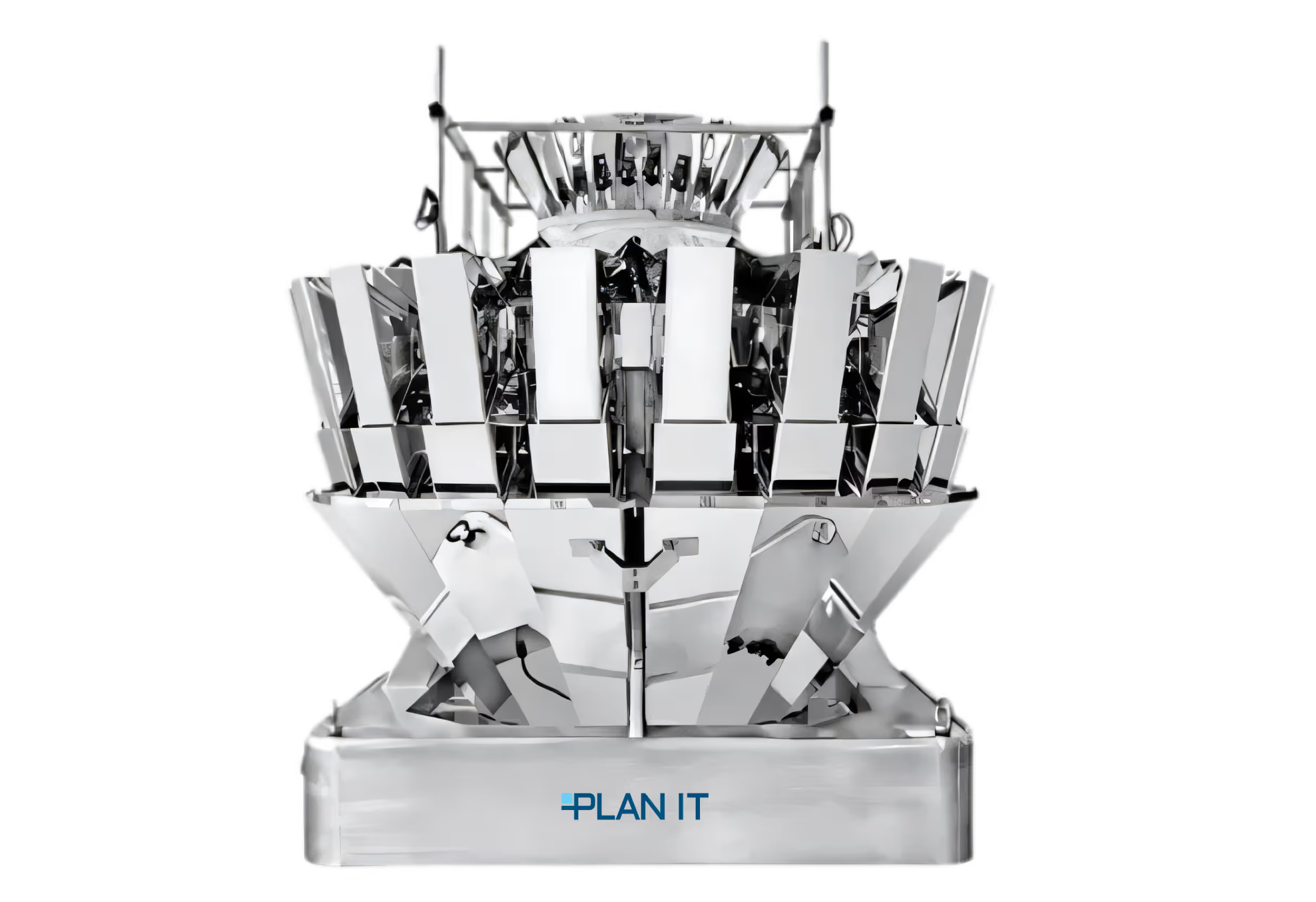
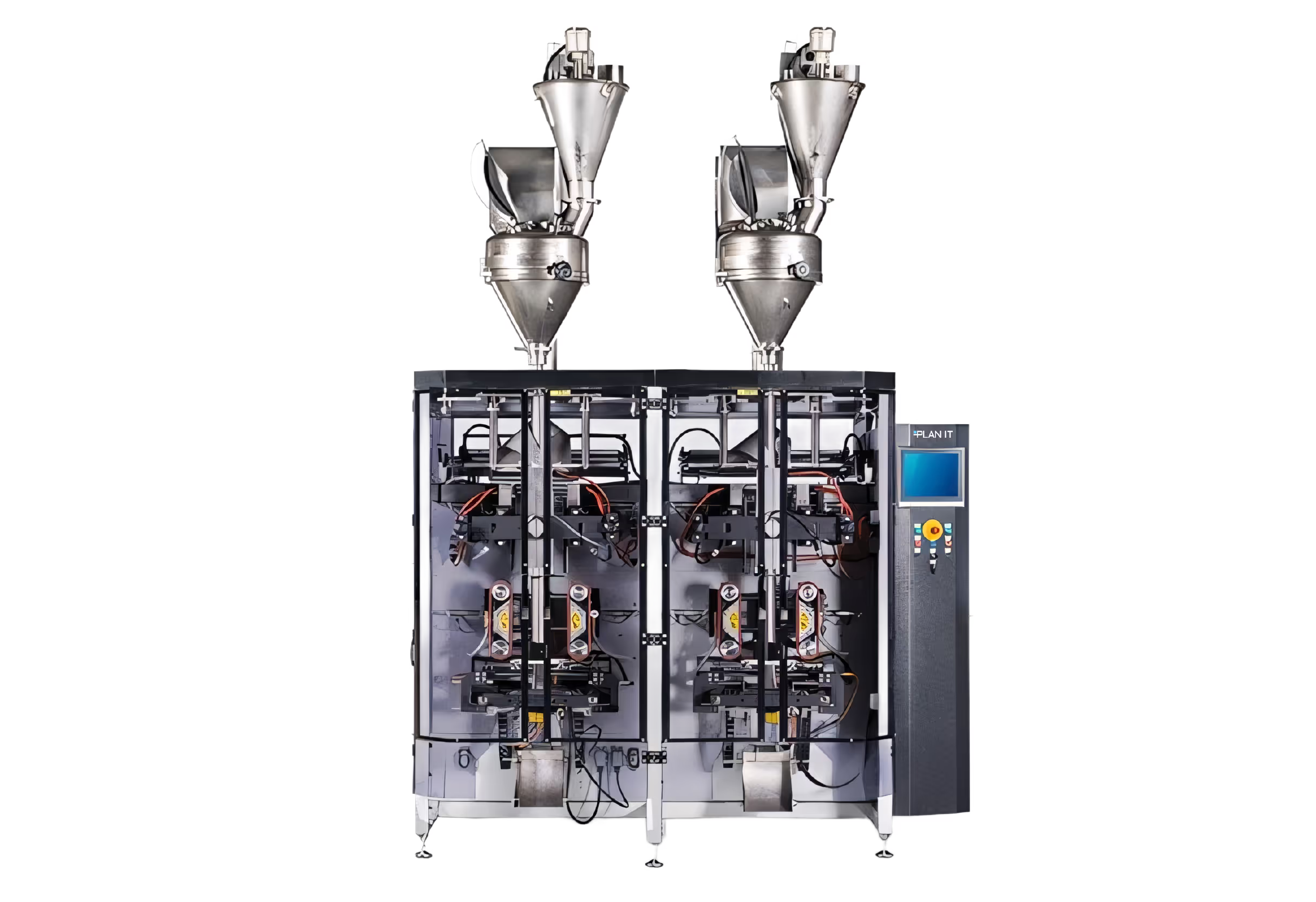
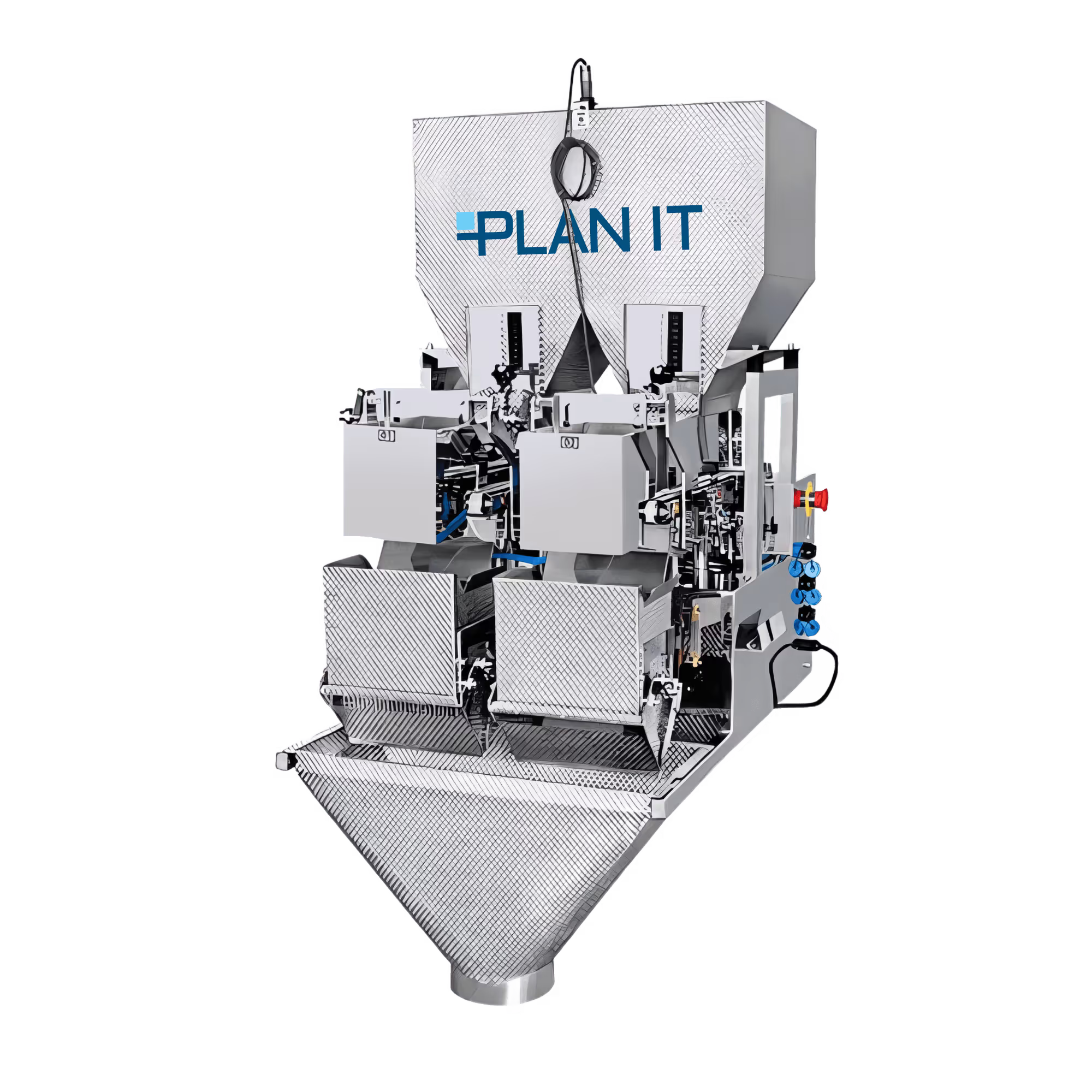
Pharmaceutical startups, medical-device developers, and hospital-adjacent suppliers are moving into that research park, and each one needs packaging that won't trip a regulatory audit. Our stick pack and sachet machines handle single-dose liquids and powders cleanly, while our EliteWeigh checkweighers catch fill errors before product ships, both critical where regulatory tolerance for variance is thin. This site ran on tight tolerances for over a century before the last cartridge shipped in 2006. The tolerances just moved to fill volumes and dose accuracy, and we hold them the same way. We supply and integrate this equipment rather than selling it off a shelf, with machines available in stock for producers who need to move fast. Our solutions team is already fielding calls from labs setting up there, sizing a line before the equipment ever ships.


.avif)




%203.avif)


.svg)
.svg)
