Palm Coast started as a planned community, laid out in 1969 by developers who carved home sites out of swamp and pine forest along Florida's east coast; the city didn't incorporate until 1999. It's an unusual origin story for a market we'd normally cover with packaging automation, because Palm Coast still has almost no food or manufacturing base to speak of. For decades its single largest employer wasn't a factory but a data and mail-processing operation that kept the local economy running until it closed in 2020. What's grown up around that gap is a base of mid-size businesses, more than 30 of them inside the city's industrial parks, running general manufacturing and light assembly rather than food production. County top-employer data confirms it: schools, restaurants, hospitals, landscaping firms, and government offices dominate local employment, with grocery and retail chains rounding out the list and no manufacturer in the top ten.
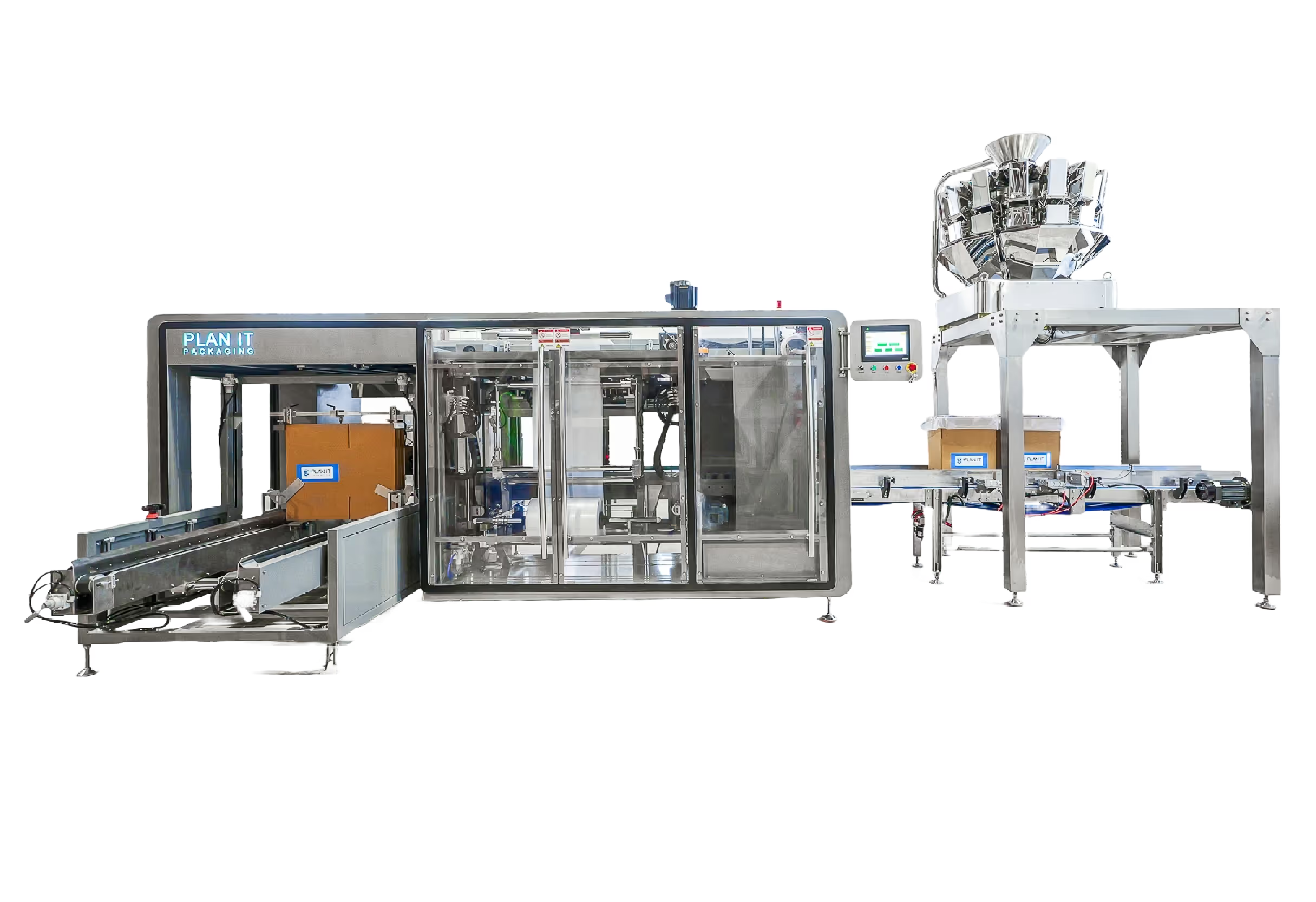
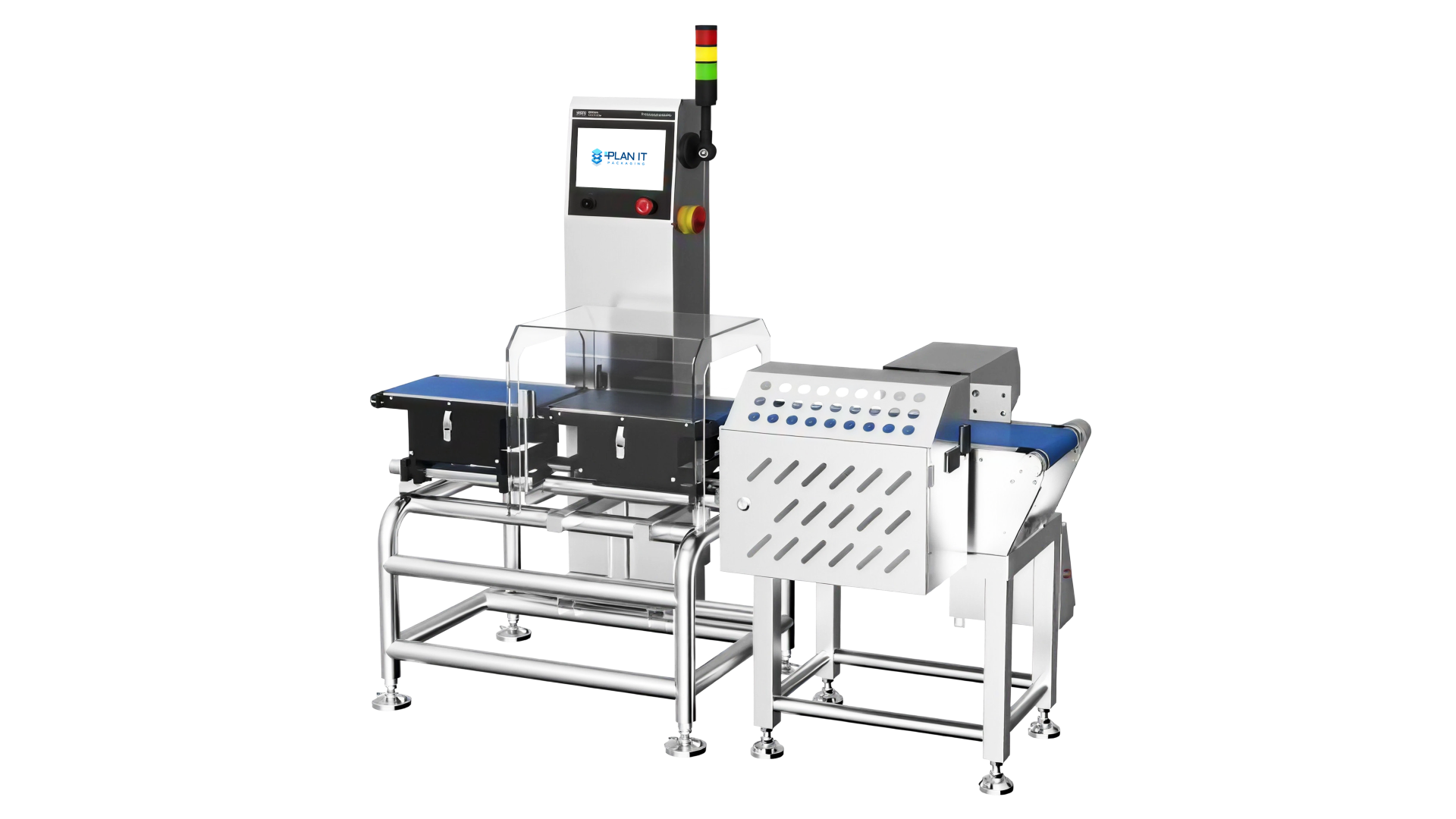
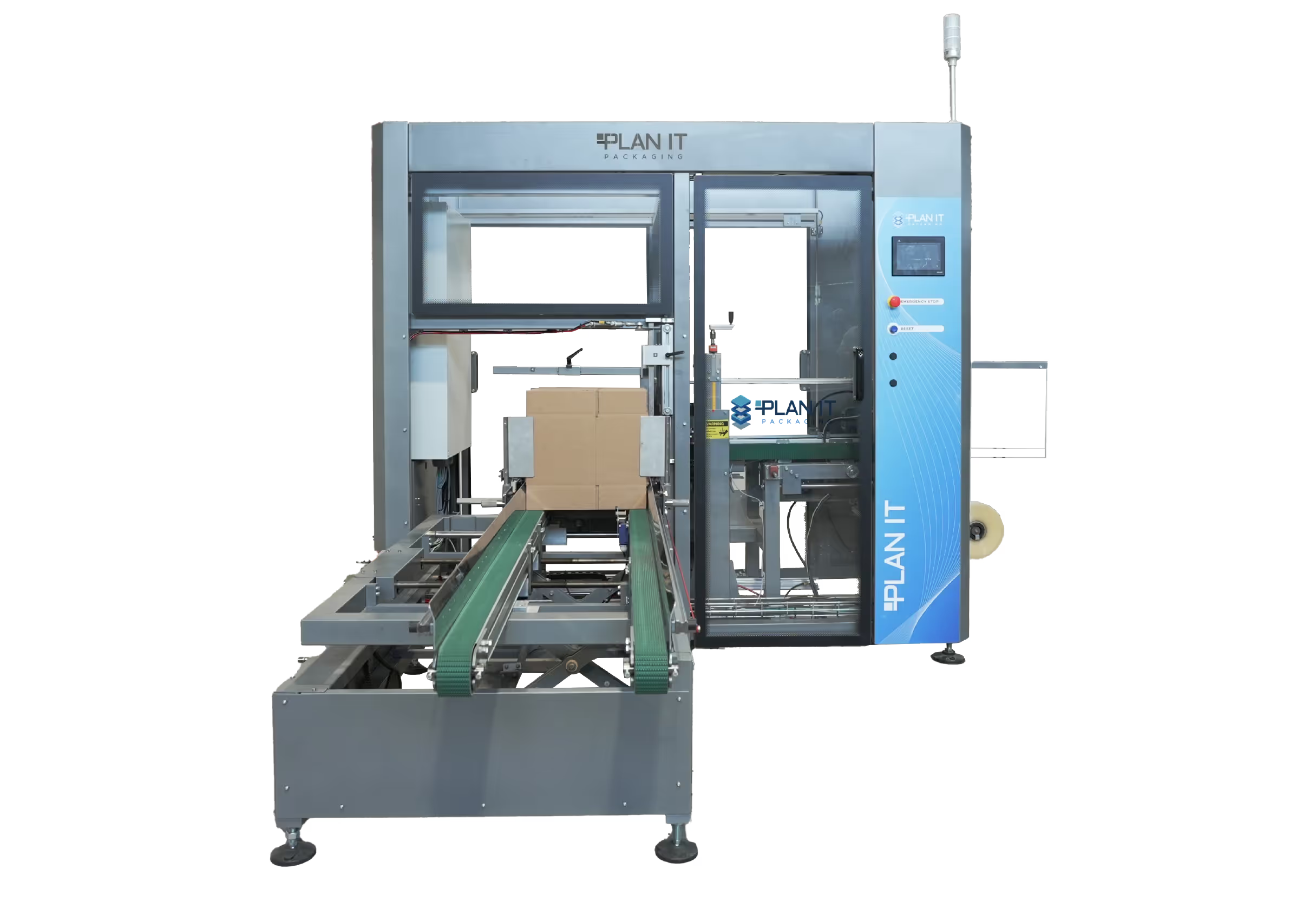
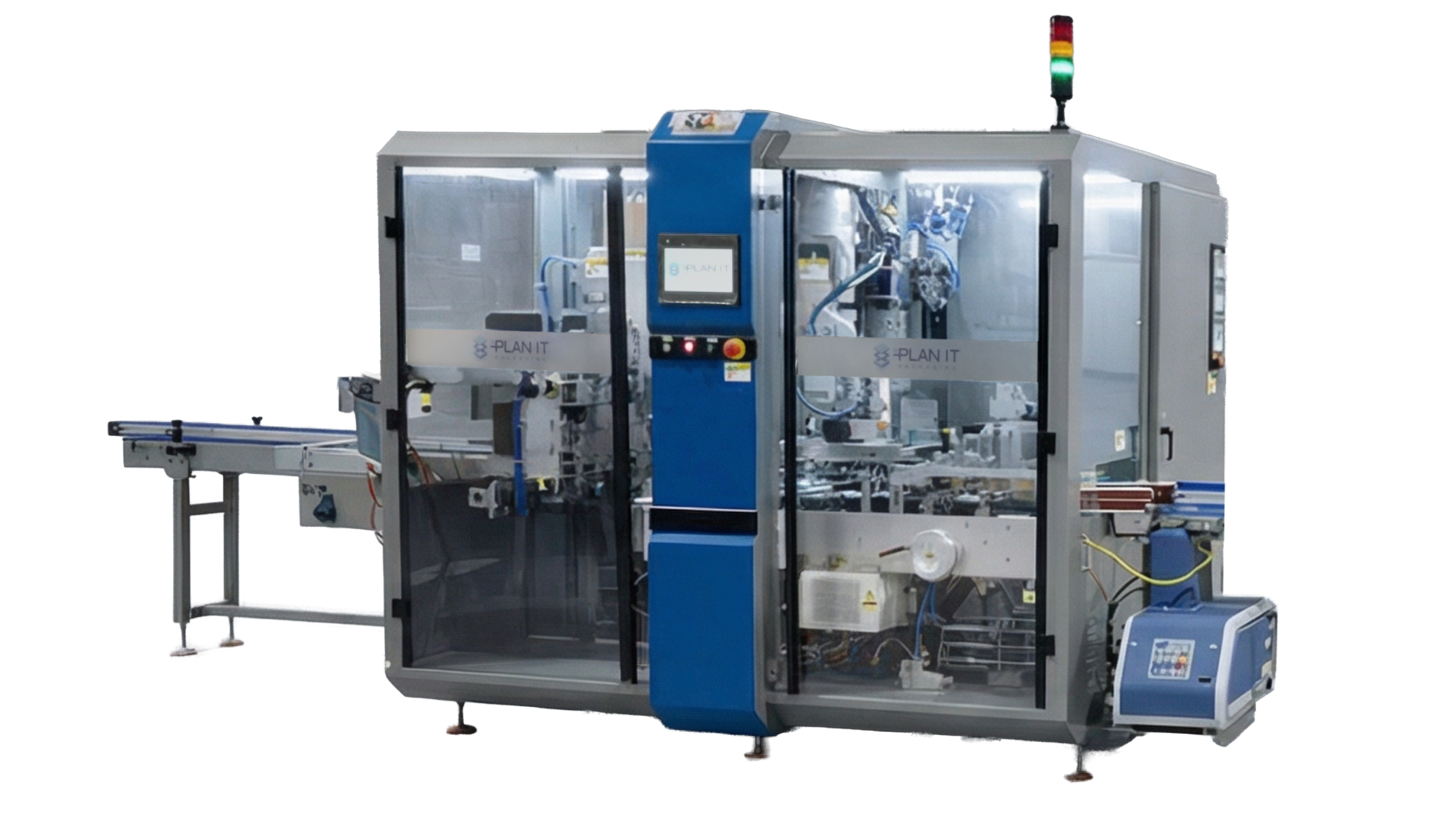
We don't keep an office in Palm Coast, but we support manufacturers across this stretch of Florida with the same equipment we install everywhere else. PackMaster cobot palletizers stack finished cases without a full material-handling crew, and case erectors and sealers close cartons right behind them at line speed. The volume is still real. A few of Palm Coast's mid-size operations are probably nearing the point where manual casing can't keep up, the same jump our case study on automating a growing co-packer's line covers in detail. If that's you, our solutions page walks through the full lineup, from case formers to end-of-line palletizing.


.avif)



%203.avif)


.svg)
.svg)
