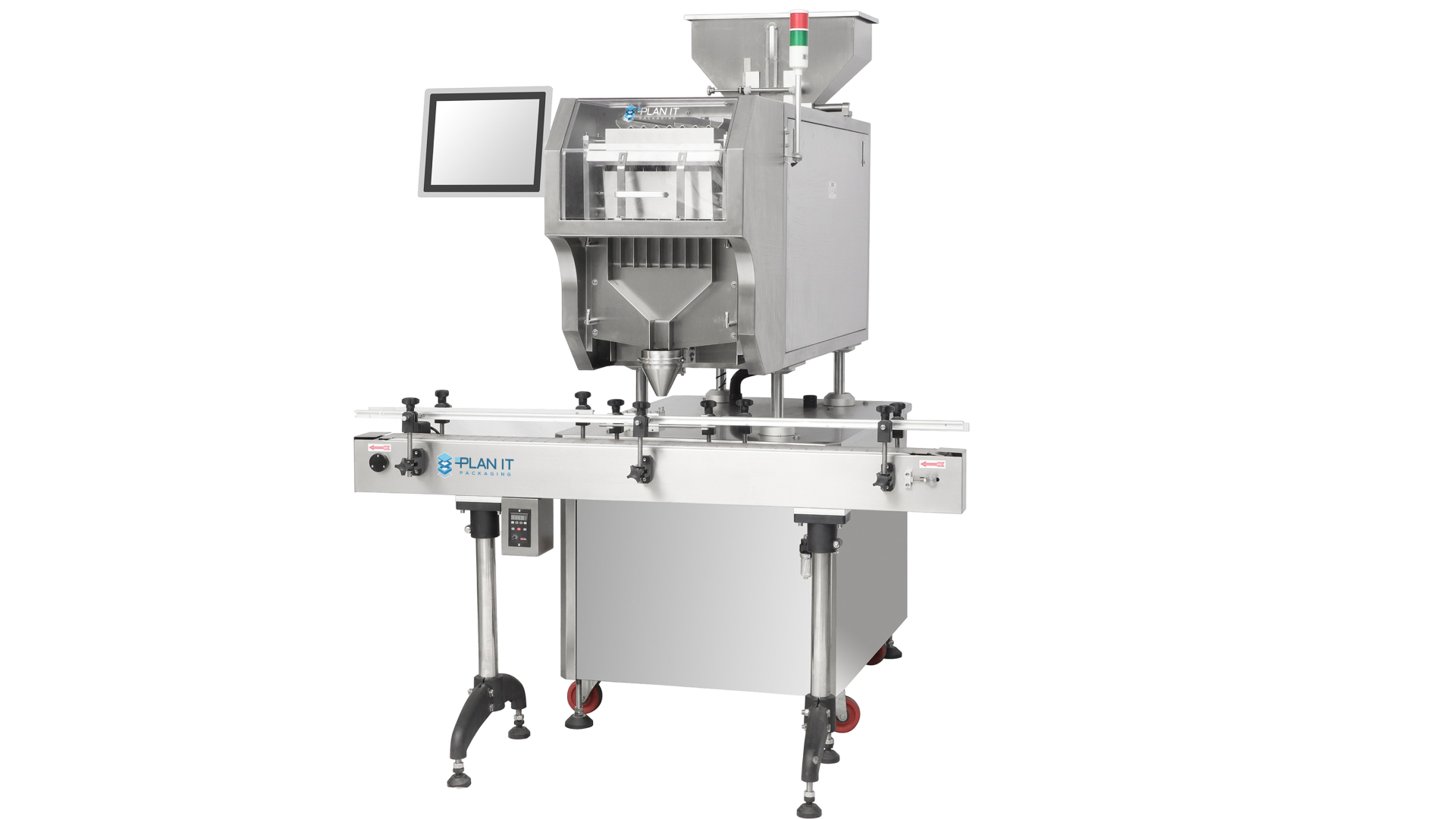
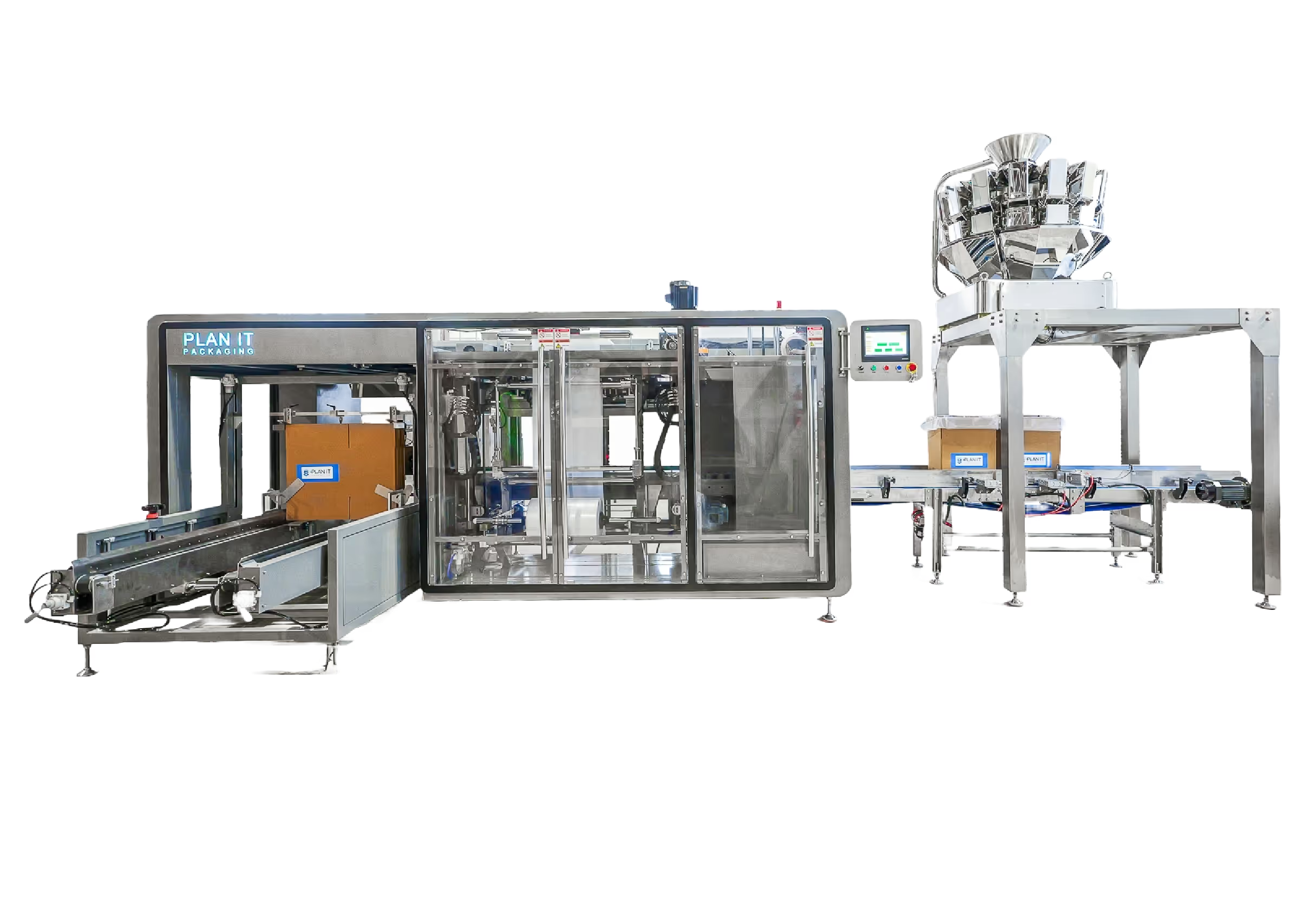
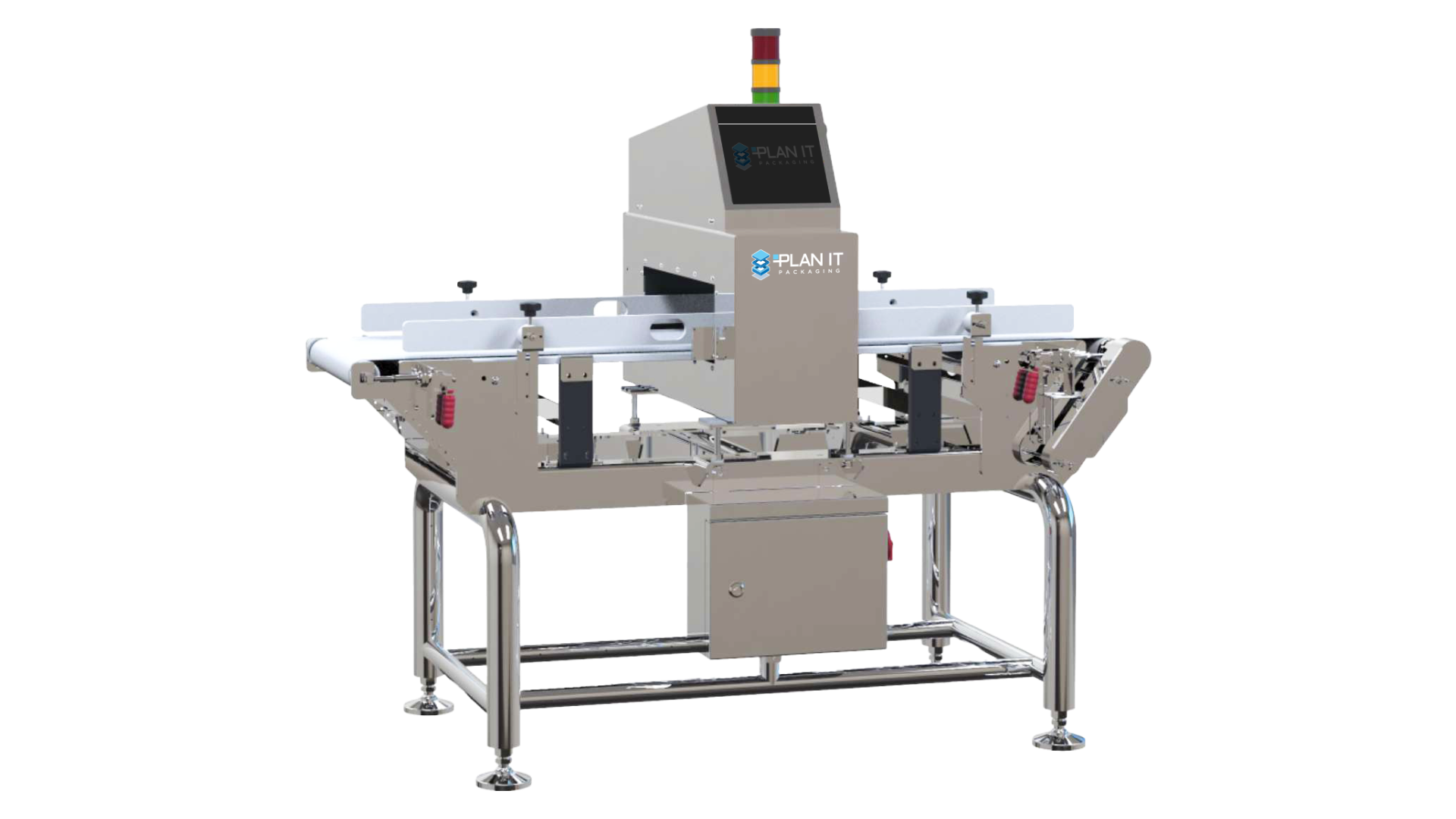
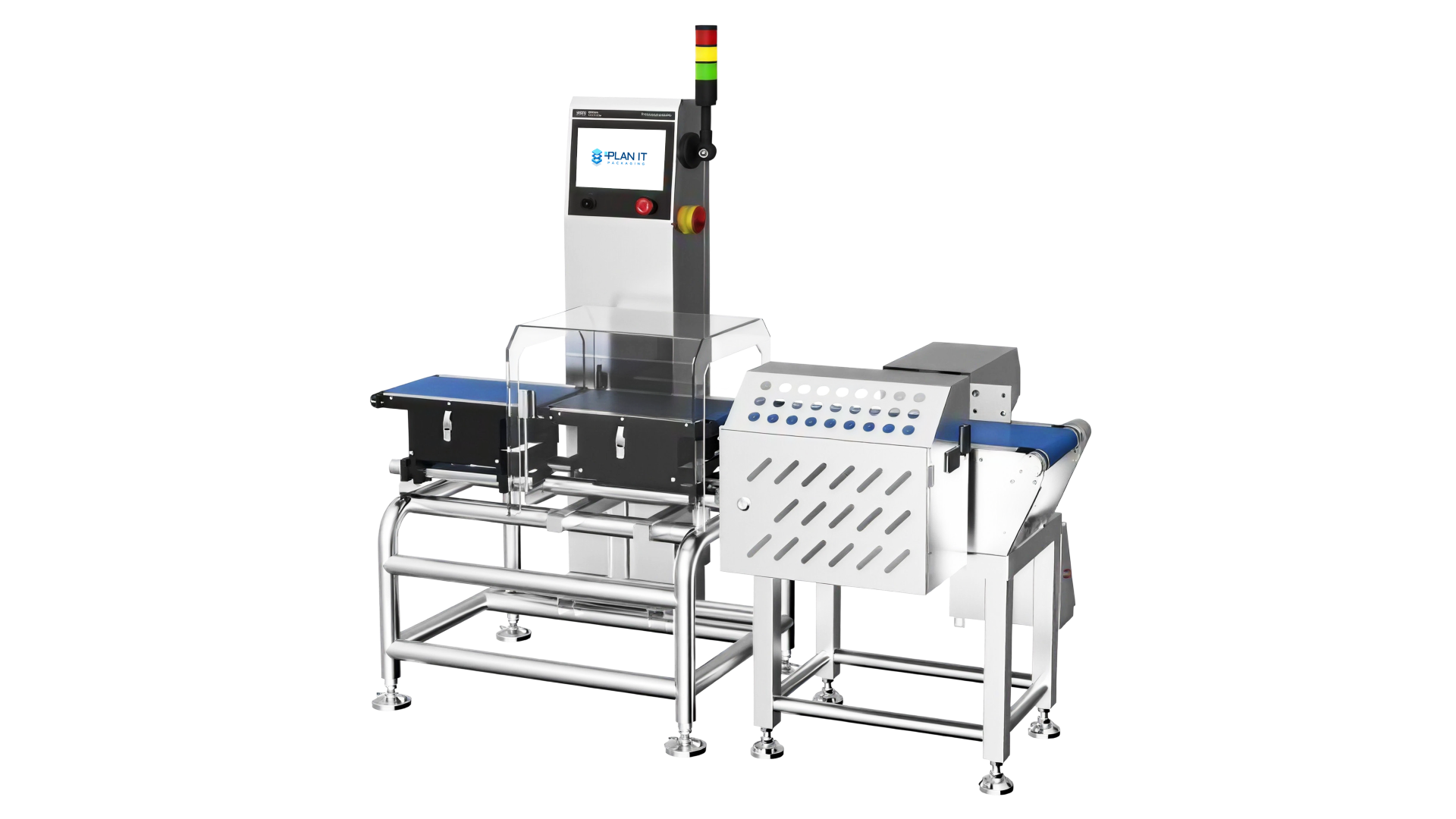
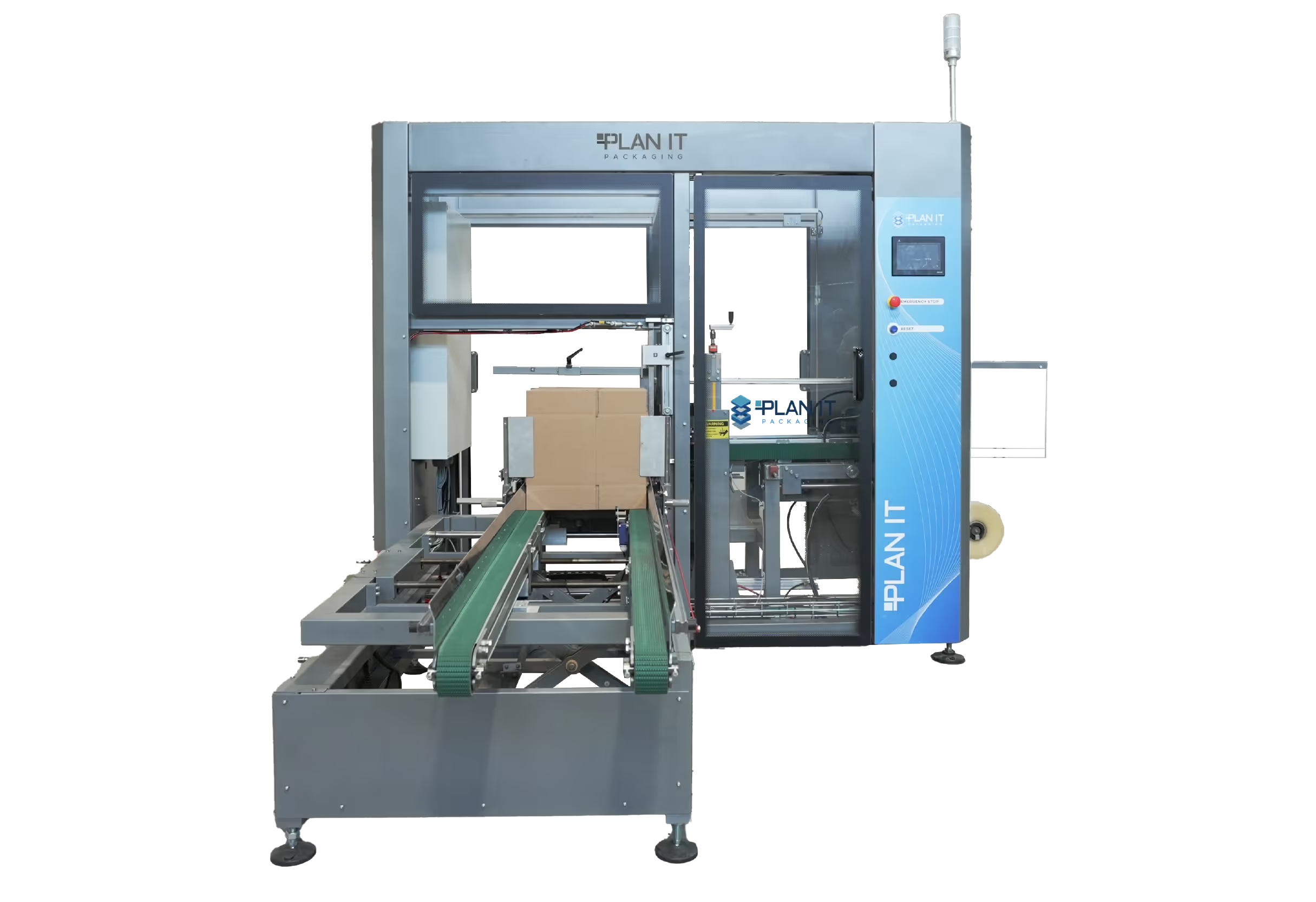
A fully automated cold-storage facility next to the Virginia International Gateway now anchors Portsmouth's food economy, an $84 million, 167,264-square-foot operation with 26,000 pallet positions, blast-freezing capacity, and USDA certification to handle imported meat and seafood. A coffee and beverage distribution center also runs out of the city, supporting nationwide brand and private-label distribution from a facility downtown. Portsmouth's cold-storage facility runs fully automated, and packaging can't be the weak link in that chain. Packaging automation for that import and distribution volume centers on PLAN IT's PackMaster cobot palletizers and automatic case packers, which move sealed product on and off pallets fast enough to match a 26,000-position cold-storage facility, plus checkweighers that verify fill accuracy on imported product before it moves further down the supply chain. That gateway never really stops.
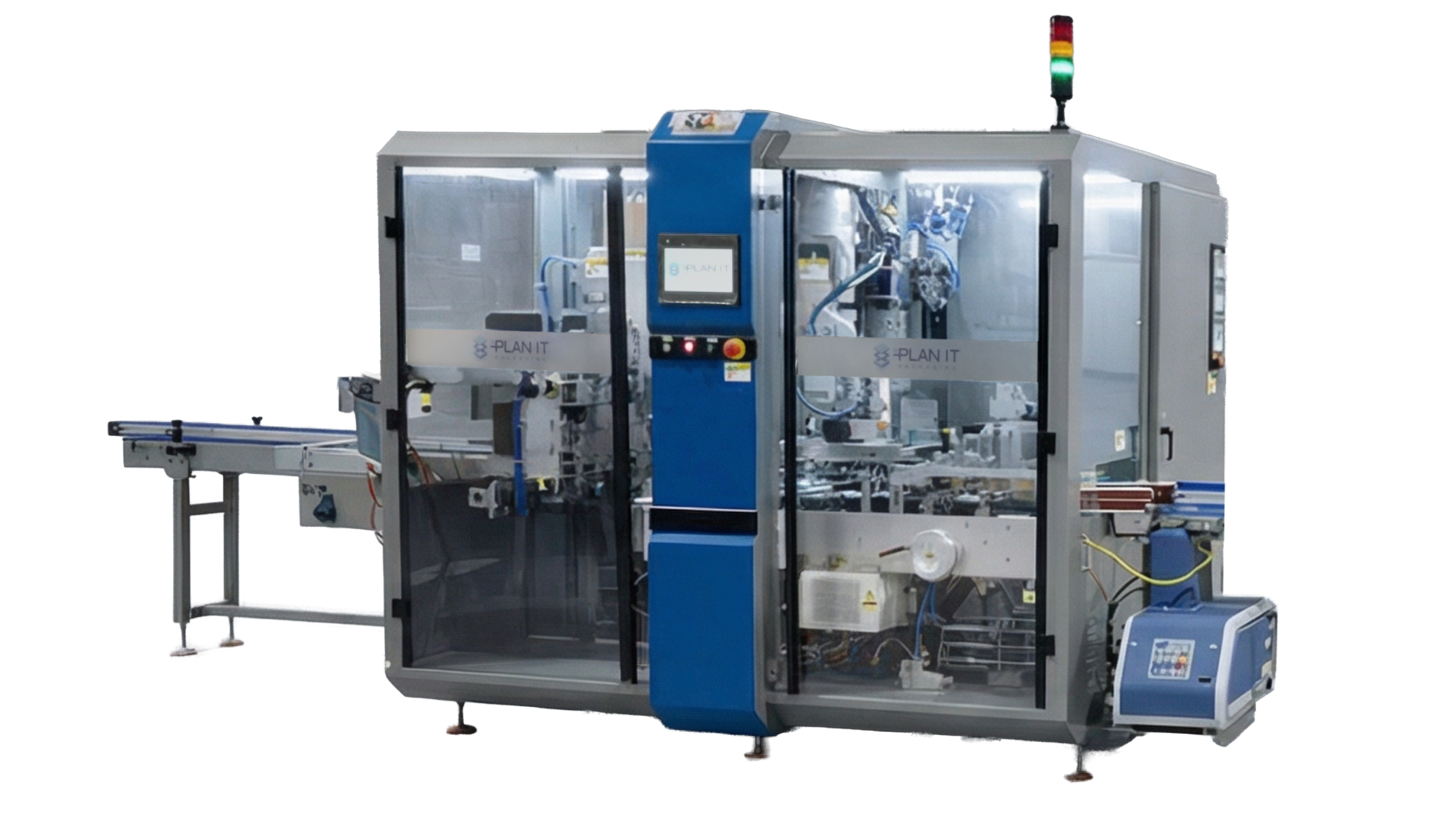
Portsmouth once ran its own meat-processing plant, producing hot dogs and lunch meats, but that operation closed in 2012 and shifted production out of state. What replaced it is a role as a food-import and cold-chain logistics gateway for the Hampton Roads region, anchored by a container terminal that opened in 2007 and the port infrastructure around it. For any manufacturer or distributor moving food and beverage product through that gateway, PLAN IT's vertical form fill seal (VFFS) machines cover the bagging side of that supply chain. A port-adjacent cold-storage and coffee-distribution gateway needs equipment sized for that same volume, and PLAN IT's Royal Food Products case study shows a comparable setup handling that kind of throughput. PLAN IT's Virginia locations page has the regional context, the food and beverage industry page lays out the equipment lineup, and the solutions page covers full-line integration for producers working through Hampton Roads.


.avif)




%203.avif)


.svg)
.svg)
