Raleigh's factories today produce food products, pharmaceuticals, and electrical, medical, and telecommunications equipment, a mix the city built on a research base most people know for tech and biotech rather than manufacturing. Raleigh anchors North Carolina's Research Triangle with Durham and Chapel Hill, home to one of the country's largest research parks since it opened in 1959, and packaging automation is the production problem that shows up once a Triangle biotech venture scales past a lab bench and starts filling real orders. North Carolina State University, founded in 1887 as a land-grant college of agriculture and mechanic arts, still anchors the region's ag-tech and biotech research, feeding that same lab-to-production pipeline for health and life-science manufacturers.
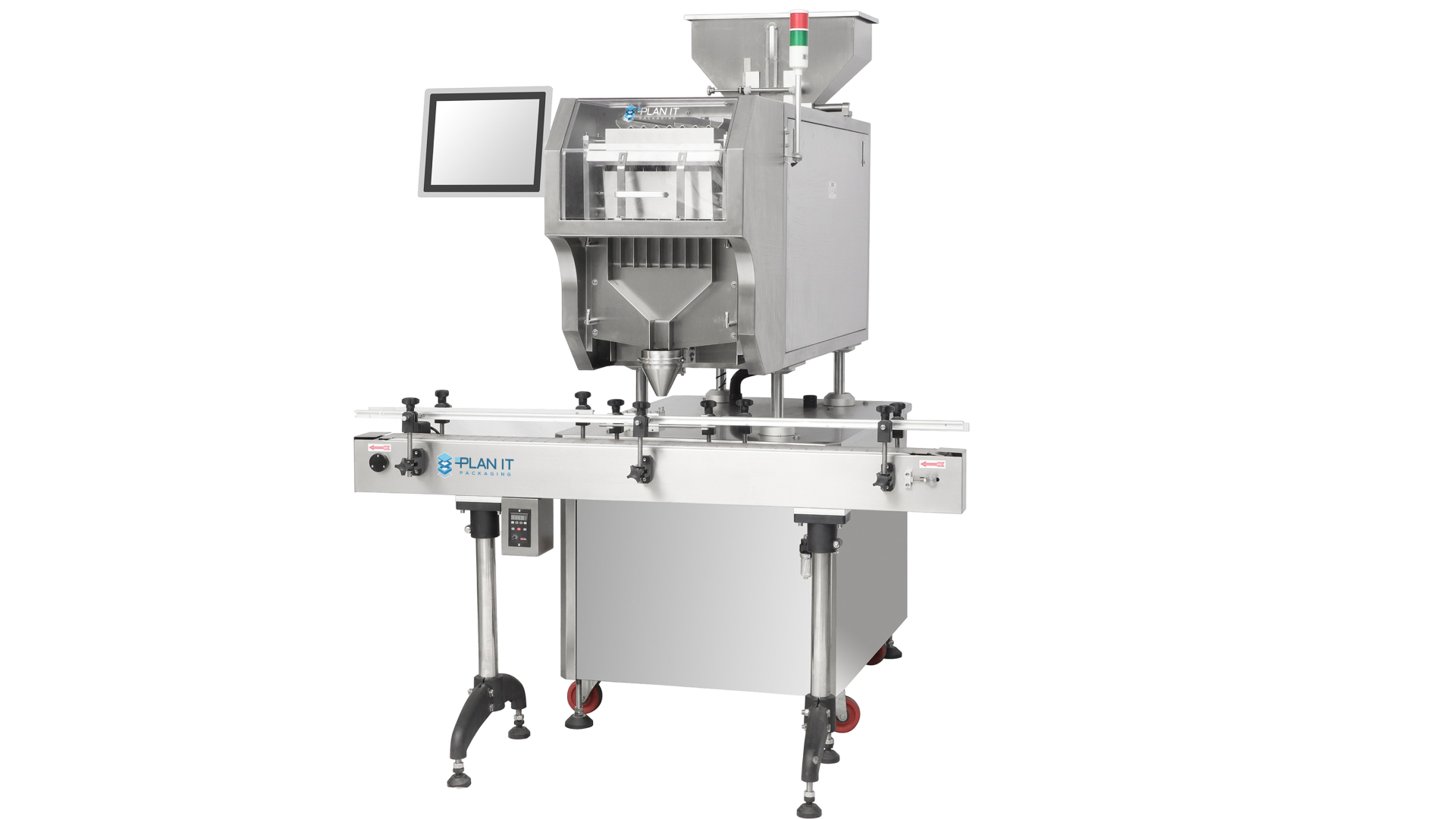
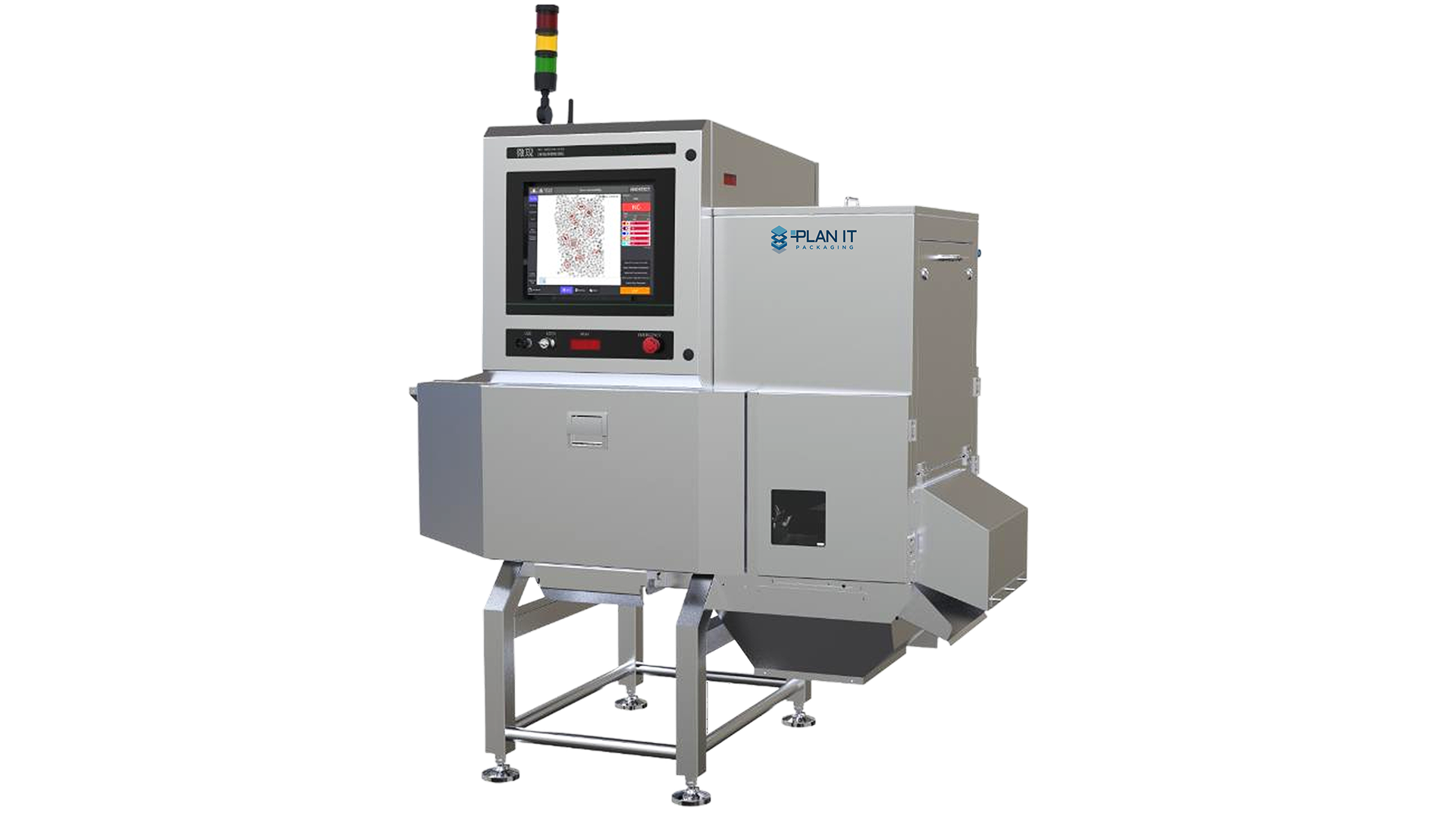
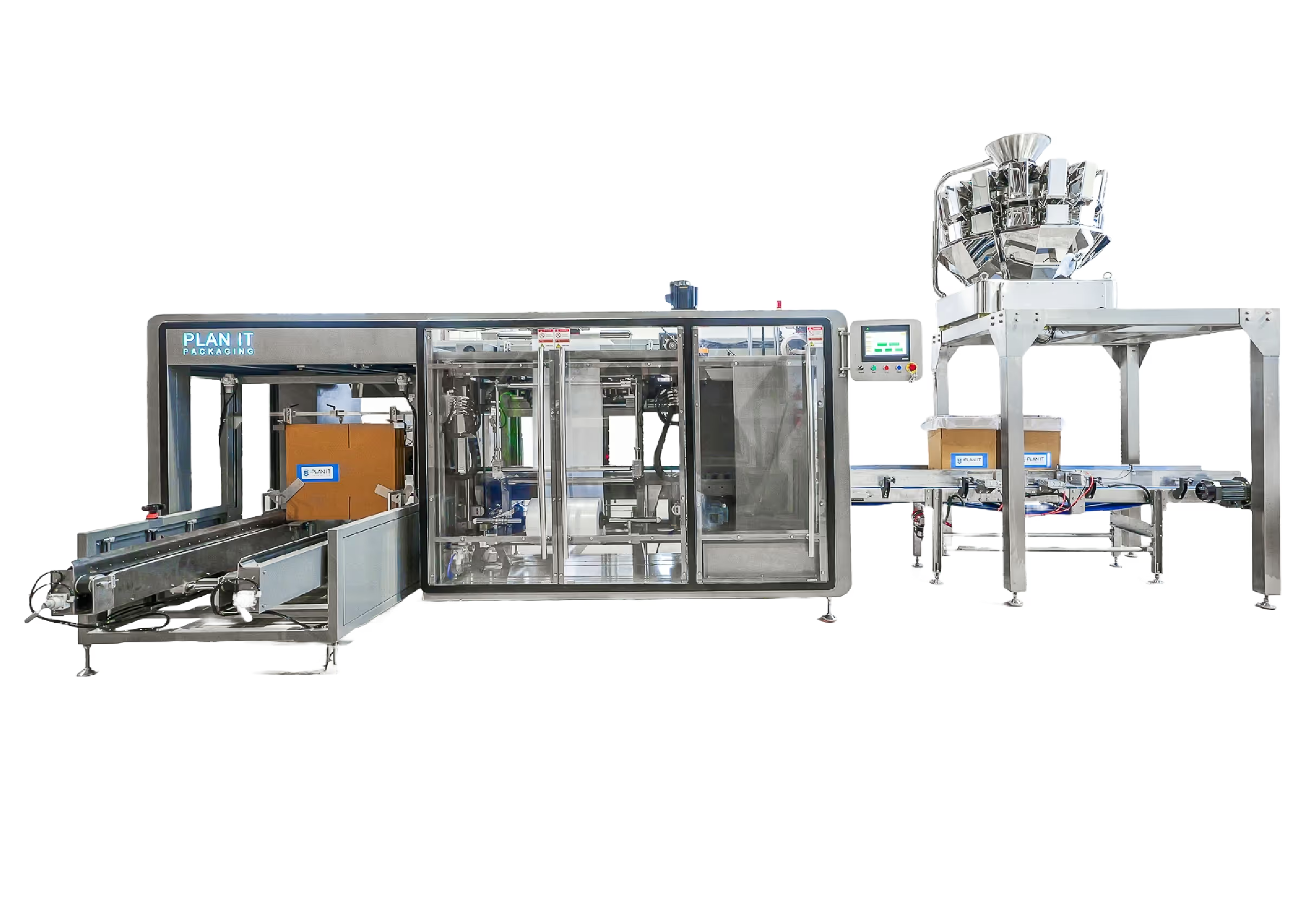
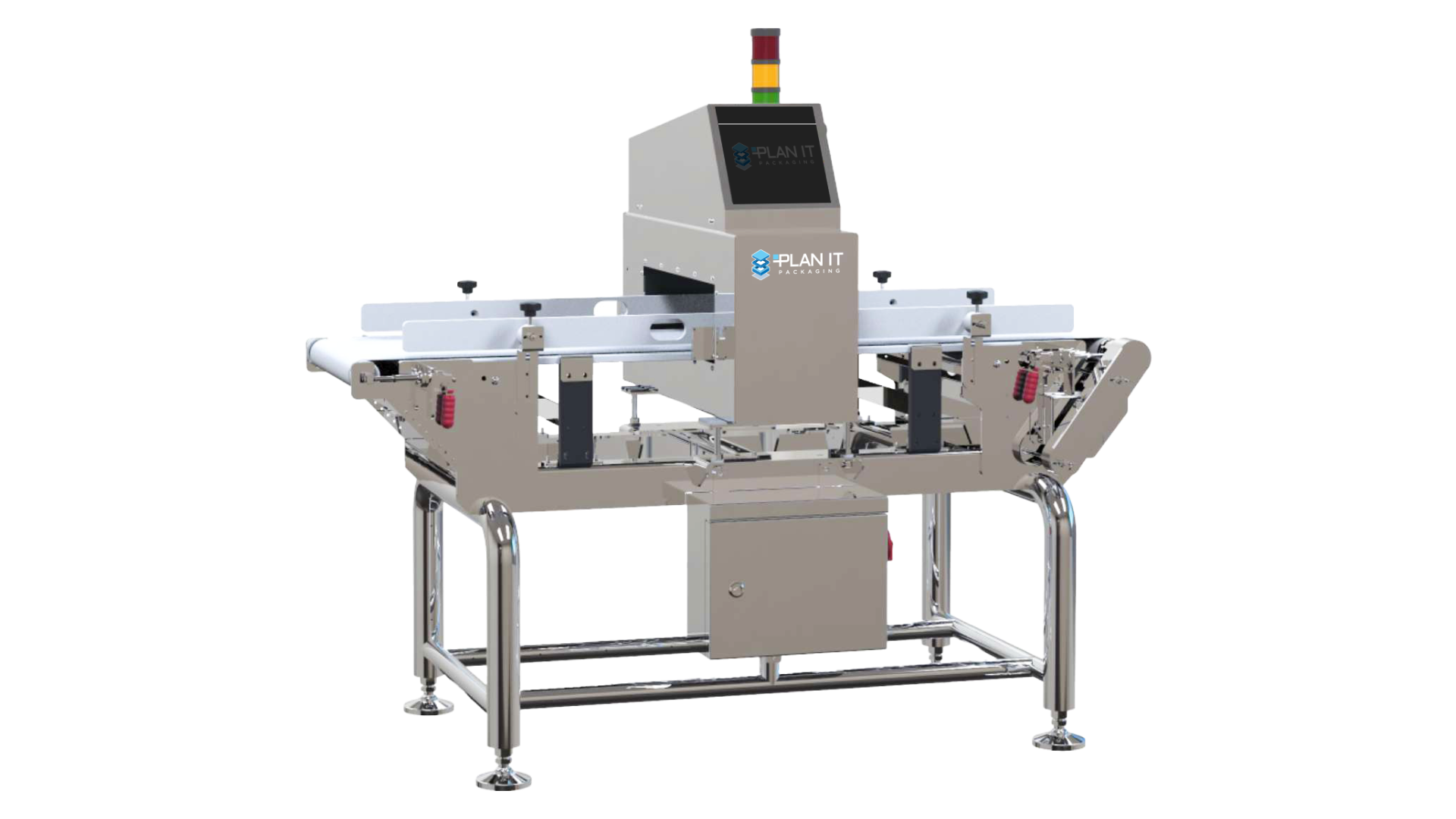
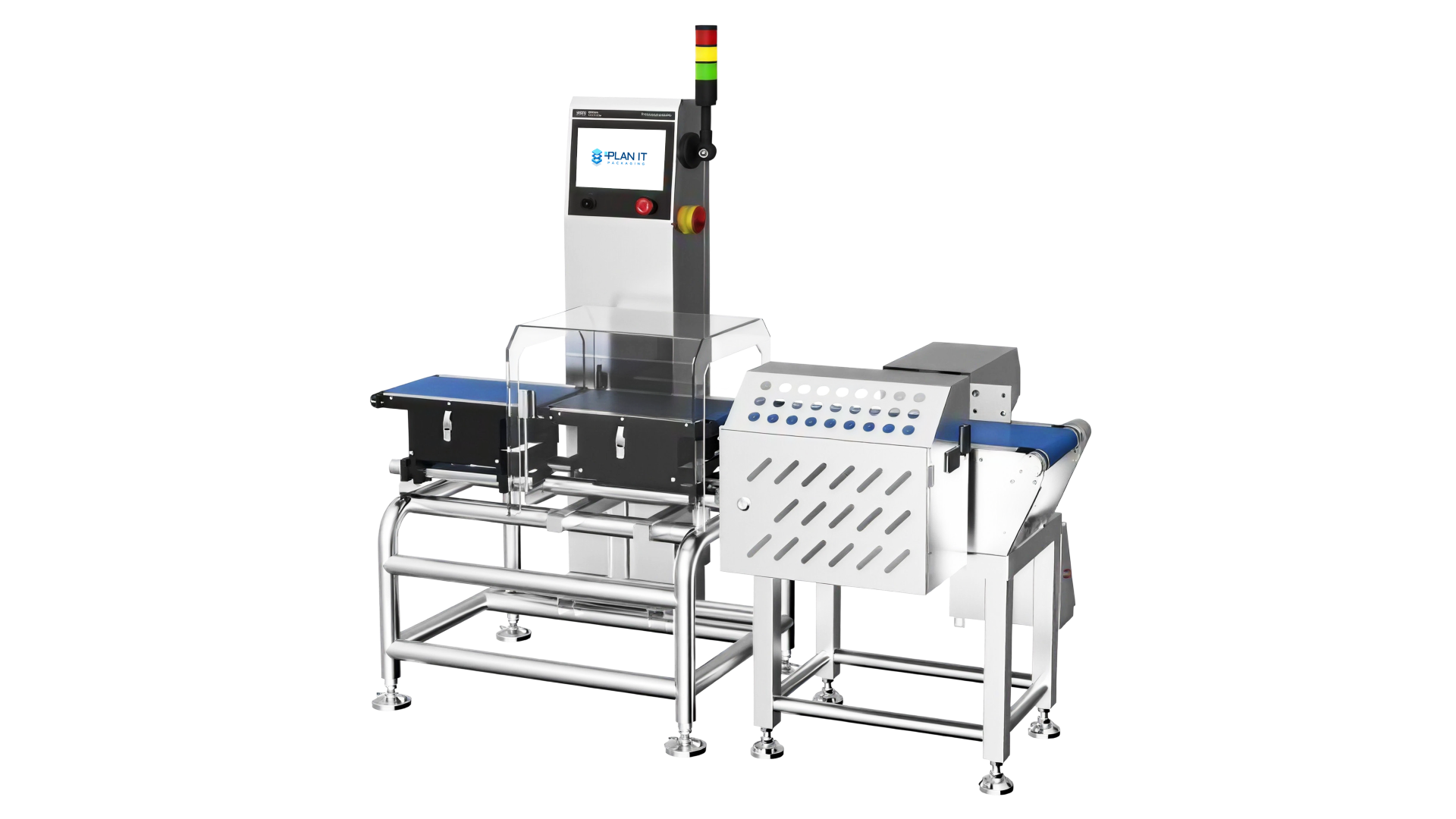
If you're running a biotech or life-science venture that just moved out of NC State's research pipeline and into its first commercial batches, stick packs or sachets are usually the format you land on for single-dose supplements or pharmaceutical powders, and that's the format we build for at production speed. EliteFill auger fillers handle the powder side directly, and checkweighers catch underfilled or overfilled units before they leave the line, a requirement rather than an option once your product moves off a lab bench and onto a real production schedule. Every dose has to hold. Food processors in the metro have similar needs on premade pouches and cartons, and we integrate equipment for both sides of Raleigh's economy rather than treating pharma and food packaging as separate problems. Your formulation's fill tolerance was set at bench scale; we build the line that holds it once real order volume hits. We size that line to a Triangle lab's first commercial batch, not to an established plant's volume.


.avif)



%203.avif)


.svg)
.svg)
