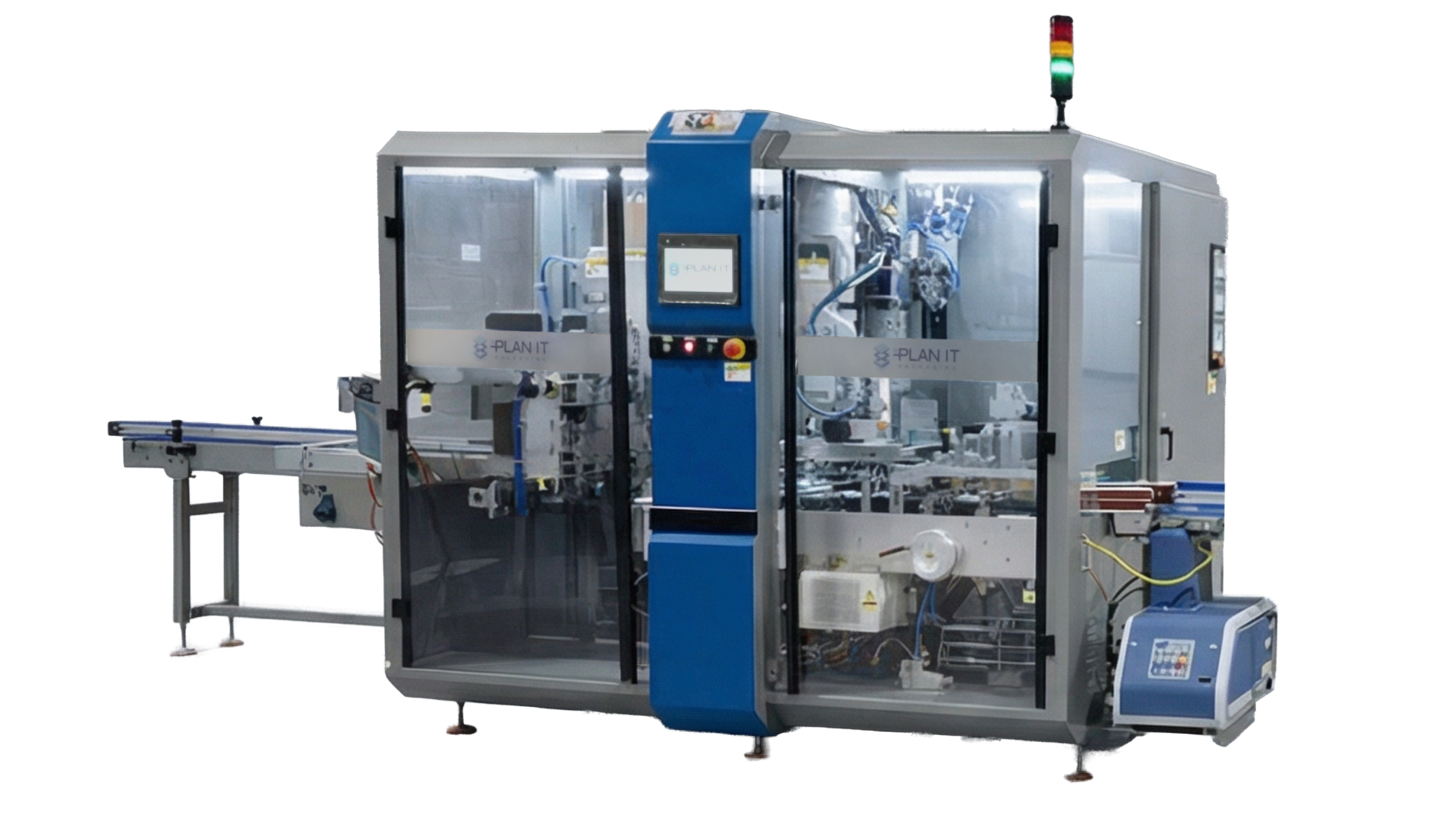
Reading earned its 'Pretzel Capital of the World' nickname the old-fashioned way: bakeries here have twisted and baked pretzels at commercial scale for more than a century, and at least one bakery on Moss Street has been baking pretzel sticks in a brick oven since 1911. That kind of history matters because volume production of a delicate baked snack is exactly where packaging automation earns its keep. A Pack Series flow wrapper, our horizontal flow-wrapping line, handles pretzel sticks, twists, and rods without crushing them, the same fragile-product precision we've built into cookie-packaging lines elsewhere, sealing product at speeds a hand-packing crew can't match, while a Mars Series VFFS bagger, our vertical form-fill-seal (VFFS) line, runs bulk and multi-serve pretzel bags off the same production floor. For a city built on this snack category, packaging line automation isn't an upgrade so much as a requirement for staying competitive at the volumes Reading's bakeries already produce.
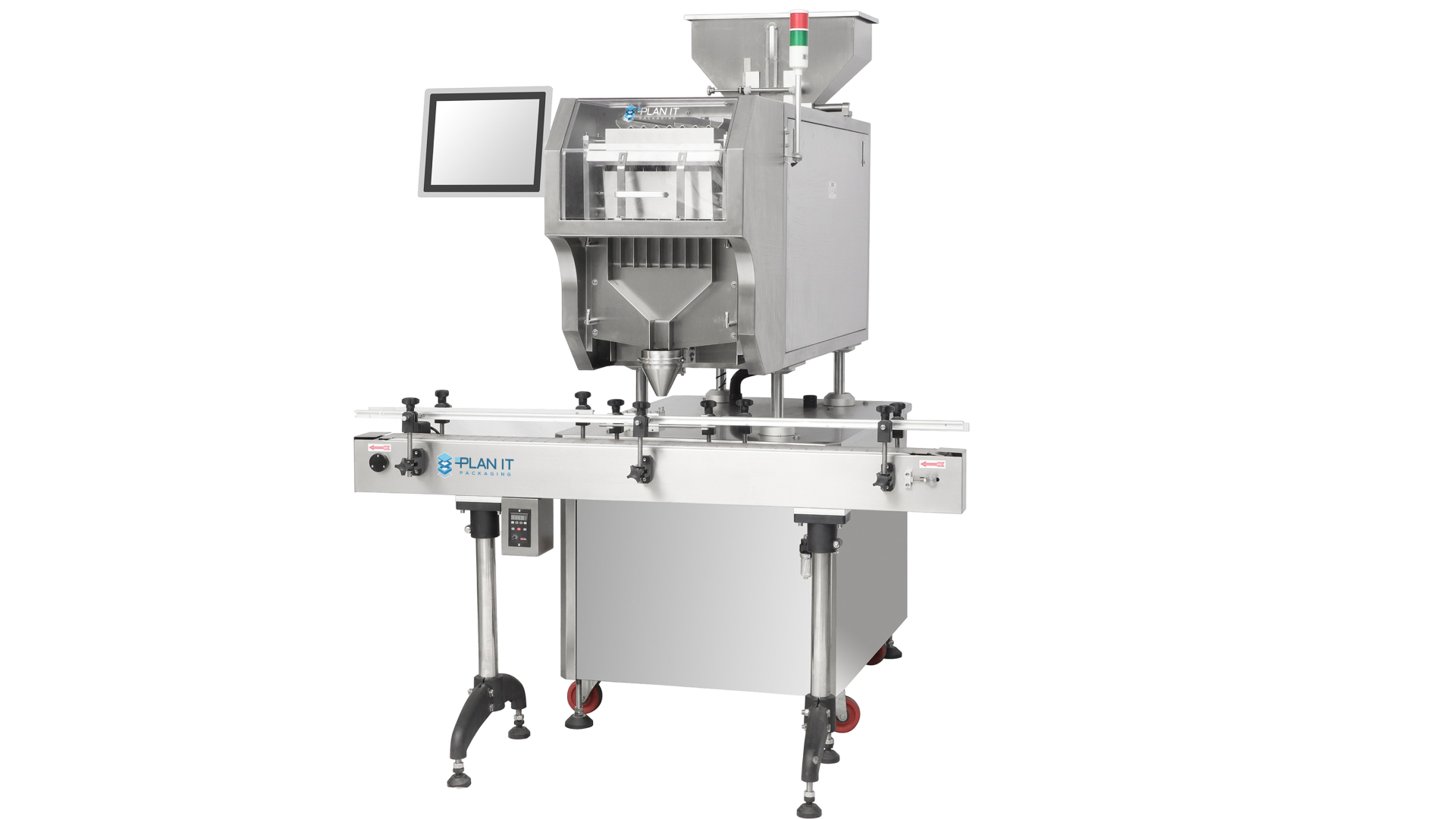
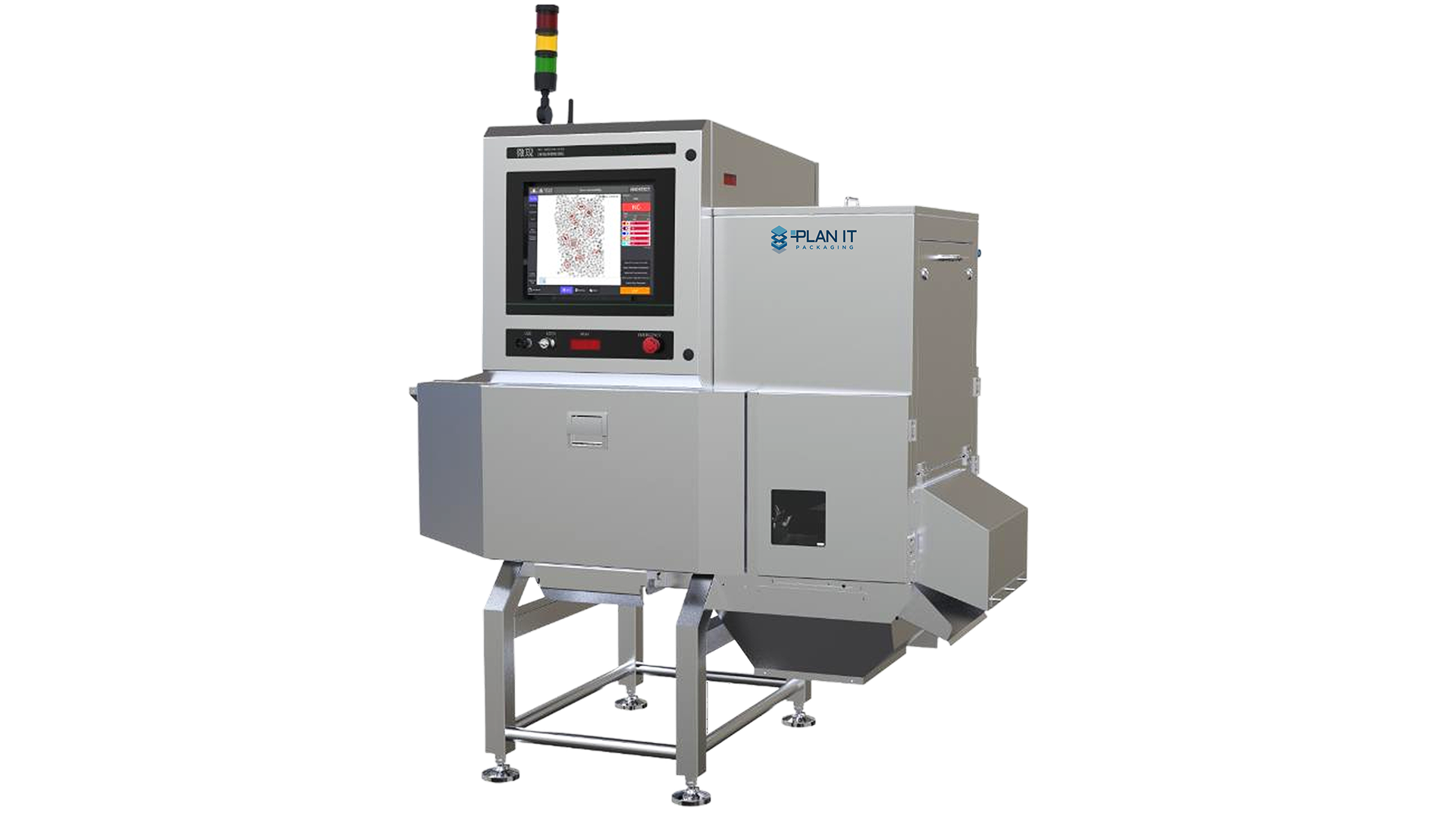
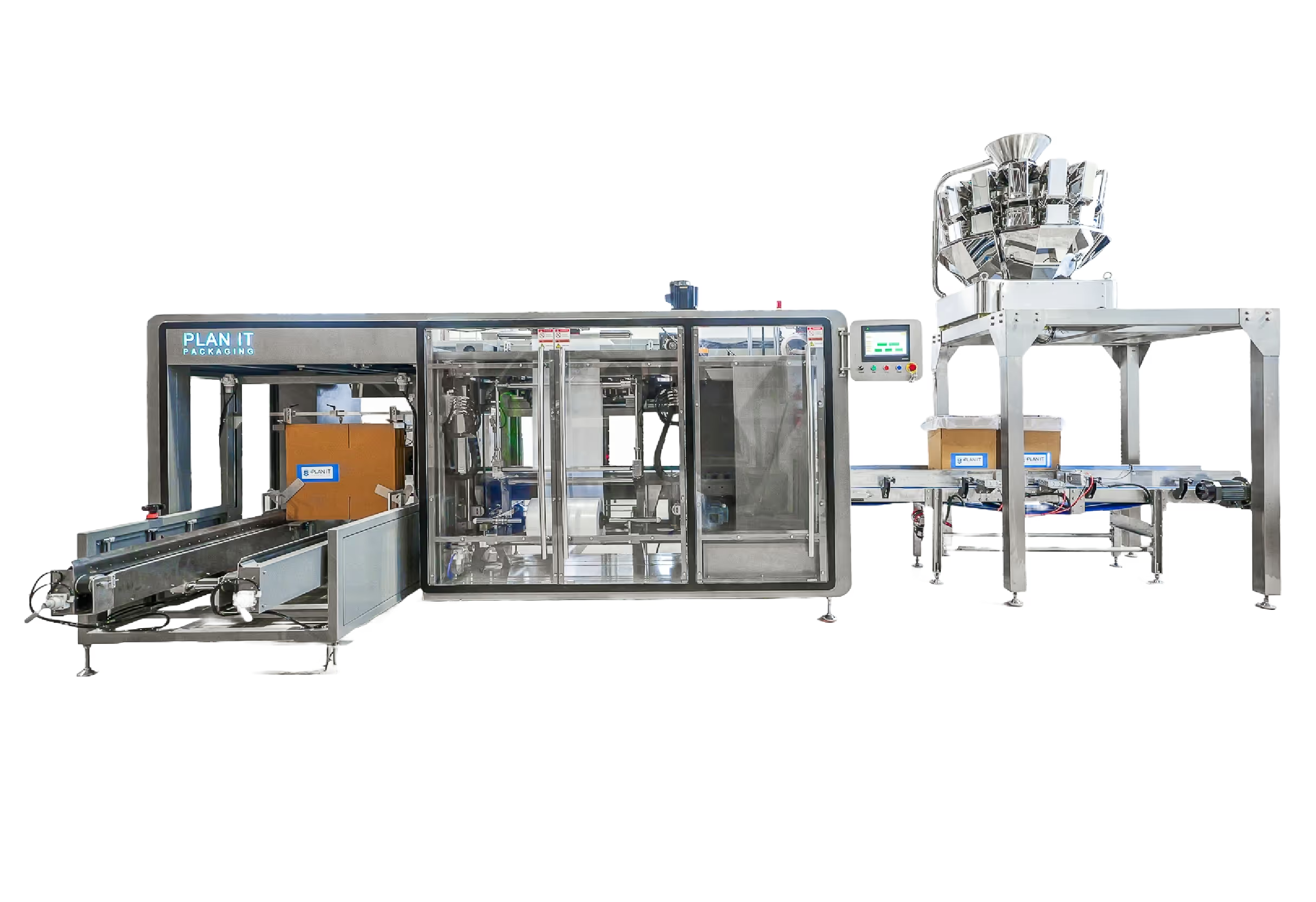
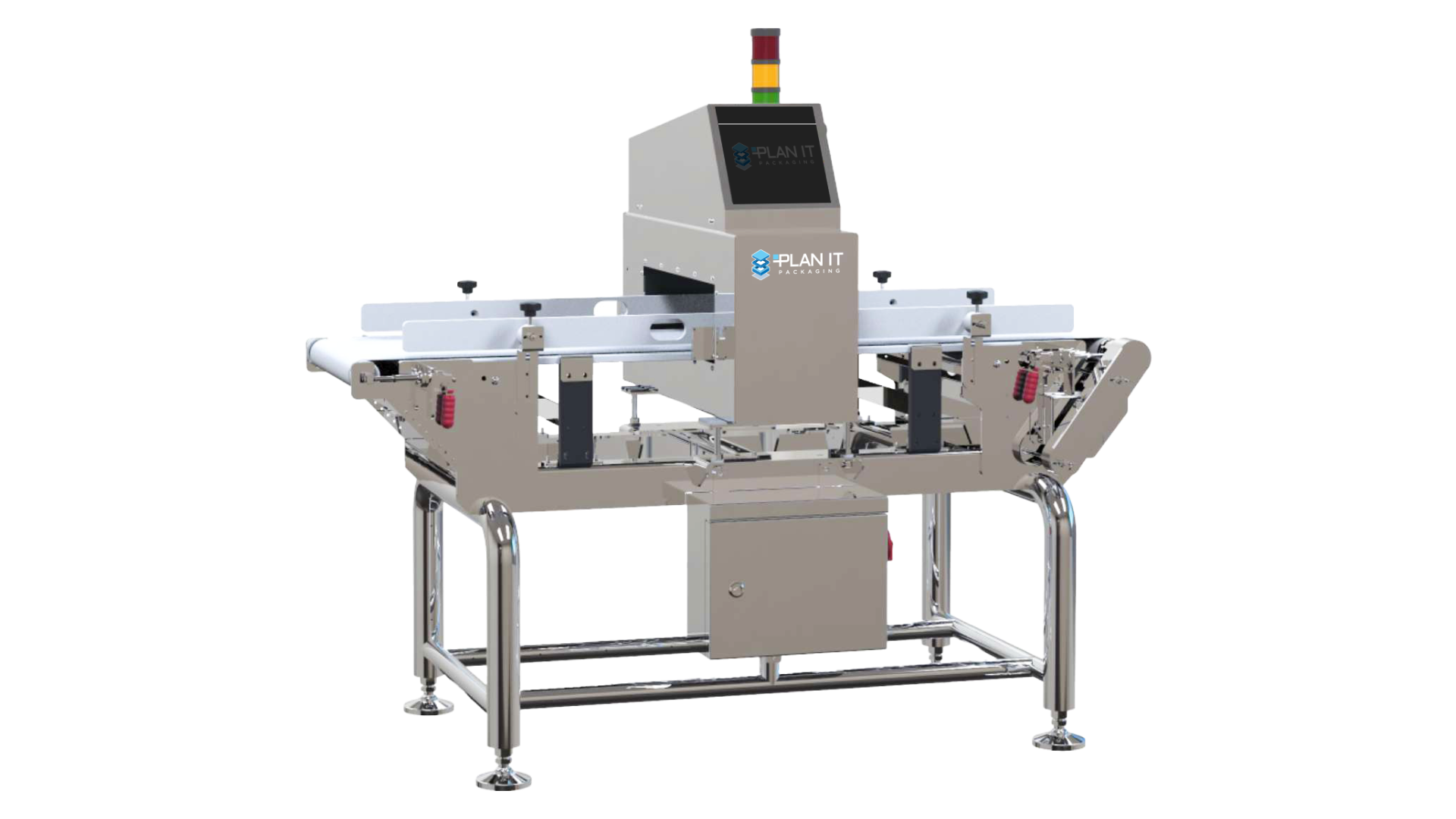
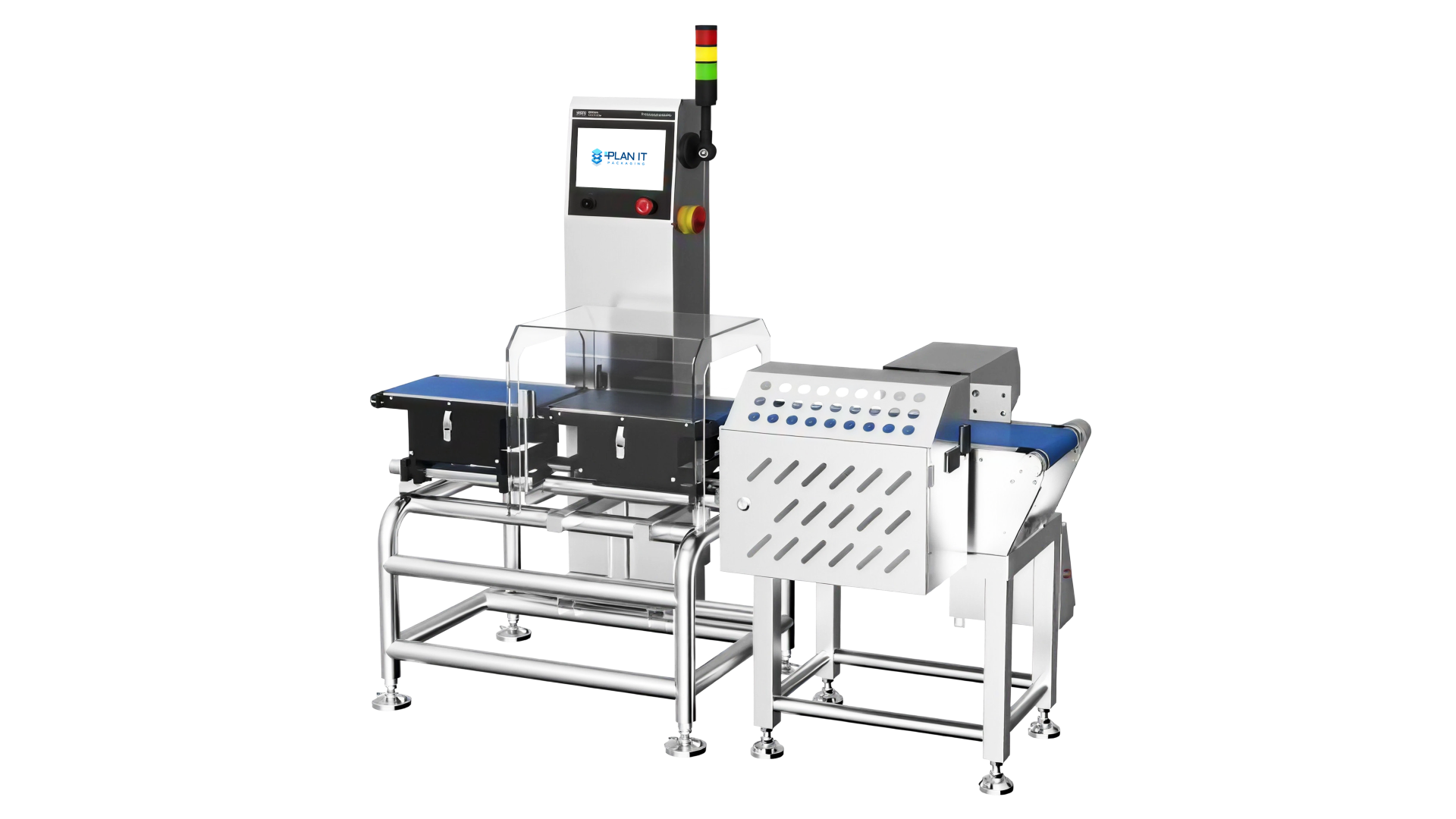
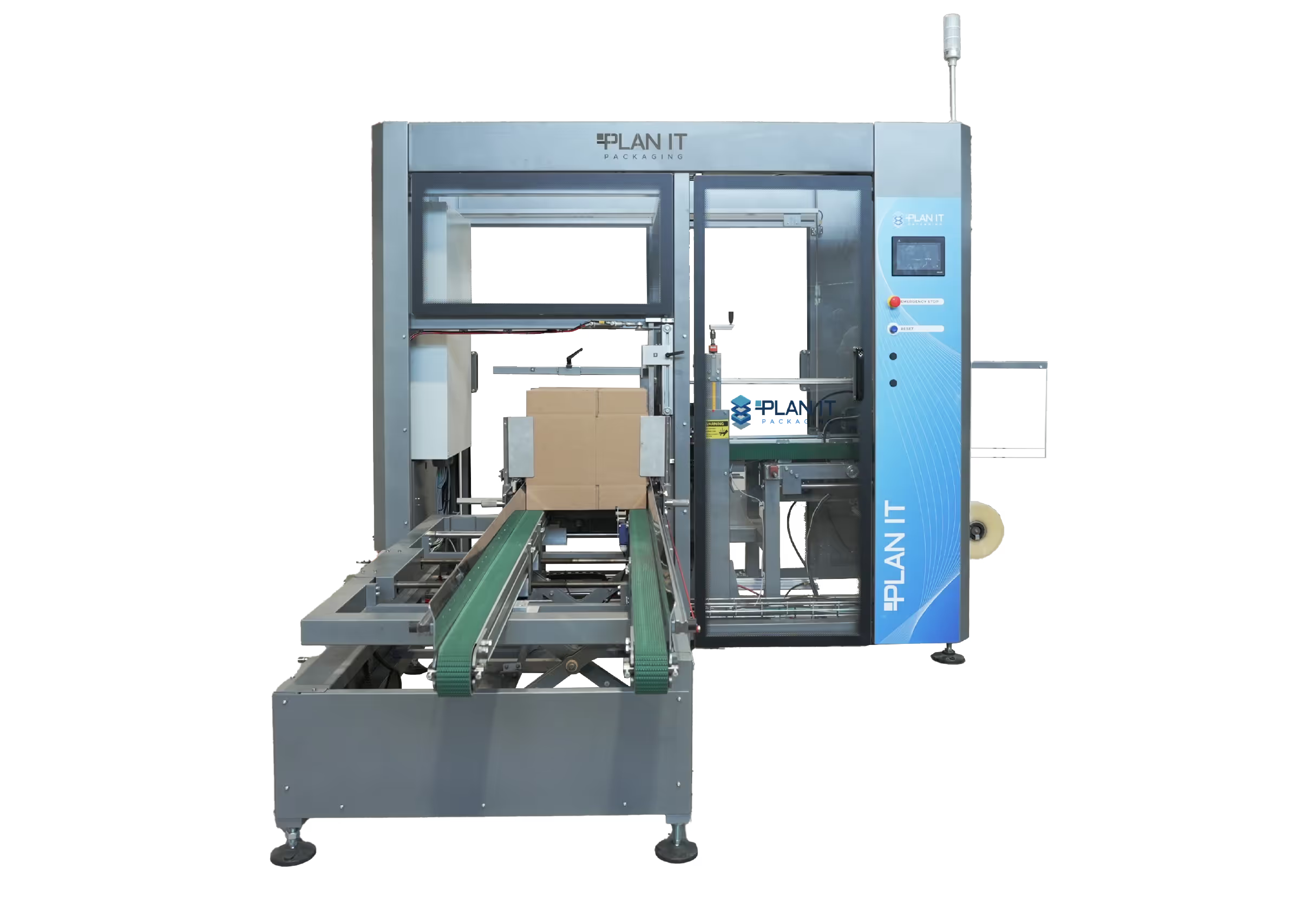
Reading's food economy runs wider than snacks. A meat processor founded in 1933 still operates in the city, and processed meat brings its own packaging demands: checkweighers and metal detectors that catch contamination and out-of-spec weights before product ships, paired with VFFS or thermoform lines built for protein. A regional, employee-owned supermarket chain headquartered in Reading runs a distribution warehouse nearby that supplies stores across three states, which means case erectors, case packers, and end-of-line palletizing matter just as much as the primary packaging on the production floor. You know the recipe and the cut; we run the flow wrapper for the pretzels and the checkweigher for the meat. We supply and integrate that full range for baked-goods producers, meat processors, and distributors working out of Reading, and we can have a flow wrapper or VFFS bagger running before the next brick-oven batch comes out or the next truck leaves for Delaware or Maryland.


.avif)



%203.avif)


.svg)
.svg)
