Red Deer's food-processing history starts with the ground itself: Red Deer County is roughly 90% agricultural land, watered reliably enough to support a farming economy that's fed local food processing and, in turn, demand for packaging automation for generations. That base has scaled into one of Red Deer's largest employers today, a pork and poultry processing plant employing roughly 1,800 union workers as of 2021, an anchor of a regional agri-food sector Red Deer's own economic-development office lists among its largest manufacturing industries, trailing only machinery and wood cabinetry. The plant cut about 100 jobs in January 2024 amid a downturn in the hog market but kept operating, with laid-off staff eligible for recall, a sign of how central meat processing remains to Red Deer's economy even through a rough stretch. Over the past decade, the region's agri-food industry grew 8.4%, against a national average of -1.1%, and rail terminals plus highway access keep Red Deer positioned to move agricultural product across central Alberta.
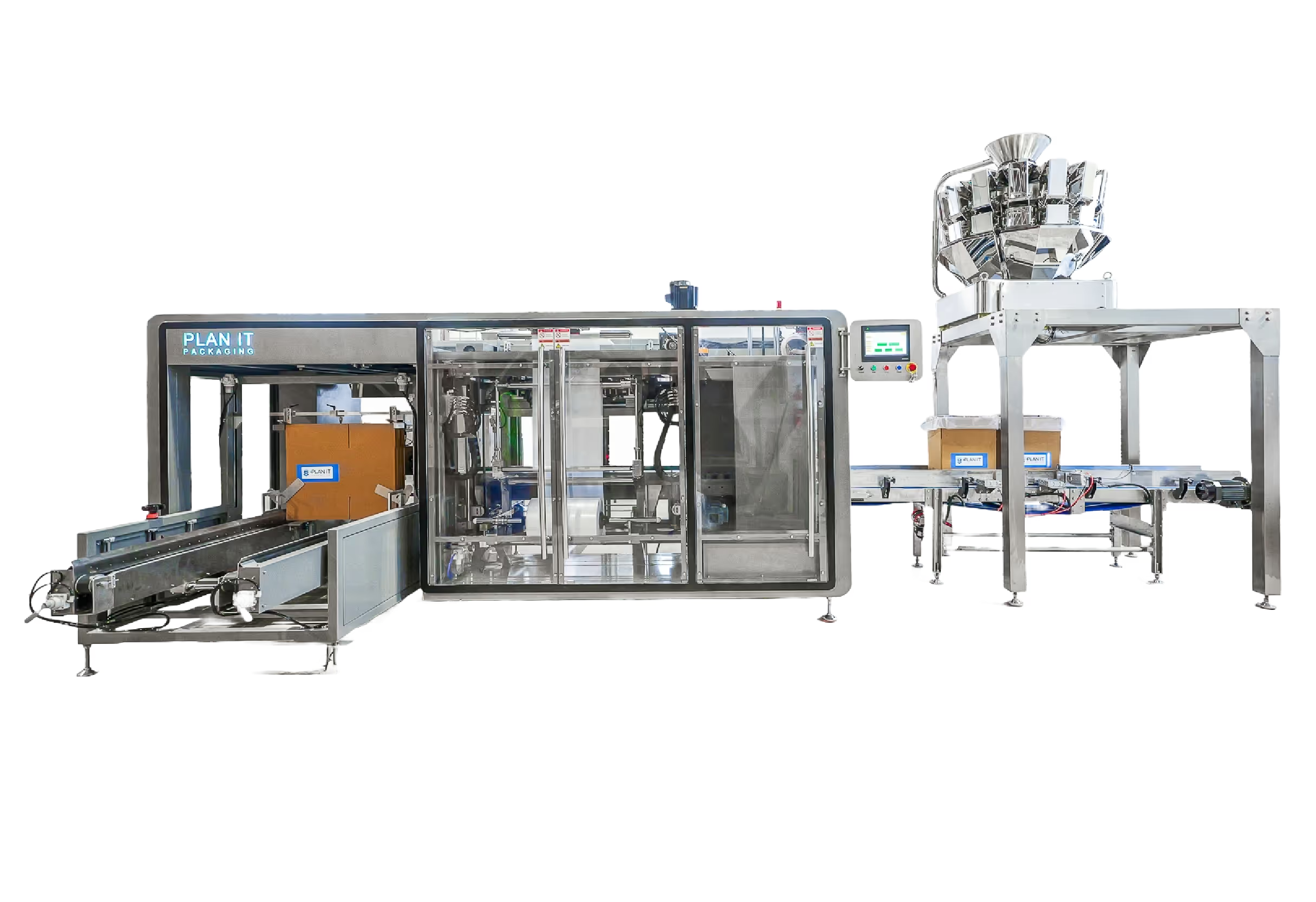
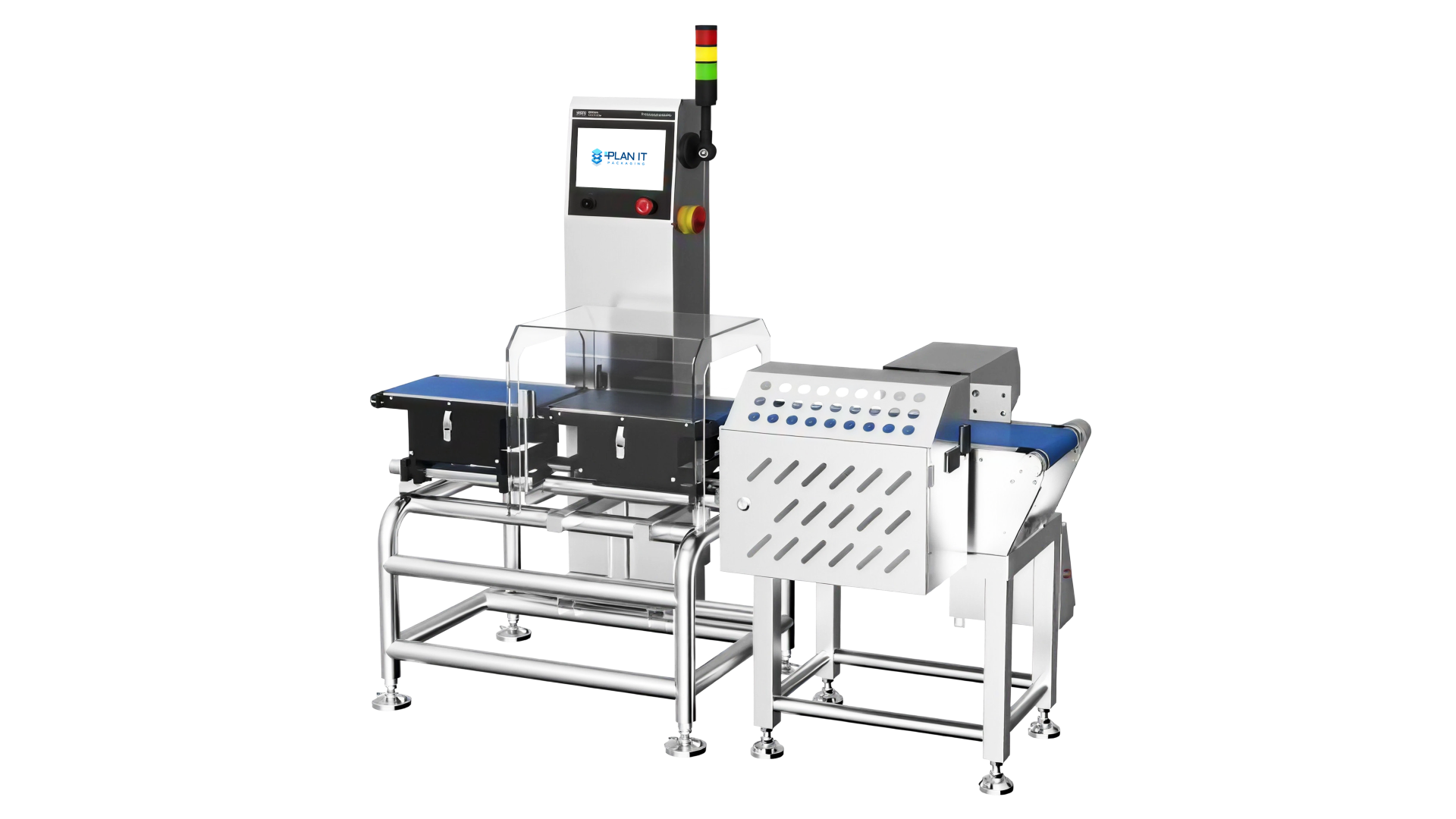
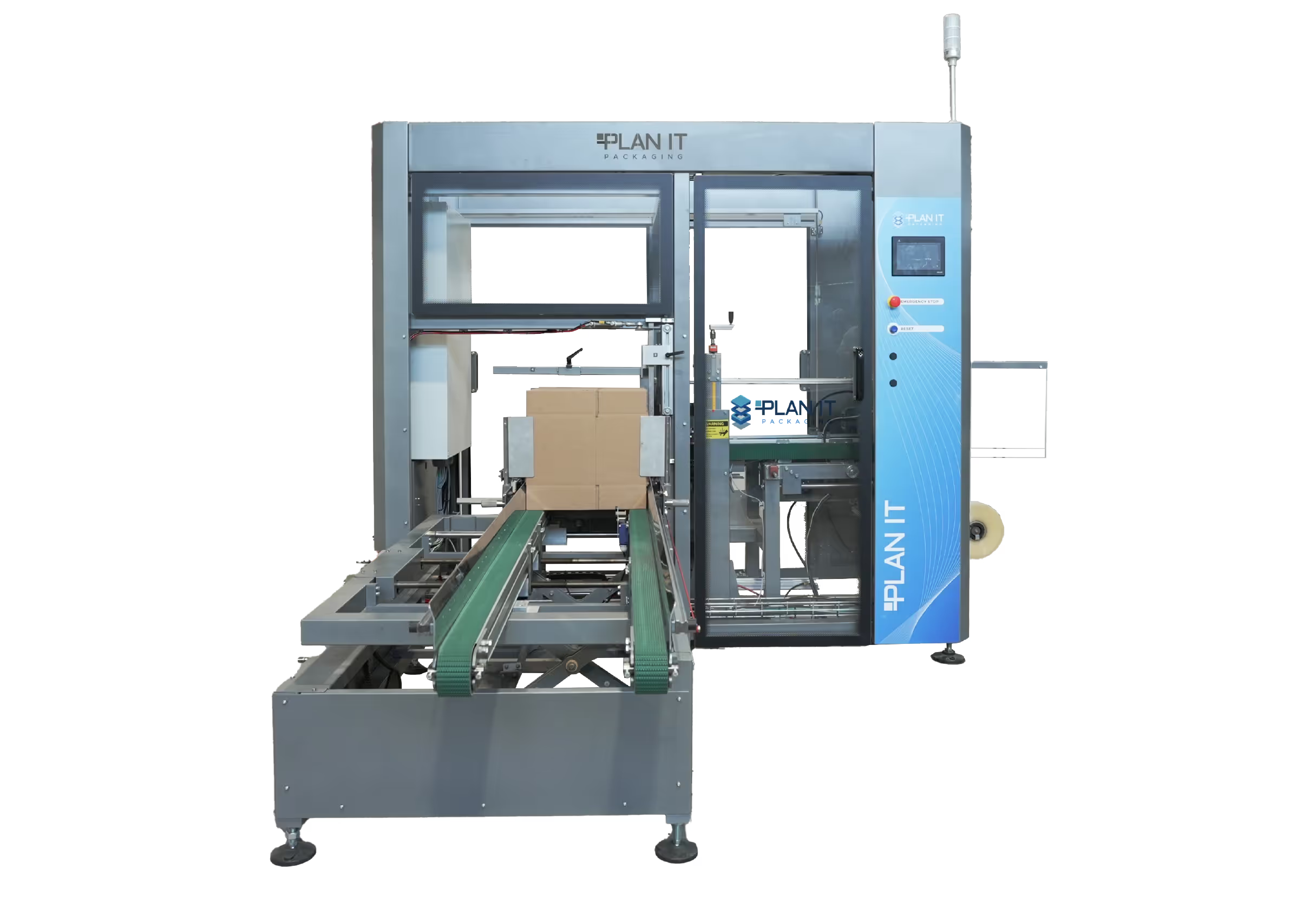
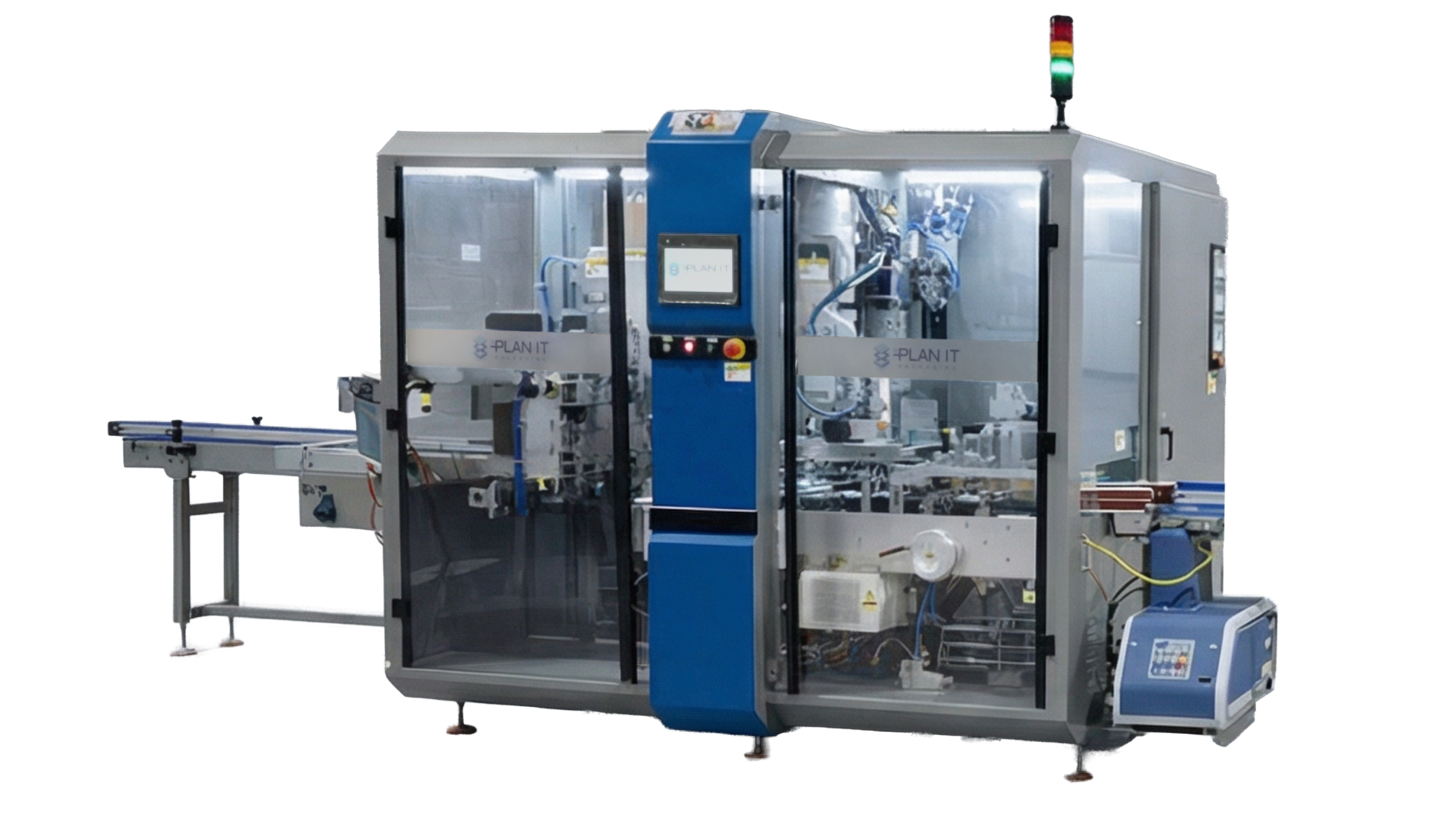
That volume is exactly what our VFFS and case-packing lines run at every day. Our Mars Series vertical form fill seal (VFFS) machine bags ground and processed meat product at the speed a high-volume pork or poultry plant runs, forming, filling, and sealing each bag in a single pass. Case packers then box finished product into cases at matching speed, keeping a growing processor's shipping dock from backing up behind the line. The volume doesn't let up. A plant running close to 1,800 workers doesn't get to slow down when the hog market dips, and our packaging line doesn't either. We keep Mars Series machines in stock to match that pace. Red Deer's rail terminals and highway access are what move that growth off the plant floor and into the rest of central Alberta.


.avif)



%203.avif)


.svg)
.svg)
