The Gulf of Georgia Cannery once processed salmon for shipment worldwide from Steveston, the fishing village on Lulu Island that put Richmond's food-processing base on the map, and food processors here still need packaging equipment built for that same volume. The city supports roughly 100,000 jobs across light manufacturing, agriculture, fishing, government, tourism, and retail, alongside a seafood-processing and logistics corridor built on the Fraser River's port and rail network. Richmond has also grown into a Pacific Northwest high-tech center, and it serves as corporate headquarters for several major Canadian companies, giving the local economy a second layer of manufacturing and distribution activity beyond the waterfront.
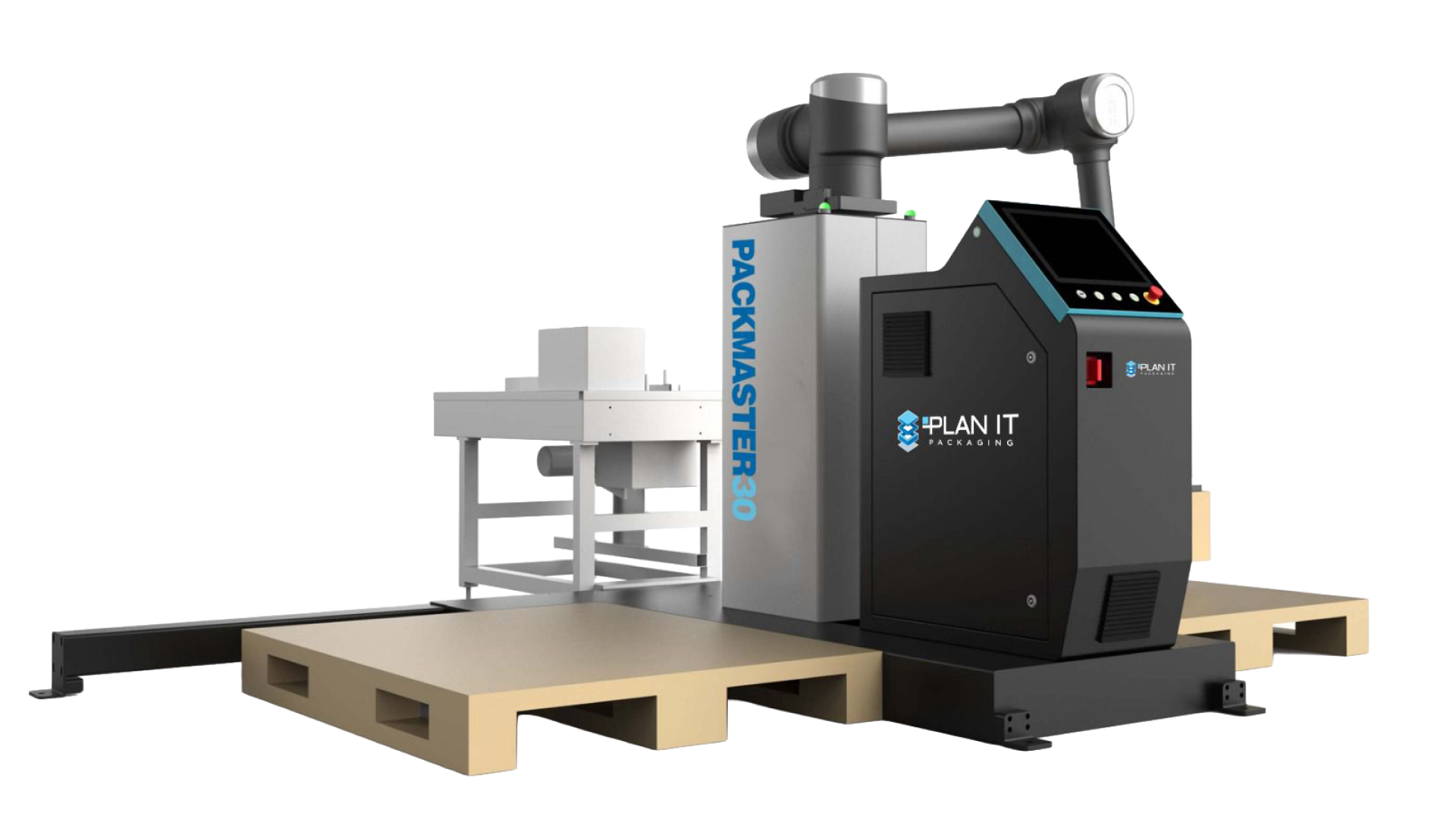
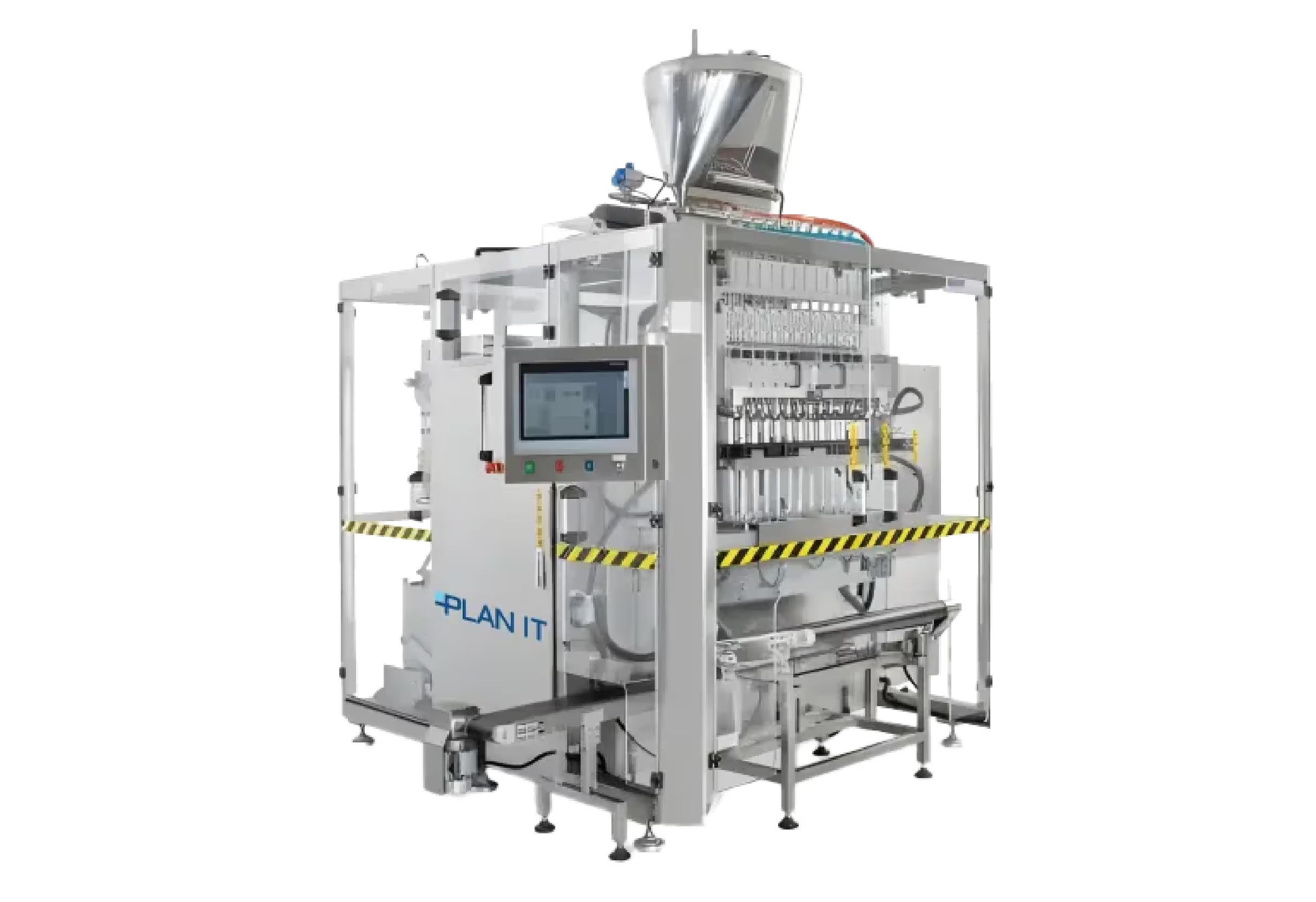
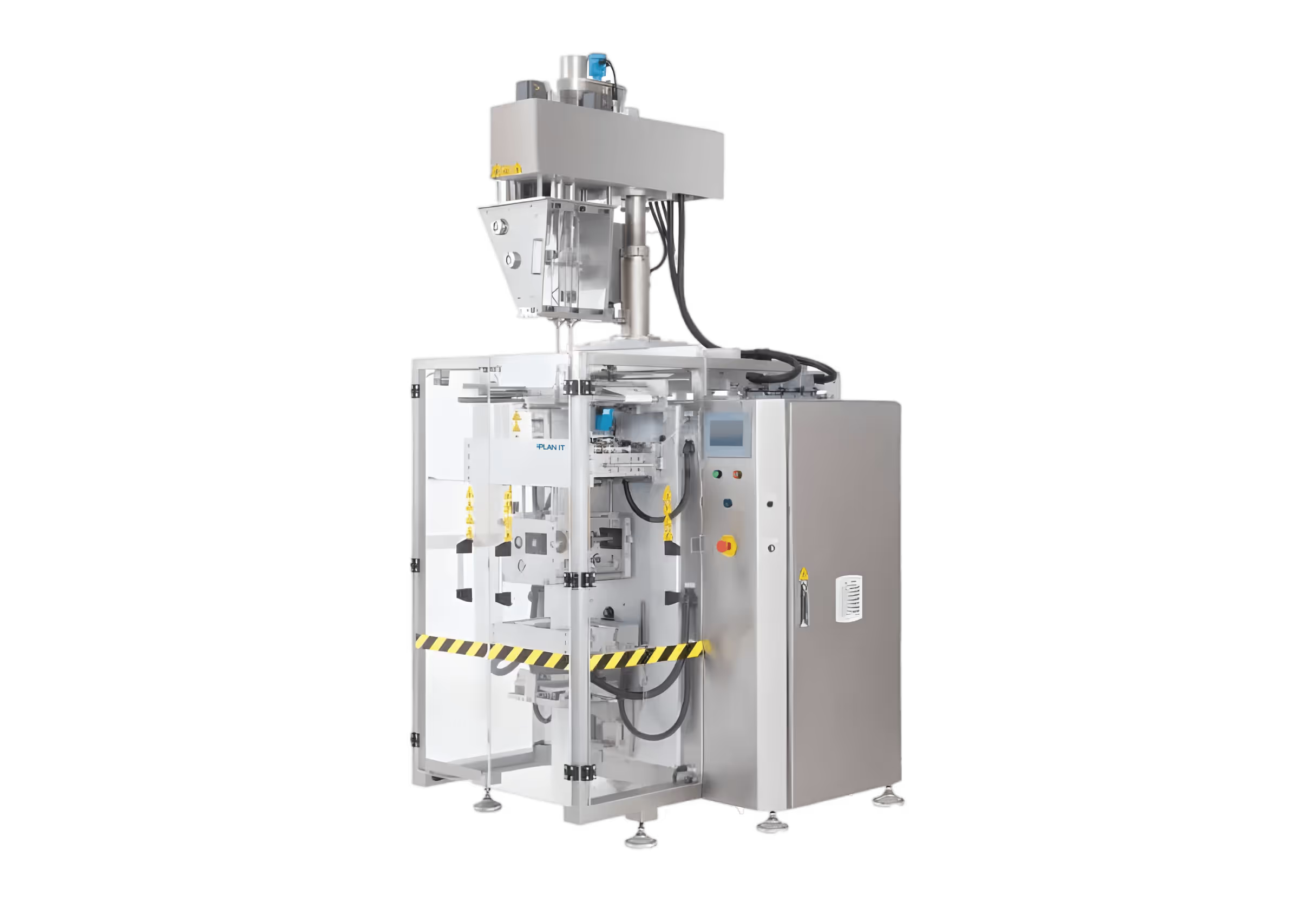
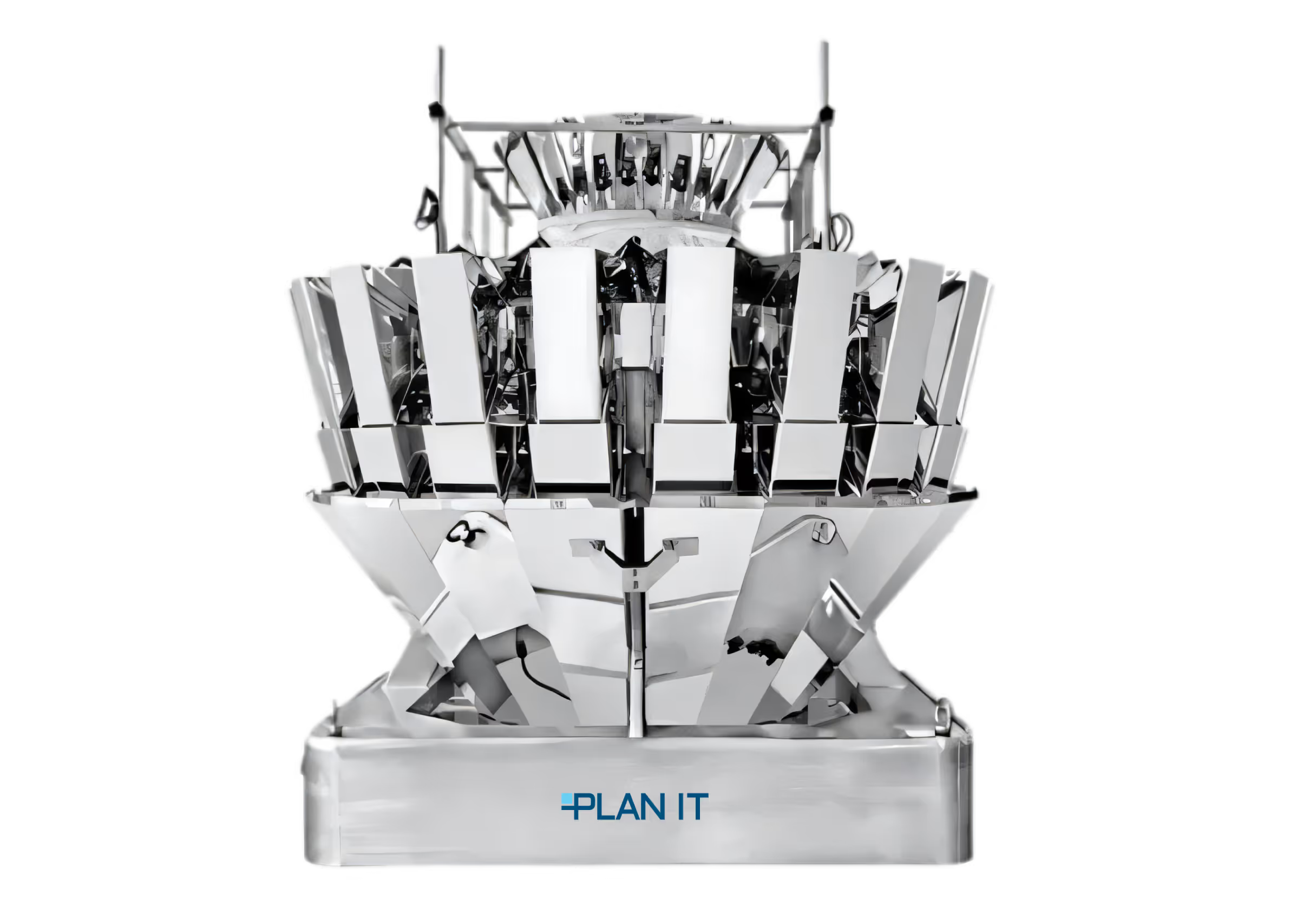
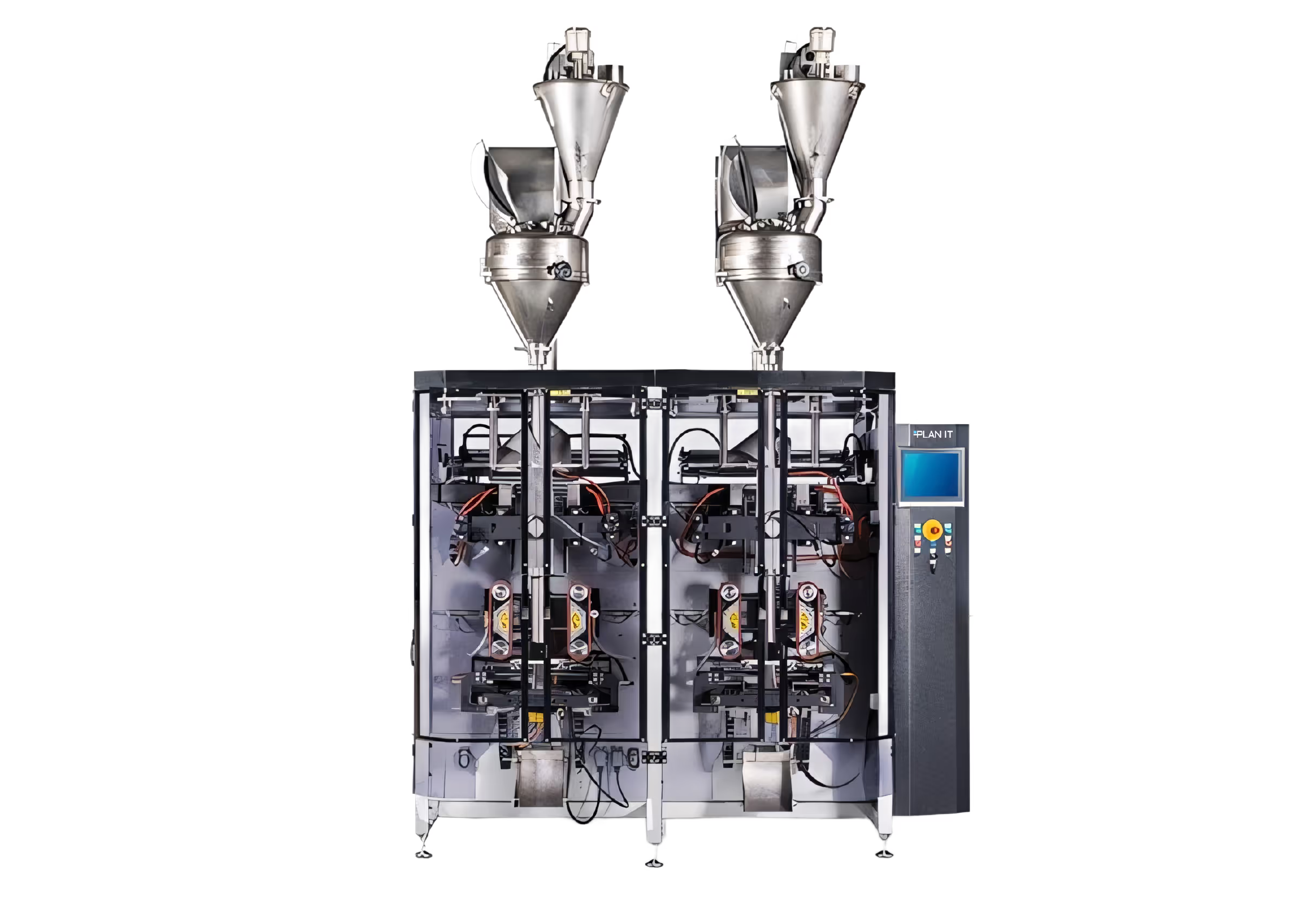
Our Mars Series VFFS baggers form and seal pouches for smoked and fresh seafood at line speeds built for perishable product, while metal detection and X-ray inspection systems catch bone fragments, packaging fasteners, and other contaminants before cases leave the plant. Case erectors and case packers handle the retail-ready shipping cartons that follow, built for the fishing, agriculture, and light-manufacturing plants that make up Richmond's production base alongside its waterfront processors. What Steveston's cannery workers once did by hand at the packing table, VFFS bagging and inspection lines now do at a pace built for continuous shifts. Richmond has no PLAN IT branch office, but our team works with processors across British Columbia directly.


.avif)



%203.avif)


.svg)
.svg)
