Along the Saguenay River, three industrial parks cover more than 8.4 million square meters of commercial and manufacturing space, the kind of footprint that draws automation buyers of every stripe, including the food and beverage producers who need packaging equipment PLAN IT supplies. The region built that footprint on heavy industry. In the Jonquière borough, an aluminum producer committed $750 million in late 2010 to upgrade a pilot smelting facility to run roughly 40 percent more productively than the plant it replaced, and in Chicoutimi, a pulp mill that opened in 1898 had grown into the country's largest mechanical-pulp producer by 1910. Chicoutimi itself traces back to a French fur-trading post founded in 1676, so industrial production has anchored this stretch of the Saguenay for more than three centuries.
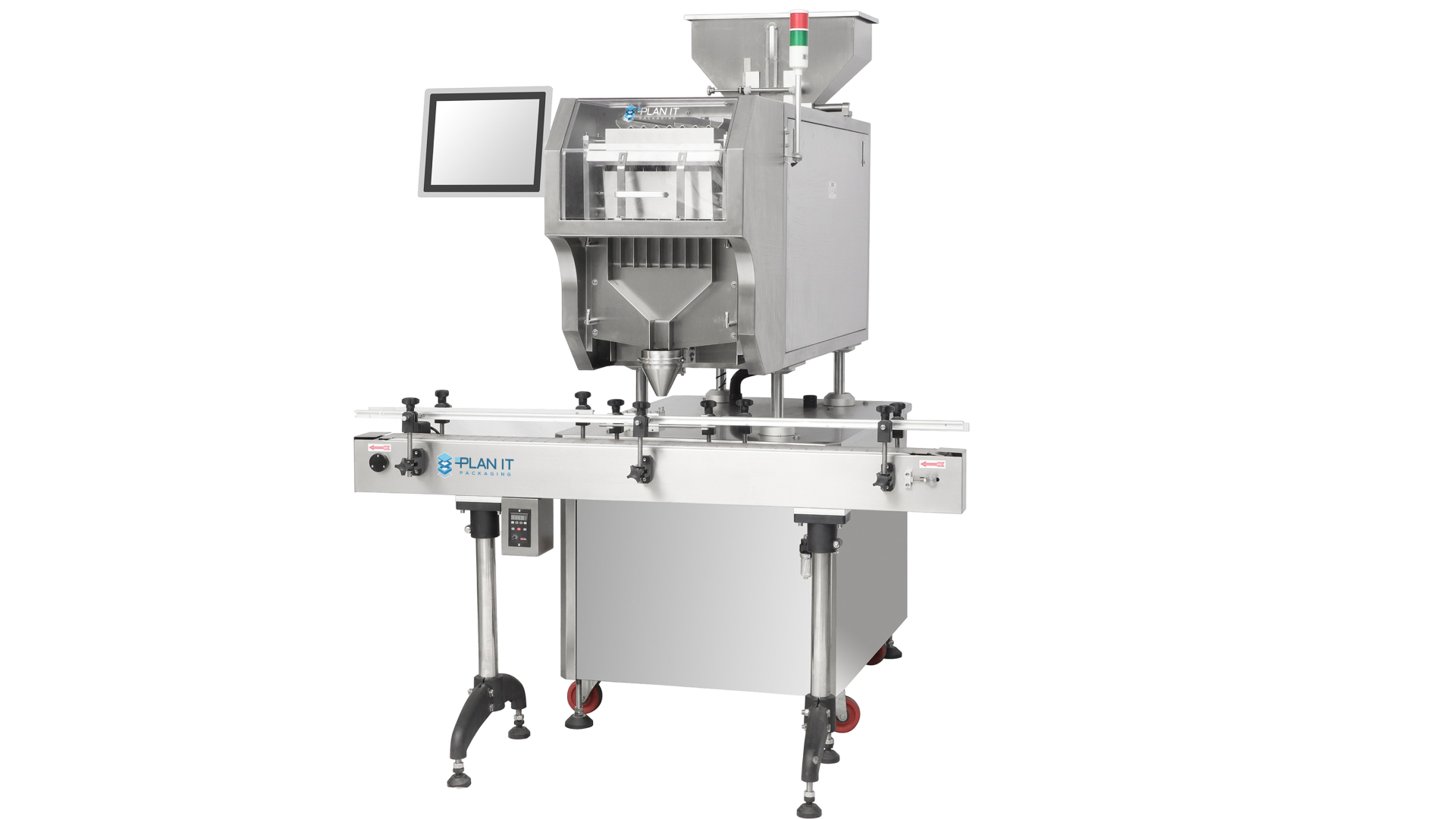
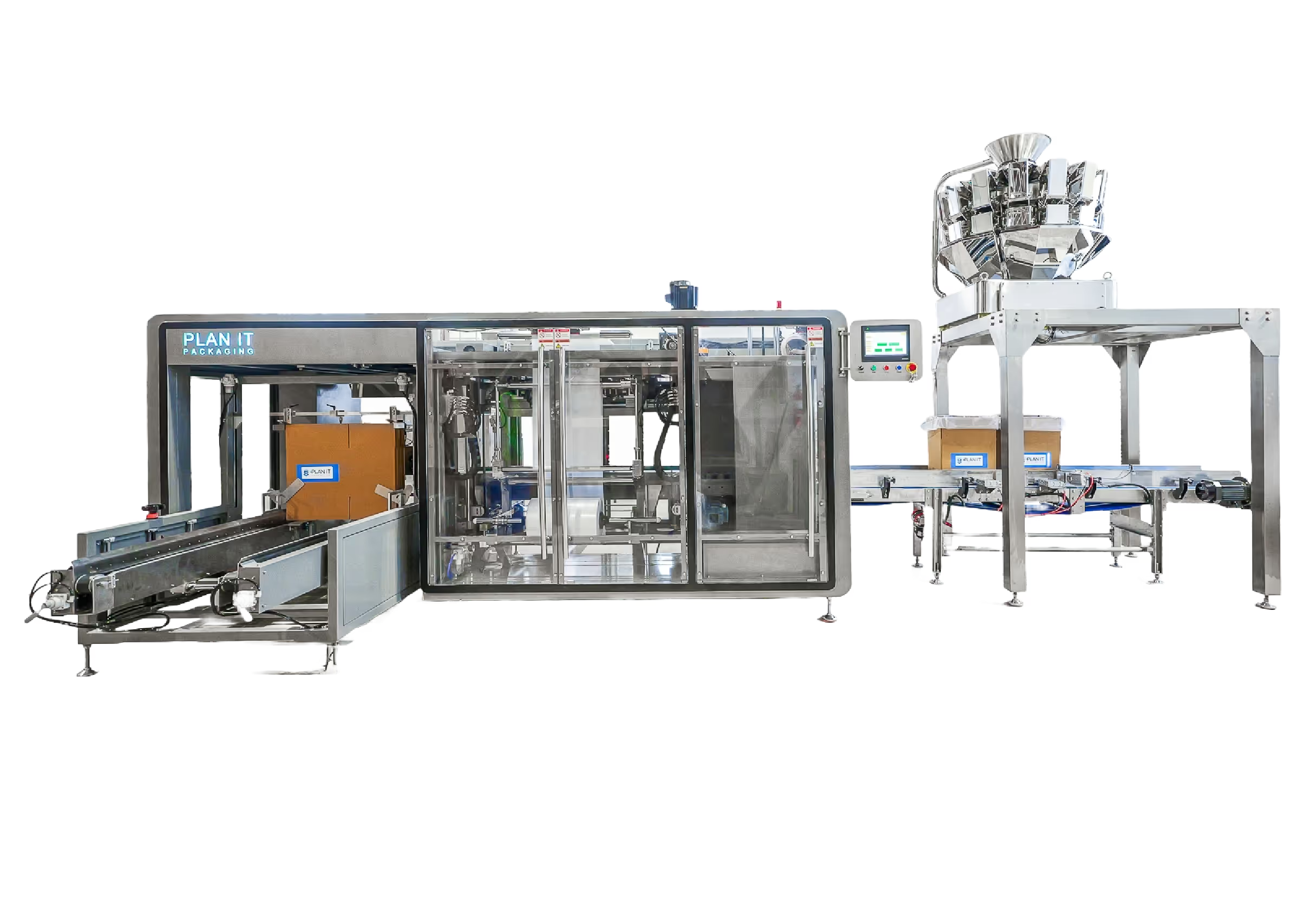
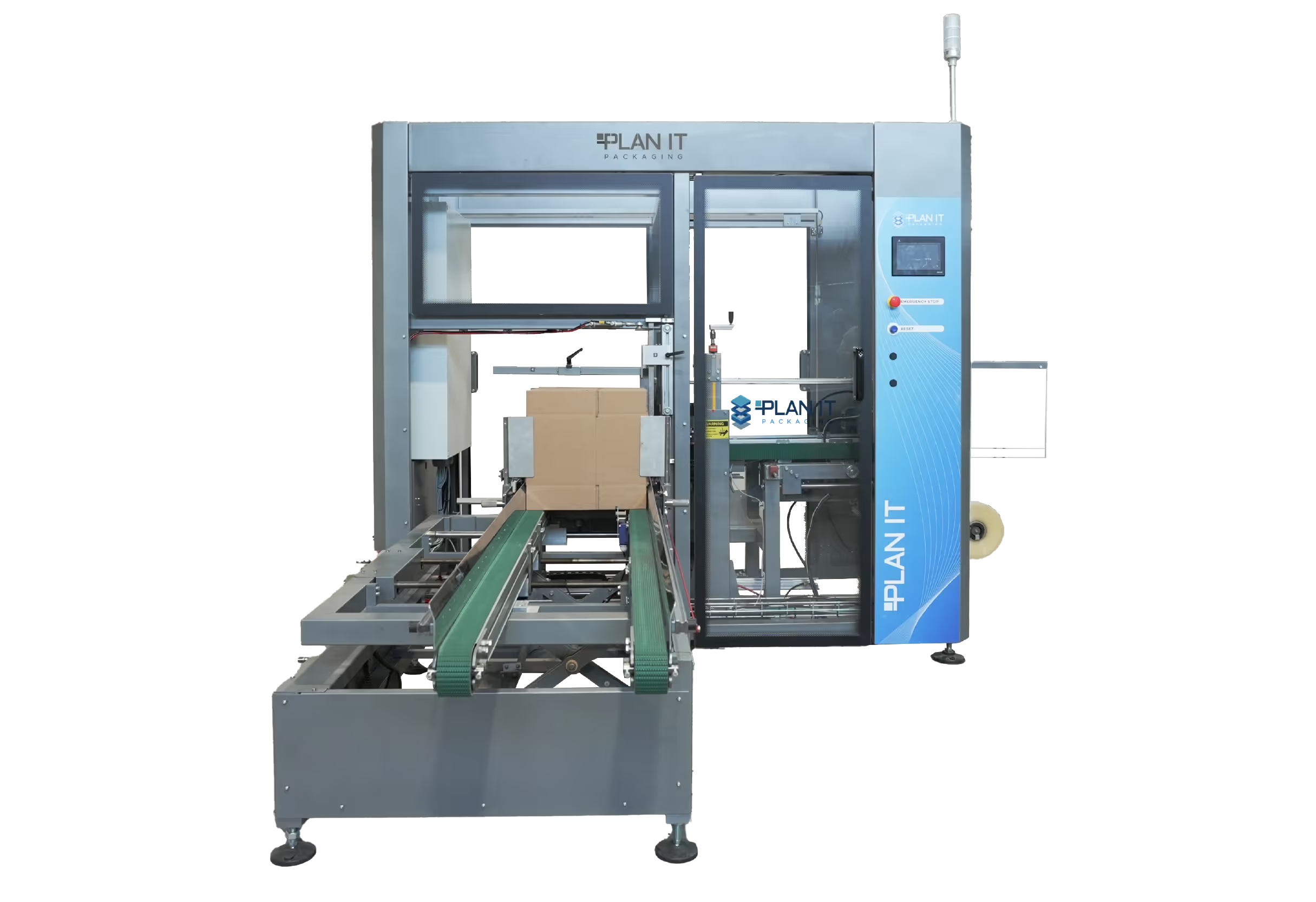
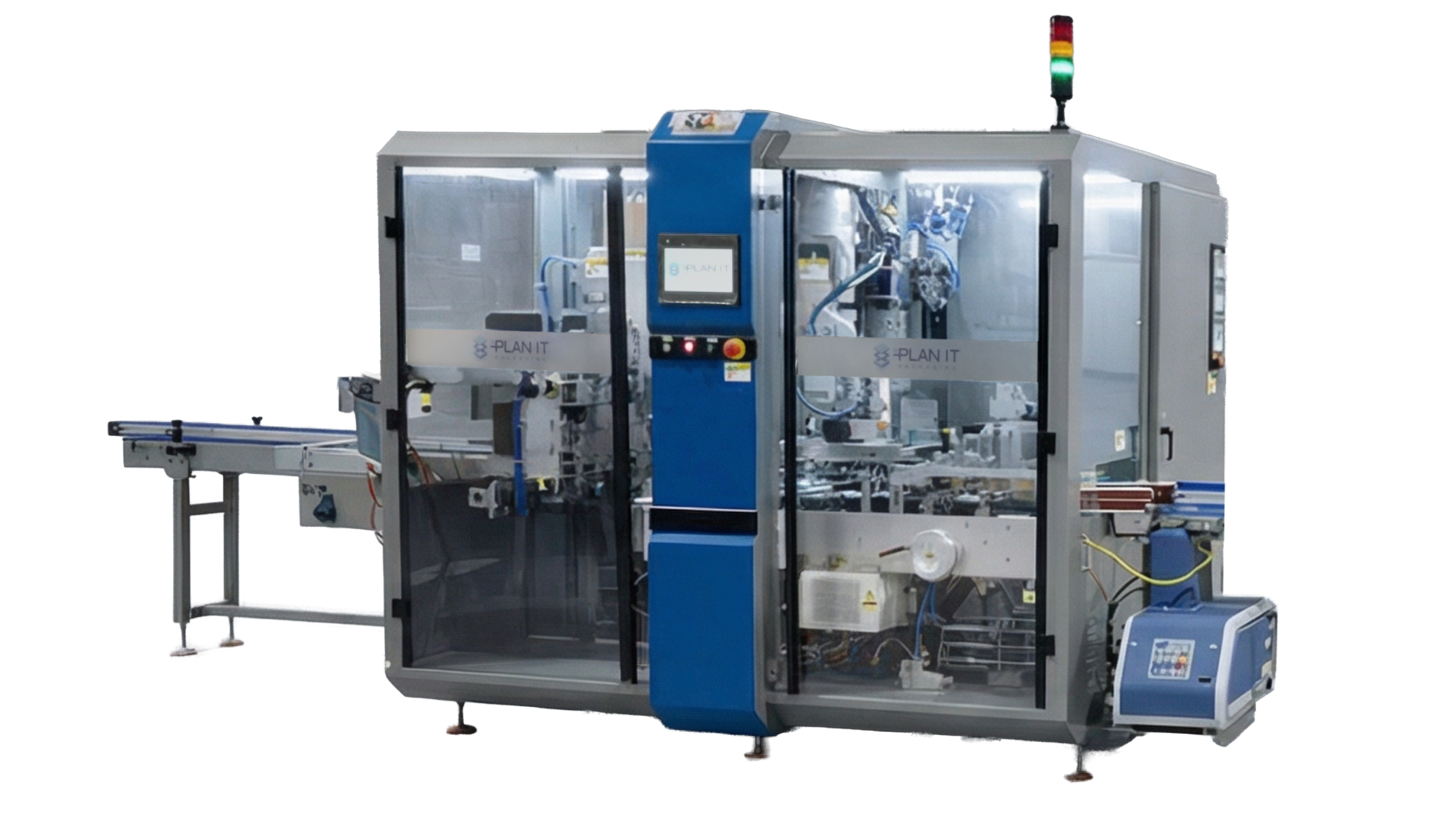
That heritage now feeds a broader push toward applied technologies in energy, aluminum, boreal forestry, genomics, and biomedical sciences, and food and beverage manufacturing fits naturally alongside it. A food or beverage producer here doesn't need to build a dedicated plant to run packaging automation; the existing industrial-park footprint already has room for your line, and we build equipment that fits inside it instead. Our Quebec coverage page and our food and beverage industry page detail the Mars series VFFS baggers we supply for bagged and pouched goods, and the automatic case packers built for cartoning and palletizing finished product. Our case study on scaling food production shows what a similar line looks like in practice, and our solutions overview covers integration for a producer adding its first automated line or replacing an aging one. Three centuries after a fur-trading post took root on the Saguenay, the region is still building the infrastructure that lets new industries move in without starting from empty ground.


.avif)



%203.avif)


.svg)
.svg)
