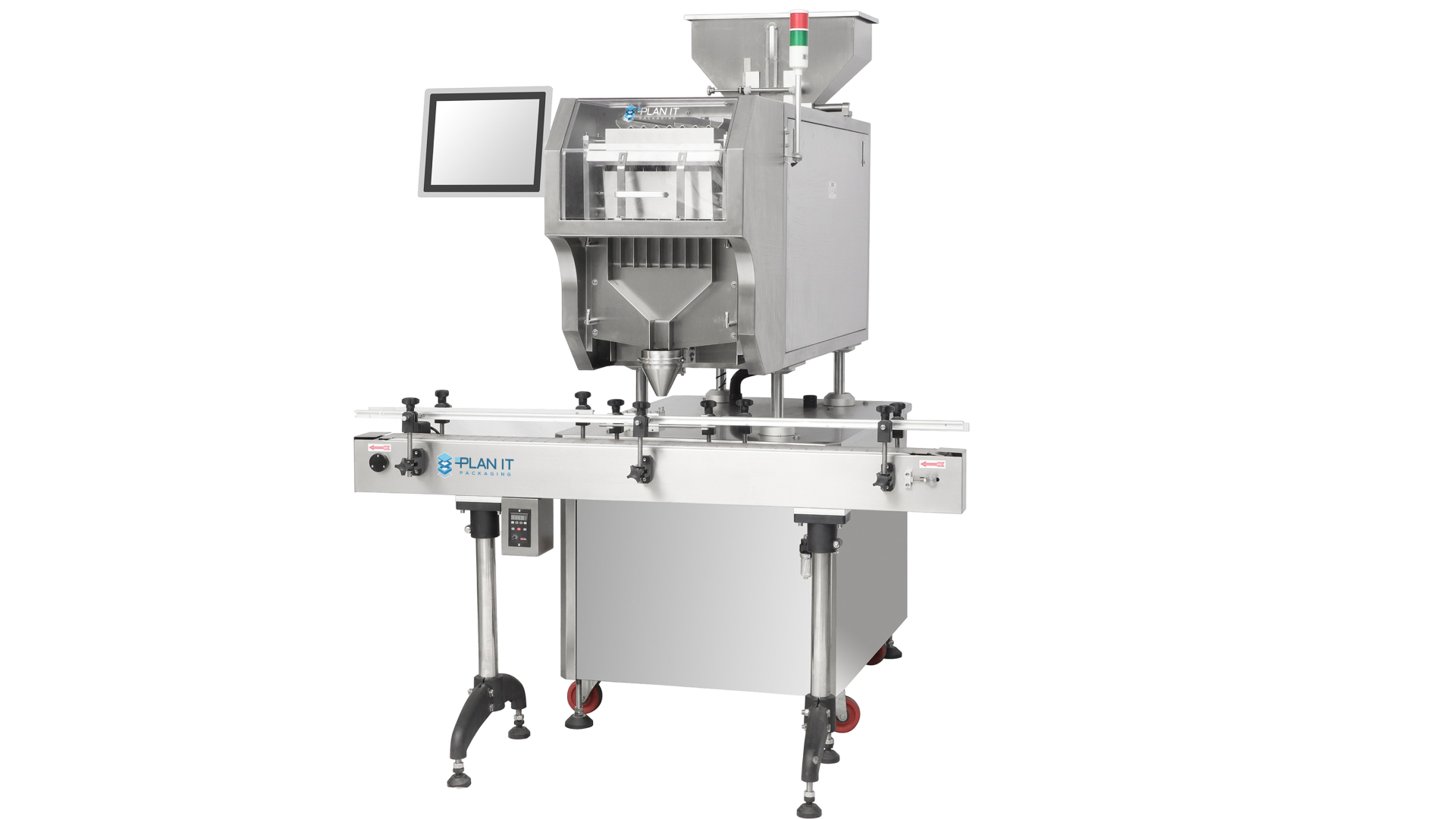
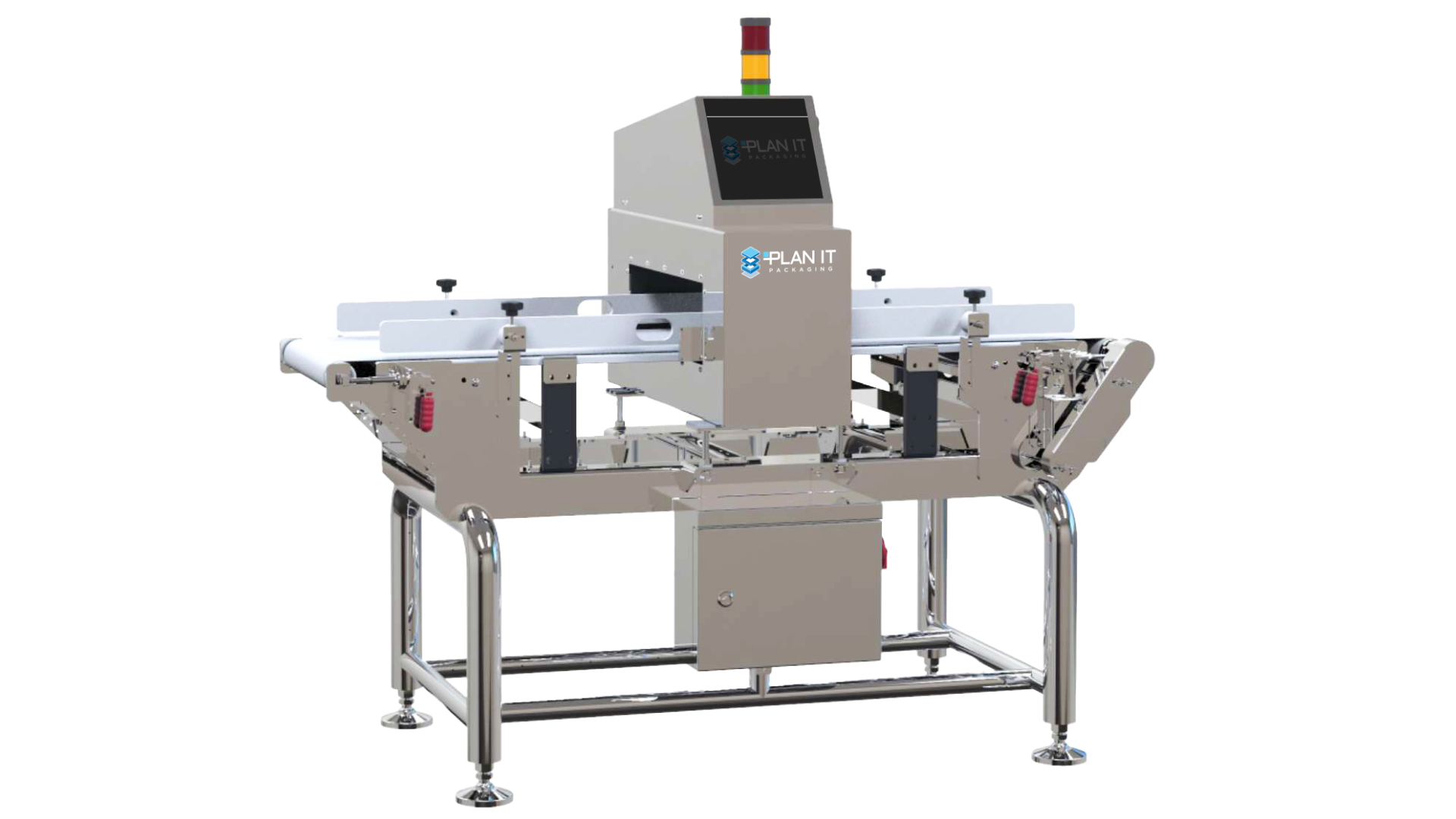
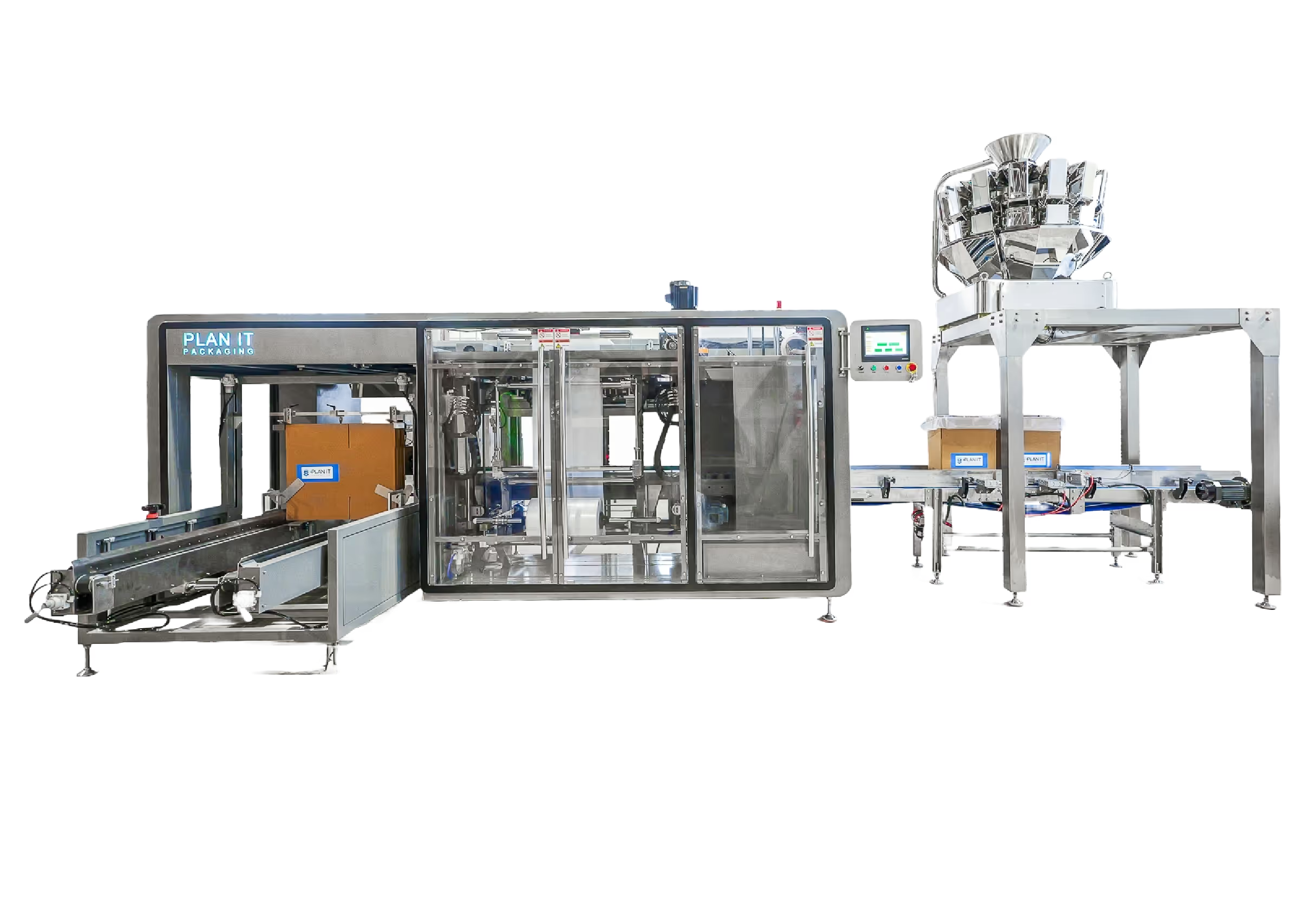
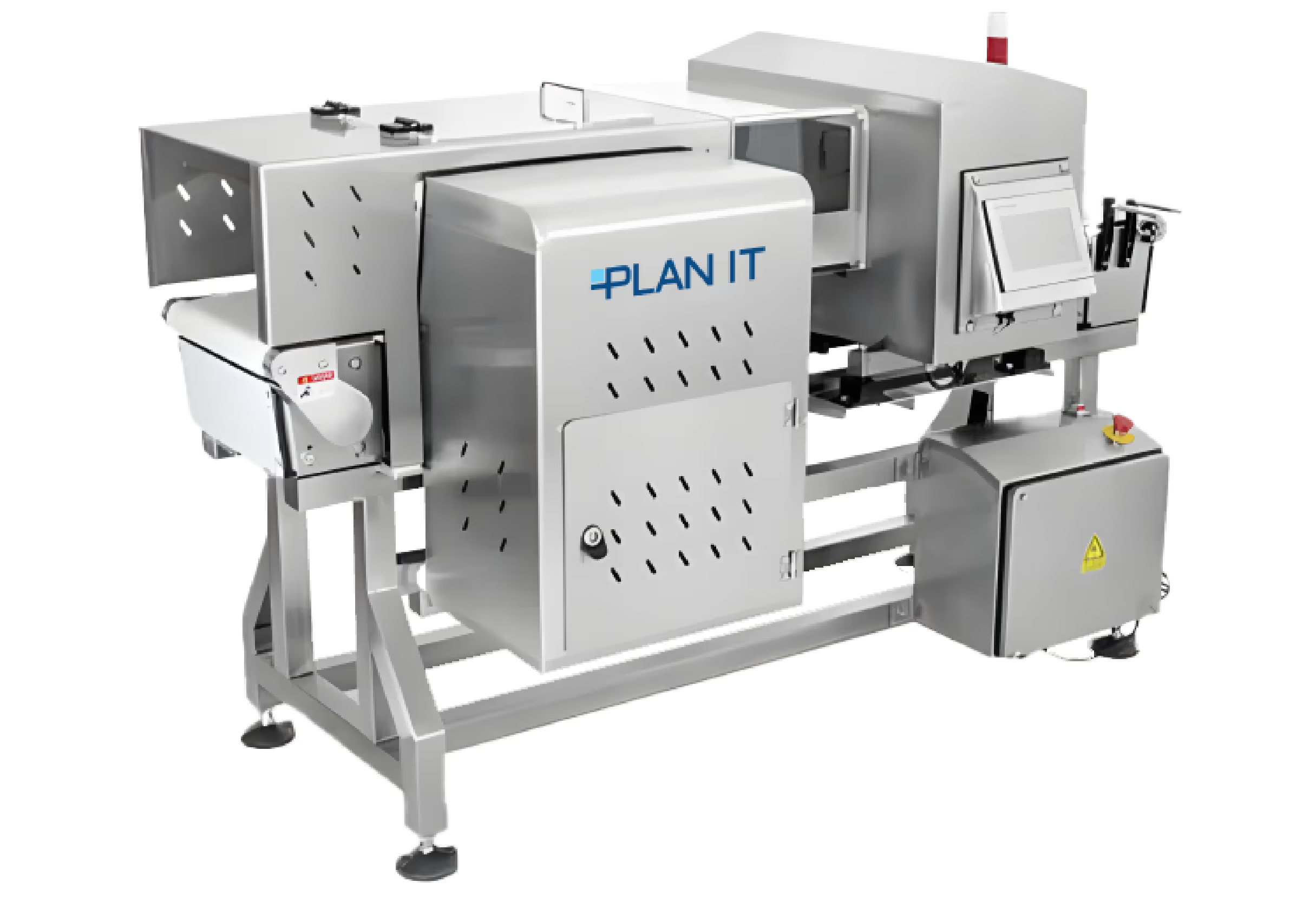
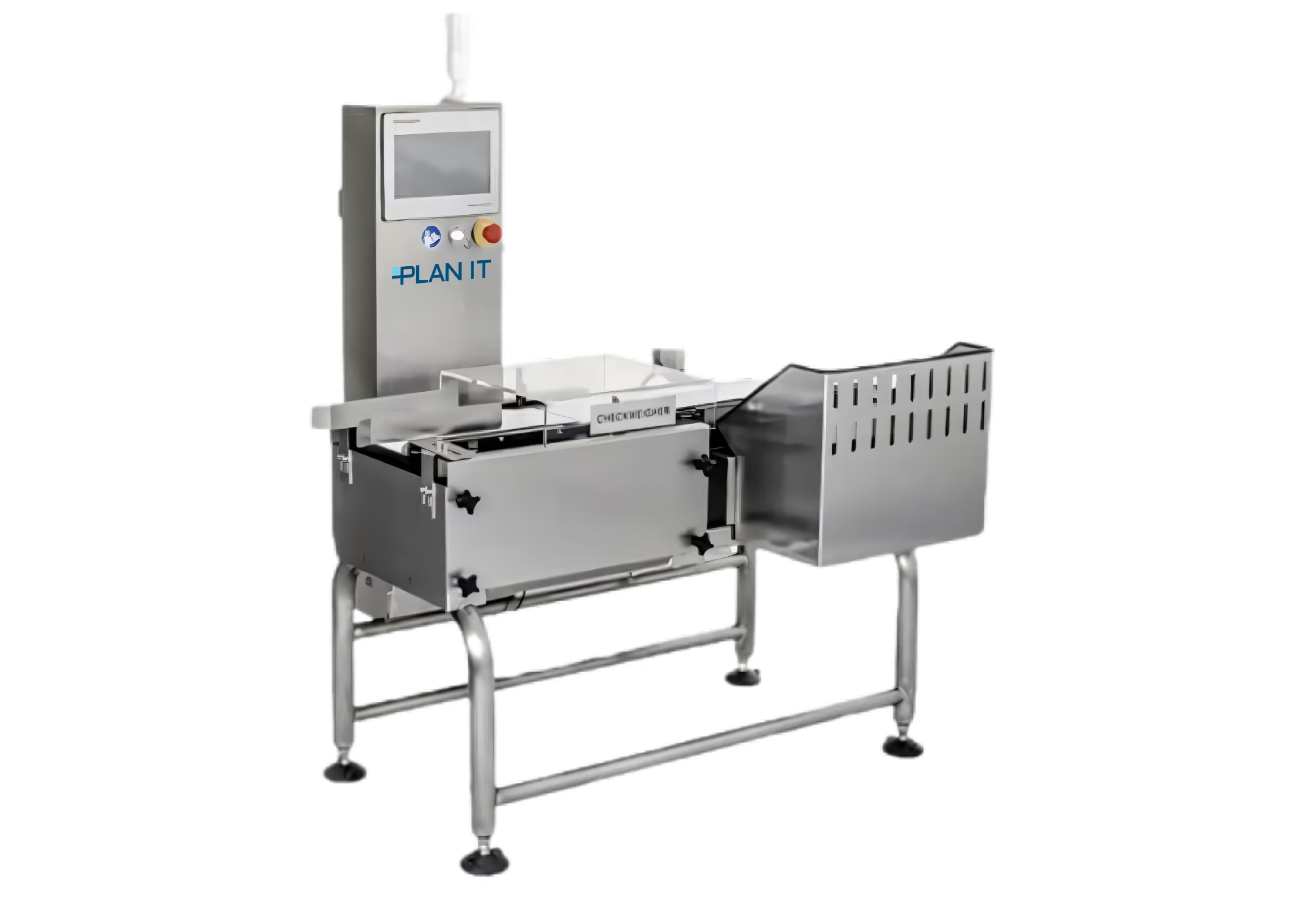
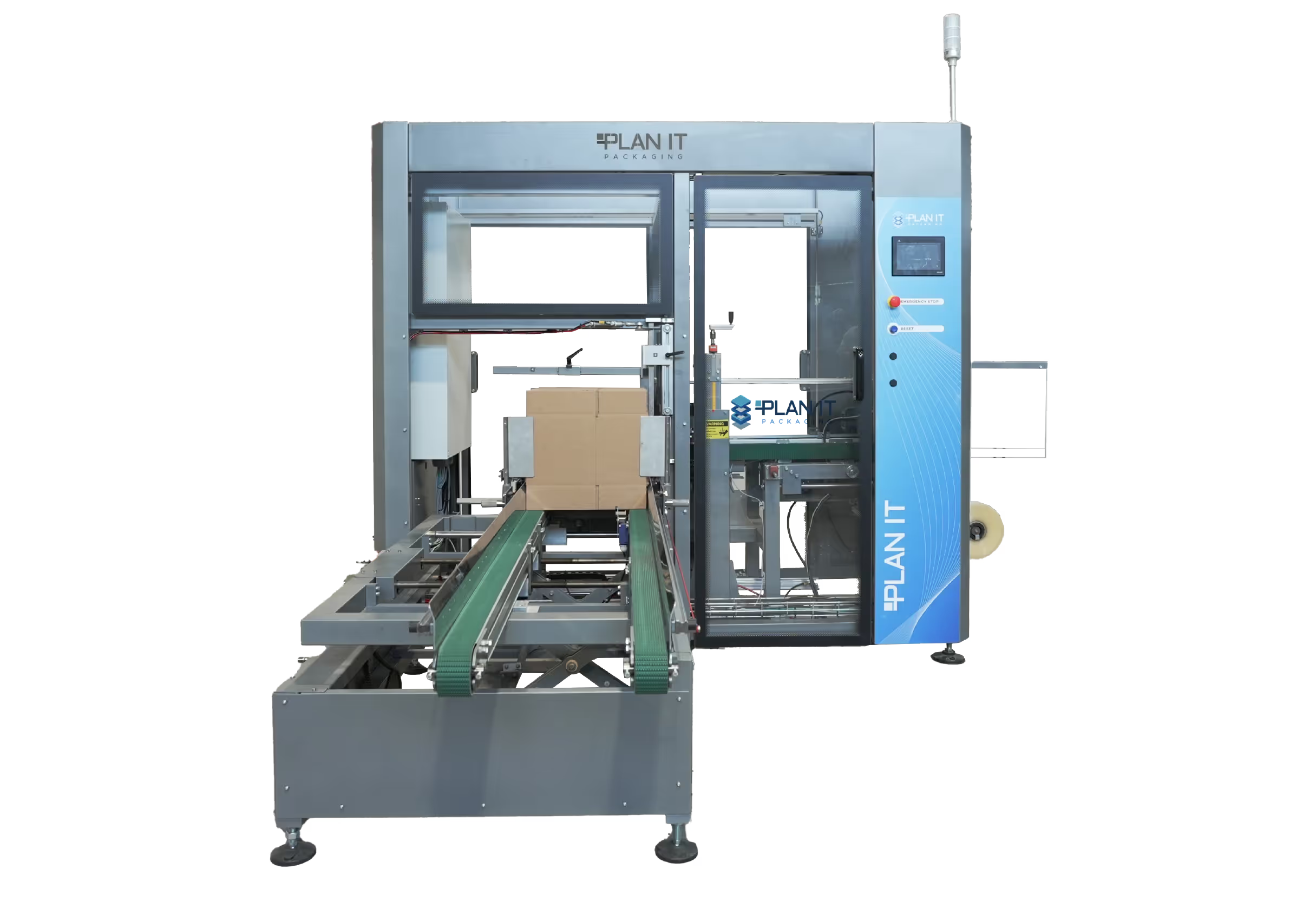
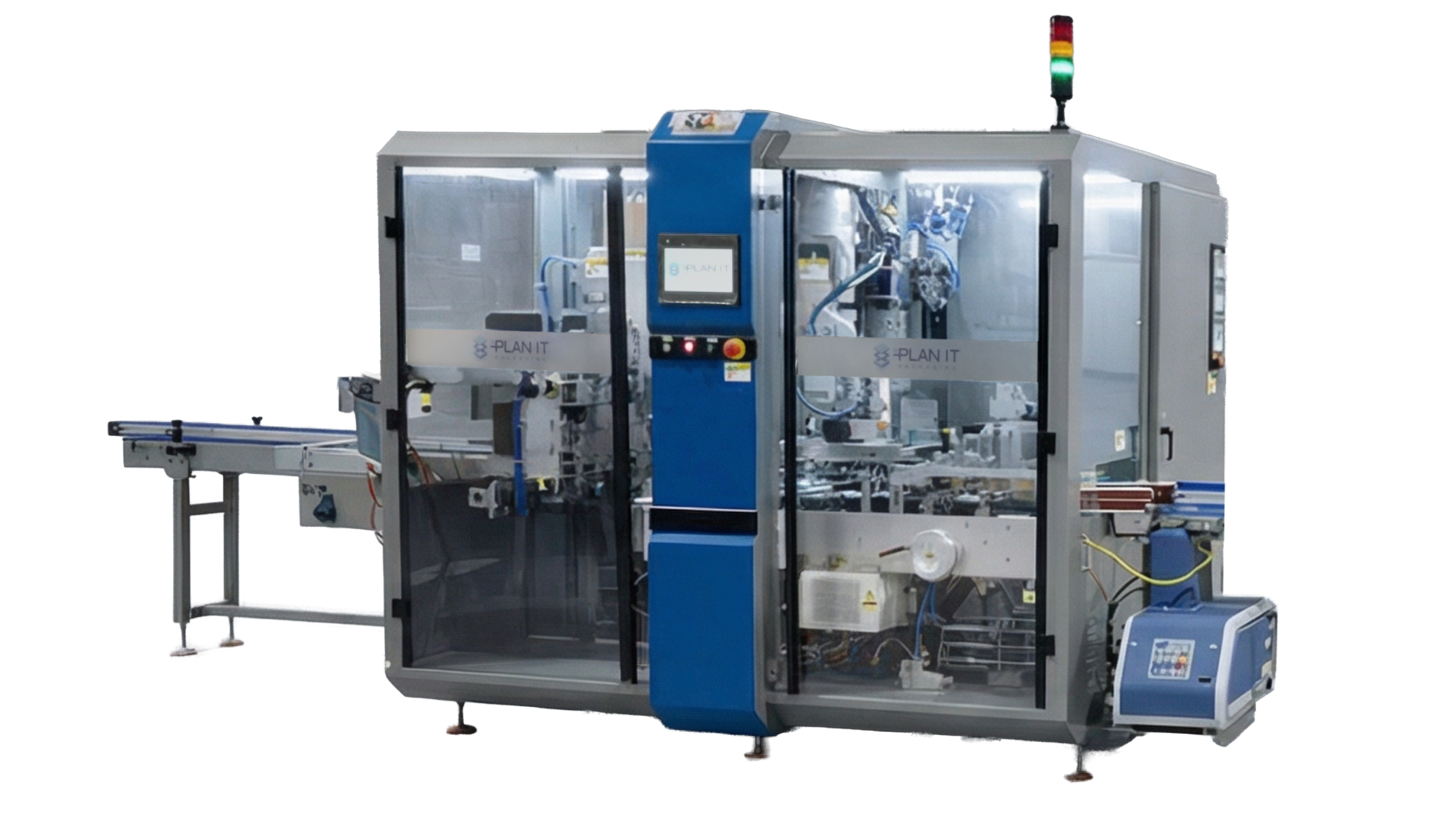
South Gate never had a food-processing or consumer-goods industry of its own. Its historic factories made tires, cars, chemicals, machinery, furniture, and roofing materials, and none of them ran the kind of line that needs packaging automation. By 1940 the city counted more than 35 factories, and by 1976 that number had grown past 400 operating within city limits. A major tire manufacturer opened a plant here in 1927 and expanded it repeatedly over the following decades. A separate automobile assembly plant ran here until it closed and the site was redeveloped as an industrial park in 1985. What that history left behind is industrial land, workforce, and zoning built for heavy manufacturing, and food and consumer-goods producers moving into that same Los Angeles corridor today are the ones who actually need that equipment. PLAN IT's PackMaster cobot palletizers and robotic case packers move sealed product into cases and onto pallets fast enough for a plant that size.
That same shift from farmland to factories runs through South Gate's whole timeline: cattle-ranching land turned to agriculture by 1880, then to factories and housing between 1910 and 1940, the same sequence that built much of the greater Los Angeles industrial corridor. Producers setting up inside that corridor today inherit the zoning and industrial land that sequence left behind. PLAN IT's Royal Food Products case study shows what that kind of scale-up looks like elsewhere in a comparable industrial market: vertical form fill seal bagging paired with case packing on one line. South Gate's own factories ran tires and cars, not food or consumer goods, but the industrial park and zoning they left behind are what a packaging line needs to scale into today. PLAN IT's California locations page covers the market, the food and beverage industry page walks through the equipment, and the solutions page details full-line integration for producers scaling beyond a single machine.


.avif)




%203.avif)


.svg)
.svg)
