Meat cuts, packaging plastics, bathroom fixtures, and furniture: Terrebonne's industrial park at the junction of Route 640 and Route 25 turns out a wider range of goods than its reputation as a Montreal suburb suggests, and most of it depends on packaging machines running at real production volume. The park counts roughly 125 companies and about 2,032 jobs, according to regional economic development data, with metal products, plastics processing, and food production as its three core sectors. A meat-processing operation described locally as the region's most important lamb-slaughtering business runs there alongside a plastics manufacturer producing packaging materials for other food and consumer-goods companies.
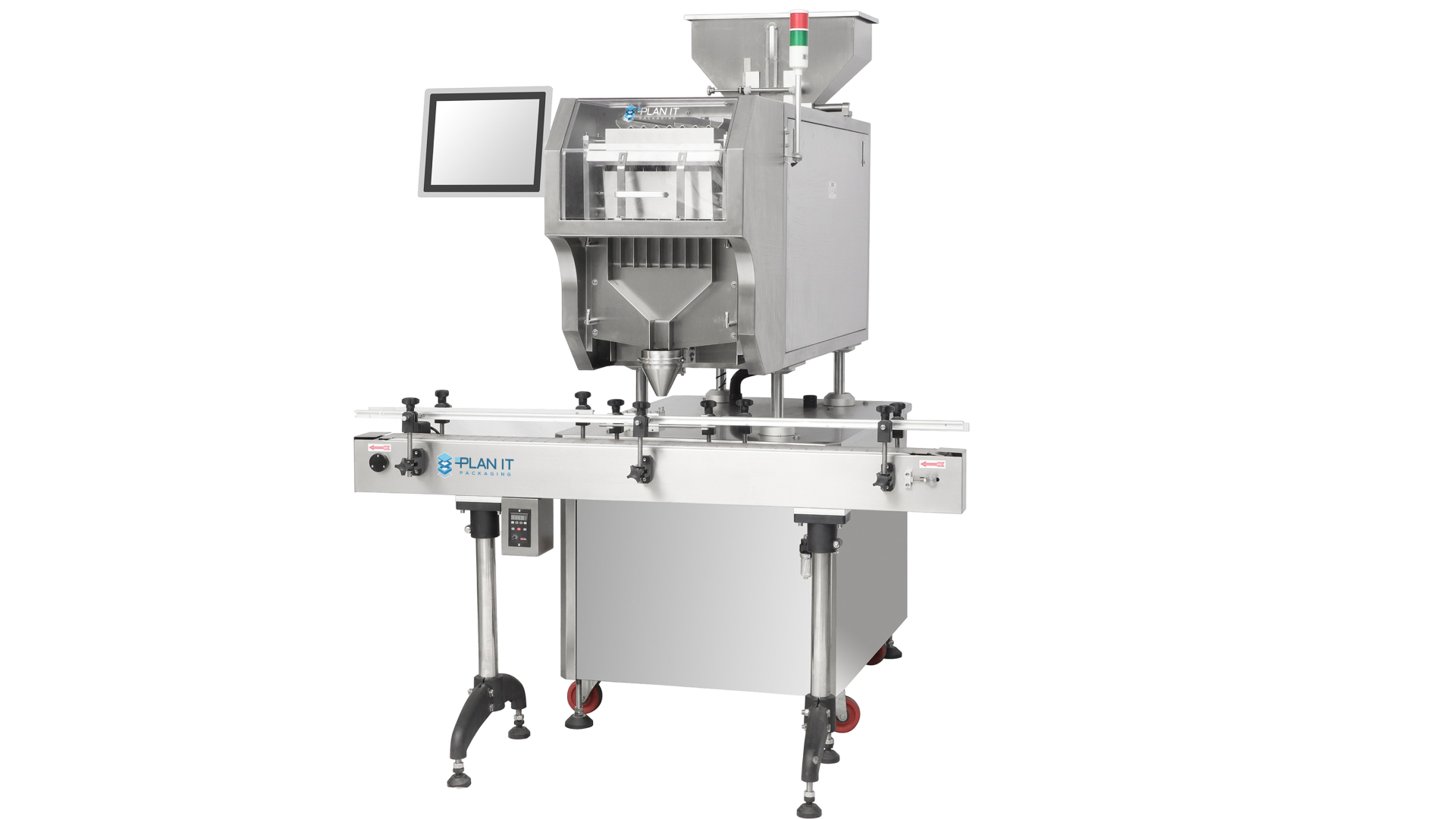
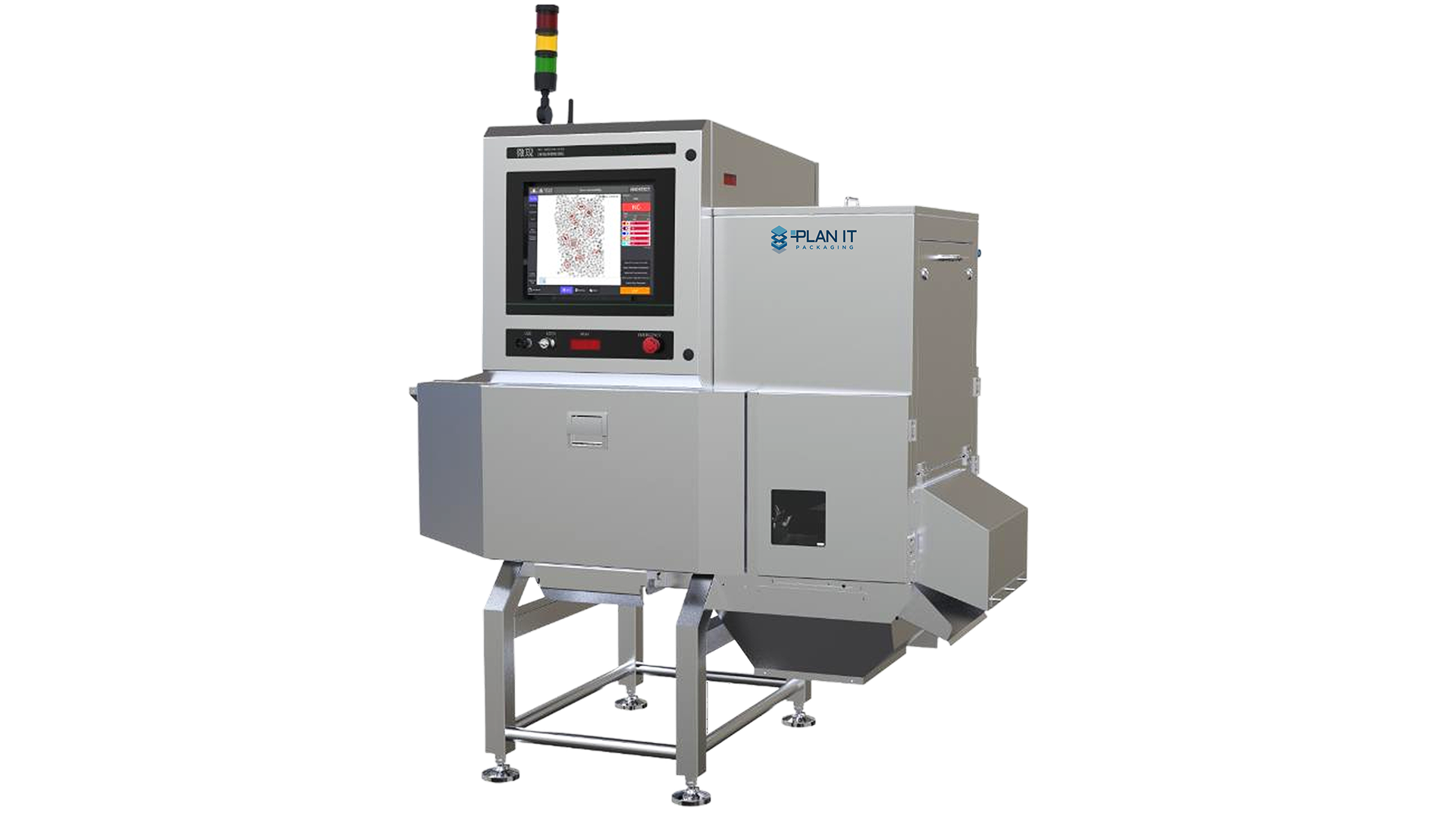
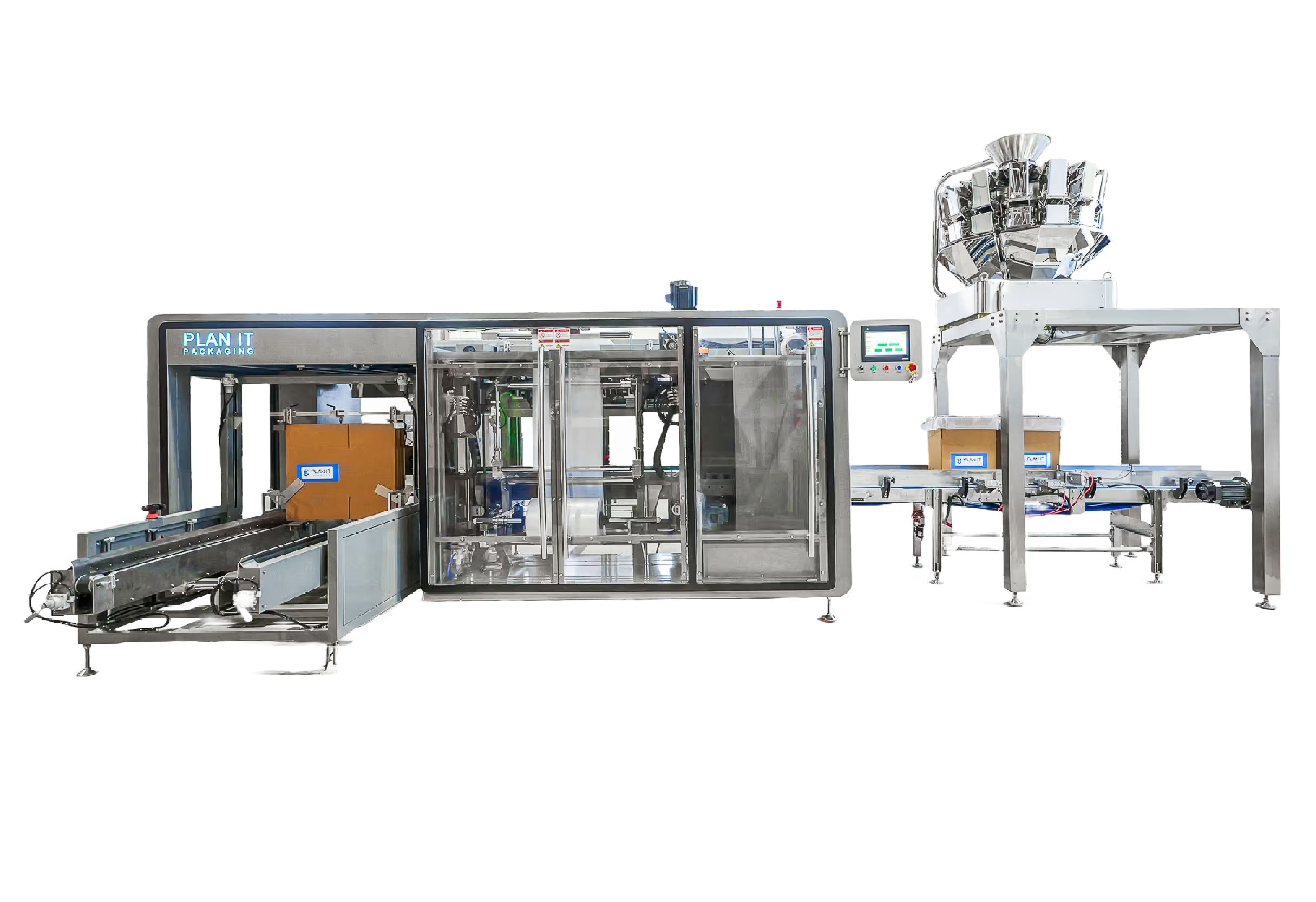
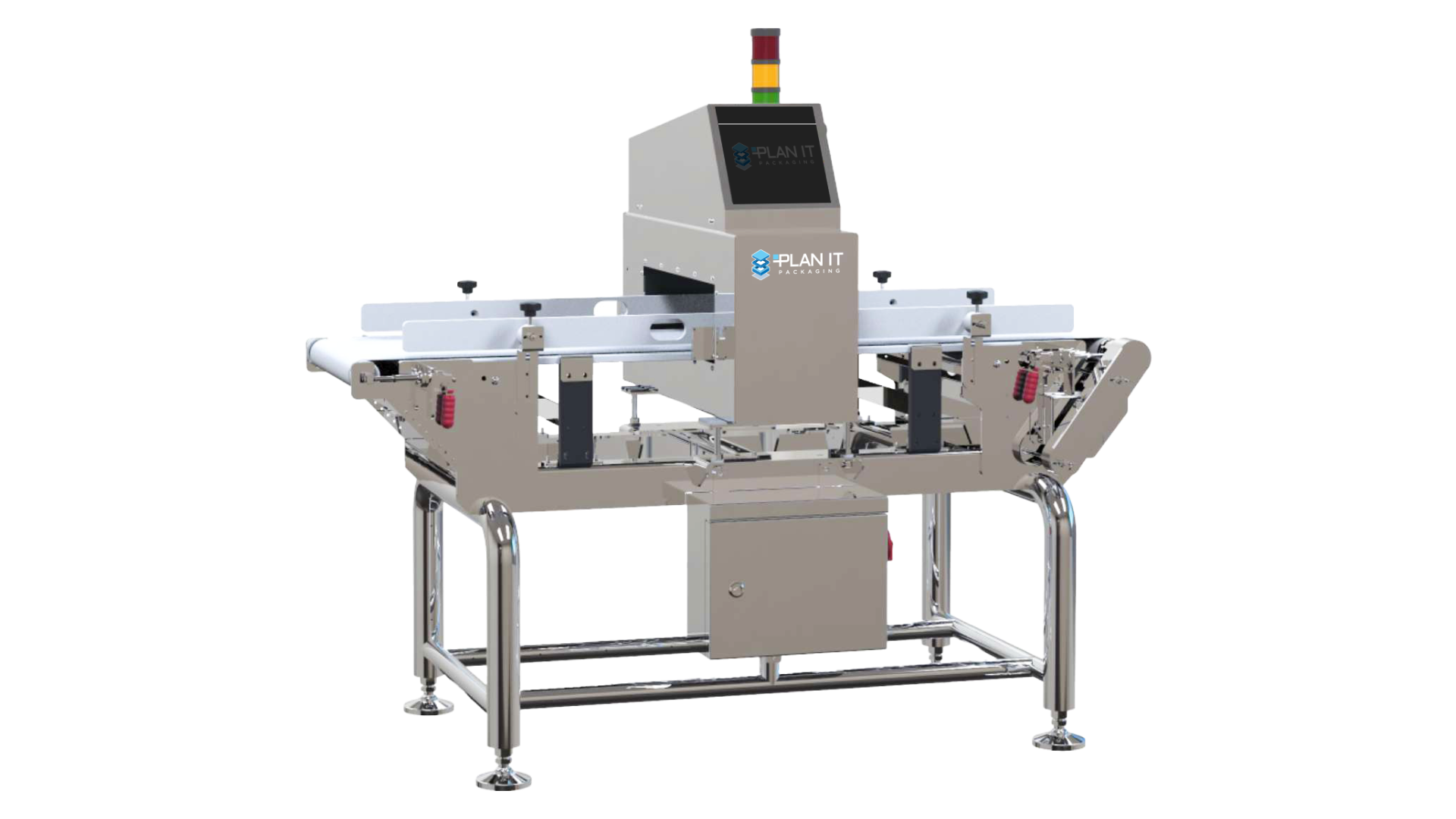
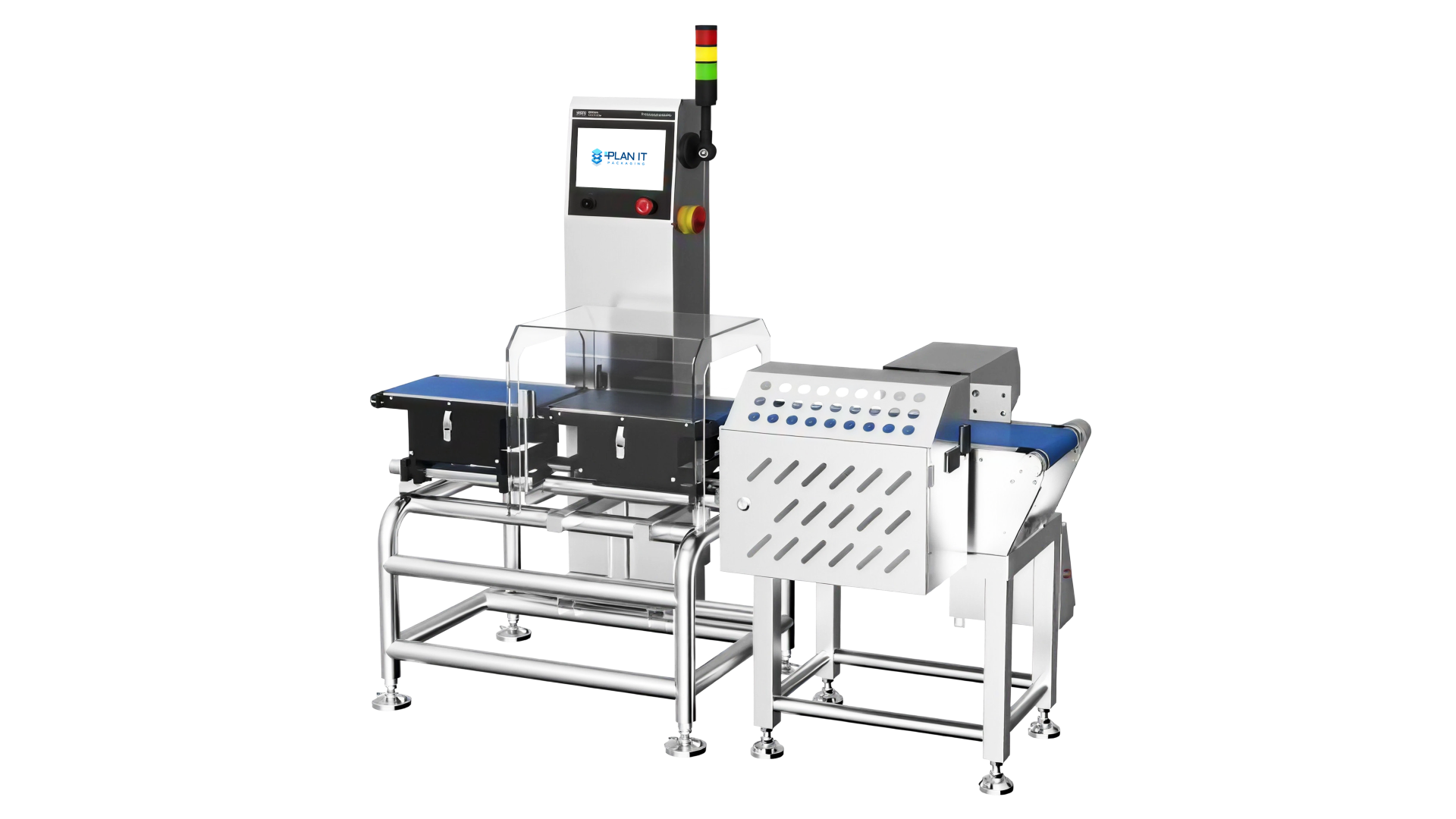
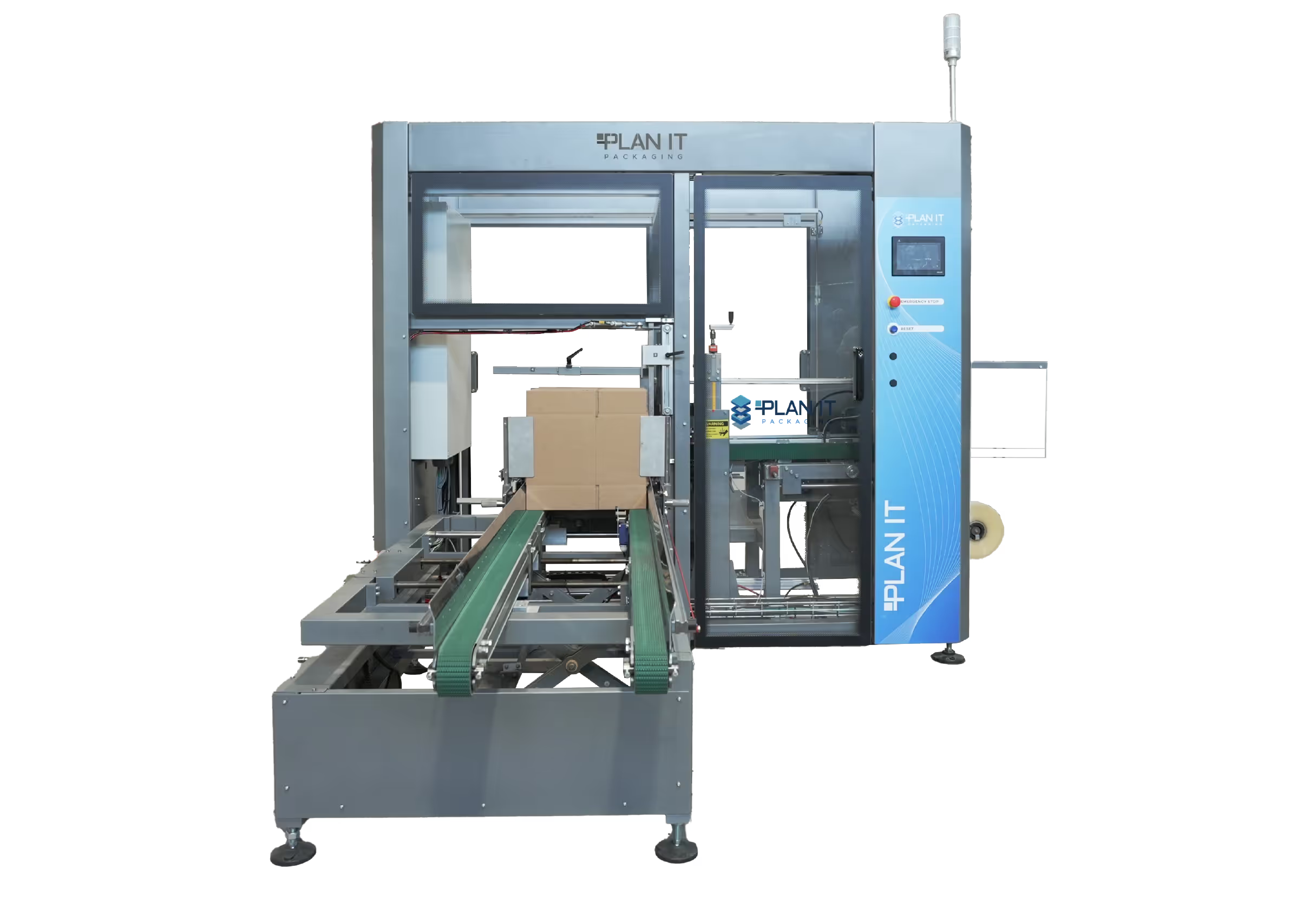
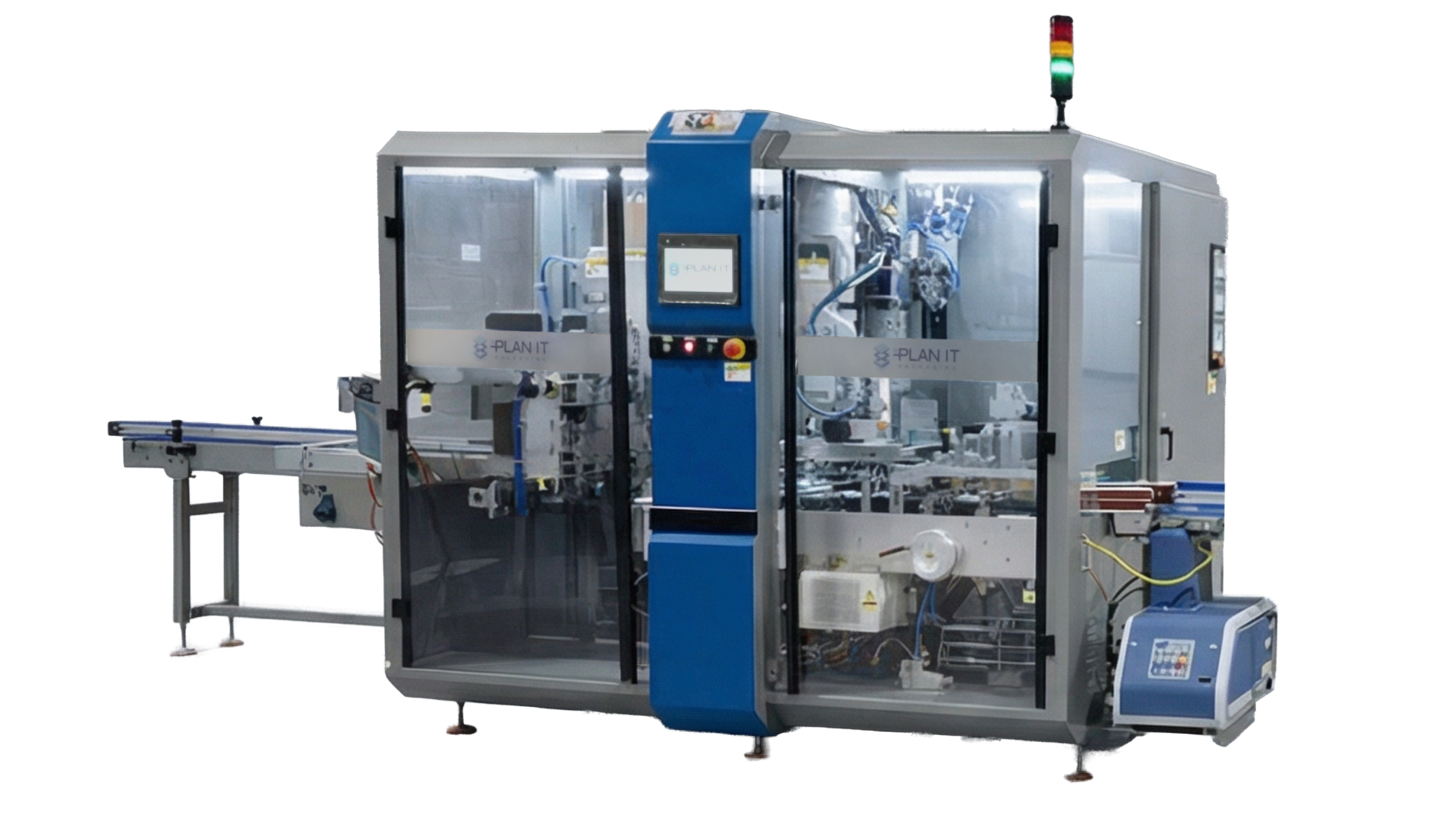
Terrebonne's earliest industry ran on water, not electricity: seigneurial-era flour and saw mills built between 1721 and 1850 at the Île-des-moulins site once powered the whole settlement, and the site is preserved today as a national historic park. Three sectors, one park. We have no address in Terrebonne, though our equipment already runs in the park's meat, plastics, and furniture plants. You know your cuts and your plastics; we know how to keep both moving through the same Route 640 park without either line slowing the other down. Automatic case packers and case erectors get finished goods from meat, plastics, and furniture lines into shipping cases, PackMaster cobot palletizers stack pallets consistently across shifts, and Mars Series VFFS baggers seal cuts, trims, or portions into bags for any food operation in the park. Our Quebec location page and food and beverage industry page map the wider market, a case study on scaling food production shows how a similar meat operation added automation, the VFFS machine category and automatic case packer lineup break down the machines themselves, and our solutions page rounds out the catalog for the meat, plastics, and furniture plants running out of Terrebonne's Route 640 industrial park.


.avif)



%203.avif)


.svg)
.svg)
