Toms River's most notable industrial chapter has nothing to do with packaging equipment or food production. From 1952 until it closed in 1996, a chemical manufacturer ran a major dye and chemical plant in the township, one that became a U.S. EPA Superfund site in 1983 after a toxic chemical plume turned up, a story documented in a Pulitzer Prize-winning book on the plant's contamination and a childhood-cancer cluster. That plant is gone now. Before the chemical era, Toms River spent the 19th century as a shipbuilding, whaling, fishing, and iron-and-lumber town on the Jersey Shore, and today the township runs on retail and corporate offices instead, anchored by a large shopping mall, a lifestyle center, and headquarters for a data-and-analytics firm and a regional bank.
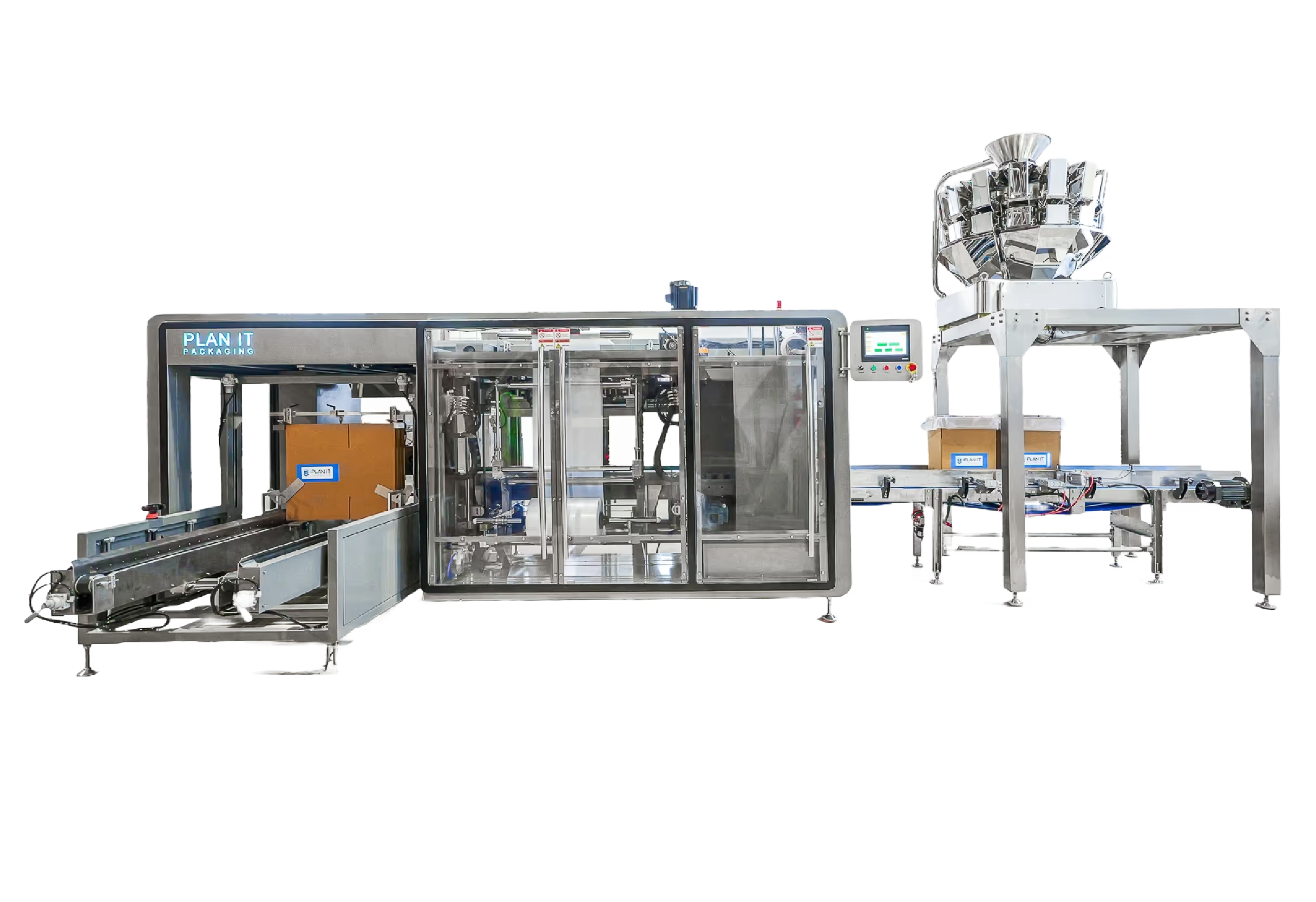
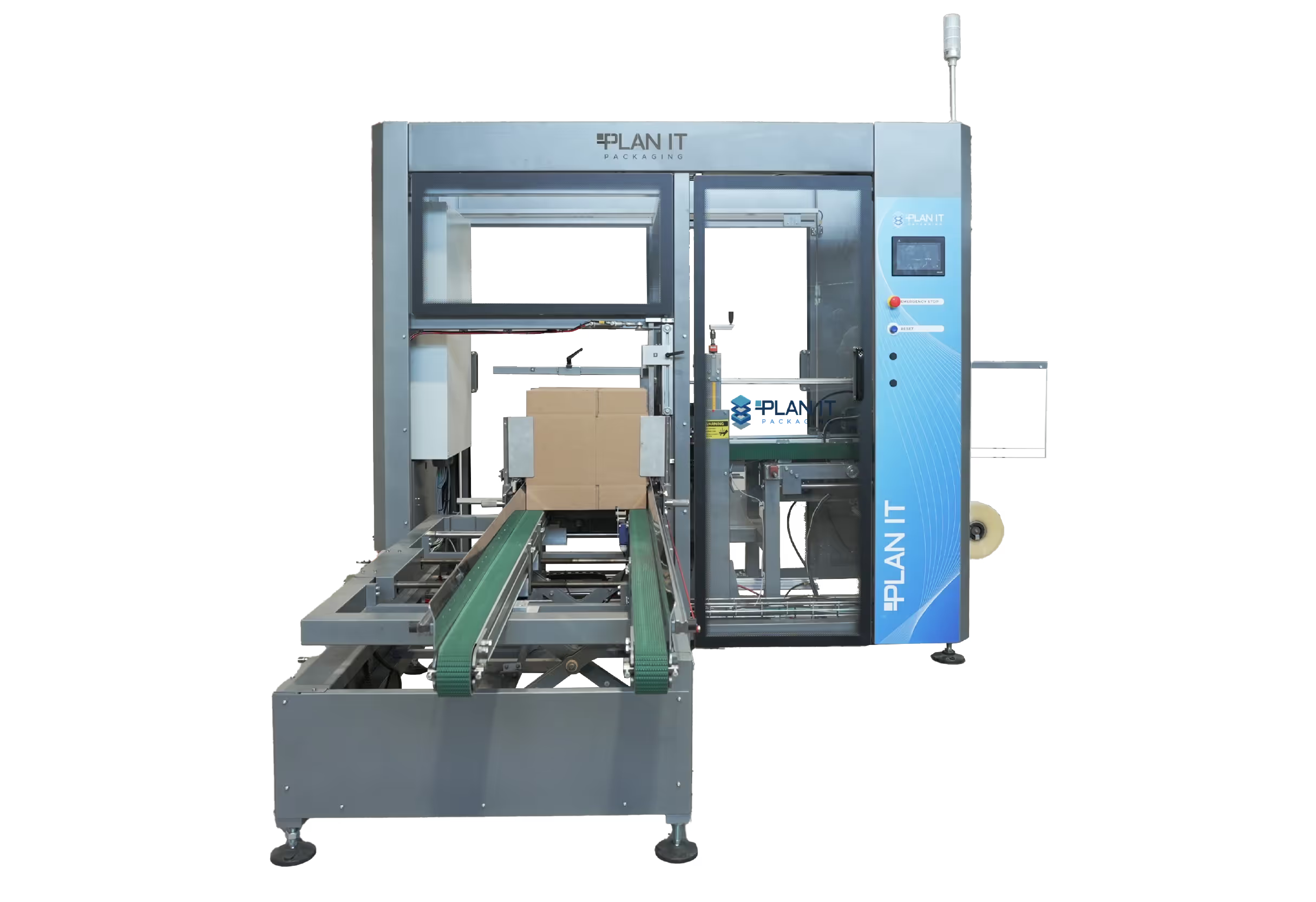
A co-packing case study in our own portfolio covers the order-growth curve that pushes a manufacturer or co-packer off a manual line, the kind of volume jump a retail and distribution corridor like this one creates for the businesses supplying it. Our Mars Series VFFS (vertical form fill seal) baggers form, fill, and seal a bag in one pass instead of by hand, running at the speed a growing operation on the Jersey Shore corridor needs. Automatic case packers then box that product, and our PackMaster cobot palletizers stack the finished cases onto pallets for the retail and distribution network that now anchors much of Toms River's economy. We keep all three machine types in stock, and our solutions team works with manufacturers and co-packers up and down the Jersey Shore corridor to size a line to the volume a growing account now needs.


.avif)



%203.avif)


.svg)
.svg)
