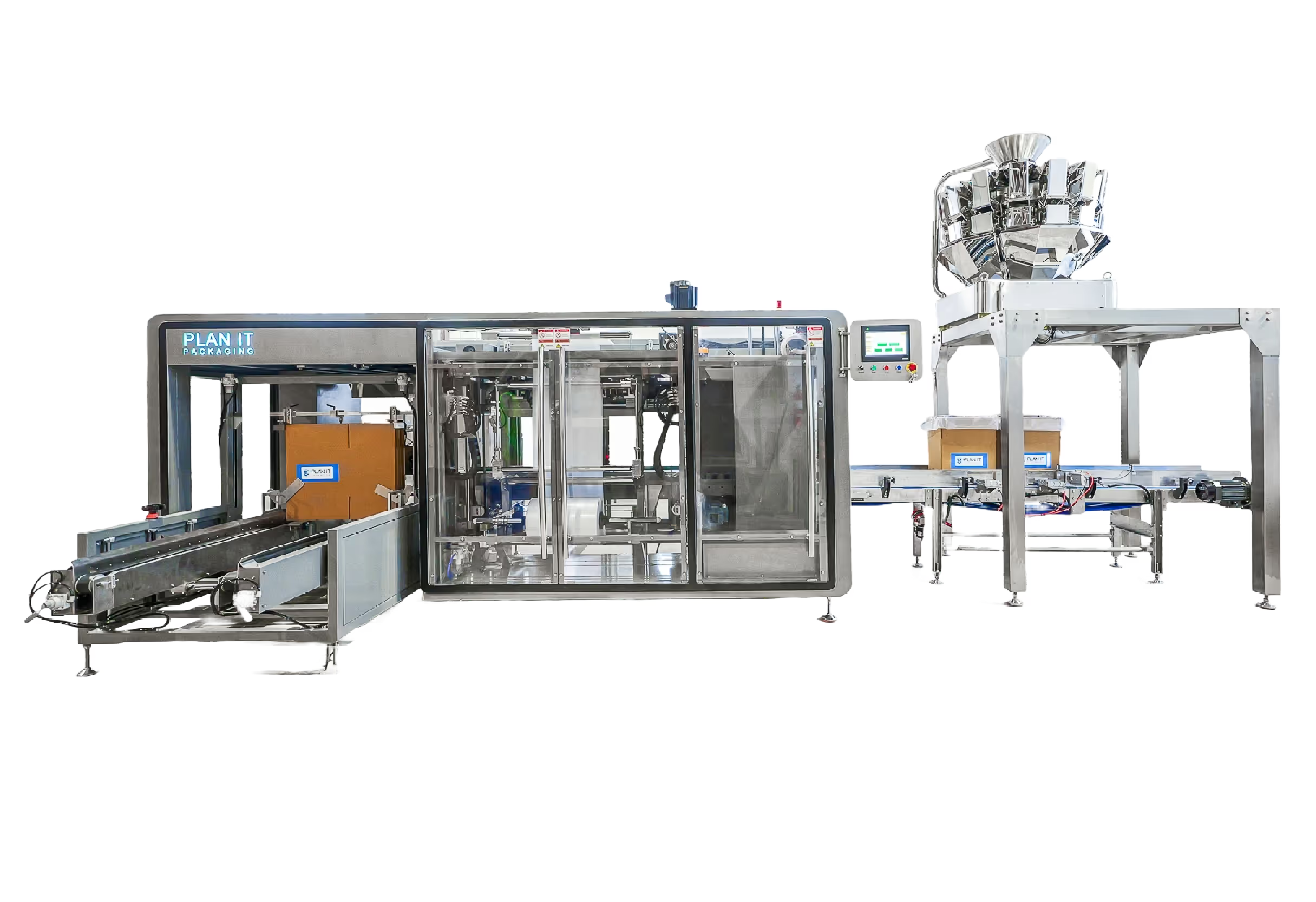
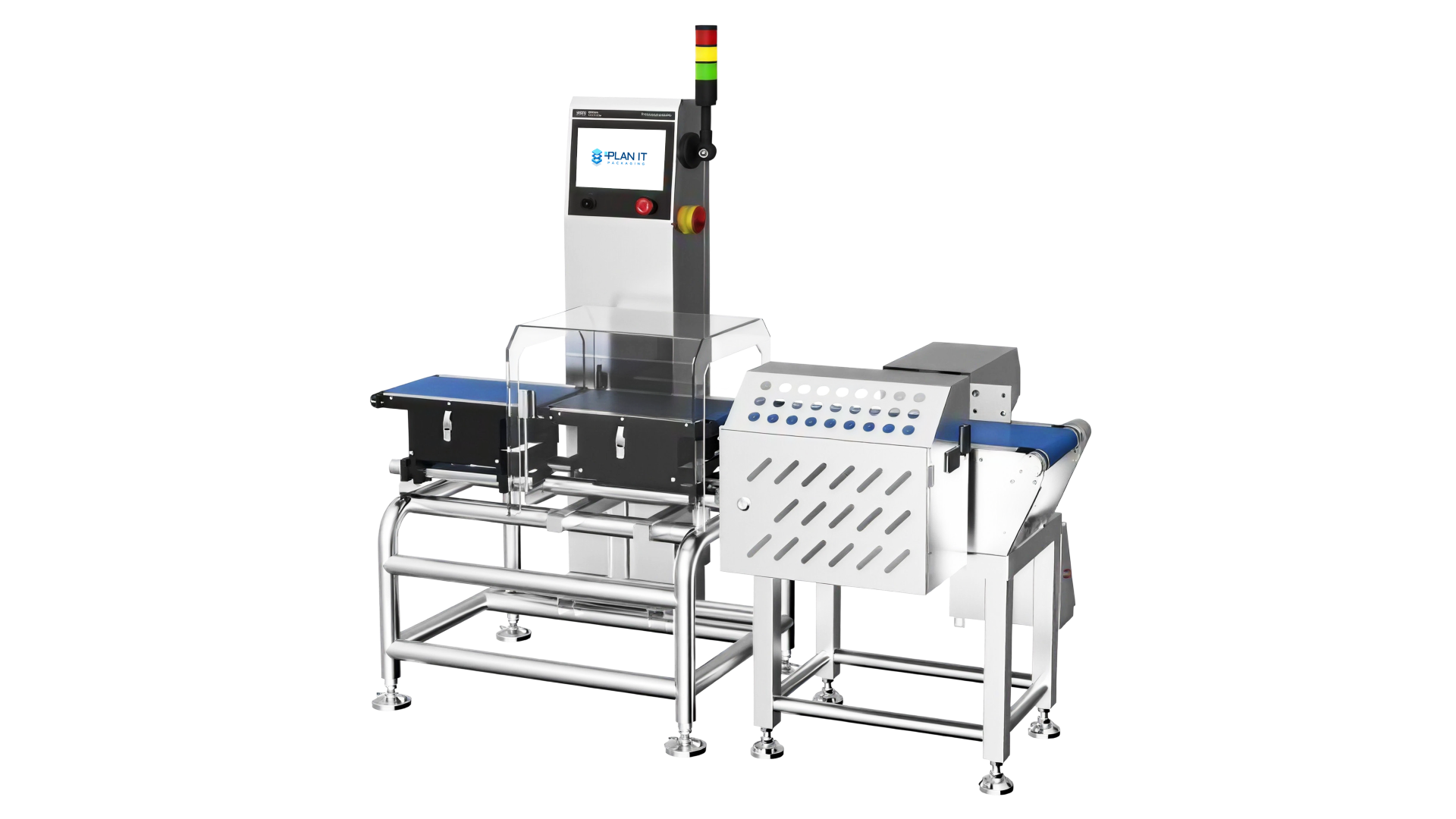
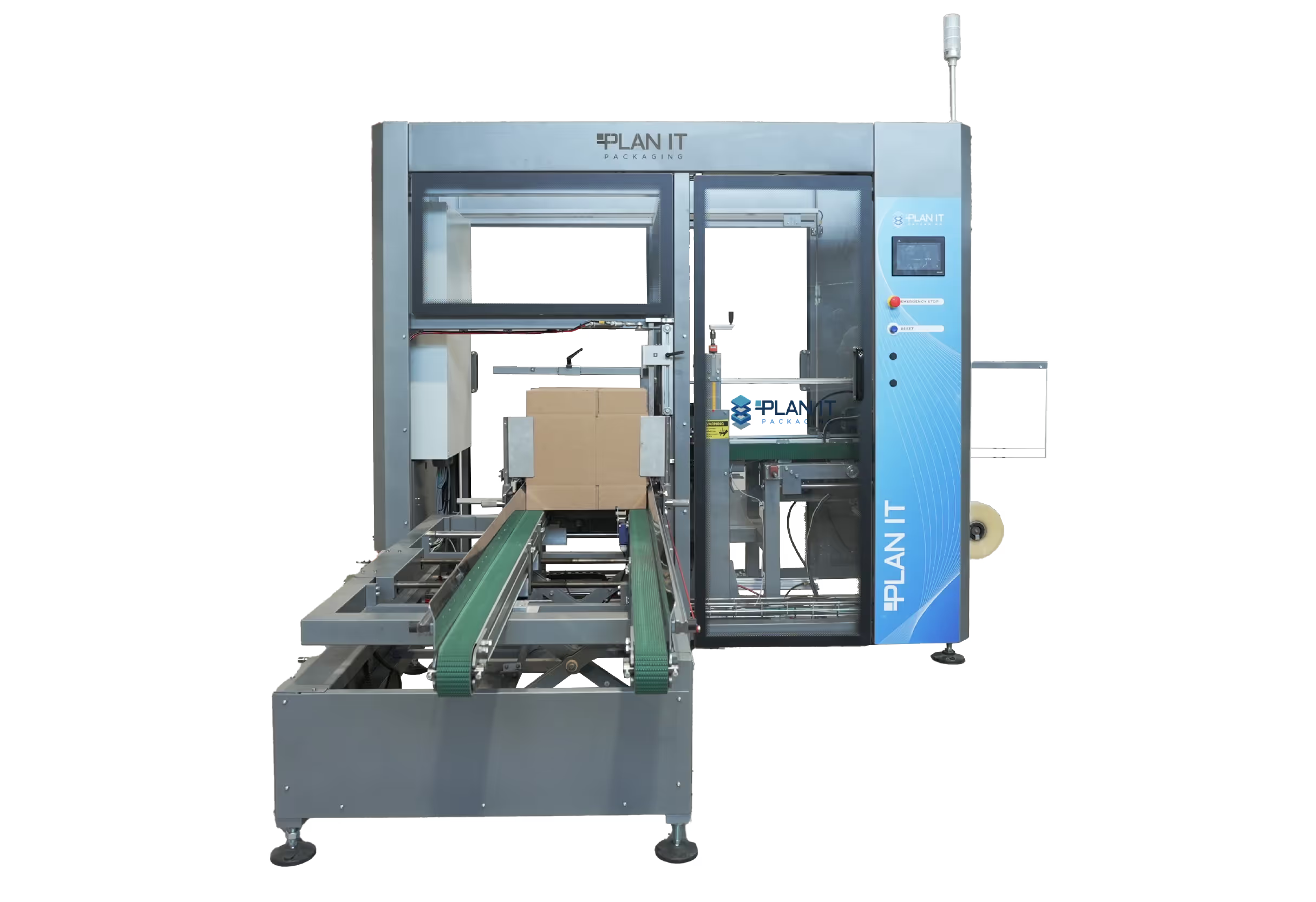
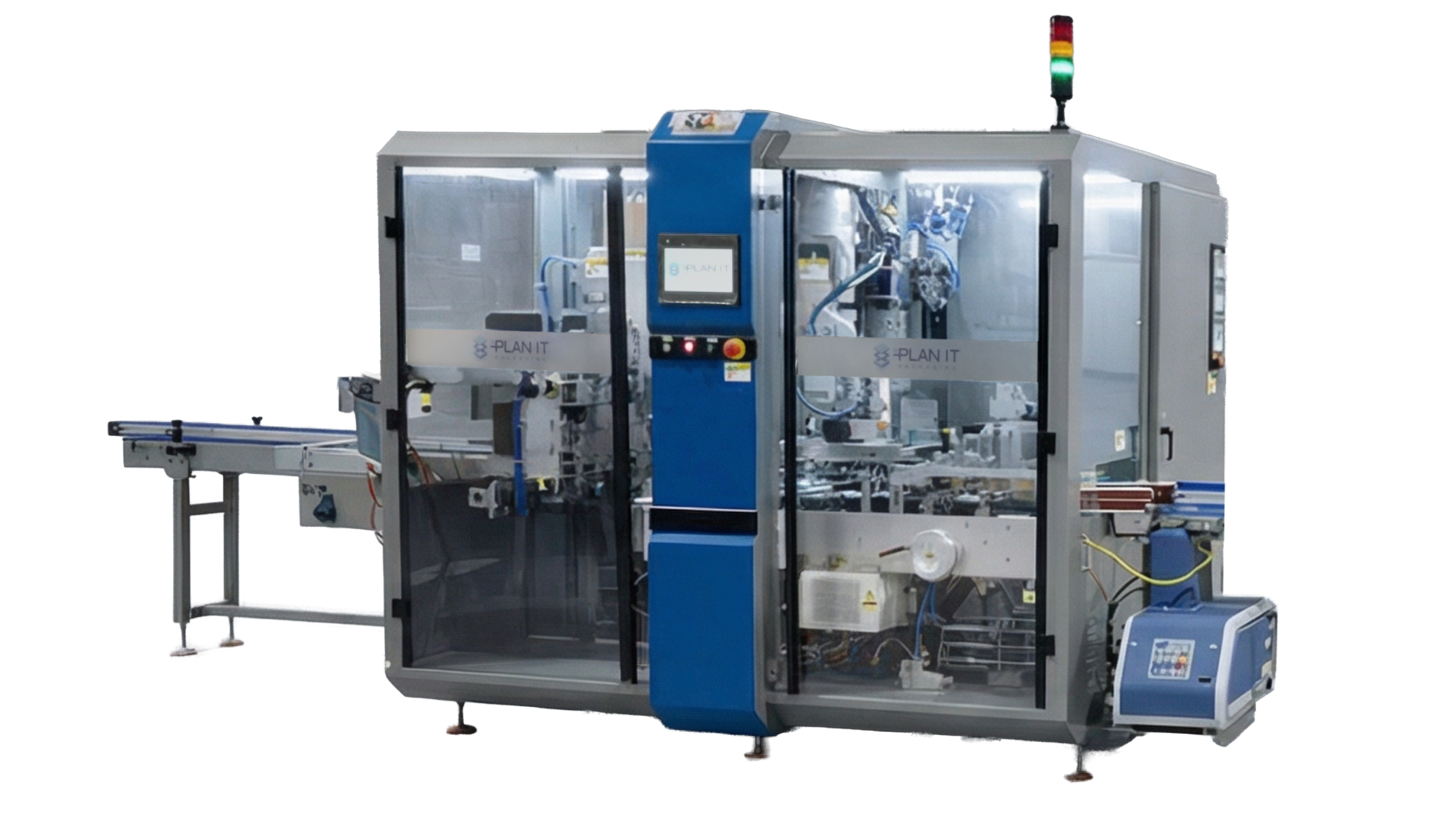
Canned and smoked seafood, organic granola and cereal, and packaged wild salmon all move out of Vancouver at commercial scale, and packaging equipment built for wet, cold-chain, or organic retail product sits behind every one of those categories. The city's seafood-packaging roots go back generations: its salmon-canning and processing history is now preserved as a National Historic Site, a record of the same packing challenges, moisture, weight variability, and food-safety inspection, that seafood processors solve today with modern automation. Our case study on a smoked-fish business scaling up its production with automation reflects exactly that kind of operation, and our Mars Series VFFS machines and automatic case packers are built for the wet, variable product that defines this category.
Vancouver's port itself is a major reason this kind of manufacturing clusters here: the Port of Vancouver is Canada's largest and most diversified port, handling more than $172 billion in trade annually with over 160 trading economies, and port activity generates $9.7 billion in regional GDP on its own. Your catch doesn't wait for the tide to turn. We build the line that bags it before it does. The city is also headquarters to an organic packaged-food company, part of a wider base of organic cereal, snack, and granola production in the region, alongside forest-products and mining companies that carry on Vancouver's historic sawmill and timber-export economy. If your line runs granola instead of salmon, the same auger and powder fillers hold consistent weights on cereal, and EliteWeigh multihead weighers do the same for snack mixes. Heavy-duty case packing and palletizing round out the industrial side of the economy. More on how these systems fit seafood, organic, and industrial lines sits on our British Columbia locations page, our food and beverage industry page, and our solutions page.


.avif)



%203.avif)


.svg)
.svg)
