Waterbury earned the nickname 'Brass City,' the 'Brass Capital of the World,' for nineteenth and twentieth century brass manufacturing powered by the Mad and Naugatuck rivers. The city's own motto, translated from Latin, asks what is more lasting than brass, a fitting question in a manufacturing city where packaging automation matters as much today as brass once did. At their WWII peak, the city's brass mills employed roughly 10,000 workers combined across more than two million square feet of mill floor. A clock and watch manufacturer built about 20,000 timepieces a day here by the late 1800s with a 3,000-person workforce, then became the country's largest wartime producer of fuse timers for precision defense instruments. Silverware production ran alongside that metalworking trade from 1858 onward, with local makers exhibiting their work at the 1893 World's Columbian Exposition.
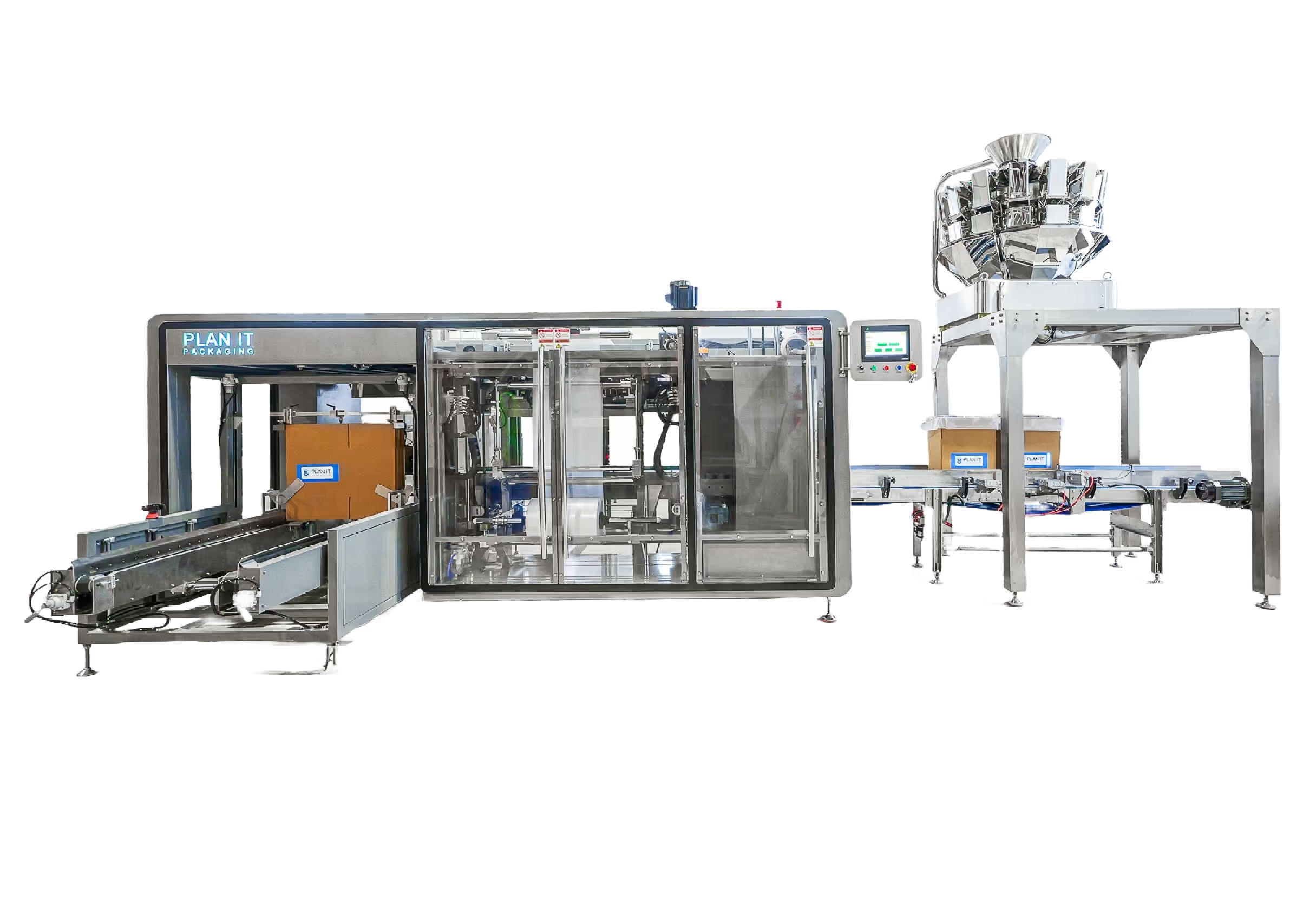
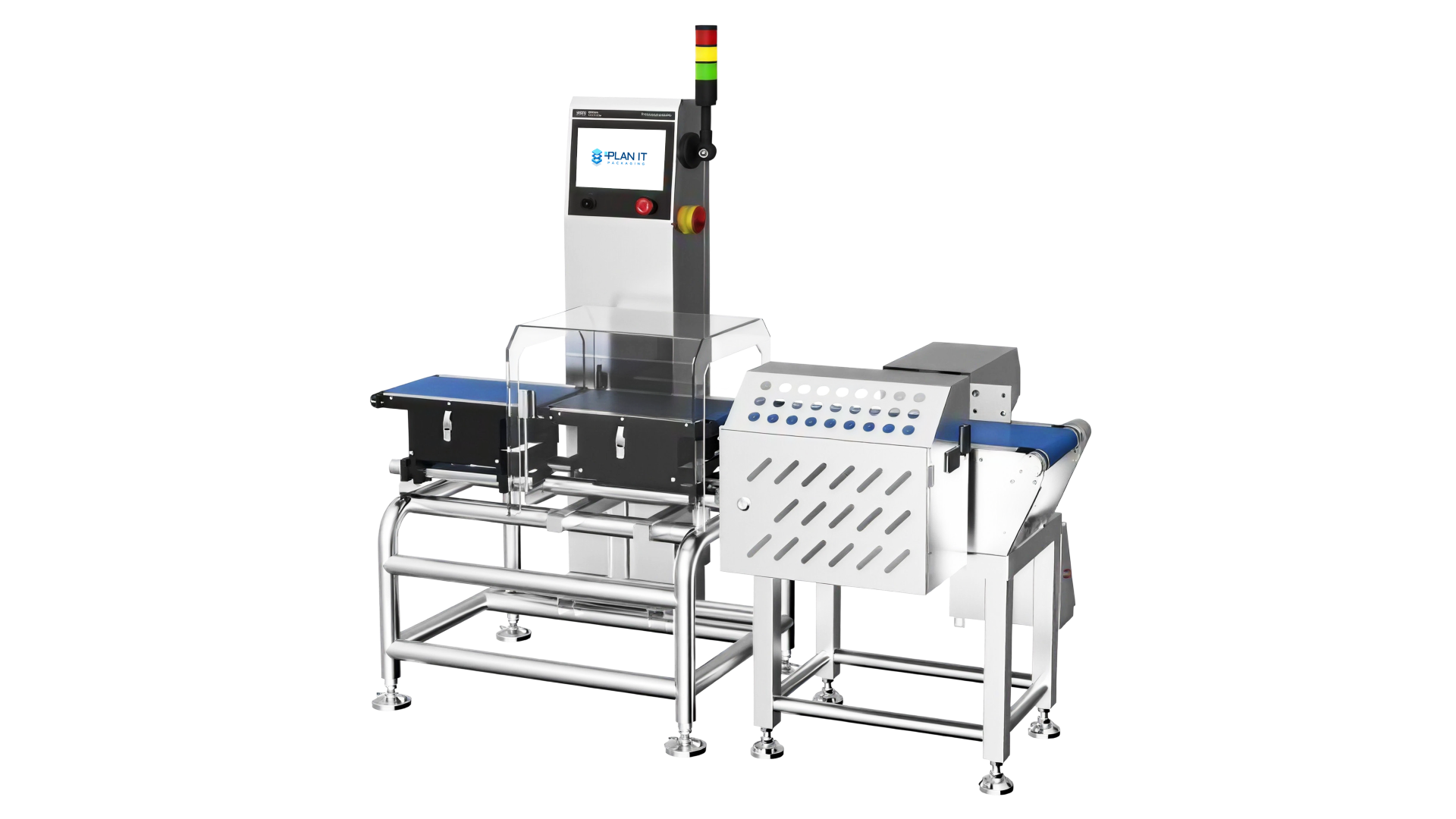
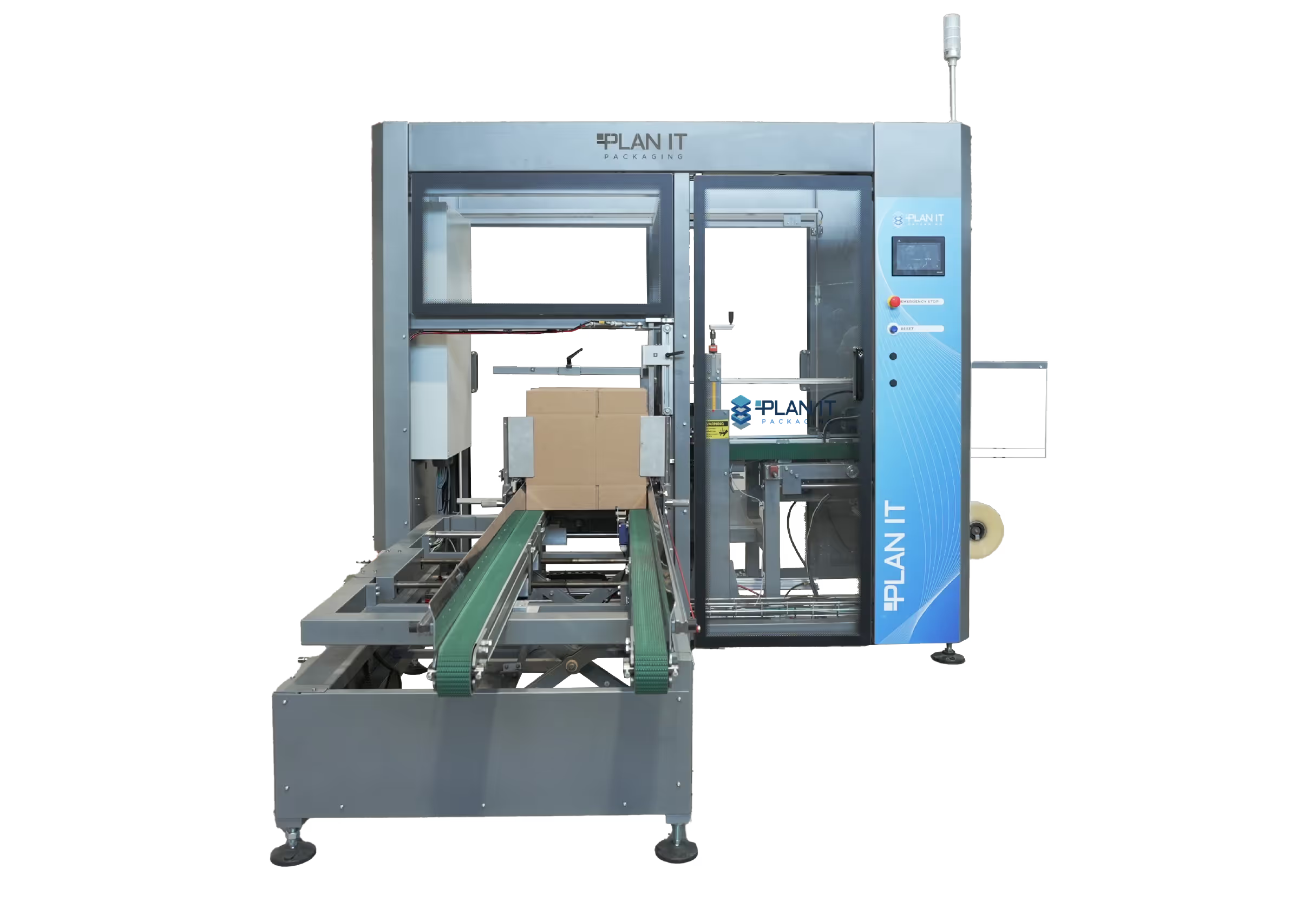
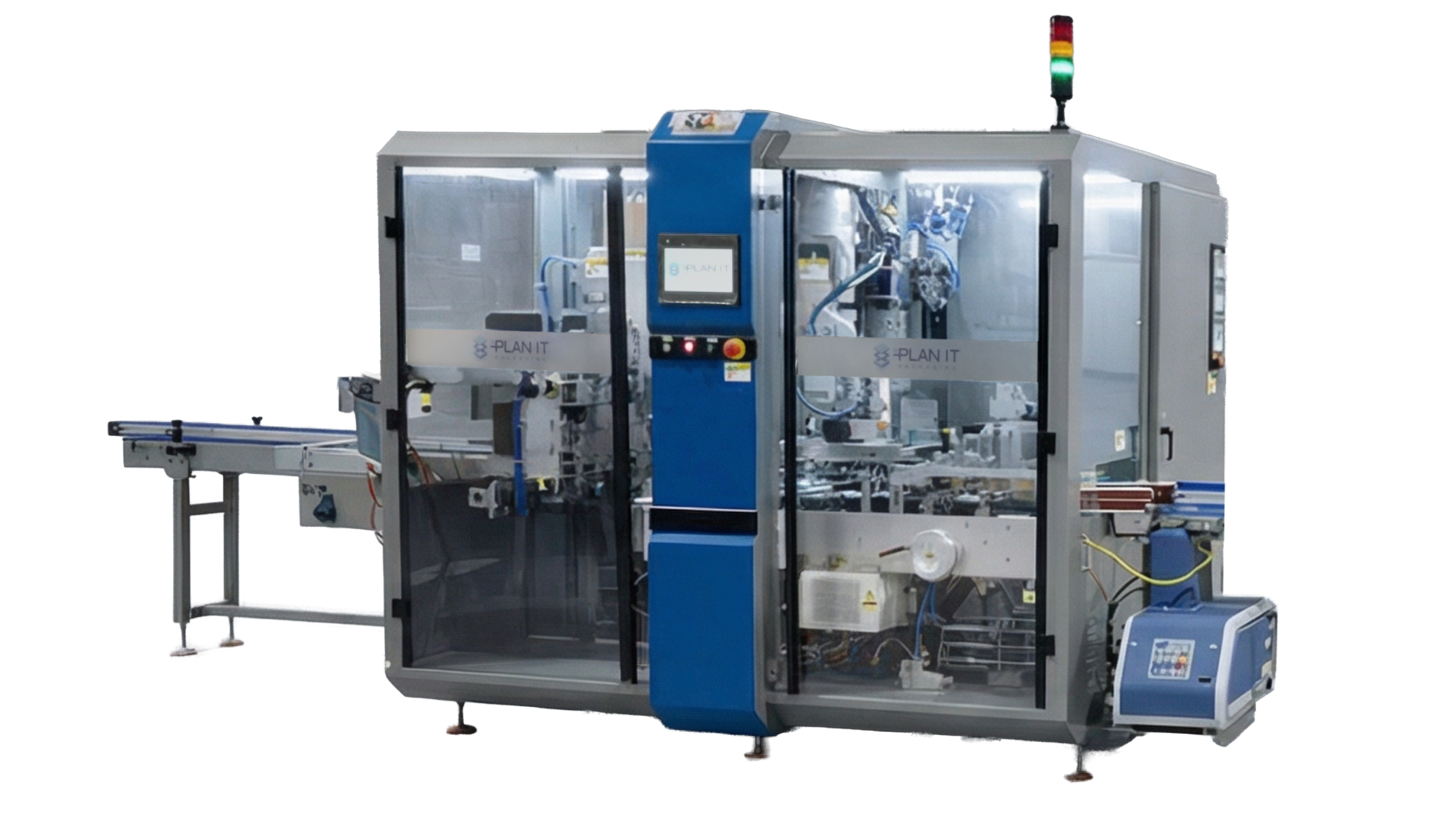
That precision-manufacturing habit didn't disappear. It's still what the buildings' successors run on, at line speeds a brass mill foreman never had to plan for. A clockmaker here once built 20,000 timepieces a day with zero room for drift. Packaging on that same floor still can't afford any either. There's no local office here in Waterbury. What we supply instead is Mars Series VFFS baggers for high-speed pouch and bag sealing, automatic case packers that box finished goods at the clip precision manufacturing demands, and PackMaster cobot palletizers that stack and prep those cases for shipment. The category page for palletizing and the case study on elevating co-packing with automated solutions both show a comparable line at work; the Connecticut location page, VFFS machine category, automatic case packer lineup, and solutions page cover the rest of what Waterbury manufacturers need.


.avif)




%203.avif)


.svg)
.svg)
